


In a discovery that challenges decades of fundamental biological assumptions, researchers at Stanford Medicine have identified that glucose, the primary sugar utilized by nearly every living cell for energy, serves a secondary and equally vital role as a master regulator of tissue differentiation. This process, by which unspecialized stem cells evolve into the specific, functional cells that constitute the human body’s various organs and tissues, has long been understood through the lens of complex genetic signaling. However, the new findings, published in the journal Cell Stem Cell, reveal that glucose acts as a direct signaling molecule, independent of its role in cellular metabolism, to dictate how and when cells mature.
The study, led by Paul Khavari, MD, PhD, the Carl J. Herzog Professor and chair of dermatology at Stanford, and research scientist Vanessa Lopez-Pajares, PhD, suggests that glucose does not merely provide the fuel for cellular change. Instead, it binds in its intact, un-metabolized form to specific proteins, triggering a cascade of gene expressions that drive the transition from stem cell to specialized tissue. This "undercover double life" of glucose was so unexpected that the research team spent several years conducting exhaustive follow-up experiments to verify the mechanism before making their findings public.
A Paradigm Shift in Cellular Metabolism and Signaling
For over a century, glucose has been categorized almost exclusively as a substrate for catabolism—the process of breaking down chemical bonds to release energy in the form of adenosine triphosphate (ATP). In this traditional view, glucose is a passive participant in cellular decision-making, its levels fluctuating based on the energy demands of the cell. The Stanford study disrupts this narrative by demonstrating that glucose acts as a "broadcast signal" within the cell, functioning similarly to a hormone or a transcription factor.
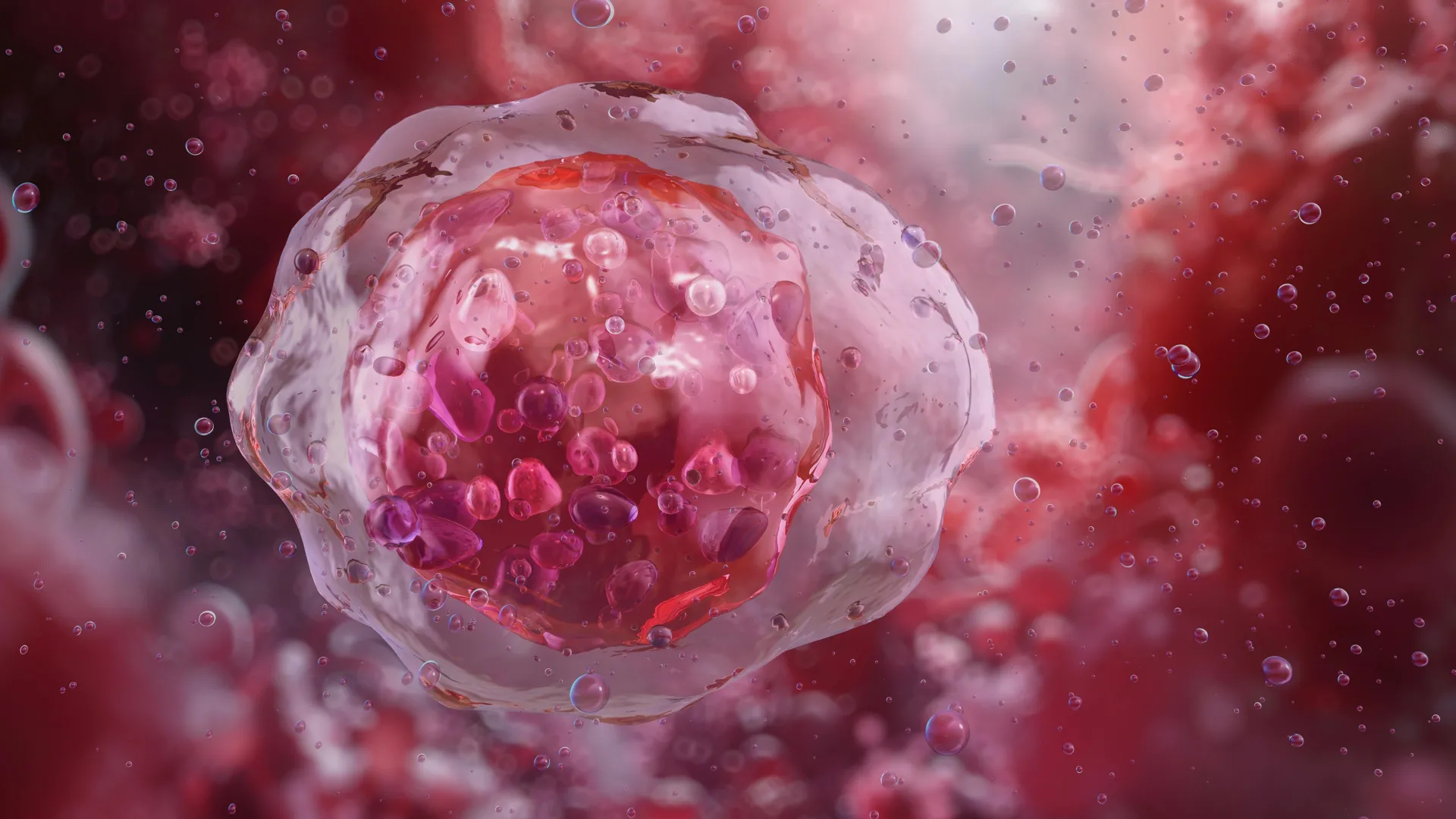
The researchers discovered that as cells move toward differentiation, they intentionally increase their internal glucose concentrations. This occurs through a coordinated effort: the cell ramps up the production of glucose transporters to pull the sugar in from its environment while simultaneously slowing down the export of the molecule. Crucially, this accumulation of glucose is not accompanied by a proportional increase in energy production. Instead, the "intact" glucose molecules remain in the cytoplasm, where they interact with hundreds of proteins to modulate their function and promote the maturation of the tissue.
Chronology of a Serendipitous Discovery
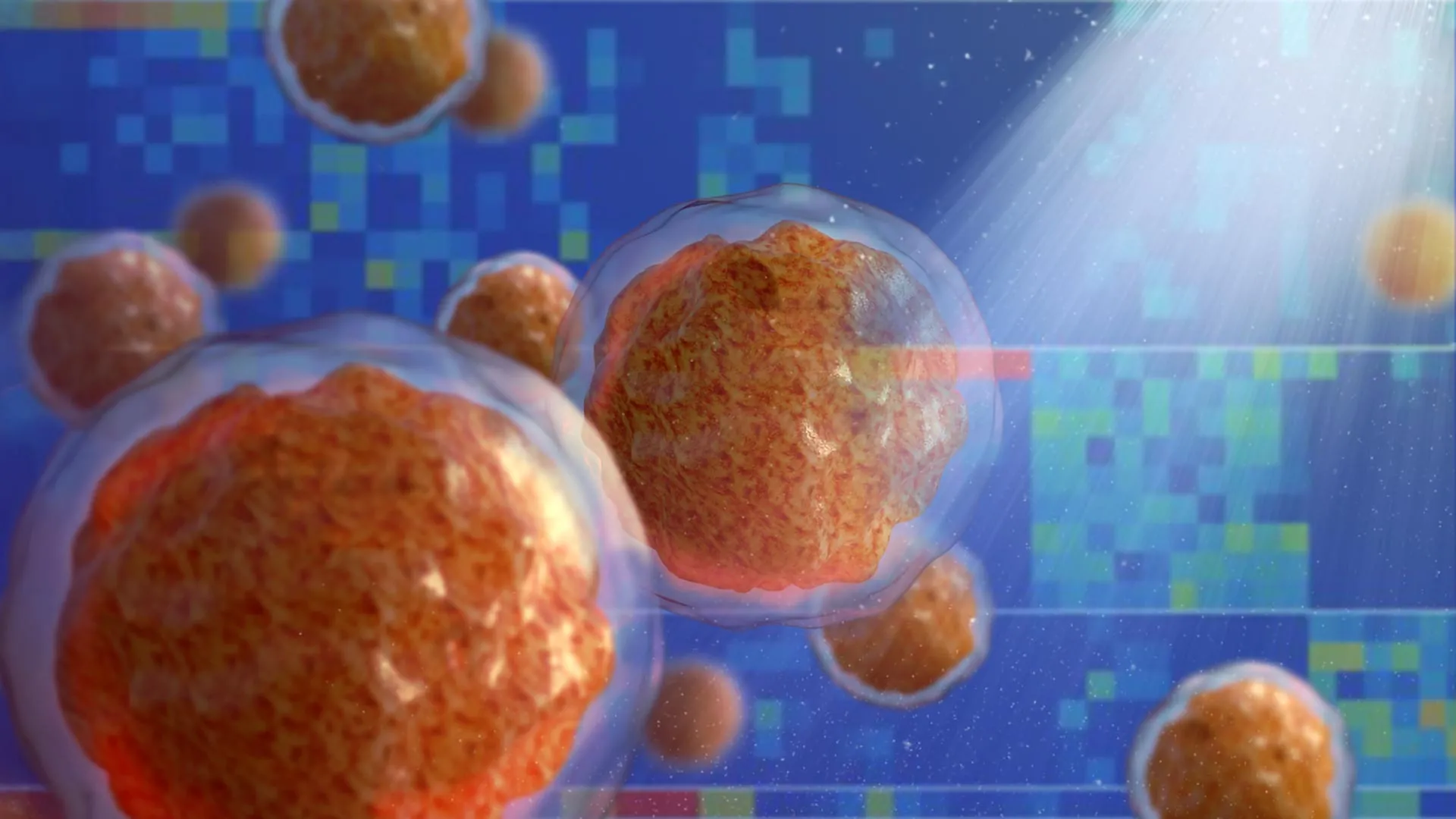
The investigation did not initially set out to study glucose. Dr. Khavari and Dr. Lopez-Pajares were engaged in a broad search for the molecular drivers of cellular differentiation in human skin. Using a combination of mass spectrometry and high-throughput screening, they tracked the fluctuations of thousands of different biomolecules as human skin stem cells transformed into mature keratinocytes—the cells that form the protective outer layer of the skin.
The team hypothesized that molecules showing a significant increase in abundance during this transition would likely be the key regulators of the process. When the data was analyzed, the researchers identified 193 high-interest molecules. While many were known proteins associated with cellular growth, the second-most elevated molecule on the list was glucose.
This result was initially met with skepticism by the research team. In standard biological models, differentiating cells generally divide less rapidly and require less energy as they move toward their final, specialized state. Therefore, glucose levels were expected to drop. The observation that glucose levels actually surged as cells moved from an undifferentiated state to a mature state prompted years of rigorous validation.
Experimental Evidence and the Role of IRF6
To confirm their findings, the Stanford team utilized a variety of advanced biological sensors. They employed fluorescent and radioactive glucose analogs to track the uptake of sugar in real-time. In these experiments, as differentiation progressed, the cells began to glow with increasing intensity, signaling a rise in internal glucose concentrations. This pattern was not limited to skin cells; similar observations were made in developing bone, fat, and white blood cells, suggesting that glucose plays a universal role in tissue development across the human body.
The researchers then sought to determine if the energy produced from glucose was the actual driver. They grew human skin organoids—complex, lab-engineered tissues—in a medium containing a glucose analog that cells can absorb but cannot break down for energy. To their surprise, the skin tissue differentiated perfectly using the non-metabolizable sugar. This proved definitively that the "signaling" role of the glucose molecule is independent of its "fueling" role.
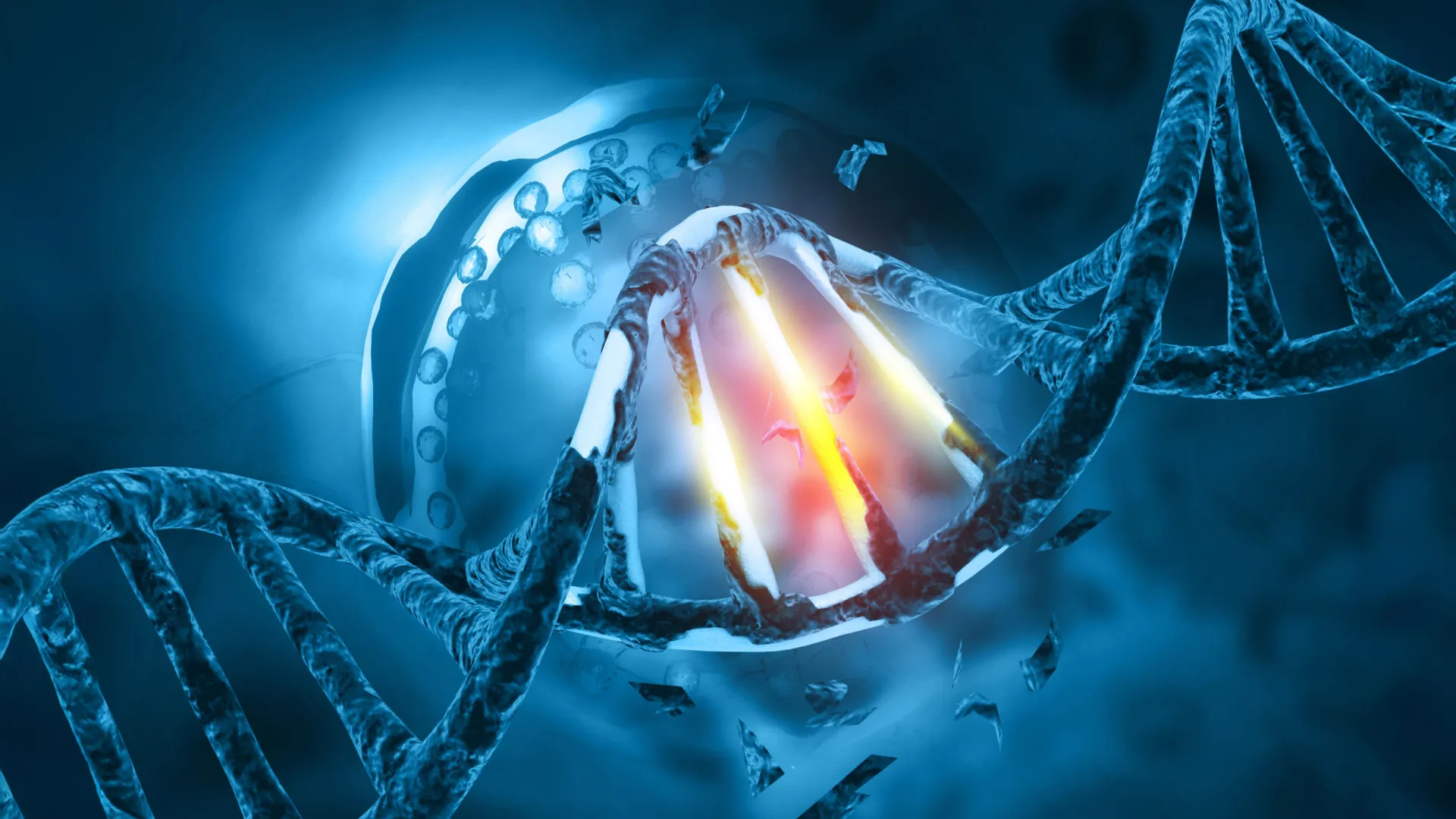
At the molecular level, the study identified a specific protein called IRF6 (Interferon Regulatory Factor 6) as a primary target for glucose binding. IRF6 is a known regulator of skin differentiation. When glucose binds to IRF6, it induces a conformational change—a physical reshaping of the protein—that allows it to influence the expression of over 3,000 genes. This shift acts as a massive "on-switch" for the genetic programs required to build mature tissue.
Implications for Diabetes and Chronic Disease
The revelation that glucose is a master regulator of tissue identity provides a new framework for understanding the systemic complications of diabetes. In patients with diabetes, blood glucose levels are chronically elevated, which can lead to a host of issues, including impaired wound healing and tissue degeneration.
If glucose is a signal for cells to differentiate and stop dividing, then abnormally high levels of glucose may "force" cells to differentiate prematurely or disrupt the delicate balance of stem cell maintenance in the body. This could explain why diabetic patients often struggle with regenerative processes; their stem cells may be receiving conflicting or excessive signals from the high-sugar environment, preventing them from effectively repairing damaged skin or blood vessels.
Glucose and the Cancer Connection
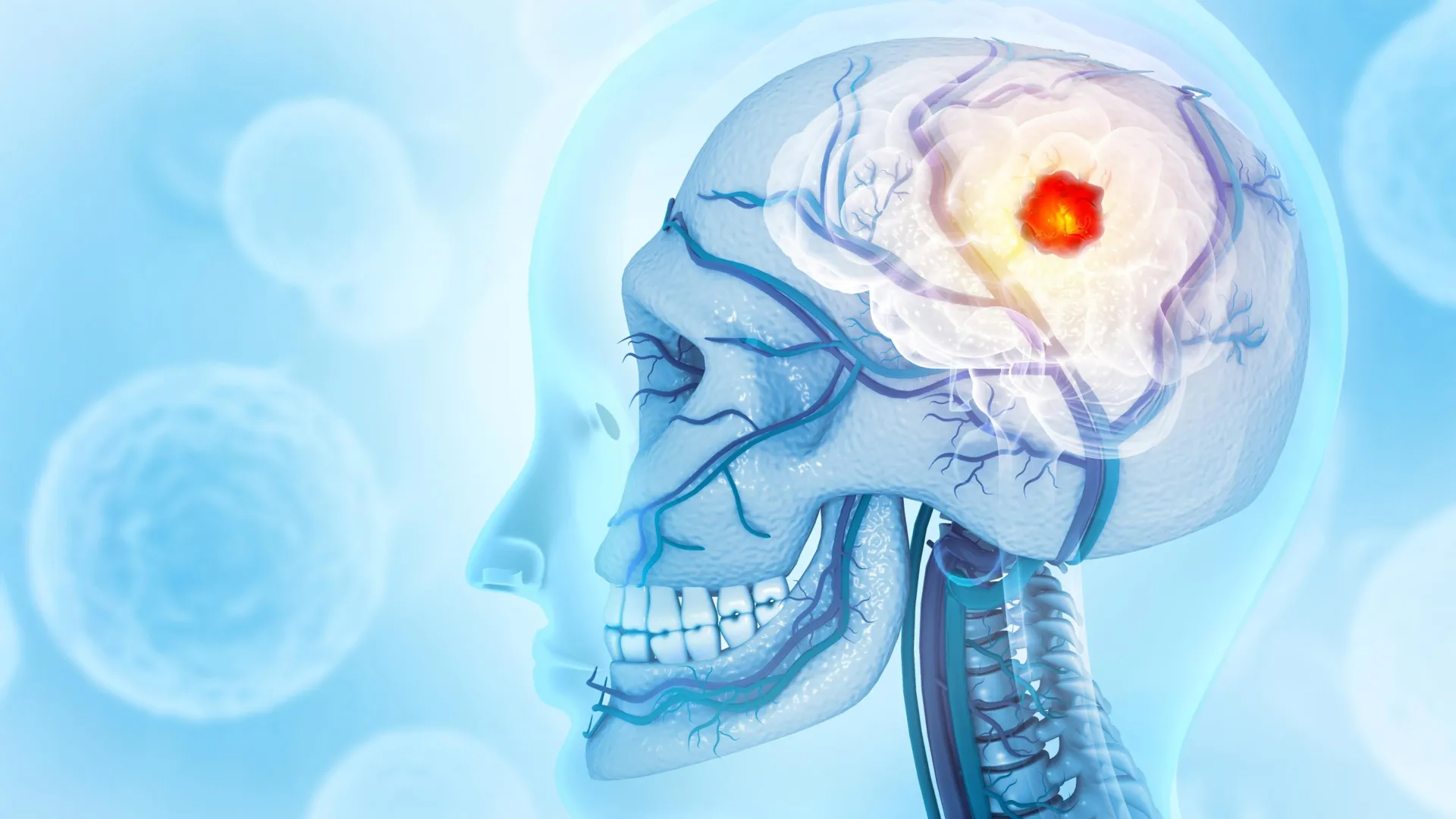
The Stanford study also carries significant implications for oncology. Cancer is often characterized as a disease of "failed differentiation," where cells remain in an immature, rapidly dividing state and refuse to mature into functional tissue. This is particularly evident in aggressive tumors, which consist almost entirely of undifferentiated cells.
Historically, the "Warburg Effect" has described how cancer cells consume massive amounts of glucose to fuel their rapid growth. However, the new research suggests that by manipulating glucose signaling, doctors might be able to force cancer cells to differentiate. If a cancer cell can be signaled to mature into a specialized cell, it would naturally stop its uncontrolled division.
Preclinical and clinical trials have already explored certain glucose analogs as anticancer therapies. While these were originally designed to "starve" the cancer of energy, the Stanford findings suggest their effectiveness may actually stem from their ability to trigger differentiation pathways, effectively "maturing" the cancer out of its malignant state.
Broader Impact on Regenerative Medicine and Synthetic Biology
The discovery of glucose’s role as a broadcast signal opens a new field of study in "metabolic signaling." For decades, the scientific community has focused on complex proteins and nucleic acids as the primary messengers within a cell. This research elevates simple, small biomolecules to a similar level of importance.
In the field of regenerative medicine, these findings could revolutionize how scientists grow replacement organs and tissues in the laboratory. By precisely controlling glucose levels in a growth medium, bioengineers may be able to better direct the maturation of lab-grown skin, heart tissue, or liver cells, ensuring they reach the correct functional state for transplantation.
Dr. Khavari noted that glucose acts like a "fire alarm" in a firehouse. Unlike highly specific signaling pathways that target one or two functions, a rise in glucose levels affects the entire cellular environment simultaneously. This global coordination is essential for the massive structural changes required during tissue formation.
Future Research Directions
Following the publication of these results, the scientific community is expected to look more closely at other common metabolites. If glucose—the most basic of sugars—has such a profound influence on gene expression, it is likely that other molecules like amino acids or lipids may also possess hidden regulatory functions.
The Stanford team plans to continue investigating the specific proteins that glucose interacts with beyond IRF6. With over 3,000 genes affected by glucose levels during skin differentiation, there are likely many other "glucose-sensing" proteins yet to be discovered. Understanding these interactions could lead to the development of new drugs that mimic the signaling effects of glucose without affecting a patient’s overall blood sugar levels, providing a more targeted approach to treating diseases of differentiation.
The study was supported by various grants from the National Institutes of Health and the U.S. Department of Veterans Affairs. As researchers move forward, this work stands as a testament to the fact that even the most well-studied molecules in biology can still hold fundamental secrets, waiting to be uncovered through modern technology and a willingness to question established dogmas.









Leave a Reply