

A recent outbreak of Andes hantavirus aboard the MV Hondius cruise ship, which resulted in the deaths of three passengers and sickened approximately a dozen others, has drawn significant attention from public health officials and scientists worldwide. The incident, which unfolded during a voyage in Antarctic waters before concluding with an evacuation in Tenerife, Spain, on May 10, has become a critical focal point for understanding the transmission dynamics of this potentially lethal virus, particularly the elusive pathways of human-to-human spread.
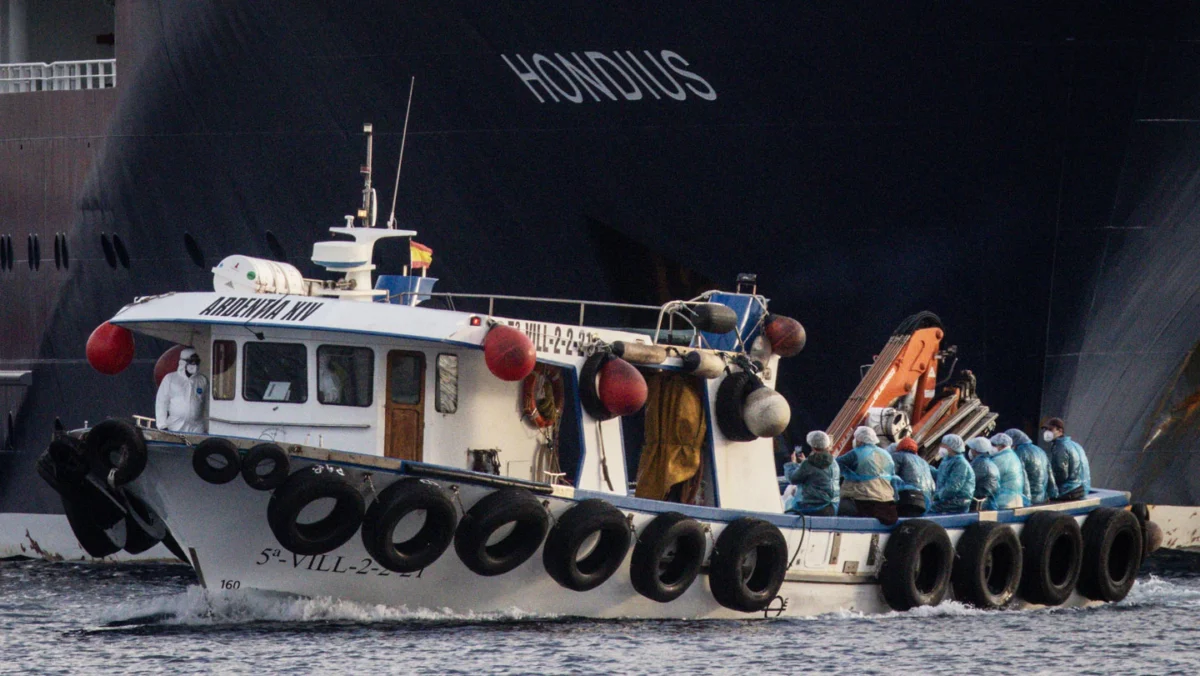
The MV Hondius, an expedition vessel known for its voyages to polar regions, was carrying passengers and crew when the first signs of illness emerged. While the exact timeline of the initial infections remains under investigation, the situation escalated rapidly, prompting concerns about the virus’s potential for contagion within a confined environment. Upon arrival in Tenerife, part of Spain’s Canary Islands, medical authorities swiftly implemented quarantine measures and began evacuating passengers and crew, many of whom were American citizens. The image of individuals in full protective gear tending to those being brought ashore underscored the gravity of the situation and the precautionary measures being taken to prevent further transmission.
Background: The Specter of Hantavirus
Hantaviruses are a group of RNA viruses primarily carried by rodents. While most hantaviruses cause severe respiratory illness, known as hantavirus pulmonary syndrome (HPS), some, like the Andes hantavirus, are also associated with hemorrhagic fever with renal syndrome (HFRS). The Andes hantavirus, predominantly found in South America, is of particular interest to researchers because it is one of the few hantaviruses known to exhibit sustained human-to-human transmission. This characteristic distinguishes it from many other hantaviruses, which are typically transmitted to humans through inhalation of aerosols from infected rodent urine, droppings, or saliva, or through bites from infected rodents.
The typical incubation period for Andes hantavirus is around two weeks, though it can range from a few days to several weeks. Symptoms often begin with flu-like manifestations, including fever, headache, muscle aches, and fatigue. As the illness progresses, it can rapidly develop into severe respiratory distress, characterized by shortness of breath and fluid accumulation in the lungs, a hallmark of HPS. In some cases, especially with Andes hantavirus, complications can include kidney failure and cardiovascular issues. The mortality rate for hantavirus infections can be significant, with estimates varying depending on the specific virus and the availability of medical care, but can range from 5% to over 30% in severe cases.
Chronology of the Outbreak
While precise details of the outbreak’s initial onset are still being pieced together, the events leading to the Tenerife evacuation can be broadly outlined. The MV Hondius embarked on its journey, likely with passengers and crew unaware of any potential viral threat. Somewhere in the vast expanse of Antarctic waters or during transit, exposure to the virus occurred. The enclosed environment of a cruise ship, with close quarters and shared common areas, presents an ideal setting for the rapid spread of infectious agents, particularly if human-to-human transmission is a factor.
As passengers and crew began to exhibit symptoms, the severity of the illness became apparent. The initial flu-like symptoms could have been easily mistaken for common ailments, delaying recognition of a more serious outbreak. However, as more individuals fell ill and the characteristic respiratory distress emerged, the situation escalated to a public health emergency. The ship’s medical staff would have been the first line of defense, working to diagnose and manage the cases, while simultaneously assessing the potential for wider transmission.
The decision to divert the ship and seek medical assistance would have been made as the number of severely ill individuals increased and the risk of further contagion became undeniable. Tenerife, a well-established port with robust medical facilities, became the designated point of disembarkation. On May 10, the evacuation commenced, with passengers and crew, many exhibiting symptoms or identified as close contacts, being met by health professionals equipped with personal protective equipment (PPE). This visual spectacle, broadcast globally, highlighted the immediate concern for containment and public safety.
Supporting Data and Scientific Inquiry
The scientific community is keenly interested in this outbreak for several key reasons, primarily revolving around the potential for human-to-human transmission of Andes hantavirus. Historically, Andes hantavirus has been documented to spread directly from person to person, often through close contact with an infected individual, including through respiratory droplets or potentially through bodily fluids. However, the exact mechanisms and efficiency of this transmission are not fully understood.
"This outbreak on the Hondius is a stark reminder of the ongoing threat posed by hantaviruses," stated Dr. Anya Sharma, an infectious disease specialist not directly involved in the outbreak response but a researcher in viral epidemiology. "The fact that it occurred on a vessel at sea, in a closed population, provides a unique, albeit tragic, opportunity to study transmission patterns that are difficult to observe in broader community settings. Understanding how the virus moved between individuals on the ship will be crucial for developing more effective prevention and control strategies."
Researchers will be meticulously analyzing data from the affected individuals. This will include detailed epidemiological surveys to map the progression of the illness, identify potential exposure points, and trace contacts. Genetic sequencing of the virus from different patients will be paramount to confirm it is indeed Andes hantavirus and to investigate if there were any specific genetic mutations that might have influenced its transmissibility in this instance. Furthermore, serological studies will be conducted on recovered individuals and potentially on close contacts who did not become ill to assess immune responses and identify asymptomatic or subclinical infections.
The close confines of the ship, where ventilation systems and shared amenities could potentially facilitate aerosol transmission, will be a significant factor in the investigation. Scientists will also be examining the possibility of rodent presence on the ship, as this could have been the initial source of infection for the first human cases, followed by human-to-human spread.
Official Responses and Public Health Measures
Upon the ship’s arrival in Tenerife, Spanish health authorities, in coordination with international health organizations, immediately activated their emergency response protocols. The primary objectives were to ensure the medical care of the sick, prevent further spread within the ship and to the local population, and to facilitate the safe quarantine and monitoring of all individuals disembarked.
The World Health Organization (WHO) and the European Centre for Disease Prevention and Control (ECDC) have been monitoring the situation closely, providing guidance and support to Spanish health officials. Public health agencies in the countries of origin of the passengers and crew, particularly the United States, have also been involved in coordinating the care and follow-up of their citizens.
"Our priority is to contain the outbreak and protect public health," a spokesperson for the Spanish Ministry of Health stated in a press release. "All necessary measures are being taken to ensure the safety of our citizens and the international community. This includes rigorous quarantine protocols for all individuals who were on board the MV Hondius."
Those identified as having been in close contact with infected individuals are undergoing a period of quarantine and regular medical surveillance for symptoms. This proactive approach is designed to catch any new cases early, allowing for prompt isolation and treatment, thereby breaking chains of transmission. The success of these containment efforts hinges on the diligence of contact tracing and the cooperation of all individuals involved.
Broader Impact and Implications
The outbreak on the MV Hondius carries significant implications beyond the immediate health crisis. For the scientific community, it offers a rare and valuable case study into the complex transmission dynamics of Andes hantavirus. Understanding how this virus spreads from person to person, especially in a novel environment like a cruise ship, can inform public health strategies for future outbreaks, whether at sea or on land.
The incident also highlights the vulnerability of populations in enclosed settings to infectious diseases. As global travel, including expeditionary voyages to remote areas, becomes more common, the potential for the rapid dissemination of pathogens increases. This underscores the importance of robust health surveillance on all forms of transport and the need for preparedness in managing outbreaks in isolated or mobile populations.
Furthermore, the case may prompt a re-evaluation of biosecurity protocols on cruise ships and other vessels. Enhanced screening of passengers and crew for potential infectious diseases, improved ventilation systems, and stricter hygiene measures could become even more critical in preventing such events.
The human cost of this outbreak is profound, with families grieving the loss of loved ones and survivors facing a long road to recovery. The scientific insights gained from this tragedy, however, could ultimately contribute to saving lives in the future by enhancing our understanding and control of hantaviruses and other emerging infectious threats. The ongoing monitoring and research stemming from the MV Hondius incident will undoubtedly play a vital role in shaping public health responses for years to come.
















Leave a Reply