

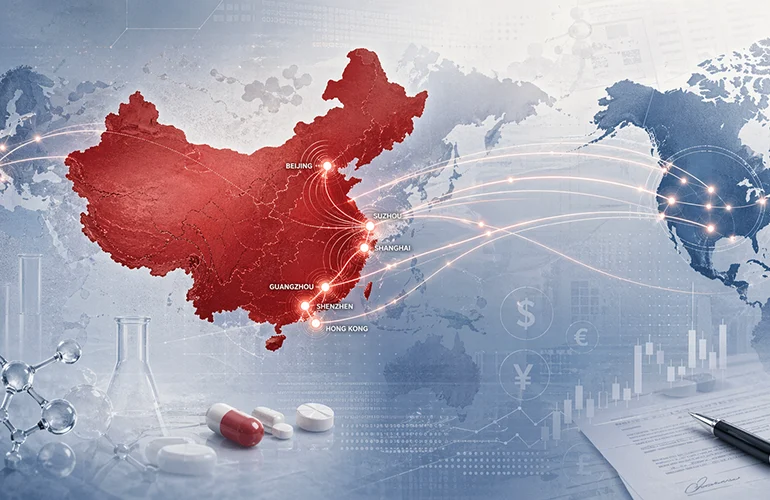
The majority of these high-value collaborations, roughly half, involved firms of U.S. origin, predominantly structured as mergers and acquisitions (M&A). Licensing deals with Chinese-headquartered firms constituted just under 30% of these transactions, while the remaining portion comprised mixed deals involving European companies. This diversified engagement underscores the broad appeal and strategic importance of Chinese biopharmaceutical assets to international players seeking to replenish pipelines, access novel modalities, and tap into new markets.
China’s Ascendant Role in Global Biopharma
For decades, China’s pharmaceutical industry was primarily known for its vast capacity in generic drug manufacturing. However, a concerted national effort, backed by substantial government investment, favorable policies, and a growing pool of scientific talent, has propelled the country into a new era of innovation. Initiatives such as "Made in China 2025" and specific biopharmaceutical development plans have fostered a vibrant ecosystem for drug discovery and development. This strategic pivot has led to an explosion in research and development (R&D) capabilities, particularly in areas like oncology, immunology, and metabolic diseases, which are global priorities for pharmaceutical innovation.
The increasing number of cross-border deals reflects a maturing Chinese biotech sector that is now capable of producing novel, high-quality drug candidates that attract the interest of established global pharmaceutical giants. These partnerships are mutually beneficial: Western companies gain access to innovative assets, potentially at a lower development cost and with faster R&D velocity, while Chinese biotechs secure critical funding, global development expertise, and pathways to international commercialization.
A Chronology of Landmark Deals: 2024-2026
The past 16 months have witnessed a consistent stream of significant deals, illustrating a clear pattern of engagement between Western pharmaceutical powerhouses and their Chinese counterparts.
Late 2024: Merck Leads the Charge
The trend gained significant momentum in December 2024 when U.S. pharmaceutical giant Merck entered into an exclusive global license agreement with Hansoh Pharma, headquartered in Jiangsu Province, China. The deal, valued at up to $2 billion, centered on Hansoh Pharma’s oral obesity candidate, HS-10535. This move underscored Merck’s strategic intent to bolster its pipeline in the highly competitive and lucrative obesity market, leveraging Chinese innovation to do so. The selection of an oral GLP-1 receptor agonist from Hansoh Pharma highlighted the advanced research capabilities within Chinese biotechs in developing next-generation therapeutic modalities.
Building on this successful engagement, Merck returned to China just three months later, in March 2025, for another major asset. This time, the company licensed HRS-5346, a heart drug from Hengrui Pharma, in a separate deal also valued at up to $2 billion. HRS-5346 is an investigational oral lipoprotein(a) inhibitor, targeting cardiovascular disease, an area with significant unmet medical need globally. These back-to-back deals by a top-tier pharmaceutical company like Merck signaled a strong endorsement of the quality and potential of Chinese-developed assets, setting a precedent for other global players.
2025: Expanding Therapeutic Horizons
The pattern of high-value collaborations continued and diversified throughout 2025. In July, Pfizer, another major U.S. pharmaceutical firm, announced a significant licensing agreement with 3SBio. This deal focused on SSGJ-707, a promising cancer candidate, with an upfront payment of $1.25 billion and potential milestone payments reaching up to $4.8 billion. Adding to the strategic investment, Pfizer also planned a $100 million equity investment in 3SBio, further cementing the partnership and indicating a long-term commitment. This transaction highlighted the growing strength of Chinese biotechs in oncology, a therapeutic area where innovation is paramount.
Just a month earlier, in June 2025, British-Swedish multinational AstraZeneca forged an AI-led chronic-disease research pact with CSPC Pharmaceutical Group, based in Hebei Province, China. This forward-looking collaboration was valued at an astounding $5.3 billion, emphasizing the integration of cutting-edge technologies like artificial intelligence into drug discovery and development. The partnership aimed to leverage AI to accelerate the identification and development of novel therapies for chronic diseases, showcasing China’s advancements not only in traditional drug development but also in digital health and computational biology.
Early 2026: Accelerated Momentum
The momentum has only accelerated into 2026, with several blockbuster deals announced in the early months of the year. In January, AbbVie, a U.S. biopharmaceutical company, announced an exclusive licensing agreement for RemeGen’s RC148. This novel bispecific antibody, targeting advanced solid tumors, commanded a potential deal value of up to $5.6 billion. RemeGen, a biopharmaceutical company known for its innovative antibody-drug conjugates (ADCs) and bispecific antibodies, exemplifies the "next-generation modality leadership" that industry experts have noted in China. RC148’s potential to address challenging solid tumors underscores the therapeutic innovation emerging from Chinese labs.
Weeks later, AstraZeneca reaffirmed its commitment to Chinese innovation by returning to CSPC Pharmaceutical Group. This second major deal between the two companies, focused on obesity and weight-related drug candidates, was a staggering $18.5 billion, including an upfront payment of $1.2 billion. This monumental agreement reflects the escalating global demand for effective obesity treatments and AstraZeneca’s confidence in CSPC’s R&D capabilities, further solidifying China’s role in addressing major global health challenges.
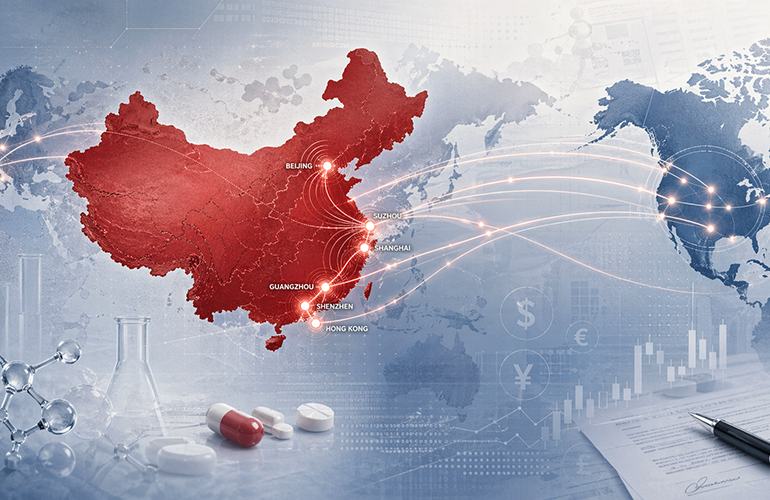
In early March, French pharmaceutical giant Sanofi joined the trend, licensing rovadicitinib from Sino Biopharm’s Chia Tai Tianqing unit for up to $1.53 billion. Rovadicitinib is a blood cancer drug, another testament to the diverse and impactful pipeline offerings from Chinese biotechs across various therapeutic areas.
By late March, Eli Lilly, another major U.S. player, expanded its existing collaboration with Insilico Medicine. While Hong Kong-listed, Insilico Medicine maintains a strong presence and significant R&D operations in Cambridge, Massachusetts, representing a hybrid model of East-West collaboration. This broadened licensing and research pact, valued at up to $2.75 billion, highlights the strategic importance of AI-driven drug discovery platforms, where Insilico Medicine is a recognized leader. The deal further underscores the evolving nature of partnerships, encompassing not just specific assets but also advanced technological platforms.
Driving Forces: Innovation, Efficiency, and Strategic Vision
The sustained surge in these high-value deals is not coincidental but rather the culmination of several interlocking factors:
- Explosive R&D Investment: China has consistently increased its R&D spending in the life sciences sector, both from government and private venture capital. This investment has fueled the growth of numerous biotech startups and established pharmaceutical companies, enabling them to invest heavily in novel drug discovery platforms and clinical development.
- Next-Generation Modality Leadership: As highlighted by Fangning Zhang, a partner at McKinsey, China now "combines next-generation modality leadership and R&D velocity." This refers to Chinese biotechs excelling in developing cutting-edge therapeutic approaches such as antibody-drug conjugates (ADCs), bispecific antibodies, cell therapies (CAR-T), and gene therapies. These complex modalities represent the frontier of modern medicine and are highly sought after by global pharma.
- R&D Velocity and Cost Efficiency: Chinese companies are often able to conduct R&D and clinical trials with remarkable speed and at a lower cost compared to traditional Western counterparts. This efficiency is a significant draw for global partners facing increasing pressure to reduce development timelines and expenditures.
- Maturing Regulatory Environment: China’s National Medical Products Administration (NMPA) has undergone significant reforms in recent years, streamlining drug approval processes and aligning more closely with international standards. This improved regulatory landscape provides greater predictability and accelerates market access, making China a more attractive environment for drug development.
- Access to a Vast Patient Population: China’s enormous patient population offers unique advantages for clinical trials, allowing for faster recruitment and more diverse data sets, which can expedite drug development.
- "Licensing-Out" Strategy: Chinese biotechs are increasingly shifting from purely domestic development to a "licensing-out" strategy, seeking global partners for late-stage clinical development and international commercialization. This approach maximizes the global impact and commercial potential of their innovative assets.
Broader Market Trends and Implications
The implications of this trend extend beyond individual deals, reshaping the global biopharmaceutical landscape:
China Surpasses the U.S. in Drug Debuts: According to Citeline’s Pharmaprojects database, a pivotal moment occurred in 2025 when more drugs made their market debut in China than anywhere else in the world. This marked the first time any country had overtaken the U.S. on this critical metric (page 84 of Citeline’s R&D report). This achievement is a strong indicator of China’s accelerated R&D velocity and its growing capacity to translate scientific discoveries into approved medicines. It signals a paradigm shift where China is not just a market for drugs, but a primary source of new therapies.
Asia as Biopharma’s Emerging Epicenter: Fangning Zhang’s observation that Asia is "biopharma’s emerging epicenter" is increasingly validated by these market dynamics. The region, driven primarily by China, is becoming a magnet for investment, talent, and R&D activities, challenging the traditional dominance of North America and Europe.
Increased Competition and Collaboration: The rise of Chinese biotechs intensifies competition for novel assets globally. However, it also fosters a new era of collaboration, where Western firms are actively seeking partnerships to leverage China’s innovation ecosystem. This dynamic could lead to faster drug development, more diverse therapeutic options, and ultimately, improved patient outcomes worldwide.
Investment Outlook: Tom Barsha, head of Asia Pacific M&A at BofA Securities, predicts that the total value of China’s licensing-out deals will double again over the next 18 to 24 months. This forecast underscores the robust investor confidence in the sustained growth and innovation within the Chinese biopharma sector. It suggests a continued influx of capital and a proliferation of high-value partnerships, further solidifying China’s position as a global biopharmaceutical powerhouse.
Strategic Considerations for Global Pharma: For multinational pharmaceutical companies, engaging with Chinese biotechs is no longer an option but a strategic imperative. It offers opportunities to access cutting-edge science, diversify pipelines, and potentially reduce R&D costs and timelines. However, it also necessitates navigating complex regulatory environments, intellectual property considerations, and geopolitical dynamics. The focus on specific therapeutic areas, such as oncology, obesity, and cardiovascular disease, reflects global unmet needs and the strategic alignment of Chinese R&D with these critical areas.
Looking Ahead: The Future of China’s Biopharma Influence
The sustained trend of significant cross-border biopharma deals involving Chinese firms signals a long-term transformation of the industry. China’s ascent is driven by deep scientific talent, substantial financial backing, and a clear strategic vision to become a global leader in biomedical innovation. As Chinese biotechs continue to mature, develop more proprietary assets, and expand their global footprint, their influence on drug discovery, development, and commercialization will only grow. The next few years are poised to reveal further shifts in this dynamic landscape, as Asia, with China at its forefront, solidifies its role as a pivotal hub for biopharmaceutical advancement and a crucial partner for global health innovation.











Leave a Reply