

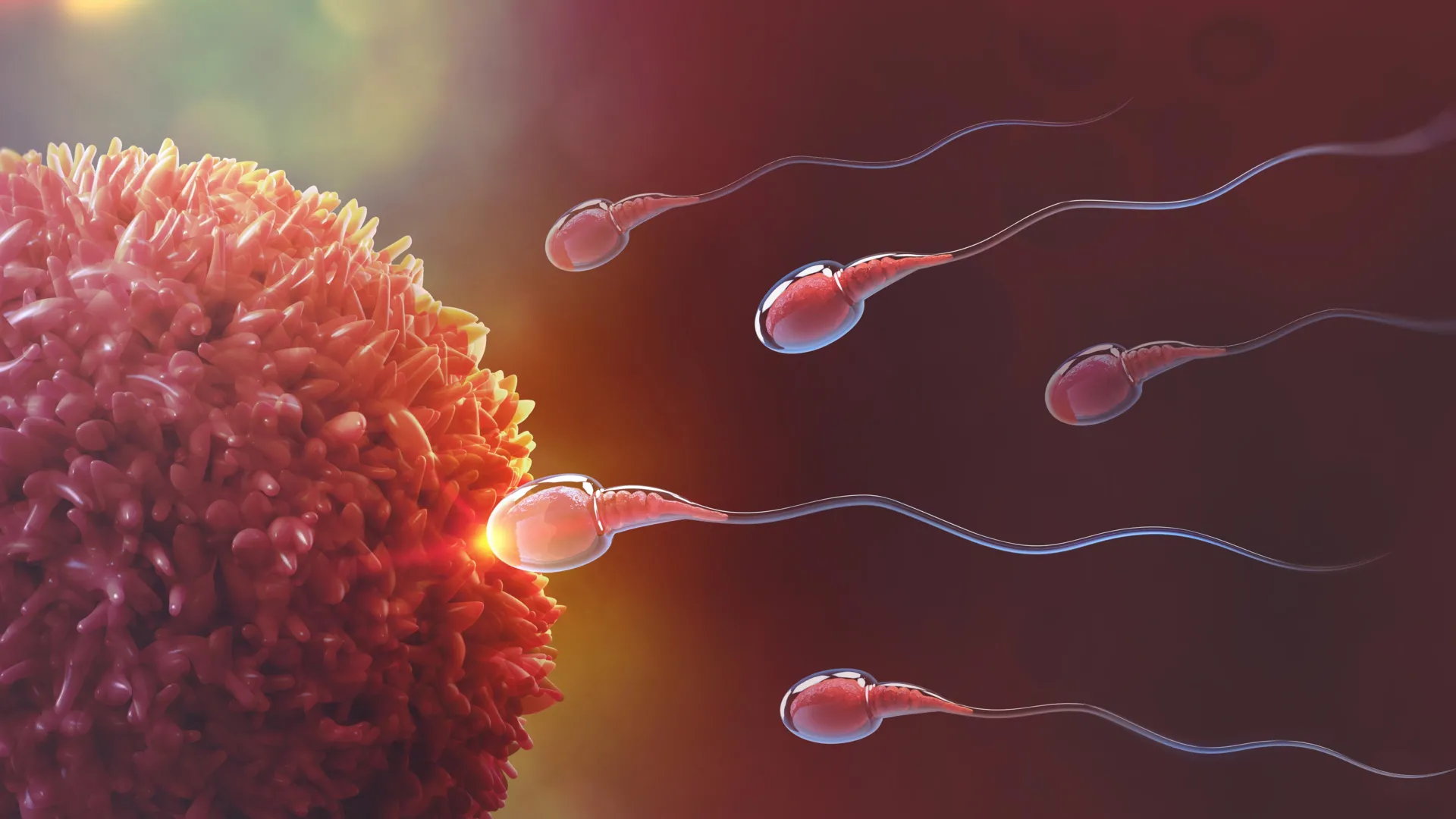
The pursuit of a reliable, reversible, and nonhormonal male contraceptive has long been described by the medical community as the "holy grail" of reproductive science. For decades, the burden of pregnancy prevention has fallen disproportionately on women, as male options have remained stagnated for nearly a century, limited primarily to barrier methods like condoms or permanent surgical interventions like vasectomies. However, a landmark proof-of-principle study led by scientists at Cornell University has signaled a paradigm shift in this field. By targeting the fundamental biological process of meiosis, researchers have successfully demonstrated a method to temporarily and safely halt sperm production in animal models, offering a glimpse into a future where reproductive responsibility is more equitably shared.
Published in the Proceedings of the National Academy of Sciences, the six-year study details how interrupting a specific stage of sperm development can render a male temporarily infertile without causing permanent damage to the reproductive system or affecting the health of future offspring. This breakthrough centers on the use of a small molecule inhibitor known as JQ1, which targets the epigenetic readers required for the progression of meiosis. While the current molecule is a research tool rather than a final product, its success provides the first definitive evidence that targeting the meiotic phase of sperm production is a viable pathway for human contraception.
The Biological Mechanism: Why Targeting Meiosis Matters
To understand the significance of the Cornell study, one must first look at the complexity of spermatogenesis—the process by which the male body produces sperm. This process begins with spermatogonial stem cells, which undergo mitosis to create a pool of precursor cells. These cells then enter meiosis, a specialized form of cell division that reduces the chromosome count by half, eventually leading to the creation of mature spermatozoa.
Dr. Paula Cohen, a professor of genetics and director of the Cornell Reproductive Sciences Center, noted that the timing of the intervention is critical. Many previous attempts at male contraception focused on either the very beginning or the very end of this cycle. Targeting stem cells carries the significant risk of permanent infertility; if the stem cell reservoir is depleted or damaged, the body loses its ability to ever produce sperm again. Conversely, targeting the final stage of sperm maturation, known as spermiogenesis, often proves inefficient because "leaky" sperm—cells that escape the treatment—can still result in unintended pregnancies.
The Cornell team focused on the middle ground: Prophase 1 of meiosis. By interrupting the process at this stage, the researchers ensured that the cells destined to become sperm were effectively "recycled" by the body before they could mature. Because the underlying stem cells remain untouched, the biological machinery for sperm production remains intact, allowing fertility to return once the intervention is ceased.
The Role of JQ1 and Proof-of-Concept Success
The catalyst for this discovery was JQ1, a molecule originally developed to inhibit the BET (bromodomain and extra-terminal) family of proteins, which are often implicated in cancer and inflammatory diseases. In the context of male fertility, JQ1 interferes with a protein called BRDT, which is essential for the reorganization of chromatin during meiosis.
During the study, male mice were administered JQ1 over a period of three weeks. The results were definitive: sperm production stopped entirely. Microscopic analysis of the testicular tissue revealed that the cells were halting during Prophase 1, exactly as the researchers had hypothesized. The disruption of chromosome behavior during this stage triggered a natural biological checkpoint that prevented the cells from progressing further.
Crucially, the study addressed the two most significant hurdles in contraceptive research: reversibility and safety. After the three-week administration of JQ1 ended, the researchers monitored the mice for recovery. Within approximately six weeks—the time required for a full cycle of spermatogenesis in mice—normal meiotic processes resumed. The mice regained full fertility and were bred with female counterparts. The resulting offspring were monitored for developmental defects, and the data confirmed they were completely healthy and capable of reproducing themselves, proving that the temporary interruption of meiosis did not introduce genetic instability.
A History of Limited Options and Failed Attempts
The demand for a new male contraceptive is underscored by a century of stagnation. Since the development of the birth control pill for women in the 1960s, reproductive health has seen massive innovation for female users, including IUDs, hormonal implants, and injectable options. For men, however, the landscape has remained virtually unchanged.
Condoms, while effective at preventing sexually transmitted infections, have a "typical use" failure rate of approximately 13% for pregnancy prevention. Vasectomies, though nearly 100% effective, require surgery and are intended to be permanent. While vasectomy reversal is possible, it is expensive, not always covered by insurance, and does not guarantee the restoration of fertility, leading many men in their prime reproductive years to avoid the procedure.
Previous efforts to develop a "male pill" have largely focused on hormonal approaches, similar to the female pill. These treatments typically use testosterone or progestins to signal the brain to stop producing the hormones that trigger sperm production. However, these trials have frequently been plagued by side effects, including mood swings, acne, and changes in libido. In some cases, safety concerns regarding the long-term impact on cardiovascular health led to the premature termination of clinical trials. The Cornell team’s nonhormonal approach bypasses these endocrine-related side effects entirely, offering a cleaner safety profile that may be more palatable to both regulatory agencies and potential users.
Chronology of the Cornell Research and Future Development
The journey to this discovery was not immediate. The Cornell study was the culmination of six years of rigorous laboratory work, moving through several distinct phases:
- Identification of the Target (Years 1-2): The team mapped the specific proteins involved in Prophase 1 of meiosis, identifying BRDT as a high-priority target due to its localized expression in the testes.
- In Vitro Testing (Year 3): Researchers used cell cultures to determine if JQ1 could successfully inhibit the target proteins without causing immediate cellular toxicity.
- Animal Model Implementation (Years 4-5): The team transitioned to mouse models, establishing the dosage and duration required to achieve complete azoospermia (the absence of sperm).
- Recovery and Offspring Monitoring (Year 6): The final phase involved halting the treatment and observing the long-term health of the subjects and their subsequent generations.
While JQ1 has proven the concept, Dr. Cohen and her colleagues are quick to point out that JQ1 itself is not the final drug. The molecule can cross the blood-brain barrier, leading to neurological side effects that would be unacceptable in a healthy population. The next stage of research involves developing a "son of JQ1"—a refined molecule that is specifically engineered to target only the proteins in the testes, avoiding the brain and other sensitive tissues.
Socioeconomic and Global Implications
The development of a long-acting, reversible male contraceptive could have profound implications for global public health. According to data from the Guttmacher Institute, nearly half of all pregnancies worldwide are unintended. Increasing the number of effective contraceptive options for men could significantly reduce these numbers, lowering the rates of maternal mortality and the economic strain on families in developing nations.
Furthermore, there is a growing cultural shift regarding reproductive autonomy. Surveys indicate that a significant majority of men are willing to use a new contraceptive if one were available. Sociologists suggest that providing men with a reliable, non-permanent option would allow for more collaborative family planning.
"We are seeing a shift in how society views reproductive responsibility," said a reproductive health analyst. "For too long, the physical and hormonal burden has been on the female partner. A three-month injection or a patch for men would not only provide a safety net but would fundamentally change the conversation around consent and planning."
The Path to Clinical Trials and Market Availability
Despite the success of the Cornell study, a commercially available product is still several years away. The transition from mouse models to human clinical trials involves a rigorous regulatory process.
- Phase I: Will involve testing the refined molecule in a small group of human volunteers to ensure safety and determine the correct dosage.
- Phase II: Will expand the group to assess the effectiveness of the drug in suppressing sperm counts to levels that prevent pregnancy.
- Phase III: Will involve large-scale trials across diverse populations to confirm efficacy and monitor for rare side effects.
Dr. Cohen envisions the final product as a highly convenient delivery system. "If developed for human use, this could be an injection given every three months, or perhaps even a wearable patch," she suggested. Such a delivery method would ensure high compliance, as it removes the need for a daily pill, which is a common point of failure in female oral contraceptives.
Analysis of Potential Challenges
While the scientific community has reacted with cautious optimism, challenges remain. Pharmaceutical companies have historically been hesitant to invest in male contraception due to the perceived high bar for safety. Unlike drugs intended to treat a disease, a contraceptive is given to healthy individuals, meaning the tolerance for side effects is extremely low.
Additionally, the biological timeline of sperm production in humans is longer than in mice. While mice recover fertility in six weeks, the human cycle of spermatogenesis takes approximately 74 days. This means that a human version of the drug would require a longer lead time to become effective and a longer period to wear off, necessitating precise communication with users regarding when they are protected.
Nevertheless, the Cornell study stands as a definitive breakthrough. By proving that meiosis can be safely paused and restarted, the team has provided the roadmap for a new era in reproductive medicine. As the research moves into the next phase of drug refinement, the "holy grail" of male contraception has never been closer to reality.
















Leave a Reply