In a comprehensive analytical study that addresses one of the most persistent challenges in mechanical engineering and environmental science, researchers at the Federal University of Technology Owerri (FUTO) in Nigeria have unveiled findings that could transform the operational profile of diesel engines worldwide. The research team, led by Dr. Chukwuemeka Fortunatus Nnadozie, has identified Water-in-Diesel Emulsion (WiDE) technology as a high-potential strategy for drastically reducing the environmental footprint of compression-ignition engines without sacrificing the mechanical performance that makes them indispensable to modern industry. By synthesizing decades of global data alongside new experimental insights, the FUTO study suggests that the strategic introduction of water into the combustion cycle serves as a dual-purpose catalyst for both emission control and fuel efficiency.
The Global Imperative for Cleaner Diesel Technology
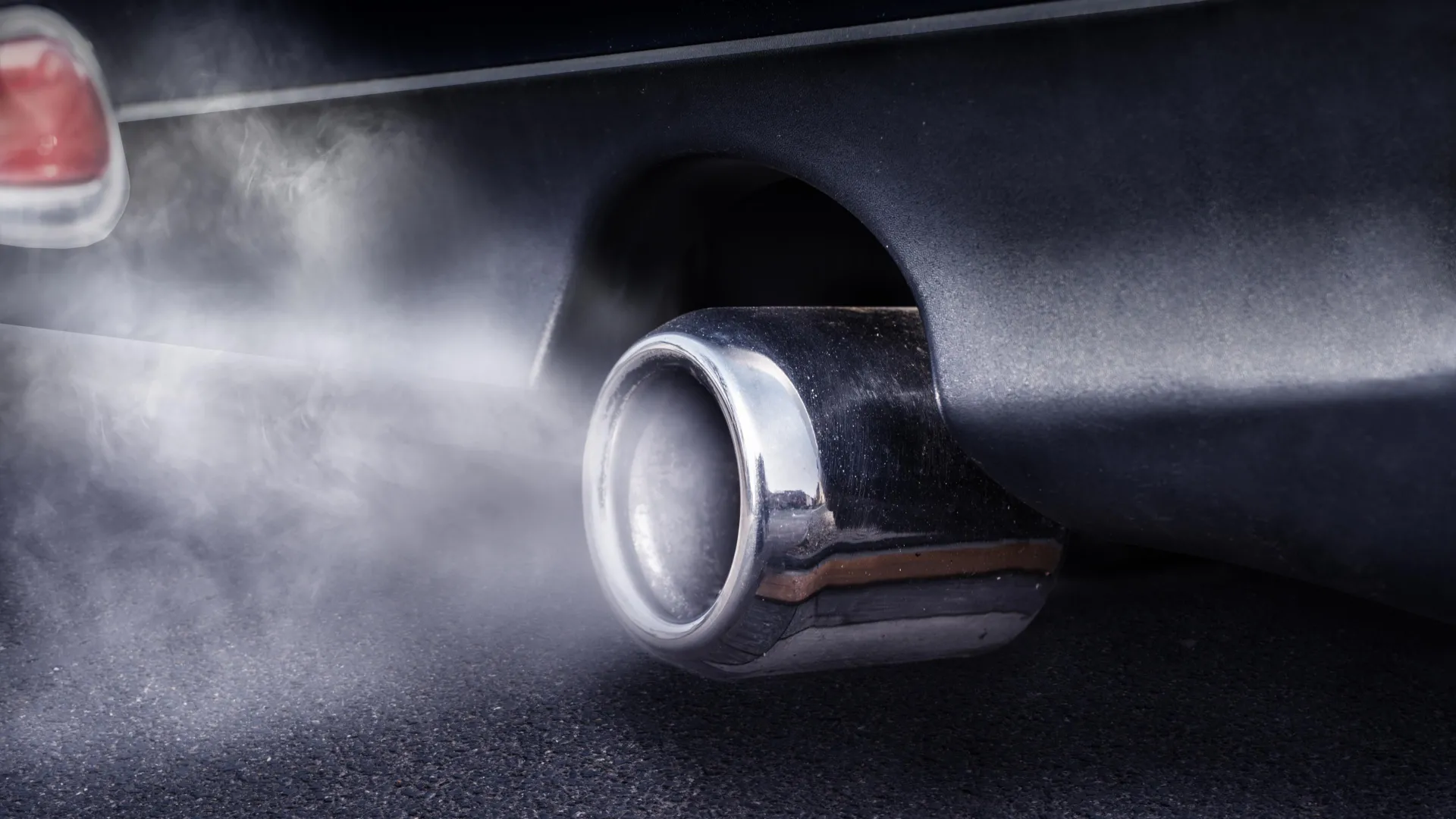
Diesel engines have long served as the backbone of the global economy. Their high thermal efficiency, durability, and superior torque make them the preferred choice for heavy-duty transportation, maritime shipping, agricultural machinery, and decentralized industrial power generation. However, this reliability comes at a significant environmental cost. Diesel combustion is a primary source of nitrogen oxides (NOx) and particulate matter (PM), including soot and black carbon. These pollutants are not only primary drivers of atmospheric smog and acid rain but are also directly linked to chronic respiratory diseases, cardiovascular issues, and premature mortality in urban centers.
Current mitigation strategies, such as Selective Catalytic Reduction (SCR) and Diesel Particulate Filters (DPF), have proven effective but remain prohibitively expensive for many operators, particularly in developing economies. These "after-treatment" systems increase the complexity of engine maintenance, require secondary fluids like urea, and can often lead to a "fuel penalty," where the engine must work harder to push exhaust through restrictive filters. The FUTO research highlights WiDE as a "front-end" solution—one that prevents the formation of pollutants during the combustion process itself, rather than attempting to capture them at the tailpipe.
The Science of Micro-Explosions and Combustion Dynamics
The core of the WiDE innovation lies in the physics of how fuel atomizes within the combustion chamber. Under standard conditions, diesel fuel is injected into the cylinder as a spray of droplets. If these droplets are too large, they do not burn completely, leading to the formation of soot. Furthermore, the high temperatures required for diesel combustion naturally facilitate the reaction between nitrogen and oxygen in the air, creating NOx.
WiDE technology alters this dynamic by creating a "water-in-oil" emulsion, where microscopic water droplets are suspended within a continuous phase of diesel fuel. When this mixture is injected into the high-temperature environment of the engine cylinder, the water droplets—which have a lower boiling point than diesel—reach their evaporation threshold first. This causes the water to flash-boil into vapor almost instantaneously.
This rapid phase change triggers a phenomenon known as a "micro-explosion." The expanding steam violently shatters the surrounding diesel droplet into much smaller fragments. This secondary atomization significantly increases the surface area of the fuel, allowing it to mix more thoroughly with oxygen. The presence of water also acts as a thermal sink; as the water evaporates, it absorbs latent heat, effectively lowering the peak combustion temperature. This temperature reduction is the critical factor in suppressing the formation of NOx, which is highly sensitive to heat.
Analytical Findings: A Significant Leap in Emission Reduction
The FUTO research team conducted an exhaustive review of experimental data to quantify the impact of WiDE across various engine loads and configurations. The results indicate a transformative reduction in the most harmful diesel byproducts. According to the analysis, nitrogen oxide emissions were observed to drop by as much as 67 percent compared to standard ultra-low sulfur diesel. Simultaneously, particulate matter emissions—the visible black smoke often associated with heavy trucks—declined by up to 68 percent.
Beyond the environmental metrics, the researchers analyzed the impact on Brake Thermal Efficiency (BTE). While critics of water-injection technologies have historically feared a loss of power, the FUTO study found that many experiments actually reported improvements in BTE. The enhanced mixing caused by micro-explosions ensures that a higher percentage of the fuel is converted into mechanical energy rather than wasted as unburnt hydrocarbons or heat. This suggests that WiDE could provide a rare "win-win" scenario in engineering: a technology that reduces operating costs through fuel savings while meeting increasingly stringent environmental regulations.
The Critical Role of Surfactants and Fuel Stability
One of the primary hurdles to the commercial adoption of water-blended fuels has been the natural tendency of oil and water to separate. In an automotive context, fuel separation could lead to engine stalling, corrosion of fuel injectors, and inconsistent power delivery. The FUTO study places a heavy emphasis on the chemical engineering required to solve this problem, specifically the use of surfactants.
Surfactants, or surface-active agents, are molecules that reduce the tension between the water and diesel phases. The research team found that the stability of the emulsion is heavily dependent on the Hydrophilic-Lipophilic Balance (HLB) of the surfactants used. By employing a blend of multiple surfactants, researchers were able to create emulsions that remained stable for up to sixty days. This window of stability is crucial for the practical logistics of fuel storage and distribution, ensuring that the fuel remains a homogenous mixture from the refinery to the fuel tank.
"The chemistry of the blend is just as important as the mechanics of the engine," noted the study. The researchers identified that the correct concentration of surfactants not only prevents separation but also influences the intensity of the micro-explosions, further optimizing the combustion process.
A Chronology of Emulsion Research and Development
The concept of adding water to fuel is not entirely new, but the FUTO study represents a modern culmination of several decades of evolving research:
- 1970s-1980s: Initial interest in fuel emulsions peaked during global oil crises as researchers sought ways to stretch fuel supplies. However, early attempts were plagued by engine corrosion and poor stability.
- 1990s: The introduction of the Clean Air Act and similar global mandates shifted the focus to emission reduction. Research began to focus on "fumigation" (spraying water into the intake manifold), though this was less efficient than direct emulsion.
- 2000s-2010s: Advances in nanotechnology and chemical surfactants allowed for the creation of "nano-emulsions," which offered much higher stability and more predictable combustion characteristics.
- Present Day: The FUTO study situates WiDE within the current "Green Transition," arguing that while electric vehicles are the long-term goal, the existing global fleet of millions of diesel engines requires an immediate, retrofittable solution to meet 2030 and 2050 climate targets.
Perspectives from the Research Leadership
Dr. Chukwuemeka Fortunatus Nnadozie, the lead author of the study, emphasized the practical accessibility of the technology. "Water-in-diesel emulsions are a practical and cost-effective way to make diesel engines cleaner," Dr. Nnadozie stated. "Because the technology does not require redesigning the engine, it offers an immediate path toward lower emissions in developing and developed countries alike. It effectively turns every existing diesel engine into a cleaner version of itself without requiring the owner to purchase a new vehicle or install expensive hardware."
Professor Emeka Emmanuel Oguzie, a co-author of the study and a prominent figure in African environmental research, framed the technology as a strategic bridge. "This technology can bridge the gap between conventional diesel use and a cleaner energy future," Professor Oguzie said. "With proper formulation and testing, it could become an important part of sustainable transportation and industrial power systems."
The researchers argue that for nations in Sub-Saharan Africa and Southeast Asia, where the transition to full electrification of heavy transport may take decades due to infrastructure constraints, WiDE represents a "leapfrog" technology. It allows these regions to achieve Euro VI-level emissions standards using their current mechanical assets.
Broader Implications and the Path to Commercialization
The implications of the FUTO study extend into various sectors of the global economy. In the maritime industry, which is under intense pressure from the International Maritime Organization (IMO) to reduce sulfur and nitrogen emissions, WiDE could offer a lower-cost alternative to LNG conversions or expensive "scrubbers." In agriculture, cleaner-burning tractors would reduce the localized pollution that affects both crop health and the well-being of farmworkers.
However, the researchers acknowledge that challenges remain. While 60 days of stability is a significant achievement, the long-term effects of water vapor on engine components—such as potential corrosion of cylinder walls or valves—require multi-year longitudinal studies. There is also the matter of "scaling up" the production of specialized surfactants to keep the fuel affordable at the pump.
The FUTO team suggests that the next phase of research should involve "tri-fuel" blends, combining diesel, water, and biodiesel. Biodiesel, derived from organic fats and oils, is carbon-neutral but often produces higher NOx emissions than petroleum diesel. By using the water-emulsion technique on biodiesel, engineers could potentially create a fuel that is both carbon-neutral and low in NOx, effectively solving the "biodiesel NOx paradox."
As global policy continues to tighten around air quality and carbon footprints, the work coming out of the Federal University of Technology Owerri provides a rigorous, data-backed roadmap for a transition period. By optimizing a century-old engine design through modern chemical engineering, the researchers have identified a viable pathway to sustain industrial productivity while safeguarding public health and the environment.