

In the intricate dance of plant life, a critical early stage exists where survival hinges not on sunlight, but on stored energy reserves. This brief but vital period, occurring after a seed germinates but before photosynthesis can commence, relies entirely on the breakdown of fatty acids. Facilitating this process are peroxisomes, specialized membrane-bound organelles that, remarkably, are also found in human cells. Their relatively large size and visibility in certain plant models, such as Arabidopsis, have positioned these cellular compartments as invaluable subjects for understanding fundamental biological mechanisms, with recent research from Rice University shedding new light on their dynamic growth control.
The research, published in the prestigious journal Nature Communications, delves into the role of a protein named PEX11, which has long been recognized for its involvement in peroxisome division. The team, led by Bonnie Bartel, the Ralph and Dorothy Looney Professor of Biosciences at Rice, has now demonstrated that PEX11 is not only a key player in peroxisome proliferation but also a crucial regulator of their expansion and contraction during the crucial seed-to-seedling transition. This discovery carries significant implications, extending beyond plant biology to potentially illuminate processes in human health and bioengineering.
The Seedling’s Energy Crisis: A Peroxisome’s Peak Performance
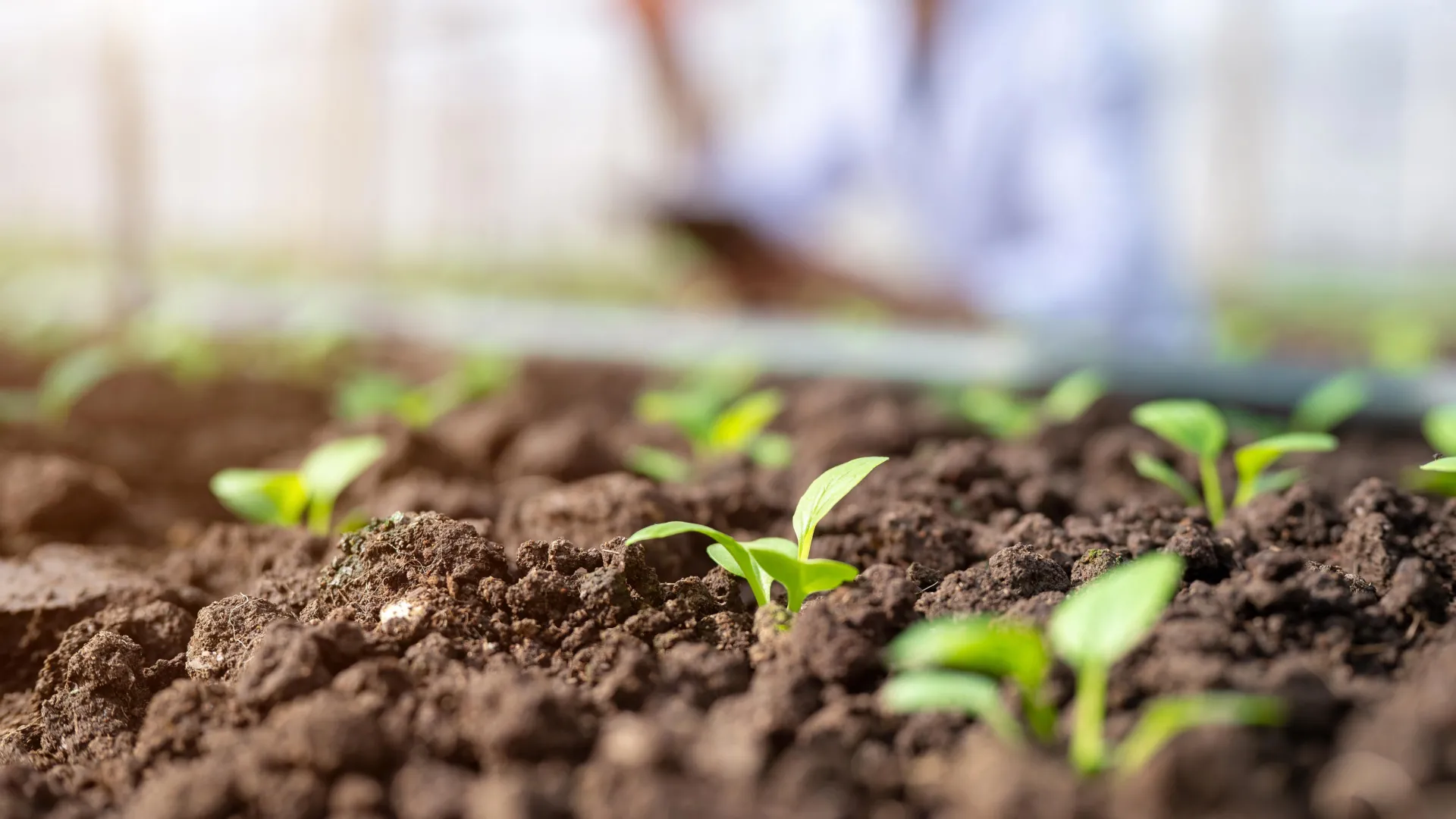
Plants, for the majority of their existence, are photosynthetic powerhouses, converting light energy into sustenance. However, the initial hours and days following germination present a unique challenge. The nascent seedling has not yet developed functional chloroplasts capable of photosynthesis. During this vulnerable phase, its sole energy source is derived from the lipid reserves stored within the seed.
"The plant we use, Arabidopsis, has large cells and peroxisomes so large that we can see inside them with a light microscope," explained Professor Bartel. "The peroxisome gets even larger during the seed to seedling stage, when the plant is relying on fatty acids for energy, before shrinking back down to its normal size once the plant can photosynthesize." This dramatic increase in peroxisome size is directly correlated with the heightened metabolic demand of mobilizing stored fatty acids. Peroxisomes are the primary sites for the beta-oxidation of fatty acids, a metabolic pathway that breaks down fatty acids into smaller molecules that can then be fed into the cellular respiration cycle to generate ATP, the cell’s energy currency.
Unraveling the PEX11 Enigma: From Division to Dynamic Growth
For decades, scientists have understood that peroxisomes can divide, increasing their numbers as needed by the cell. The PEX11 protein family has been a focal point in this understanding, with evidence suggesting its role in initiating peroxisome fission. However, the extent of PEX11’s involvement in the dynamic changes of peroxisome size—specifically their expansion—remained less clear until this recent investigation.
Nathan Tharp, the first author of the study and a graduate student in Bartel’s lab, highlighted the challenges inherent in studying peroxisomes. "Peroxisomes are implicated in some human diseases and used in bioengineering," Tharp stated. "They can, however, be rather tricky to study." This difficulty is amplified when investigating the function of proteins like PEX11, which, in Arabidopsis, is encoded by not one, but five distinct genes.
Navigating Genetic Complexity: The Power of Precision Gene Editing
The conventional approach to understanding a protein’s function involves genetically disabling the gene responsible for its production and observing the resulting phenotype. For PEX11, this proved to be a formidable obstacle. "Disrupting just one of them had little effect, but removing all five caused the plant to die," Tharp elaborated. This extreme sensitivity meant that completely knocking out all PEX11 genes resulted in a lethal phenotype, preventing researchers from isolating the specific roles of the protein in peroxisome growth and regulation.
To circumvent this genetic hurdle, Tharp employed cutting-edge CRISPR-Cas9 gene editing technology. This advanced technique allowed for unprecedented precision in targeting and disabling specific combinations of the five PEX11 genes. "I was able to use recent advances in CRISPR to go in and break specific combinations of the five genes," Tharp said. "It was only then that we were able to see that PEX11 is clearly involved in controlling the growth of the peroxisome during the seed to seedling stage."
Engineering Giant Peroxisomes: A Window into Growth Regulation
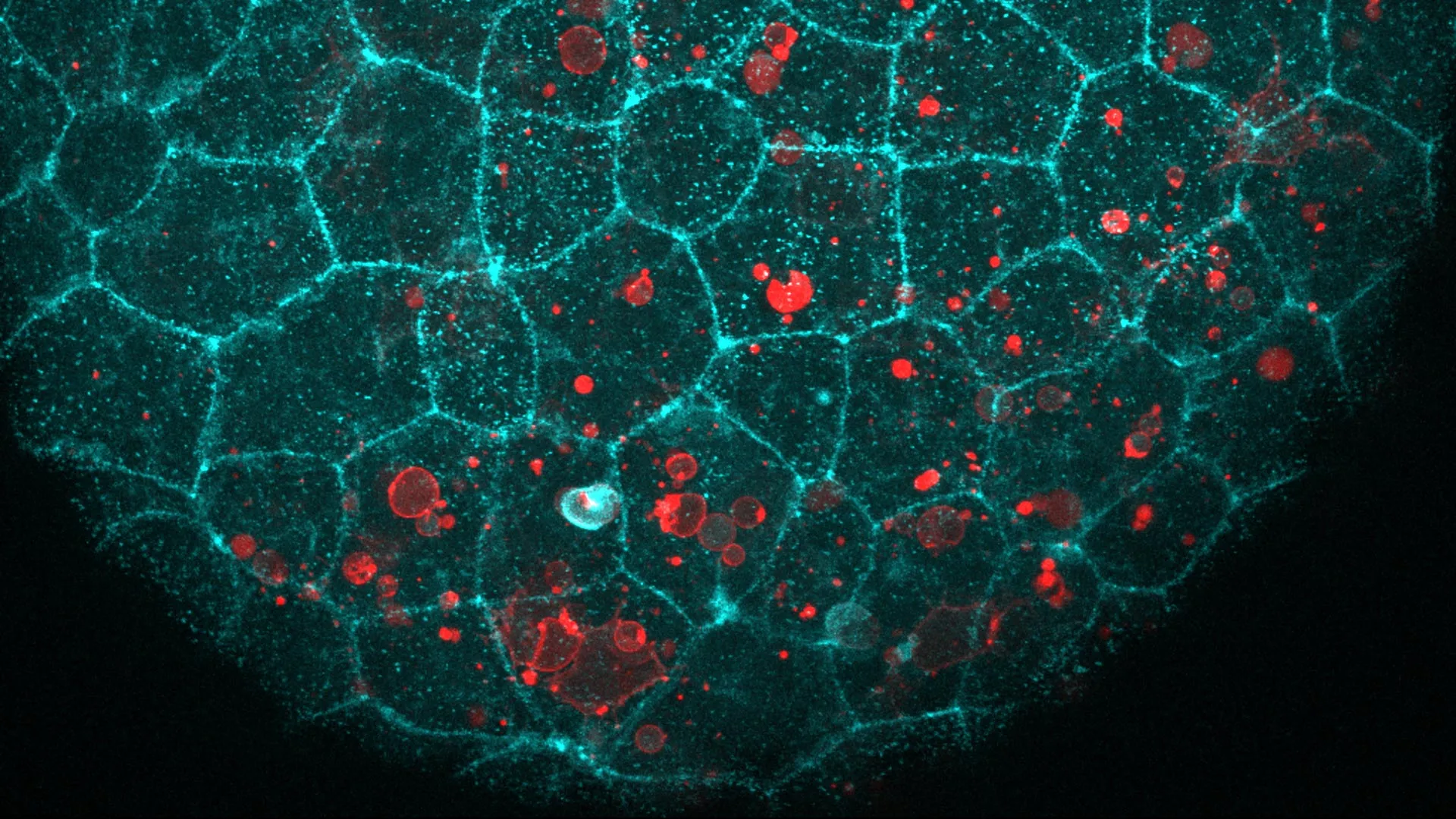
The strategic application of CRISPR technology enabled the creation of mutant Arabidopsis plants with specific PEX11 gene deficiencies. Two types of mutant plants were engineered, each lacking a particular subset of the PEX11 genes. As anticipated, the peroxisomes in these mutants did expand during the critical seed-to-seedling transition, reflecting the plant’s reliance on fatty acid metabolism. However, a striking observation emerged: instead of returning to their normal, smaller size, some of these peroxisomes continued to grow unchecked, reaching sizes far exceeding typical limits. In some extreme cases, these enlarged peroxisomes extended across the entire width of the cell.
This uncontrolled growth was accompanied by another significant deficiency: the absence of internal vesicles. These small, membrane-bound compartments typically bud off from the peroxisome’s inner membrane during fatty acid processing. Under normal circumstances, the formation and budding of these vesicles are thought to play a role in managing the peroxisome’s membrane and, consequently, regulating its overall size.
"The vesicles taking pieces of membrane as they form may help control the peroxisome’s growth," Tharp theorized. "In our PEX11 mutants, these vesicles either don’t form or are abnormally small and rare, and so we see these massive peroxisomes, way larger than normal." This suggests a novel mechanism where PEX11’s influence on vesicle formation is intrinsically linked to its role in controlling peroxisome expansion and subsequent retraction. The protein appears to orchestrate the balance between membrane addition and removal, ensuring that peroxisomes achieve the necessary size for energy mobilization without becoming detrimental to cellular function.
A Conserved Mechanism: Bridging the Evolutionary Divide
The implications of these findings extend far beyond the realm of plant biology. Recognizing the fundamental importance of peroxisomes across diverse life forms, Tharp investigated whether the observed growth control mechanism involving PEX11 might be conserved in other organisms. To test this hypothesis, he introduced the yeast homolog of PEX11, known as Pex11, into the meticulously engineered mutant plant cells.
The results were compelling. "We put yeast Pex11 into our mutant plant cells to see if it could return the peroxisomes back to normal," Tharp reported. "And it did." The introduction of the yeast protein successfully restored the peroxisomes to a more normal size and structure, indicating that the fundamental function of Pex11 in regulating peroxisome growth has been preserved across a vast evolutionary distance, from single-celled fungi to complex plants.
Professor Bartel emphasized the significance of this cross-species conservation. "Finding that this protein fills the same role in yeast and plant cells suggests that it may be a highly conserved protein," she stated. "Our findings in plants, in this relatively easy-to-study model, may thus be applicable to human cells and cells used for bioengineering."
Broader Implications: Human Health, Disease, and Biotechnology
The identification of a conserved mechanism for peroxisome size regulation carries profound implications for human health and biotechnology. Peroxisomal disorders, a group of rare genetic diseases, affect various bodily functions and can lead to severe developmental issues. Understanding how peroxisomes grow and shrink is crucial for deciphering the molecular basis of these disorders and potentially developing therapeutic interventions.
Furthermore, peroxisomes are increasingly recognized for their roles in cellular metabolism, signaling, and response to oxidative stress. Their manipulation is also a growing area of interest in bioengineering, with potential applications in developing novel biocatalysts or enhancing the production of valuable compounds. The discovery that PEX11 plays a fundamental role in controlling peroxisome size, and that this role is conserved across species, opens new avenues for research in these critical fields.
The research highlights the power of utilizing model organisms like Arabidopsis to unravel fundamental biological processes that may have direct relevance to human physiology. The ability to precisely manipulate genes using tools like CRISPR has revolutionized our capacity to dissect complex cellular pathways. As scientists continue to explore the intricate world of peroxisomes, the insights gained from studying their dynamic growth in plants are poised to contribute significantly to our understanding of life at the cellular level and its implications for health and innovation. The journey from a seed’s initial energy demands to the sophisticated regulatory mechanisms of peroxisomes underscores the elegance and interconnectedness of biological systems.















Leave a Reply