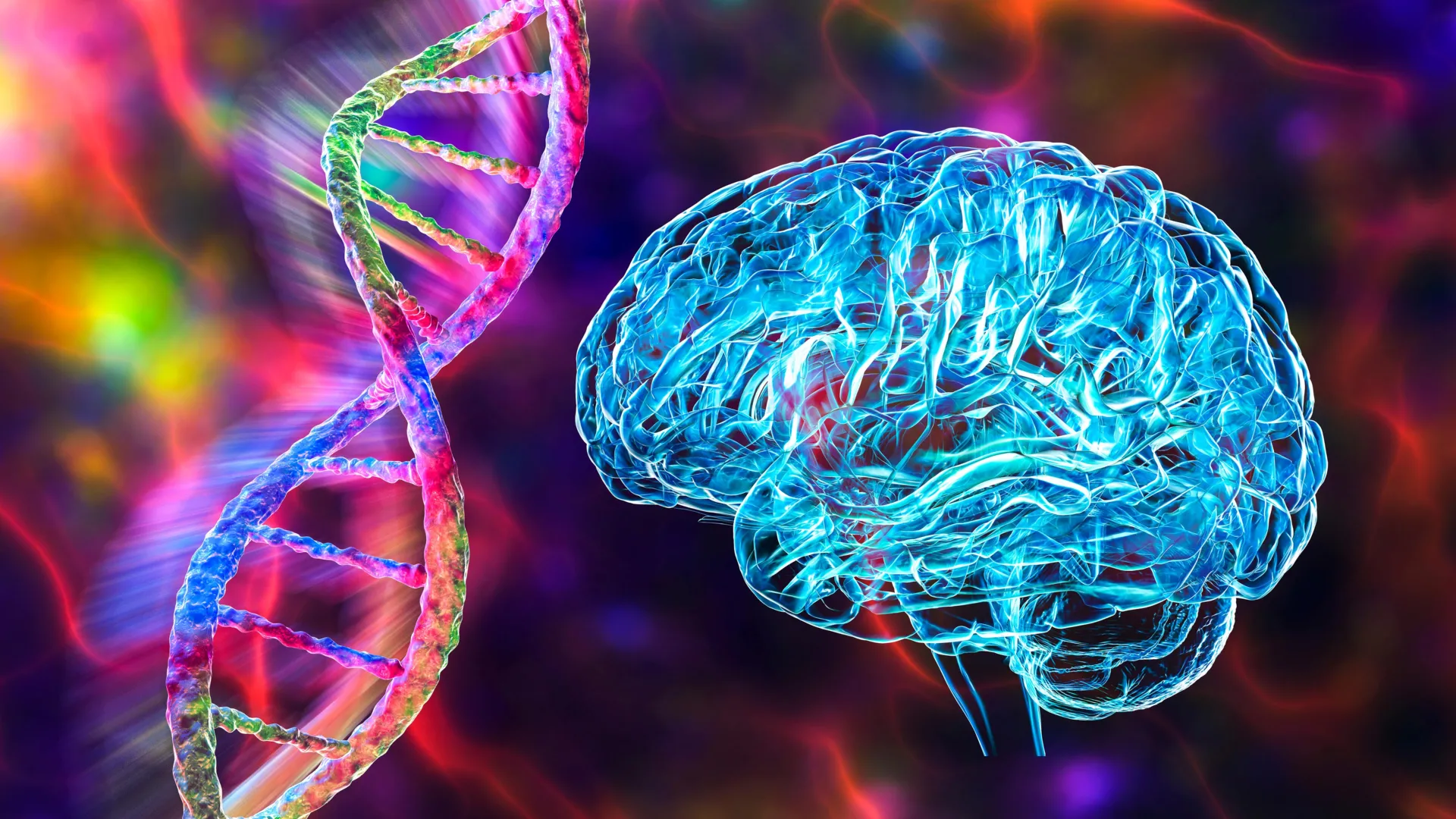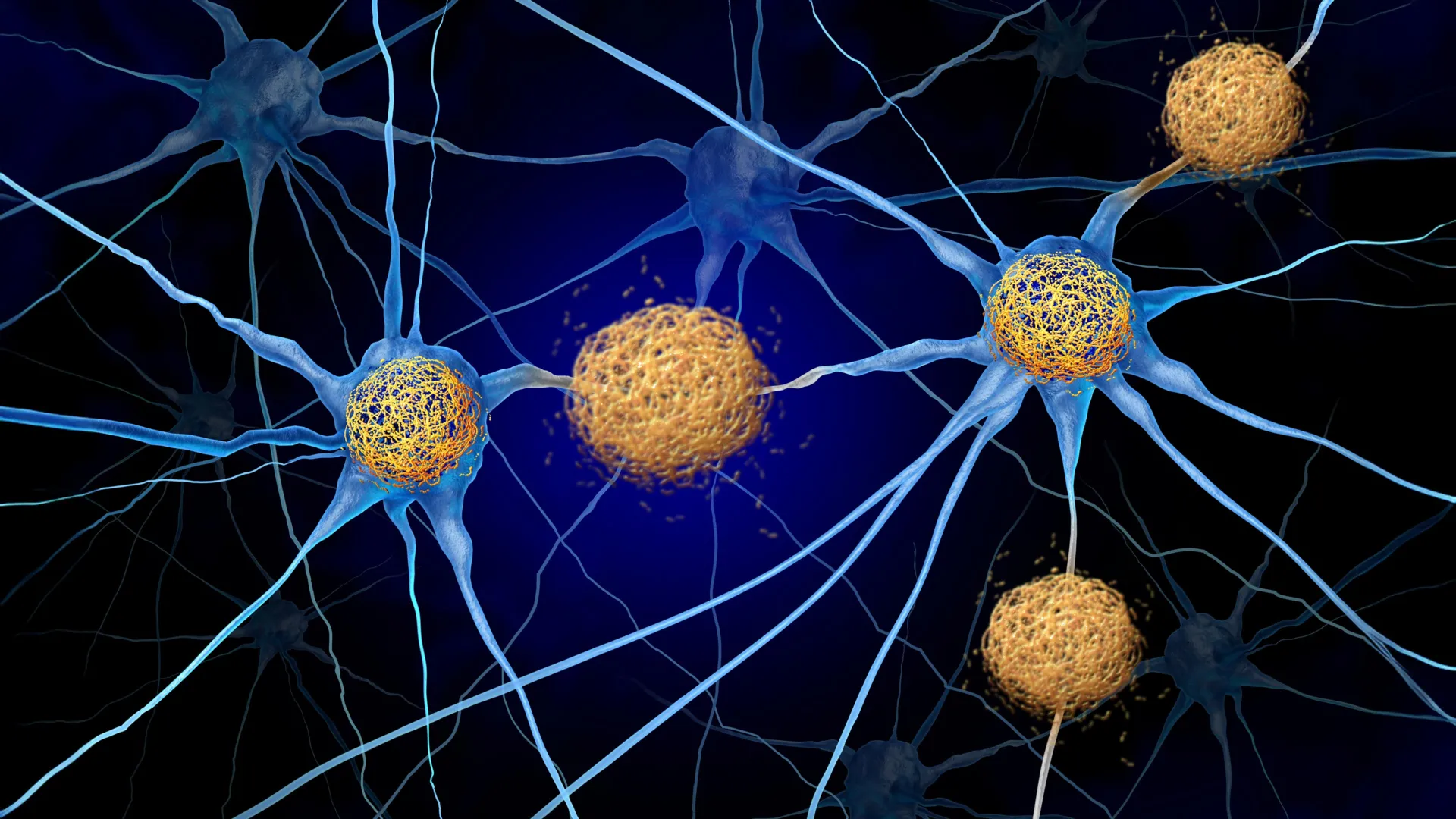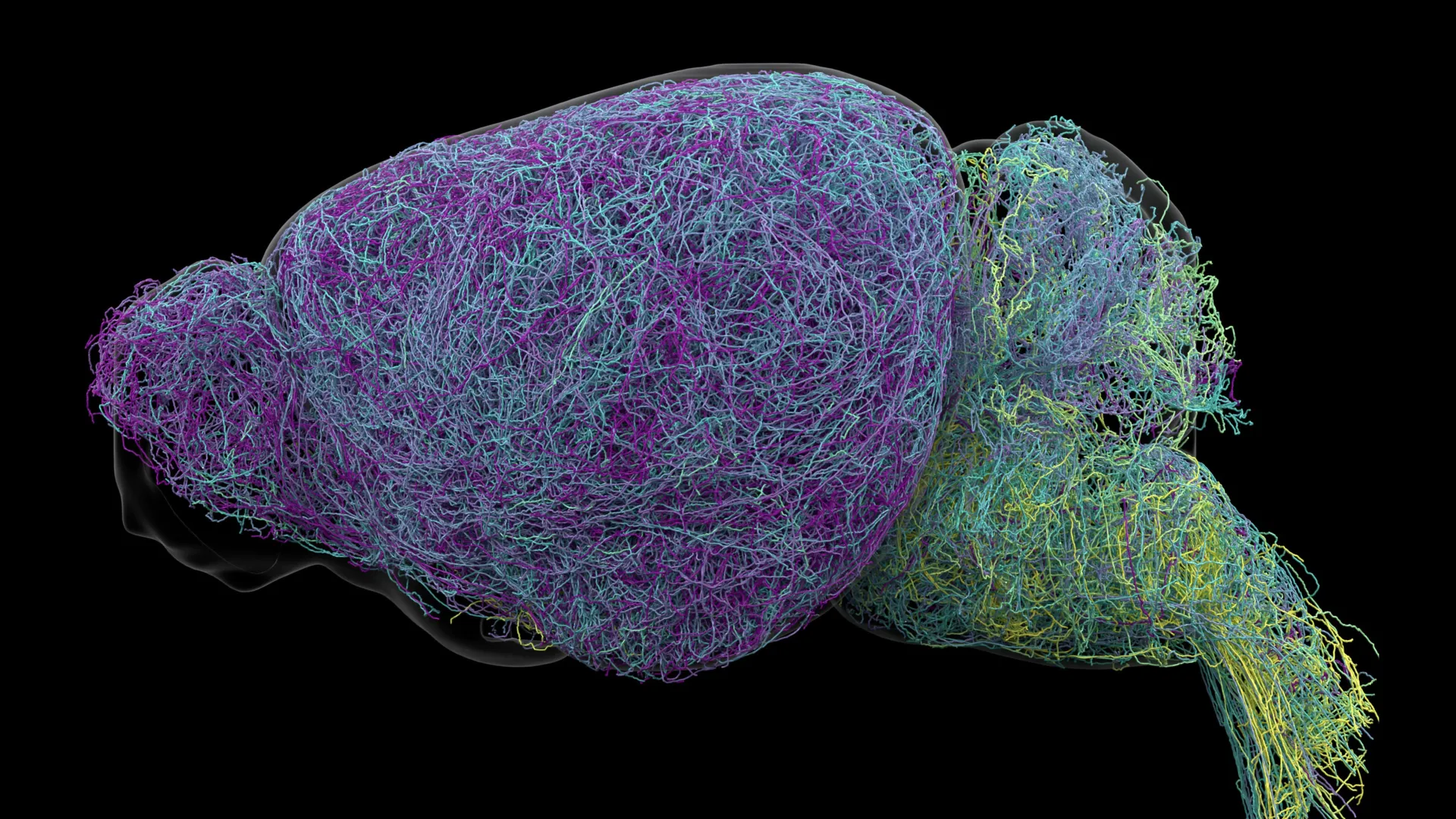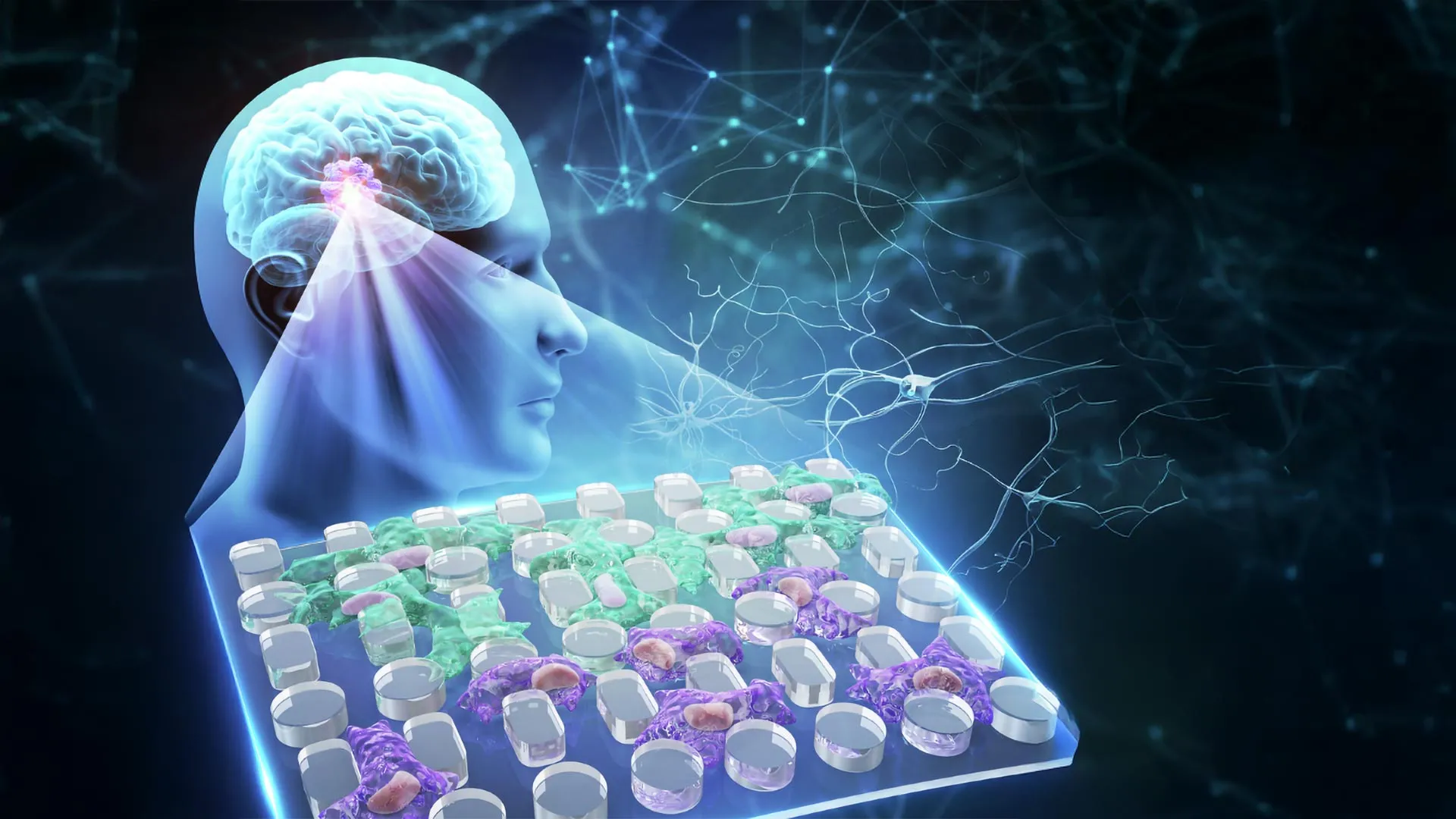
The global fight against Alzheimer’s disease has reached a critical juncture as researchers at the Indiana University School of Medicine have identified a promising new therapeutic target that could revolutionize how the neurodegenerative condition is managed. By focusing on an enzyme known as IDOL (Inducible Degrader of the LDL Receptor), the research team has uncovered a mechanism that not only reduces the accumulation of toxic amyloid plaques but also bolsters the brain’s natural resilience against cognitive decline. This discovery, detailed in a study published in Alzheimer’s & Dementia: The Journal of the Alzheimer’s Association, suggests that shifting the focus of treatment toward neuronal enzymes could provide a more precise and effective alternative to existing therapies.
The Evolution of Alzheimer’s Therapeutics and the Amyloid Hypothesis
For decades, the "amyloid hypothesis" has dominated Alzheimer’s research, positing that the buildup of beta-amyloid plaques is the primary driver of the disease’s progression. This focus recently culminated in the U.S. Food and Drug Administration (FDA) granting traditional approval to two disease-modifying drugs: lecanemab (Leqembi) and donanemab (Kisunla). These monoclonal antibodies work by binding to and clearing amyloid plaques from the brain, effectively slowing the rate of cognitive decline in patients in the early stages of the disease.
While these approvals represent a historic shift in neurology, they are not without limitations. Antibody-based treatments often require regular intravenous infusions and carry risks of side effects, such as amyloid-related imaging abnormalities (ARIA), which include brain swelling or small bleeds. Furthermore, clearing plaques alone may not be sufficient for patients who have already suffered extensive neuronal damage.
The Indiana University team, led by Kim, the P. Michael Conneally Professor of Medical and Molecular Genetics, sought to address these gaps. Their research into the IDOL enzyme represents a departure from direct plaque clearance via antibodies, moving instead toward modulating the brain’s internal metabolic environment to prevent plaque formation and protect existing neural connections.
Decoding the Role of the IDOL Enzyme
The IDOL enzyme serves as a metabolic gatekeeper in the brain, primarily regulating the levels of receptors that handle cholesterol and other lipids. In the context of Alzheimer’s, lipids play a crucial role in how the brain processes proteins and maintains the integrity of cell membranes. By targeting IDOL, researchers aim to manipulate the "Inducible Degrader" mechanism to prevent it from breaking down beneficial receptors that help clear amyloid and support neuronal health.
"What makes this exciting is that we now have a specific target that could lead to a new type of treatment," said Professor Kim. He emphasized that targeting enzymes offers a significant tactical advantage in drug development. Enzymes possess well-defined "pockets" or active sites where small-molecule drugs can precisely bind. This structural predictability allows pharmacologists to design oral medications that are potentially easier to administer than intravenous antibodies and may carry fewer systemic side effects.
Experimental Breakthrough: The Significance of Neurons Over Microglia
To understand how IDOL affects the brain, the Indiana University team utilized advanced animal models of Alzheimer’s disease. They employed a genetic deletion strategy, removing the IDOL gene from specific types of brain cells to observe the resulting changes in pathology.
Initially, the scientific consensus suggested that microglia—the brain’s resident immune cells—would be the primary drivers of any IDOL-related benefits. Microglia are responsible for "cleaning" the brain by engulfing and digesting cellular debris and toxic protein aggregates. Because microglia are the most prolific producers of IDOL in the central nervous system, researchers hypothesized that removing the enzyme from these cells would supercharge their ability to clear plaques.
However, the experimental results provided a surprising twist. The most significant reduction in amyloid plaque levels and the greatest improvement in brain health occurred not when IDOL was removed from microglia, but when it was removed from neurons.
Hande Karahan, PhD, an assistant research professor of medical and molecular genetics at IU and a lead author of the study, noted that the deletion of IDOL in neurons resulted in a dramatic decrease in apolipoprotein E (APOE) levels. APOE is a protein that transports lipids in the brain and is the most significant genetic risk factor for late-onset Alzheimer’s disease. Specifically, the APOE4 variant is known to hinder amyloid clearance and accelerate the formation of plaques. By reducing overall APOE levels through IDOL modulation, the researchers were able to mitigate one of the primary drivers of the disease.
Enhancing Brain Resilience and Lipid Metabolism
Beyond the reduction of amyloid plaques, the study highlighted a secondary, perhaps more vital, benefit of targeting IDOL: increased neuroprotection. When the IDOL enzyme was removed from neurons, the researchers observed a spike in the levels of receptors responsible for regulating lipid metabolism and maintaining synaptic communication.
Synapses are the junctions where neurons communicate with one another; their loss is more closely correlated with cognitive decline than the presence of plaques alone. By preserving these connections, the Indiana University team believes that IDOL-based therapies could help the brain remain functional even in the presence of existing pathology.
"This is especially important from a clinical perspective," Karahan explained. "Patients are usually diagnosed with the disease after accumulating substantial amyloid plaque load in the brain. Not only decreasing amyloid levels but also increasing resilience to these pathological changes could maximize clinical benefits."
This concept of "resilience" is a growing area of interest in geriatric medicine. Some individuals maintain sharp cognitive function into their 90s despite having brains that, upon autopsy, show significant Alzheimer’s-related damage. The IU study suggests that inhibiting IDOL might artificially induce this state of resilience, providing a "buffer" that allows the brain to function despite the presence of toxic proteins.
A Chronology of Discovery and Future Development
The identification of IDOL as a target is the result of several years of incremental progress in understanding the intersection of lipid metabolism and neurodegeneration.
- Initial Discovery (Early 2010s): Researchers identified IDOL as a key regulator of the Low-Density Lipoprotein Receptor (LDLR) family, linking it to cholesterol management.
- Pathway Validation: Subsequent studies suggested that the LDLR pathway played a role in how the brain processes the amyloid precursor protein.
- Genetic Modeling (2020-2023): The Indiana University team developed specific mouse models to isolate the effects of IDOL in different cell types, leading to the current findings published in 2024.
- Current Phase: The team is now transitioning from genetic validation to drug discovery. This involves screening thousands of small molecules to find compounds that can safely and effectively inhibit IDOL in the human brain.
The researchers’ next steps involve investigating whether blocking IDOL can also address tau pathology. Tau is another protein that misfolds and forms "tangles" inside neurons in Alzheimer’s patients, often following the initial buildup of amyloid. If IDOL inhibition can reduce both amyloid and tau while protecting synapses, it could become a "triple threat" therapeutic.
Broader Implications for the Pharmaceutical Industry and Public Health
The potential impact of an IDOL-targeted therapy extends beyond the laboratory. Currently, the economic burden of Alzheimer’s disease in the United States is estimated at over $360 billion annually, a figure projected to rise as the "baby boomer" generation ages. With approximately 6.7 million Americans living with the disease, there is an urgent need for diverse treatment options.
An IDOL inhibitor would likely be a small-molecule drug, which offers several advantages for public health:
- Accessibility: Oral pills are easier to distribute and store than biological products that require cold-chain logistics and specialized infusion centers.
- Cost: Small-molecule drugs are generally less expensive to manufacture than monoclonal antibodies, which could reduce the financial burden on healthcare systems and patients.
- Combination Therapy: Much like the treatment of HIV or cancer, the future of Alzheimer’s care likely lies in combination therapy. A drug that inhibits IDOL could potentially be used alongside plaque-clearing antibodies like lecanemab to provide a multifaceted defense against the disease.
Conclusion: A New Frontier in Neuroscience
The research coming out of the Indiana University School of Medicine marks a significant shift in the narrative of Alzheimer’s treatment. By demonstrating that neurons—rather than just immune cells—are a critical site for metabolic intervention, the team has opened a new door for drug developers.
As the research moves into preclinical testing for safety and efficacy, the scientific community remains cautiously optimistic. While many promising targets have failed in the transition from animal models to human trials, the unique mechanism of IDOL—targeting both the cause (amyloid/APOE) and the consequence (synaptic loss) of the disease—provides a robust foundation for future success.
"Targeting neuronal IDOL may offer multiple therapeutic benefits in Alzheimer’s disease by simultaneously reducing amyloid burden while enhancing neuroprotective effects," Karahan concluded. For the millions of families affected by Alzheimer’s, this dual-action approach represents a beacon of hope for a future where the disease is not just slowed, but effectively managed and resisted.