

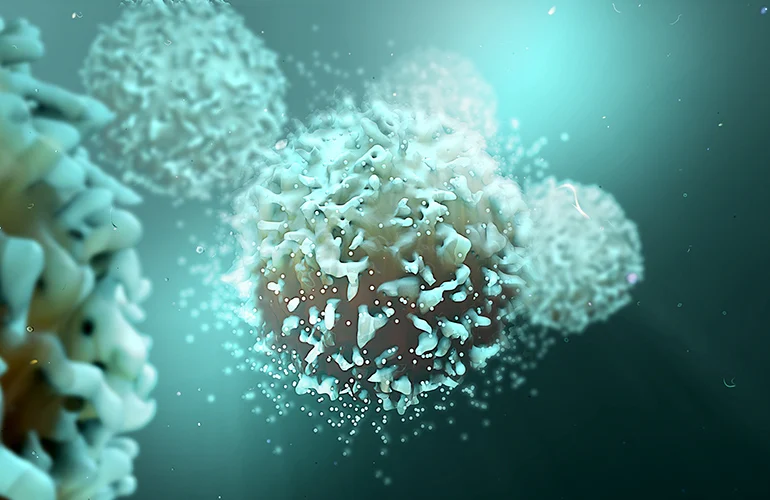
Immunai, a pioneering startup dedicated to constructing a foundational model of the human immune system, has significantly expanded its strategic oncology collaboration with pharmaceutical giant AstraZeneca for the third time. Under the terms of this latest agreement, Immunai stands to receive up to $37.5 million over 2026 and 2027, a testament to the deepening integration of its AMICA-OS platform within AstraZeneca’s extensive clinical development pipeline. This continued partnership underscores the critical role advanced artificial intelligence and single-cell multi-omics are playing in accelerating and de-risking drug discovery and development for complex diseases.
The collaboration between Immunai and AstraZeneca, one of the world’s largest pharmaceutical companies, originated in late 2022, though its roots trace back to initial engagements during the COVID-19 pandemic. Noam Solomon, CEO of Immunai, revealed in a recent interview that the relationship with the AstraZeneca team has spanned approximately five years. What began as a focused effort on oncology clinical programs has progressively broadened in scope, reflecting the versatility and impact of Immunai’s technology. By October 2025, the partnership had already expanded to include Inflammatory Bowel Disease (IBD), signifying a strategic move into a distinct therapeutic area and demonstrating Immunai’s growing interest in diversifying its application across multiple indications. Solomon elaborated on this evolution, stating, "We started in immune oncology, expanded to other oncology areas, then into immunology and inflammation, and now we’re moving into cardiovascular inflammation, neuroinflammation, and even obesity and diabetes. The common thread is the immune system." This trajectory illustrates a clear pattern of increasing trust and reliance on Immunai’s capabilities across AstraZeneca’s diverse therapeutic portfolio.
AstraZeneca’s sheer scale necessitates robust and innovative partnerships to maintain its leadership in drug development. With a global workforce of approximately 95,000 employees, the company manages an immense research and development operation, including more than 100 Phase 3 clinical studies across critical areas such as oncology, rare diseases, cardiovascular and metabolic medicine, and respiratory and immunology. Navigating a collaboration with an organization of this magnitude from a startup perspective is an operationally intensive endeavor. Solomon highlighted the extensive cross-functional engagement, noting, "Over the years, there are many dozens of people on their side and dozens on our side collaborating. We work with multiple groups: people on the AI and data science side, people in translational medicine, people in clinical development. Each group covers different indications and therapeutic areas." This intricate web of interaction underscores the deep embedding of Immunai’s platform and expertise within AstraZeneca’s R&D ecosystem, moving beyond a simple vendor-client relationship to a true strategic alliance.
Addressing the ‘Plumbing’ Issues in Drug Development
Immunai CEO Noam Solomon often describes his company’s role using a compelling analogy: "I describe myself as a plumber. I fix very expensive plumbing issues." This metaphor succinctly captures the profound challenges and inefficiencies that plague modern drug development, making it one of the most capital-intensive and high-risk endeavors in the world. Bringing a single new drug to market costs an astronomical average of $2.67 billion for top-tier pharmaceutical companies, according to a recent estimate by Deloitte. A significant portion of this cost is attributed to high failure rates in clinical trials, often due to an incomplete understanding of disease mechanisms, patient heterogeneity, and suboptimal trial design. Immunai aims to resolve these "plumbing issues" by providing a deeper, more granular understanding of the human immune system, which is increasingly recognized as a central player in a vast array of diseases, not just traditional immunological disorders.
The core of Immunai’s "plumbing" solution lies in its sophisticated data manipulation capabilities at scale. Solomon articulated this process: "First, generating a large volume of data from thousands of samples, creating a digital twin of the patients. Then applying our immune profiling and finding the clinical covariates manifesting in the immune system, so our platform can distill clinically meaningful insights from that." This approach addresses fundamental bottlenecks in drug development by transforming raw biological data into actionable intelligence. Pharmaceutical companies typically approach Immunai with complex clinical questions that their existing internal infrastructure and conventional analytical methods struggle to resolve. These frequently involve critical decision points in clinical trials, such as identifying more effective ways to stratify patients for a study, pinpointing biomarkers associated with adverse toxic events, determining optimal combination agents when monotherapies prove insufficient, or fine-tuning drug dosage and scheduling for improved efficacy and safety. By providing precise, data-driven answers to these questions, Immunai helps de-risk trials, reduce costs, and accelerate the path to market for promising new therapies.
A Growing Portfolio of Strategic Alliances
The partnership with AstraZeneca is not an isolated success story but rather part of a broader trend of Immunai forging significant collaborations across the pharmaceutical and biotechnology landscape. In April 2025, Immunai joined forces with the Parker Institute for Cancer Immunotherapy (PICI) to establish what they hailed as the largest single-cell dataset specifically curated for real-world immunotherapy research. This monumental effort involved analyzing 3,700 blood samples from 1,070 patients treated with immune checkpoint inhibitors, generating an unparalleled resource for understanding responses to cutting-edge cancer treatments. This collaboration exemplifies Immunai’s commitment to building comprehensive, high-resolution datasets that can inform and revolutionize immunotherapy development.
Further solidifying its market position, Immunai also secured a multi-year partnership with Bristol Myers Squibb (BMS) in January 2026. This agreement focuses on leveraging Immunai’s expertise to analyze clinical immune data, with the primary objectives of clarifying mechanisms of action for various therapies, identifying distinct patient subgroups that may respond differently to treatments, and guiding crucial development decisions. These partnerships collectively underscore the industry’s recognition of Immunai’s unique value proposition: the ability to extract unprecedented insights from complex biological data, thereby streamlining the drug development process and paving the way for more effective, personalized medicines.
Turning Patient Samples into High-Resolution Digital Twins
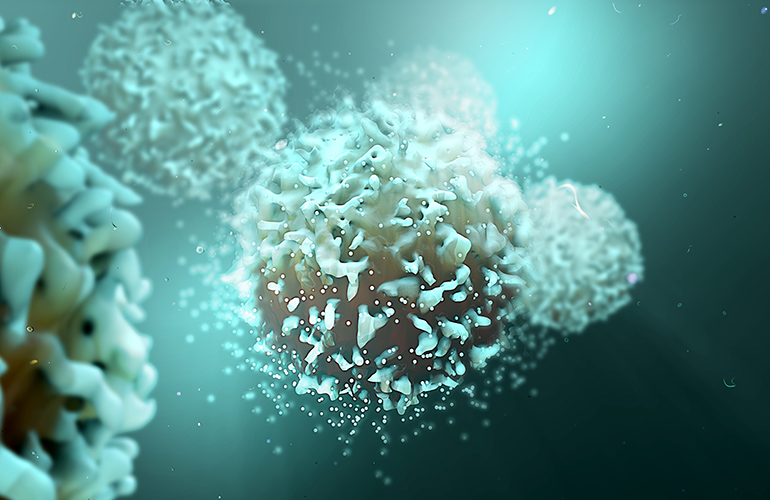
Immunai differentiates itself in the crowded AI pharma market by not merely applying artificial intelligence to existing, often disparate, datasets. Instead, the company initiates its process by generating novel, high-resolution data directly from patient samples. Solomon emphasizes this fundamental difference: "The signal already exists, but it’s hidden in the clinical patient samples sitting in your biobanks. So in every collaboration, the starting point is the same: send us all the samples you have from the clinical trials, to our lab at 430 East 29th Street in New York. The first step is translating those biological specimens into digital data using single-cell multi-omic profiling of the patient’s immune system." This direct, laboratory-driven approach ensures the quality, consistency, and depth of the data, which is paramount for generating reliable AI-driven insights.
Once the biological specimens arrive at Immunai’s state-of-the-art lab, they undergo a rigorous process of single-cell multi-omic profiling. This advanced technique allows researchers to analyze individual cells within a sample, capturing a comprehensive snapshot of their biological state. In each project, Immunai meticulously analyzes how the immune system responds and changes both before and after a therapeutic intervention. Solomon likens this to an "immune MRI": "For every patient, think of it as an immune MRI: a profile at single-cell, multi-omic resolution, taken before and after treatment. Each profile is effectively a matrix of about 10,000 cells, and for each cell we have a large measurement containing roughly 37,000 gene expressions, around 75 surface proteins, and VDJ sequencing."
This level of granular detail is transformative. Gene expression data reveals which genes are active in each cell, providing insights into cellular function and response pathways. Surface protein analysis identifies specific markers on cell membranes, crucial for classifying cell types and understanding cell-to-cell interactions. VDJ sequencing, specifically for T-cell and B-cell receptors, offers a unique fingerprint of an individual’s adaptive immune response, shedding light on how the immune system recognizes and targets pathogens or cancer cells. The ability to track these changes at such high resolution allows Immunai’s team to monitor immune system dynamics weeks and even months after treatment, providing a dynamic view of drug efficacy, potential resistance mechanisms, and off-target effects. By correlating these detailed immune surrogate endpoints with actual clinical outcomes, such as progression-free survival or overall survival, Immunai can identify the precise immunological features that are relevant to a drug’s efficacy, potential toxicities, and optimal dosing strategies. This rigorous, data-intensive methodology forms the bedrock of Immunai’s ability to generate clinically meaningful and actionable insights.
The Unmatched Advantages of Single-Cell Resolution
Immunai’s proprietary AMICA database stands as a formidable asset, currently housing over 300,000 samples, with a significant portion – approximately 50,000 – analyzed at single-cell resolution. Solomon passionately argues that the crucial differentiator for Immunai lies in the interplay between resolution and scale, an area where many competitors often fall short. He explains, "A lot of big numbers in this field don’t actually lead to better decisions or better insights because the data was collected without depth." To illustrate this point, he offers a vivid analogy: comparing low-resolution approaches to attempting to scale black-and-white photographs. "You’ll never be able to see the difference between green and blue. If that’s the distinction you need to make, you’re stuck." This highlights the critical importance of capturing comprehensive, high-fidelity data at the cellular level, as many pivotal biological distinctions and therapeutic opportunities are invisible at lower resolutions. Without this depth, even vast quantities of data can be largely uninformative.
The foundation model architecture that underpins Immunai’s AMICA-OS platform also provides a distinct advantage, particularly when working with the often small patient cohorts provided by pharmaceutical partners. Clinical trials, especially in early phases or for rare diseases, frequently involve limited numbers of patients, making it challenging to extract statistically significant insights using traditional methods. However, Solomon notes that "If you’ve built a foundation model on large-scale data, every new cohort compounds against the others. When you get a new cohort, you can resolve the signal." This means that Immunai’s AI models, pre-trained on its massive and high-resolution AMICA database, can leverage this accumulated knowledge to interpret smaller, new datasets with greater accuracy and confidence. The foundation model acts as an intelligent framework, allowing even small new cohorts to contribute meaningfully to the overall understanding, enabling the detection of subtle yet crucial biological signals that would otherwise be missed. This capability is revolutionary for drug development, allowing for more informed decisions earlier in the clinical pipeline, even when faced with limited patient data.
Broader Impact and Future Implications
The ongoing and expanding collaboration between Immunai and AstraZeneca, coupled with Immunai’s other strategic partnerships, signals a profound shift in the landscape of pharmaceutical research and development. It underscores the accelerating trend of integrating advanced AI, machine learning, and cutting-edge multi-omics technologies into the core of drug discovery. This paradigm shift holds immense promise for addressing some of the most pressing challenges in medicine:
- Accelerated Drug Development: By providing faster, more precise insights into disease mechanisms and drug responses, Immunai’s platform can significantly shorten the drug development cycle, bringing life-saving therapies to patients more quickly.
- Enhanced Precision Medicine: The ability to stratify patients more accurately, identify specific biomarkers, and understand individual immune responses is fundamental to realizing the promise of precision medicine. This means matching the right patient with the right therapy, minimizing side effects, and maximizing efficacy.
- Reduced Clinical Trial Failures: By identifying potential issues early, optimizing patient selection, and guiding dosage, Immunai’s technology can help de-risk clinical trials, reducing the staggering financial and time investments associated with late-stage failures.
- Discovery of Novel Targets: A deeper understanding of the immune system’s role in various diseases can lead to the identification of entirely new therapeutic targets and pathways, opening doors for innovative drug candidates.
- Transforming Biobank Utilization: Immunai’s approach demonstrates the immense untapped value residing in existing patient biobanks. By translating these biological specimens into high-resolution digital data, dormant insights can be unlocked to inform future research.
The continued commitment from a pharmaceutical behemoth like AstraZeneca to a startup like Immunai serves as a powerful validation of the latter’s technology and vision. It suggests that AI-driven, high-resolution biological data analysis is no longer a nascent concept but a proven, indispensable tool for modern drug discovery. As these partnerships mature and expand across an ever-wider array of therapeutic areas, the "digital plumbing" provided by companies like Immunai is set to become an essential component of the global effort to develop more effective, safer, and personalized medicines for patients worldwide.













Leave a Reply