

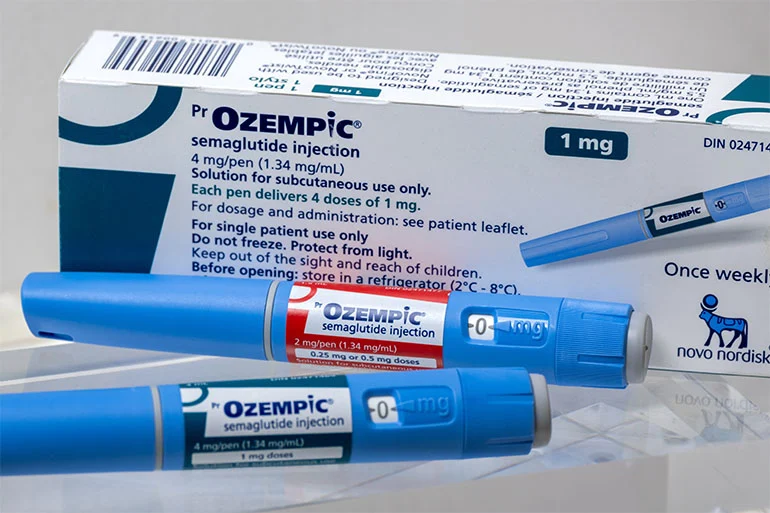
The Canadian healthcare landscape is poised for a significant transformation with Health Canada’s authorization of Dr. Reddy’s Laboratories’ generic semaglutide injection. This landmark decision marks Canada as the first G7 nation to approve a generic version of the highly sought-after GLP-1 receptor agonist, semaglutide, widely known by its brand name Ozempic from Novo Nordisk. This move is anticipated to introduce a more affordable and accessible alternative for millions of Canadians relying on this crucial medication, years ahead of expected generic entry in major markets like the United States. The approval covers 2 mg/pen and 4 mg/pen presentations at 1.34 mg/mL, with Dr. Reddy’s already initiating preparations for market launch.
A Patent Lapsus: The Unforeseen Catalyst
The unprecedented early arrival of generic semaglutide in Canada stems from a peculiar oversight by the pharmaceutical giant, Novo Nordisk. In 2019, the Danish company failed to remit a routine maintenance fee of CAD$250 for its Canadian patent CA 2601784, which protects "Acylated GLP-1 compounds." The initial fee due was approximately USD$188, escalating to CAD$450 (around USD$339) with the inclusion of a late fee. This seemingly minor administrative lapse ultimately led to the permanent expiration of the patent. While Novo Nordisk later characterized this as a "strategic choice," the incident was first brought to public attention by pharmaceutical industry expert Derek Lowe at Science, highlighting the profound and perhaps unintended consequences of the decision. The Canadian Patents Database explicitly lists patent 2601784 as "Expired and beyond the Period of Reversal," with its last maintenance-fee payment recorded on October 23, 2018, and the reversal deadline expiring on August 31, 2020. This sequence of events effectively nullified a certificate of supplementary protection (CSP) that would have extended patent exclusivity until March 20, 2028, paving the way for generic competition significantly earlier than in other global markets.
The Rise of Semaglutide: A Pharmaceutical Phenomenon
Semaglutide, marketed by Novo Nordisk under various brand names including Ozempic (for type 2 diabetes), Wegovy (for weight management), and Rybelsus (oral formulation for type 2 diabetes), has emerged as one of the most commercially successful and therapeutically impactful molecules in recent pharmaceutical history. Its mechanism of action as a glucagon-like peptide-1 (GLP-1) receptor agonist mimics the natural hormone GLP-1, stimulating insulin secretion, suppressing glucagon secretion, slowing gastric emptying, and promoting satiety. These effects contribute to improved glycemic control in diabetes and significant weight loss in individuals with obesity.
In Canada, Ozempic has rapidly ascended to become the best-selling drug, projected to reach an astounding CAD$2.9 billion in sales by 2025 – more than three times the revenue of the next highest-selling drug. Over one million Canadians are currently prescribed Ozempic, underscoring its widespread adoption and critical role in managing chronic conditions. Globally, the semaglutide franchise has generated colossal revenues for Novo Nordisk. In fiscal year 2025, the company reported total sales exceeding DKK 228 billion (approximately USD$33 billion), with Ozempic alone contributing DKK 127.1 billion and Rybelsus adding DKK 22.1 billion. Obesity care sales, primarily driven by Wegovy, reached DKK 82.3 billion. The molecule’s commercial success has not only validated the GLP-1 drug class but also intensified competition, notably from Eli Lilly’s tirzepatide, a dual GIP/GLP-1 receptor agonist, which entered the market with comparable efficacy.
Health Canada’s Rigorous Approval Process and Rationale
Health Canada’s decision to authorize Dr. Reddy’s generic semaglutide injection underscores the agency’s commitment to ensuring access to safe, effective, and high-quality medications for Canadians. The agency rigorously reviewed Dr. Reddy’s submission, evaluating it against the same stringent criteria applied to brand-name drugs. Health Canada concluded that the generic product met its standards for safety, efficacy, and quality, affirming its pharmaceutical equivalence to Novo Nordisk’s Ozempic. The agency specifically noted that generic semaglutide injections are considered "complex synthetic products," implying a thorough assessment was required due to their intricate chemical structure and manufacturing processes. This approval provides Canadian patients with a regulated, Bioequivalent copy, ensuring that the generic version delivers the same therapeutic benefits as the original.
Dr. Reddy’s Laboratories: Pioneering Generic Access
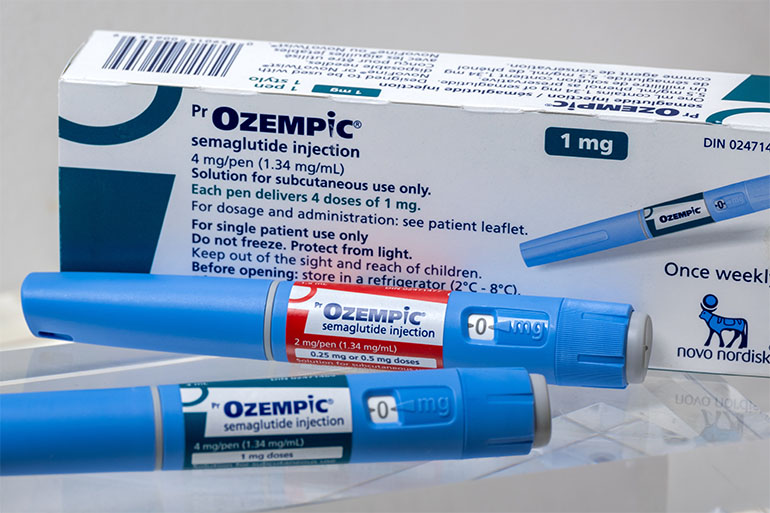
For Dr. Reddy’s Laboratories, a global pharmaceutical company headquartered in India, this approval represents a significant strategic victory and a bolstering of its position in the complex generics and peptide therapeutics markets. The company proudly stated that it is the first to receive Canadian marketing authorization for a generic semaglutide injection. Dr. Reddy’s highlighted its vertically integrated approach, with the active pharmaceutical ingredient (API) for semaglutide produced entirely in-house. The finished product manufacturing is handled by OneSource Specialty Pharma, ensuring a robust supply chain for the Canadian market. This achievement not only grants Dr. Reddy’s a first-mover advantage in a lucrative market but also solidifies its reputation as a leader in developing and manufacturing complex generic medications. Following Dr. Reddy’s approval on April 28, Health Canada swiftly approved another generic from Apotex on May 1, and is currently reviewing seven more submissions, signaling a rapid expansion of generic competition.
Broader Implications for Patients and Healthcare Systems
The arrival of generic semaglutide in Canada carries profound implications for patients, healthcare providers, and the national healthcare system.
- Enhanced Affordability: Generic versions are typically priced significantly lower than their brand-name counterparts, making essential medications more affordable for patients and potentially reducing the financial burden on public and private drug plans. This is particularly crucial given the high cost of Ozempic and the chronic nature of the conditions it treats.
- Improved Access: Lower prices are expected to increase access to semaglutide, potentially allowing more patients who previously faced cost barriers to initiate or continue treatment. This could lead to better management of type 2 diabetes and obesity, ultimately improving public health outcomes.
- Market Dynamics: The introduction of generic competition will inevitably drive down prices for semaglutide, forcing Novo Nordisk to adjust its pricing strategy in Canada. This competitive pressure is a cornerstone of generic drug policy, designed to make essential medicines more accessible.
- Healthcare Savings: For Canada’s publicly funded healthcare system and private insurers, the availability of generic semaglutide is expected to yield substantial cost savings, freeing up resources that can be reallocated to other healthcare priorities.
Global Context and Divergent Patent Timelines
The Canadian situation stands in stark contrast to other major pharmaceutical markets. In the United States, Novo Nordisk’s 2025 Form 20-F filing indicates that the U.S. compound patent expiry for its semaglutide products (Ozempic, Rybelsus, and Wegovy) is not expected until 2032. Similarly, in Japan and Europe, active-ingredient protection for these products is listed as running to 2031. This significant divergence in patent expiry dates highlights the country-specific nature of intellectual property laws and the critical importance of meticulous patent management by pharmaceutical companies.
In the U.S., access to semaglutide has been a complex issue, marked by sustained heightened demand leading to shortages since 2022. During this period, various channels, including compounding pharmacies and direct-to-patient programs, emerged to meet patient needs. The U.S. Food and Drug Administration (FDA) clarified its policies regarding compounders and determined in February 2025 that the shortage of semaglutide injection products had been resolved, subsequently setting deadlines for compounders making products essentially copying FDA-approved semaglutide.
Novo Nordisk has also been actively engaged in patent litigation in the U.S., with several manufacturers filing abbreviated new drug applications (ANDAs) for generic versions with Paragraph IV certifications. The company has reached confidential settlement terms with various generic manufacturers, including Alvogen, Rio Biopharmaceuticals, Sun Pharma, Dr. Reddy’s, Mylan, Zydus, and Apotex, for U.S. Ozempic patent litigation, indicating a structured approach to managing generic entry in that market.
Industry Reactions and Future Outlook
While Novo Nordisk maintains that its decision not to renew the Canadian patent was "strategic," the practical outcome has been a swift and early loss of exclusivity in a significant market. For patient advocacy groups and healthcare professionals, this development is largely positive. Groups like Diabetes Canada or Obesity Canada are likely to welcome the increased affordability and access, which could translate into better disease management and fewer complications for patients. Healthcare economists and market analysts will closely observe the Canadian experience as a case study in how a major patent lapse can reshape a pharmaceutical market. The rapid approval of multiple generics following the initial authorization suggests a robust competitive environment is quickly forming.
The broader GLP-1 market continues to evolve dynamically. The success of semaglutide has spurred immense research and development into new GLP-1 agonists and multi-agonists, promising even more potent and diverse treatment options for metabolic diseases. Canada’s first generic semaglutide approval signals a crucial shift in the access debate, moving from temporary shortage-era workarounds to formal, regulated generic competition. This development underscores how national patent rules and strategic (or inadvertent) decisions by innovators can dramatically alter the landscape of drug accessibility and affordability on a country-by-country basis. The Canadian experience with semaglutide is set to serve as a compelling example for other nations grappling with the balance between incentivizing pharmaceutical innovation and ensuring broad patient access to life-changing medications.












Leave a Reply