

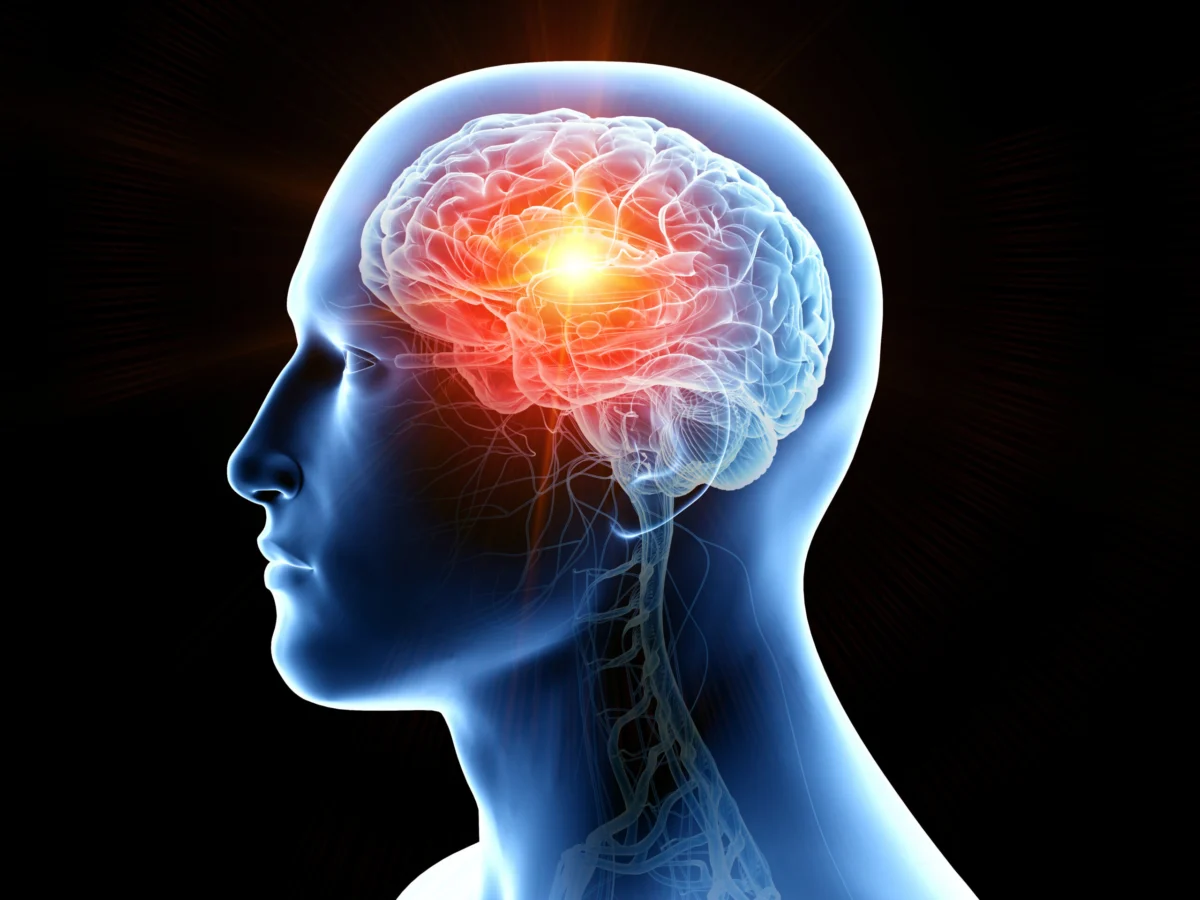
Traumatic Brain Injury (TBI) stands as a formidable global public health crisis, impacting an estimated 69 million individuals annually across the world. The repercussions of TBI extend far beyond the immediate trauma, contributing significantly to long-term neurological and cognitive impairments. While TBI affects all age groups, older adults bear a disproportionately heavy burden, primarily due to an increased incidence of falls. Beyond geriatric populations, contact sports, road traffic accidents, and interpersonal violence represent other major contributors to TBI across diverse demographics. The economic impact of TBI is staggering, encompassing direct medical costs, rehabilitation, and lost productivity, with estimates in the United States alone reaching tens of billions of dollars annually.
Current acute medical interventions for TBI are predominantly focused on critical care management, aiming to stabilize patients by controlling intracranial pressure and ensuring adequate cerebral perfusion. These life-saving measures are crucial, yet they fall short in addressing the complex cascade of secondary pathophysiological processes that are triggered by the initial mechanical injury. These secondary processes include persistent neuroinflammation, progressive neurodegeneration, oxidative stress, and the accumulation of misfolded proteins (proteinopathy). The inadequacy of current therapies in targeting these underlying mechanisms highlights a substantial unmet therapeutic need, as most available treatments remain largely supportive rather than truly disease-modifying. This therapeutic gap is particularly concerning given the growing recognition that these secondary injury processes are not merely acute complications but can persist for extended periods, contributing to prolonged symptoms, chronic neurological deficits, and a significantly elevated risk of developing late-life neurodegenerative conditions, most notably Alzheimer’s Disease (AD).
Unraveling the Link: TBI and Alzheimer’s Disease
The mechanistic link between TBI and subsequent neurodegenerative disorders, particularly Alzheimer’s disease, is a rapidly evolving area of research. Accumulating evidence points to a shared pathological landscape between TBI and AD, suggesting that the initial trauma acts as a catalyst, initiating or accelerating processes akin to those observed in spontaneous AD. Following TBI, key pathological hallmarks associated with AD, such as tau hyperphosphorylation, amyloid-beta (Aβ) accumulation, and sustained neuroinflammation, are frequently observed. Tau, a protein crucial for microtubule stability in neurons, becomes hyperphosphorylated and forms neurofibrillary tangles, a hallmark lesion of AD. Similarly, the abnormal processing of amyloid precursor protein leads to the aggregation of Aβ peptides into plaques, another defining feature of AD pathology.
The concept of chronic traumatic encephalopathy (CTE) further solidifies this link. CTE is a progressive neurodegenerative proteinopathy found in individuals with a history of repetitive brain trauma, often seen in athletes involved in contact sports or military personnel exposed to blast injuries. Pathologically, CTE is characterized by a distinctive pattern of tauopathy, distinct from that seen in AD, but nevertheless underscores how brain trauma can induce long-lasting protein aggregation and neurodegeneration. This confluence of pathological features suggests a common biological vulnerability and shared disease pathways that could be targeted therapeutically.
Beyond cellular pathologies, specific biomarkers detectable in blood and cerebrospinal fluid provide further evidence of this overlap. Several key inflammatory and neurodegenerative biomarkers show striking similarities in their elevation and kinetics following TBI and in the progression of AD:
- Glial Fibrillary Acidic Protein (GFAP): GFAP is an intermediate filament protein primarily expressed by astrocytes, a type of glial cell that plays crucial supportive roles in the brain. Elevated GFAP levels in blood indicate astrocyte activation and damage, a hallmark of neuroinflammation and brain injury. In TBI, GFAP levels rise sharply in the acute phase, correlating with injury severity. Critically, chronic elevation of GFAP is also observed in AD patients, reflecting persistent astrogliosis and neuroinflammatory processes.
- Neurofilament Light Chain (NF-L): NF-L is a structural protein found within the axons of neurons. When neurons are damaged, NF-L is released into the cerebrospinal fluid and blood, serving as a highly sensitive and specific biomarker for axonal injury and neurodegeneration. Similar to GFAP, NF-L levels increase markedly in the acute phase of TBI, reflecting widespread neuronal damage. Persistently elevated NF-L is also a recognized biomarker for neuronal loss and neurodegeneration in AD and other dementias, indicating ongoing neuronal injury.
- Ubiquitin C-terminal Hydrolase L1 (UCH-L1): UCH-L1 is a neuronal ubiquitin hydrolase involved in protein degradation pathways. It has been implicated in the pathogenesis of both TBI and AD. UCH-L1 is associated with increasing levels of phosphorylated tau, which induces neurofibrillary tangles, and the abnormal accumulation of Aβ plaques by affecting β-secretase, both characteristic of AD. Furthermore, UCH-L1 can deplete triggering receptor expressed on myeloid cells 2 (TREM2), a microglial receptor critical for modulating neuroinflammation and clearing amyloid plaques. Thus, UCH-L1 serves as an important biomarker for both conditions, reflecting impaired protein homeostasis and dysregulated neuroinflammation.
- S100 Calcium-Binding Protein B (S100B): S100B is a calcium-binding protein primarily produced by astrocytes and Schwann cells. It acts as a pro-inflammatory biomarker in TBI, with acute elevations correlating with injury severity and blood-brain barrier disruption. In AD, S100B is chronically upregulated, associated with cognitive decline, and contributes to neuroinflammation and neuronal damage.
The shared elevation and significance of these biomarkers underscore the profound biological commonalities between TBI-induced secondary injury and the pathogenesis of AD. This suggests that therapeutic interventions capable of modulating these pathophysiological processes or their associated biomarker expression could offer disease-modifying potential across both TBI and AD, addressing a critical unmet medical need.
A Novel Therapeutic Avenue: High-Dose NK Cell Therapy
Given the limitations of existing treatments, the search for novel disease-modifying therapies for neurodegenerative conditions like AD and the long-term sequelae of TBI is paramount. One particularly promising and innovative approach involves the administration of massive doses of autologous natural killer (NK) cells. NK cells are a vital component of the innate immune system, representing a critical first line of defense against pathogens and abnormal cells. Their functions extend beyond direct cytotoxicity to include immune surveillance, the clearance of pathological material, and the sophisticated regulation of inflammatory responses through cytokine production.
The therapeutic potential of NK cells in neurodegeneration first came to light through a serendipitous observation. Researchers at NKGen Biotech, Inc., while supplementing oncology patients with high doses of autologous NK cells post-chemotherapy to mitigate immune suppression, noticed an unexpected cognitive stabilization and even improvement in patients who also had co-existing Alzheimer’s disease. This striking observation prompted a dedicated investigation into the neurotherapeutic potential of NK cells.
A subsequent Phase 1 open-label study was launched to systematically investigate the effects of repeated intravenous administration of high doses (approximately 6 billion cells) of expanded autologous NK cells in patients diagnosed with mild-to-severe AD. The results of this study were remarkably encouraging. Across a battery of cognitive measures, a substantial 90% of patients demonstrated either no further cognitive decline or a marked improvement over observation periods ranging from 3 to 12 months. Crucially, these cognitive improvements were accompanied by significant reductions in key biomarkers associated with neuroinflammation and proteinopathy, including GFAP (indicating reduced astrogliosis), phosphorylated tau (suggesting decreased neurofibrillary tangle formation), and alpha-synuclein (a protein associated with Lewy body pathology, often co-occurring with AD).
While the precise mechanisms underpinning these observed improvements are still being elucidated, NK cells appear to exert their beneficial effects through a multi-faceted approach. They are believed to be capable of both internalizing and degrading neurotoxic protein aggregates, such as amyloid-beta and tau, through lysosomal pathways, effectively clearing these harmful substances from the brain. Furthermore, NK cells modulate neuroinflammatory responses, which are central to both TBI and AD pathology. Proposed immunomodulatory effects include the suppression of pro-inflammatory microglial activity (microglia being the brain’s resident immune cells), the production of anti-inflammatory cytokines that help resolve inflammation, and the elimination of autoreactive T-cells that may contribute to chronic neuroinflammation. Such a multi-target mechanism is particularly advantageous in complex conditions like TBI, where numerous secondary injury pathways occur simultaneously and interact dynamically over time, and in AD, where multiple pathological processes drive disease progression.
Overcoming Challenges: The Promise of NK Cell-Derived Extracellular Vesicles (NK-EVs)
Despite the compelling promise of whole-cell NK therapies, their widespread clinical administration presents several logistical and translational challenges. These include the inherent manufacturing complexity and high cost associated with producing personalized autologous cell therapies, issues of scalability to meet a large patient demand, the requirement for repeated intravenous dosing, and the significant attrition of cells before they can effectively reach and cross the notoriously restrictive blood-brain barrier (BBB) to exert their effects in the central nervous system.
Extracellular vesicles (EVs) offer a groundbreaking approach to circumvent many of these limitations, representing a potentially revolutionary "cell-free" therapeutic platform. EVs are nanoscale membrane-bound particles, typically ranging from 30 to 150 nanometers in diameter, that are naturally released by virtually all cells for the purpose of intercellular communication. They act as sophisticated messengers, carrying a biologically active cargo of proteins, mRNAs, microRNAs, and various signaling molecules that can profoundly influence the behavior and function of recipient cells. Critically, the composition and functional properties of EVs largely reflect those of their parent cells. This means that EVs derived from NK cells (NK-EVs) are capable of retaining many of the immunomodulatory and therapeutic characteristics of the original NK cells, but in a more manageable and scalable package.
Preliminary findings from the Australian biotechnology company Evinco Therapeutics have shed light on the specific potential of NK-EVs. Research indicates that EVs recovered from cultured NK cells exhibit a strong anti-inflammatory effect on brain-resident immune cells, specifically microglia and astrocytes. This is crucial because chronic activation of these glial cells contributes significantly to neuroinflammation and neurodegeneration in both TBI and AD. Furthermore, NK-EVs have been shown to strongly induce microglia to internalize and degrade amyloid-beta, suggesting that the direct clearance of neurotoxic protein aggregates, previously thought to require whole NK cells, can also be mediated by their secreted vesicles. This implies that the powerful immunomodulatory and clearance capabilities inherent to NK cells can be leveraged through their EV cargo, potentially making the "cell-free" component even more impactful in AD and TBI treatment.
Beyond their biological efficacy, NK-EVs boast significant practical advantages over whole-cell therapies. Unlike live NK cells, NK-EVs are remarkably stable. They can be freeze-dried and subsequently shipped or maintained at room temperature for extended periods without losing their therapeutic potency. This dramatically simplifies logistics, storage, and distribution. Moreover, NK-EVs can be delivered through innovative and patient-friendly routes, such as intranasal administration via a simple spray. This route offers a more direct pathway to the brain than intravenous administration, as EVs can move along the olfactory nerve bundle, potentially bypassing the blood-brain barrier more effectively. This is a considerable advantage, as many intravenously administered therapies struggle to achieve meaningful penetration into the central nervous system.
Another critical benefit is the allogeneic potential of EVs. Because EVs are generally not recognized as foreign by a recipient’s immune system, they can be derived from healthy donors, manufactured in large scale, and stored as a freeze-dried product. This drastically reduces the cost and complexity associated with autologous cell therapies. The freeze-dried product can be simply reconstituted by adding a solution, potentially allowing for convenient administration even at home. Such unparalleled scalability and cost-effectiveness are especially vital for addressing the enormous global incidence of TBI and the widespread prevalence of AD, where personalized cell therapies would be impractical for the vast majority of affected individuals.
Strategic Advancement and Future Outlook
Evinco Therapeutics is actively working to translate the promise of NK-EVs into tangible clinical treatments. The company has established a collaboration with a major pharmaceutical company to develop the proof of concept for EV-based therapy specifically for Alzheimer’s disease. Given the profound pathological and biomarker overlap between TBI and AD, Evinco is simultaneously keen on applying the same NK-EV product to treat traumatic brain injury. TBI presents a particularly attractive target for clinical development due to its defined onset, clear and measurable biomarker responses, and often more distinct behavioral readouts, which could potentially lead to shorter and more efficient clinical trial times compared to the protracted nature of AD trials.
The current research trajectory for Evinco involves a rigorous preclinical development plan that includes comprehensive safety, efficacy, and dose-response studies in relevant animal models, including both mice and canines. These studies are critical for establishing optimal dosing, confirming therapeutic benefits, and ensuring the safety profile of the NK-EV product before human trials commence. Evinco anticipates having its NK-EV product ready for first-in-human studies within the next 15 months, pending ongoing development milestones and successful navigation of regulatory activities. There is considerable interest within the scientific and medical communities in these upcoming clinical studies, as they hold the potential to usher in a new era of neurotherapeutic interventions.
The urgent need for effective therapies for TBI and AD cannot be overstated. Despite extensive research efforts over decades, there remains a critical unmet need for treatments capable of repairing damaged neural tissue or modifying the fundamental disease processes that drive ongoing decline, such as chronic neuroinflammation, protein aggregation, and synaptic loss. The current lack of disease-modifying options underscores the imperative for innovative and scalable approaches that could not only restore brain health but also significantly improve long-term functional and cognitive outcomes for the millions affected by these devastating neurological disorders. The development of NK-EVs represents a beacon of hope in this challenging landscape, promising a transformative shift in how we approach the treatment of brain injury and neurodegenerative diseases.
Dr. Karl Trounson is Scientific Advisor and Prof. Alan Trounson is Founder, CEO and Executive Chair of Evinco Therapeutics, a biotechnology company developing immune-based therapies for neurological disorders.
Author affiliations
Karl M. Trounson1,2, PhD and Alan O. Trounson, AO1,3, PhD












Leave a Reply