Immuto Scientific, a pioneering biotechnology firm co-founded in 2018 by electrical engineers Faraz A. Choudhury, Ph.D. (CEO), and Daniel Benjamin, Ph.D. (CTO), is fundamentally reshaping the landscape of protein structural analysis. The company’s innovative platform integrates artificial intelligence with advanced mass spectrometry, offering a high-throughput, cost-effective alternative to traditional methods like cryo-electron microscopy (Cryo-EM), particularly for critical applications such as antibody-antigen analysis. This approach promises to significantly accelerate drug discovery and development, addressing long-standing bottlenecks in structural biology.
Addressing the Bottlenecks in Structural Biology
For decades, determining the intricate three-dimensional structures of proteins has been a cornerstone of drug discovery. Understanding how proteins fold and interact at a molecular level is crucial for designing drugs that precisely target disease pathways. Historically, techniques such as X-ray crystallography, Nuclear Magnetic Resonance (NMR) spectroscopy, and more recently, cryo-electron microscopy (Cryo-EM), have been the primary tools for achieving this.
Cryo-EM, in particular, has revolutionized structural biology by enabling the visualization of large, complex macromolecules at near-atomic or even atomic resolution, often without the need for crystallization. However, its widespread adoption in high-throughput drug discovery pipelines faces significant challenges. The technique demands substantial investment in specialized equipment, highly skilled expertise, and an often arduous, iterative process of sample preparation and grid optimization. This can stretch timelines from weeks to several months, especially for challenging protein targets, making it a well-known bottleneck in the drug development cycle. The financial outlay for establishing and maintaining a state-of-the-art Cryo-EM facility can run into millions of dollars, further limiting its accessibility.
Immuto Scientific’s platform emerges as a compelling solution to these limitations. Dr. Daniel Benjamin highlighted the stark difference in throughput, stating in a recent interview, "We can get data on about 1000 samples per week with our platform, so that roughly translates to something like 100 structures per week." This represents an order of magnitude increase in speed compared to Cryo-EM, where moving from sample to a resolved structure can typically take weeks and, in complex cases, months.
The Power of AI-Assisted Mass Spectrometry
At the core of Immuto Scientific’s innovation is a proprietary AI-assisted mass spectrometry platform. While Cryo-EM provides a full three-dimensional atomic-resolution structure, Immuto’s method offers residue-level information. This means it can identify which amino acid residues are interacting and how the protein segments are organized, providing sufficient detail for many critical drug discovery applications, particularly for understanding protein dynamics and interactions.
The lower barrier to entry for running a mass spectrometer, compared to a Cryo-EM facility, makes Immuto’s technology more accessible and potentially more cost-effective for a broader range of research and development environments. Furthermore, a key advantage of Immuto’s method lies in its ability to probe proteins in living cells and track structural changes over time. This capability is crucial for understanding the dynamic nature of proteins, including their flexibility and disorder, which are often difficult to resolve with the static "snapshot" approach of Cryo-EM. Many therapeutically relevant proteins exhibit significant conformational flexibility, and capturing these dynamic states is vital for developing drugs that can modulate their function effectively. The specific radical labeling mass spectrometry technique employed by Immuto allows for the rapid covalent labeling of solvent-accessible residues, providing a real-time snapshot of protein conformation and dynamics in their native environment, including within complex biological systems.
Integrating with the AI Revolution in Structural Biology
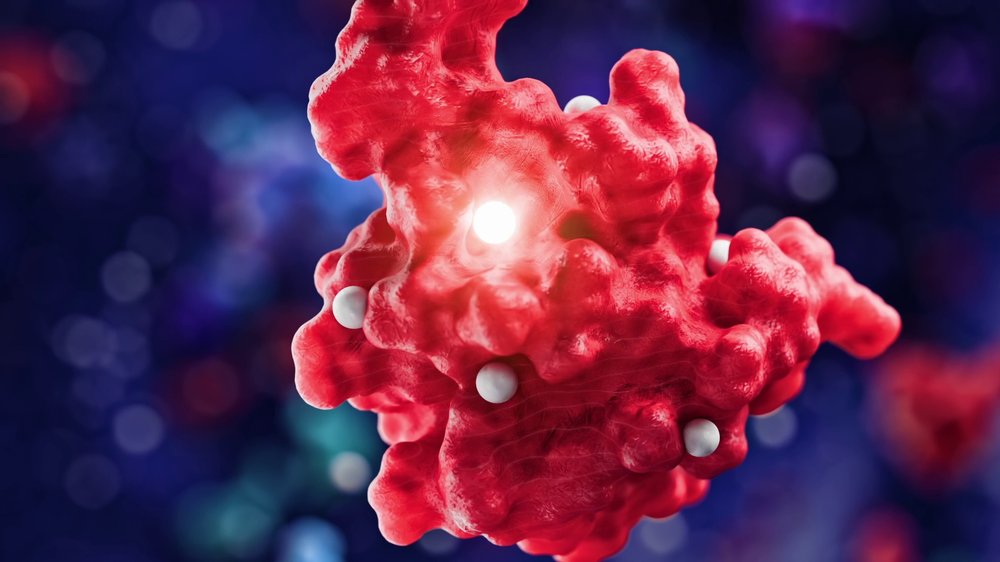
The field of structural biology has witnessed a seismic shift with the advent of artificial intelligence tools like AlphaFold, Boltz, Chai, and ByteDance’s Protenix. These computational models have demonstrated an unprecedented ability to predict protein structures from amino acid sequences, often with remarkable accuracy. However, a significant challenge remains: when these tools generate multiple plausible structures, ranking the correct one, especially for complex interactions like antibody-antigen binding, is still a hurdle.
Dr. Benjamin articulated this challenge: "If you were to output, let’s say, 1000 different possible structures, the correct structure will be in there, but it won’t necessarily be the top ranked structure." This is where Immuto’s platform provides a critical empirical validation layer. The mass spectrometry data generated by Immuto’s system serves as essential experimental constraints. By feeding this real-world data into the AI models, Immuto can significantly improve the accuracy of structure prediction and, crucially, reliably surface the correct structure from a multitude of possibilities. Benjamin noted that the results achieved using this integrated approach are "almost dead on with what you would see with Cryo-EM," highlighting the robustness and reliability of their method.
This synergistic approach leverages the strengths of both computational prediction and empirical measurement, creating a powerful pipeline for rapid and accurate structural determination. It transforms AI prediction from a purely theoretical exercise into a practically validated tool for drug discovery.
A Growing Pipeline and Strategic Partnerships
Immuto Scientific is not merely a technology provider; it is also strategically maturing its platform into a robust drug discovery pipeline. The company’s internal efforts are concentrated on oncology, a field with an urgent need for novel therapeutic approaches. Dr. Benjamin revealed that Immuto’s lead oncology program is "gearing up to enter the clinic in 2027," signaling significant progress from its 2018 founding.
Beyond its internal pipeline, Immuto has forged strategic alliances that underscore the value of its platform. A notable partnership announced in 2025 (last year relative to the article’s assumed publication date of April 2026) with Daiichi Sankyo, a global pharmaceutical leader, focuses on a solid-tumor program. This collaboration specifically targets novel target discovery and antibody development, leveraging Immuto’s platform to accelerate the identification and characterization of new therapeutic antibodies. Such partnerships are indicative of the pharmaceutical industry’s growing recognition of high-throughput structural biology as a critical component for accelerating R&D. Industry experts often comment on the increasing need for innovative platforms that can de-risk early-stage drug discovery by providing deeper insights into target biology and drug-target interactions, a need Immuto is uniquely positioned to address.
Broadening the Scope of Biological Exploration
Immuto’s platform has demonstrated versatility across a wide spectrum of biological systems, a crucial attribute for modern drug discovery that increasingly relies on physiologically relevant models. The company began its explorations with standard human cell lines, a common starting point in biomedical research. However, to better capture the complexity of human biology and disease heterogeneity, Immuto rapidly expanded its capabilities to more advanced and biologically relevant systems.
These include single-cell suspensions, two-dimensional (2D) and three-dimensional (3D) cell cultures, patient-derived tumors, and organoids. Each of these models offers unique advantages in mimicking the in vivo environment. For instance, 3D cultures and organoids better recapitulate the cellular architecture and microenvironment of tissues and organs, providing more accurate insights into drug efficacy and toxicity. Furthermore, Immuto has successfully applied its technology to analyze tissue resections, directly examining protein structures within excised patient samples.
"For target discovery, we want patient-derived models that capture native biology and heterogeneity, rather than immortalized cell lines," Benjamin emphasized. This focus on patient-derived models is a strategic imperative in the era of precision medicine, enabling the identification of targets and development of therapeutics that are more likely to succeed in clinical trials and benefit specific patient populations. The ability to perform structural analysis on such complex and precious samples without extensive processing or large quantities of material is a significant advantage.

A New Paradigm in Antibody Discovery
Immuto Scientific’s structural biology platform is also pioneering a new paradigm in antibody discovery and engineering. Traditionally, antibody discovery has often prioritized binding strength (affinity) as the primary selection criterion. However, a high-affinity antibody is only effective if it binds to the correct, therapeutically relevant epitope (the specific part of the antigen recognized by the antibody). An antibody with strong binding but poor specificity or an undesirable binding site can lead to off-target effects or lack of efficacy.
Immuto’s structure-based approach strategically reverses this priority. Instead of solely focusing on strong binders initially, the company intentionally starts by identifying medium- or even low-affinity binders. The critical first step is to ensure that these antibodies bind to "the exact right epitope." Once the precise binding site is confirmed through structural analysis, Immuto can then leverage advanced engineering techniques to optimize and enhance the binding affinity to the desired therapeutic level.
"Once we know it binds to the right site, we can engineer all the binding affinity we need," Benjamin explained. This epitope-first strategy mitigates the risk of developing antibodies that bind strongly but non-specifically or to an irrelevant part of the target, a common challenge in traditional screening methods. It provides a more rational and targeted approach to antibody development, potentially reducing lead optimization cycles and increasing the success rate of therapeutic antibody candidates. This precise epitope mapping capability is particularly valuable for developing antibodies against challenging targets such as G-protein coupled receptors (GPCRs) or ion channels, where specific conformational binding is critical for function.
Broader Impact and Future Outlook
The implications of Immuto Scientific’s platform extend far beyond accelerated antibody discovery. By democratizing access to structural information and dramatically increasing throughput, the technology has the potential to:
- Accelerate Drug Discovery Timelines: Reducing the time required for structural determination directly shortens the overall drug discovery process, bringing new therapies to patients faster.
- De-risk Drug Candidates: Early and accurate structural insights can help identify potential liabilities or off-target interactions, allowing for earlier optimization or termination of non-viable candidates.
- Enable Novel Target Identification: The ability to probe proteins in complex biological environments and track dynamic changes can uncover new, previously inaccessible therapeutic targets, particularly those involving protein-protein interactions or conformational changes critical for disease progression.
- Advance Personalized Medicine: Applying the platform to patient-derived models and tissue resections facilitates the development of therapies tailored to individual patient biology, paving the way for more effective and targeted treatments.
- Complement Existing Technologies: Immuto’s platform is not designed to replace Cryo-EM entirely, but rather to complement it. For initial high-throughput screening and dynamic studies, Immuto offers speed and efficiency. For ultimate atomic-resolution validation of key drug-target complexes, Cryo-EM remains invaluable.
Looking ahead, Immuto Scientific is poised to share its first public performance data for its v1 antibody-antigen model at the upcoming PEGS conference. This presentation will be a significant milestone, providing empirical validation of the platform’s capabilities to the broader scientific community. Benjamin indicated that the model was trained and validated on approximately 30 to 40 structures, specifically optimized for the challenging task of antibody-antigen structure determination where AI ranking remains a bottleneck. The data is anticipated to demonstrate the model’s ability to accurately resolve these complex interactions, further solidifying Immuto’s position as a leader in applying AI to real-world structural biology problems.
In an era where the speed and efficiency of drug discovery are paramount, Immuto Scientific’s integration of AI with mass spectrometry represents a transformative leap forward. By overcoming key bottlenecks in protein structure determination, the company is not only accelerating its own oncology pipeline but also providing the tools necessary for the entire biopharmaceutical industry to innovate faster and bring life-changing therapies to patients more efficiently. The synergy between advanced instrumentation, artificial intelligence, and a deep understanding of biological systems positions Immuto as a pivotal player in the ongoing revolution in structural biology and drug development.