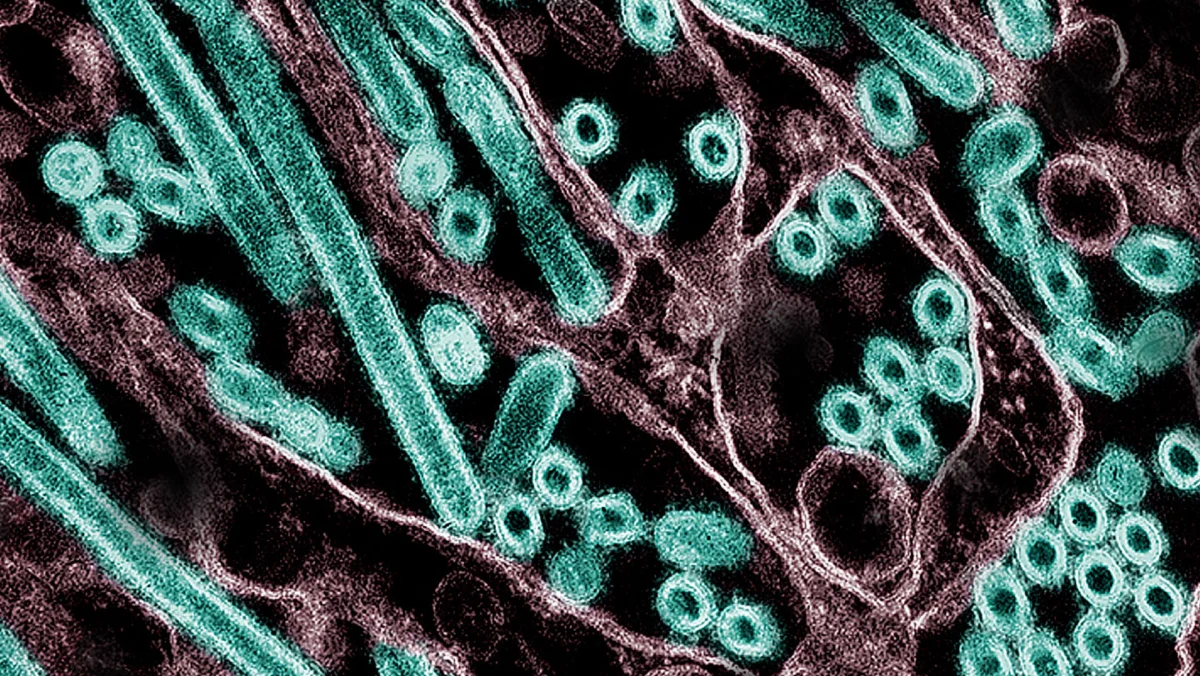
The Andes hantavirus, a formidable pathogen responsible for a severe and often fatal respiratory illness, is being subjected to intense scientific scrutiny. Researchers are delving into the intricate mechanisms by which this virus orchestrates its devastating impact on the human body, a pursuit that holds significant promise for the development of novel therapeutic interventions. While seemingly simple with its limited genetic material, the Andes hantavirus has proven to be a master manipulator of cellular processes and the immune system, underscoring the complexity of viral pathogenesis. Understanding these sophisticated strategies is paramount to devising effective countermeasures against the hemorrhagic fever and pulmonary syndrome it induces.
The Virulence of Andes Hantavirus
Andes hantavirus belongs to the Hantaviridae family, a group of RNA viruses primarily transmitted to humans through contact with the excreta of infected rodents, particularly in the Americas. The virus causes Hantavirus Pulmonary Syndrome (HPS), a rapidly progressing and potentially lethal illness characterized by fever, muscle aches, and respiratory distress, often culminating in acute respiratory failure. Unlike some other hantaviruses that primarily cause hemorrhagic fever with renal syndrome (HFRS), Andes hantavirus is notorious for its high mortality rate in certain regions, particularly in South America. The geographic distribution of Andes hantavirus is primarily concentrated in Chile and Argentina, where outbreaks have been documented.
The virulence of Andes hantavirus stems from its ability to evade and subvert the host’s immune response while simultaneously inducing a cascade of inflammatory and damaging processes within the lungs and cardiovascular system. The virus targets endothelial cells, the cells lining blood vessels, leading to increased vascular permeability. This breakdown of the vascular barrier results in fluid accumulation in the lungs (pulmonary edema), a hallmark of HPS, and can also contribute to shock and organ dysfunction. The precise molecular pathways involved in this vascular damage are still being elucidated, but evidence suggests a complex interplay between viral proteins and host cellular machinery.
A Limited Arsenal, An Expansive Impact
One of the most intriguing aspects of Andes hantavirus is its relatively small genome, which encodes for only four structural proteins. These proteins, including the nucleoprotein (NP), the glycoprotein precursor (GPC), and the envelope proteins (Gn and Gc), are responsible for viral entry, replication, assembly, and release. Despite this limited genetic repertoire, the virus exhibits an extraordinary capacity to manipulate host cell functions.
The nucleoprotein (NP) plays a crucial role in viral RNA replication and also possesses immunosuppressive properties, helping the virus to establish infection by dampening the host’s immune defenses. The envelope glycoproteins, Gn and Gc, are essential for binding to host cell receptors and mediating viral entry. Beyond these direct roles in the viral life cycle, research is increasingly highlighting the capacity of these proteins to engage with and disrupt host cellular pathways, including those involved in inflammation, apoptosis (programmed cell death), and cell signaling. For instance, studies have indicated that viral proteins can interfere with the production of cytokines, signaling molecules that orchestrate the immune response, leading to an unbalanced and ultimately detrimental inflammatory state.
Historical Context and Emerging Concerns
The emergence of hantavirus infections as a significant public health concern is a relatively recent phenomenon. The first recognized outbreak of HPS in the United States occurred in 1993 in the Four Corners region, caused by the Sin Nombre virus. This event brought hantaviruses into the global spotlight, prompting extensive research into their epidemiology, pathogenesis, and potential treatments.
Andes hantavirus was first identified in the early 1990s following outbreaks in South America. Since then, it has been responsible for numerous cases and has become a subject of considerable public health interest due to its sporadic but severe nature. The virus is typically associated with exposure to rodent habitats, particularly rural and semi-rural areas. Rodent species implicated in the transmission of Andes hantavirus include the long-tailed pygmy rice rat (Oligoryzomys longicaudatus), which is found in parts of Chile and Argentina. Transmission to humans often occurs through inhalation of aerosolized virus particles from rodent urine, feces, or saliva. Direct contact with infected rodents or bites can also lead to infection.
The Path to Treatment: Unveiling Molecular Strategies
The current scientific efforts to combat Andes hantavirus are multifaceted, focusing on understanding its replication cycle, its interaction with host cells, and the host’s immune response. Researchers are employing a range of techniques, including molecular biology, virology, immunology, and bioinformatics, to dissect the virus’s pathogenesis.
One critical area of investigation is identifying specific viral proteins or viral-host interactions that are essential for the virus’s virulence. By pinpointing these key components, scientists can then explore strategies to inhibit them. For example, if a particular viral protein is found to be instrumental in disrupting vascular integrity, developing small molecules or antibodies that block its function could offer a therapeutic avenue.
Furthermore, understanding how the virus manipulates the immune system is crucial. The initial immune response to hantaviruses is often characterized by a surge of pro-inflammatory cytokines, a phenomenon known as a "cytokine storm." While this is an attempt by the body to fight the infection, in the case of Andes hantavirus, it can paradoxically contribute to the severity of the disease by causing widespread inflammation and tissue damage. Therapies aimed at modulating this excessive immune response, perhaps by targeting specific inflammatory pathways or enhancing the production of anti-inflammatory mediators, are also under consideration.
Supporting Data and Emerging Research
Recent research has shed light on specific molecular targets. For instance, studies have identified potential cellular receptors that Andes hantavirus utilizes for entry into human cells. Blocking these receptors could prevent the virus from initiating infection. Additionally, investigations into the viral nucleoprotein’s interaction with cellular proteins are revealing new insights into how the virus interferes with cellular processes and evades immune detection.
Emerging data from in vitro and in vivo models are providing a clearer picture of the timeline of infection and the cellular events that lead to disease. These models allow researchers to observe the virus’s behavior at a microscopic level and to test potential therapeutic agents in a controlled environment. The development of more sophisticated animal models that accurately mimic human hantavirus infection is also a critical component of this research, providing a platform for preclinical drug testing.
Official Responses and Public Health Initiatives
Public health agencies play a vital role in monitoring hantavirus activity, responding to outbreaks, and disseminating information to the public. In regions where Andes hantavirus is endemic, surveillance programs are in place to track rodent populations and identify areas of high risk. Public awareness campaigns educate communities about the importance of rodent control and preventive measures to minimize exposure.
When outbreaks occur, public health officials work to implement control measures, including tracing contacts of infected individuals to prevent further spread, although human-to-human transmission of Andes hantavirus, while rare, has been documented and adds another layer of complexity to containment efforts. The development of diagnostic tests for rapid and accurate detection of hantavirus infection is also a priority, enabling timely medical intervention.
Broader Impact and Future Implications
The ongoing research into Andes hantavirus has implications that extend beyond the immediate threat of this specific pathogen. The fundamental discoveries made in understanding how this virus manipulates cellular machinery and the immune system can inform strategies for combating other viral diseases. The principles of viral evasion, immune dysregulation, and targeted cellular disruption are common themes across many viral infections.
The development of effective treatments for Andes hantavirus could also pave the way for broad-spectrum antiviral therapies. If researchers can identify viral proteins or cellular pathways that are conserved across different hantaviruses or even other families of RNA viruses, these findings could lead to more universal therapeutic approaches.
Furthermore, the study of Andes hantavirus contributes to our broader understanding of zoonotic diseases – infections that spread from animals to humans. As human populations expand and interact more closely with wildlife, the risk of new zoonotic diseases emerging increases. Research into the ecology and transmission of hantaviruses, including Andes hantavirus, helps us to better anticipate and respond to such threats. The long-term implications of this research are the development of a more robust public health infrastructure capable of identifying, containing, and treating emerging infectious diseases, thereby protecting global health. The quest to unravel the secrets of Andes hantavirus is not merely an academic pursuit; it is a critical endeavor with the potential to save lives and enhance our preparedness for future health challenges.