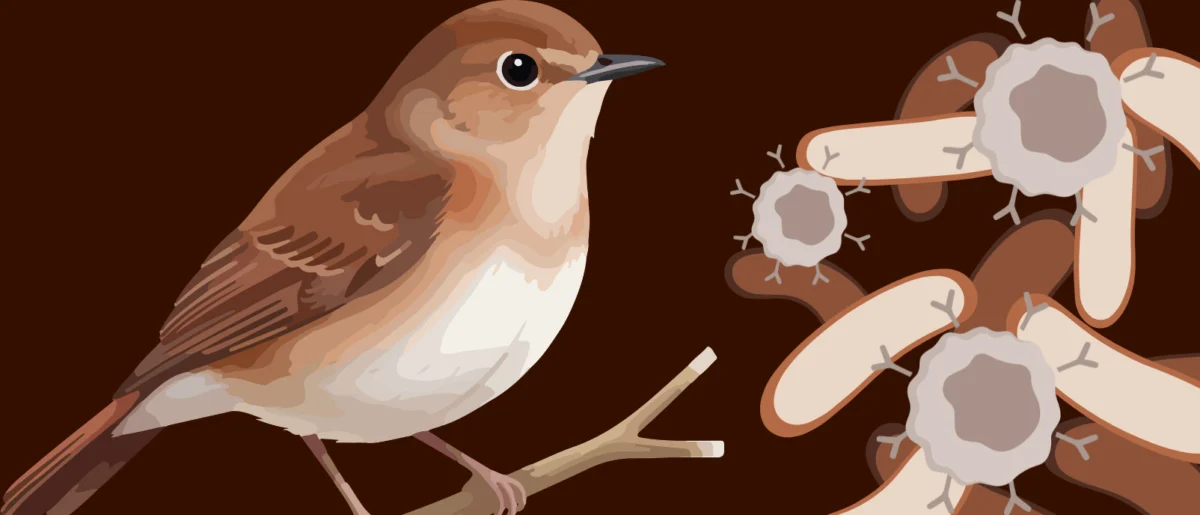
A groundbreaking study conducted by scientists at the University of East Anglia (UEA) in the UK has revealed a fundamental connection between an animal’s immune system and the composition of its gut microbiome. Utilizing the unique natural laboratory of the Seychelles warbler population on Cousin Island, researchers demonstrated that specific immune genes play a crucial role in shaping the community of beneficial microbes residing within an animal’s gut. This discovery, published recently, offers unprecedented insights into the co-evolutionary dance between host immunity and microbial ecosystems, with far-reaching implications for understanding health, disease, and survival across the animal kingdom, including humans.
The intricate relationship between host genetics and the gut microbiome has long been a subject of intense scientific inquiry. While it has been understood that environmental factors like diet and habitat profoundly influence gut microbial communities, the direct genetic mechanisms by which a host organism actively sculpts its internal microbial landscape have remained less clear, particularly in wild populations. This new research provides compelling evidence that the host’s immune system acts as a key orchestrator, determining which microbial species thrive within the gut, thereby influencing overall health and fitness.
The Gut Microbiome: A Hidden Ecosystem Essential for Life
To fully appreciate the significance of this discovery, it is essential to understand the gut microbiome itself. The human body, much like that of any vertebrate, is home to trillions of microorganisms—bacteria, viruses, fungi, and other microbes—collectively known as the microbiome. The vast majority of these reside in the gut, forming a complex and dynamic ecosystem that plays an indispensable role in maintaining host health. Far from being passive inhabitants, these microbes are active partners in numerous physiological processes.
They are crucial for digestion, breaking down complex carbohydrates that the host cannot process, and synthesizing essential vitamins like B and K. Beyond nutrition, the gut microbiome is a critical player in immune system development and function. It helps train the immune system, distinguishing between harmless foreign substances and genuine pathogens, and contributes to the integrity of the gut barrier, preventing harmful substances from entering the bloodstream. Emerging research also highlights the gut-brain axis, suggesting a profound influence of gut microbes on mood, cognition, and neurological health. Dysbiosis, an imbalance in the gut microbiome, has been linked to a myriad of health issues, including inflammatory bowel disease, obesity, allergies, autoimmune disorders, and even neurodegenerative conditions. Given its pervasive influence, understanding the factors that shape this microbial community is paramount.
The Immune System’s Guardian: Major Histocompatibility Complex (MHC)
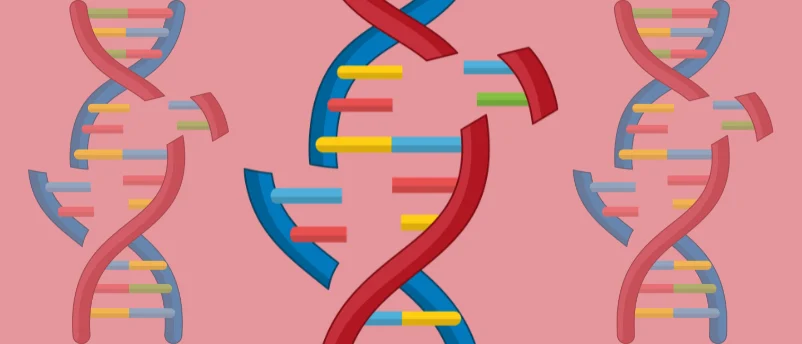
Central to the UEA study is the Major Histocompatibility Complex (MHC), a gene family found in most vertebrates, including birds and humans. The MHC is a cornerstone of the adaptive immune system, responsible for recognizing and presenting foreign antigens (molecules from pathogens like bacteria, viruses, and parasites) to T-cells, thereby initiating a targeted immune response. MHC genes are among the most polymorphic genes in the vertebrate genome, meaning they exhibit an extraordinary degree of variation within a population. This high polymorphism is believed to be an evolutionary adaptation, allowing populations to collectively resist a wider array of pathogens and adapt to evolving disease threats.
In humans, MHC genes are also known as Human Leukocyte Antigen (HLA) genes and are critical in organ transplantation matching due to their role in immune recognition. The diversity of MHC alleles dictates an individual’s specific immune "repertoire," influencing their susceptibility or resistance to various diseases. The direct link between these highly variable immune genes and the specific makeup of the gut microbiome suggests a deeper, evolutionarily conserved mechanism by which the immune system not only fights external threats but also actively manages its internal microbial partners.
Cousin Island: A Living Laboratory in the Indian Ocean
The success of this research hinges on the unique attributes of the Seychelles warbler ( Acrocephalus sechellensis ) population on Cousin Island. Located in the Seychelles archipelago, this small, isolated granite island serves as an unparalleled natural laboratory for long-term ecological and evolutionary studies. The Seychelles warbler, an endemic species to the Seychelles, was once critically endangered, with only 26 individuals remaining on Cousin Island in 1968. Through concerted conservation efforts, particularly by BirdLife International (which purchased the island in 1968 and manages it as a special reserve), the population has rebounded spectacularly. Today, Cousin Island supports a healthy, dense population of warblers, and the species has been successfully translocated to other islands.
This remarkable conservation success story has inadvertently created ideal conditions for scientific research. As senior researcher David Richardson explained, "Cousin Island is small, isolated, and the warblers never leave it." This geographical confinement means that every bird on the island can be individually marked with colored leg rings shortly after hatching and followed throughout its entire life. This continuous, detailed monitoring allows researchers to track individual behavior, health status, reproductive success, and genetic lineage over many generations. Such conditions are rarely found in wild animal populations, offering a level of demographic and genetic data typically only achievable in laboratory settings. "This offers scientists an exceptional opportunity to study life-long biological processes in the wild," Richardson noted, emphasizing the hybrid advantage of studying animals in their natural environment while collecting highly controlled, longitudinal data.
Unraveling the Genetic Connection: Methodology and Findings
The core of the study involved meticulous fieldwork and advanced molecular analysis. Chuen Zhang Lee, a PhD student who conducted the work, collected fecal samples from the individually marked warblers during his fieldwork on Cousin Island. Fecal samples are a non-invasive and practical way to assess gut microbial communities, as they contain shed bacteria that accurately reflect the composition of the gut microbiome. These samples were then subjected to cutting-edge molecular techniques.
The researchers used DNA sequencing to characterize the gut microbiomes of the birds. Specifically, techniques like 16S rRNA gene sequencing are commonly employed to identify the different bacterial species present in a sample and their relative abundances. Simultaneously, genetic analysis was performed on the warblers to genotype their MHC genes. By combining these two datasets – the specific MHC gene variants carried by each bird and the detailed composition of their gut bacteria – the team could employ advanced statistical and modeling approaches to identify correlations.
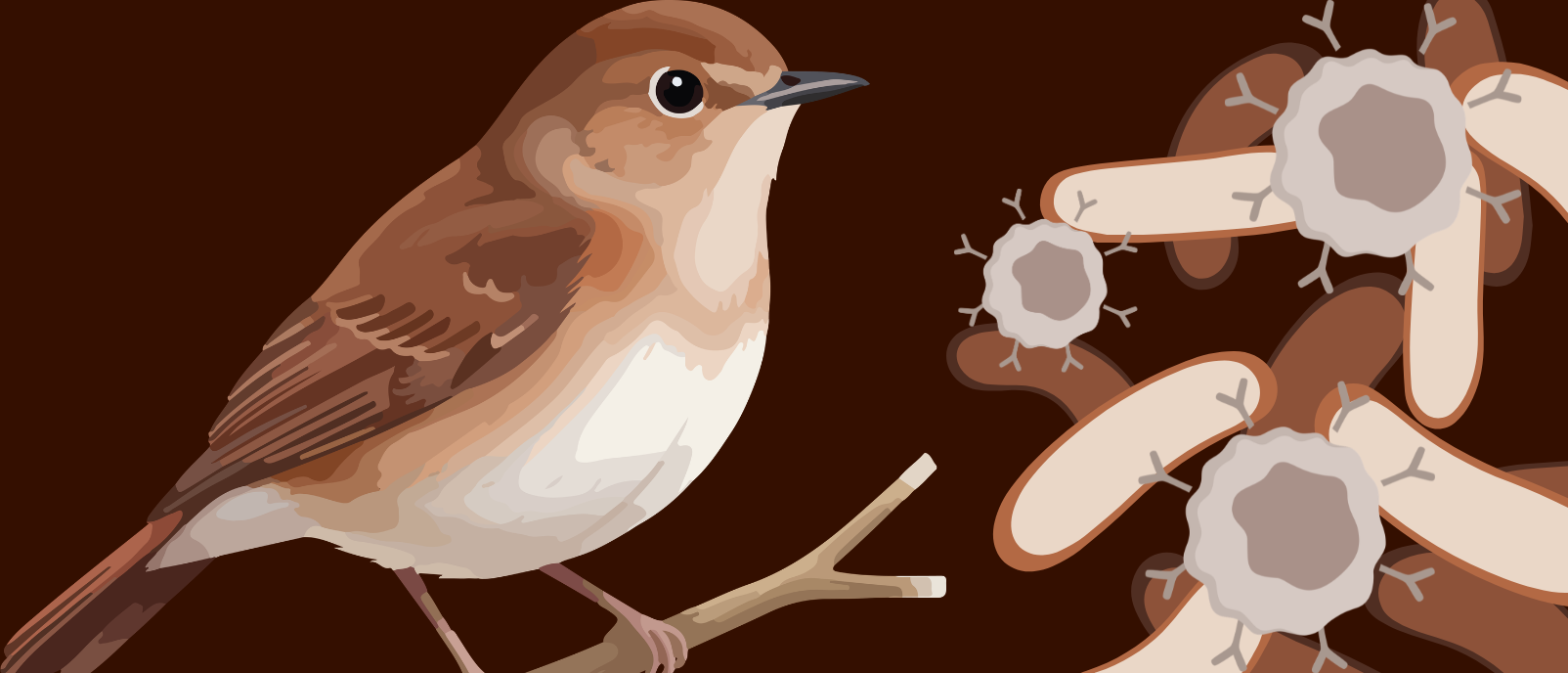
"What we found is that immune genes help shape the gut microbiome in wild animals, with potential beneficial impacts on health and survival," shared Lee. The study demonstrated a clear association between specific variations in the MHC genes and both the overall makeup and the functional capabilities of the gut bacteria. This means that an individual warbler’s genetic predisposition for immune response directly influenced which types of bacteria populated its digestive tract. This finding is significant because it provides a direct genetic link, moving beyond general environmental influences to pinpoint a specific host genetic mechanism.
Beyond Presence: Understanding Microbial Function
Crucially, the researchers did not stop at merely identifying which bacteria were present in the warblers’ guts. As Lee explained, "We also looked at what those bacteria are actually doing. For example, whether they are involved in metabolism, nutrient processing or defense against viruses and other infections." This functional analysis is a critical step forward in microbiome research. Knowing the species present is one thing; understanding their metabolic pathways, their contributions to nutrient assimilation, and their role in modulating immune responses is another entirely.
By investigating the functional profiles of the gut microbiomes, the team could infer how MHC genes might shape these microbial communities in ways that directly impact the host’s health and survival. For instance, certain MHC gene variants might favor gut bacteria that are particularly efficient at extracting nutrients from the warbler’s diet, or those that produce antimicrobial compounds to ward off pathogens. This depth of analysis provides a more holistic view of the immune-microbiome interaction, moving beyond a simple catalog of microbes to a dynamic understanding of their interplay.
A Two-Way Street: Co-evolutionary Dynamics
The findings strongly support the hypothesis of a dynamic, two-way relationship between the immune system and the gut microbiome. As Lee summarized, "Our work suggests a two-way relationship. Immune genes influence the gut microbiome, and the microbiome feeds back to influence immune function." This co-evolutionary perspective is profound. It implies a constant feedback loop where the host’s genetic makeup, particularly its immune genes, selects for certain microbial partners, and in turn, these microbial partners further train and fine-tune the host’s immune system.
This intricate interplay also points to the concept of evolutionary trade-offs. By shaping the gut microbiome in different ways, immune genes may help balance the benefits and costs of hosting certain microbes. For example, a particular MHC variant might promote a gut community that is highly effective against a prevalent parasite but less efficient at nutrient absorption, or vice-versa. Over evolutionary time, this dynamic selection pressure would lead to the observed diversity in both MHC genes and gut microbial communities, explaining how hosts and their microbial partners evolve together in a delicate balance. This continuous co-evolutionary arms race between host and microbe drives adaptation and diversification in both.
Broader Implications for Human Health and Conservation
While the study was conducted on a small island bird, its implications resonate widely across the vertebrate lineage, including humans. The researchers emphasize that the underlying biological mechanisms governing the interaction between MHC genes and gut bacteria are likely conserved across many species. This means that similar genetic influences on the human gut microbiome could be at play, affecting individual susceptibility to various diseases and responses to treatments.
For human health, this research opens new avenues for personalized medicine. Understanding an individual’s genetic predisposition through their MHC genes could one day inform tailored dietary recommendations, probiotic therapies, or even preventative strategies for autoimmune diseases, allergies, and metabolic disorders. If certain MHC profiles are linked to specific beneficial or detrimental microbial compositions, it could revolutionize diagnostic and therapeutic approaches to gut-related conditions.
Beyond human health, the findings hold significant weight for conservation biology. Understanding how immune genes influence disease resistance through the microbiome could be crucial for managing vulnerable wild populations. In species facing new pathogens or environmental stressors, maintaining genetic diversity in immune genes might be vital for fostering a resilient gut microbiome capable of defending against threats. This could inform breeding programs, reintroduction efforts, and habitat management strategies for endangered species.
Expert Perspectives and Future Horizons
David Richardson highlighted the broader significance, stating, "In simple terms, an animal’s immune system may help determine which microbes can live in its gut, while those microbes in turn help support and train the individual’s immune system." This elegant summation underscores the reciprocity of the relationship. The University of East Anglia, known for its strong research in ecology and evolution, continues to push the boundaries of understanding complex biological systems. This study exemplifies the power of long-term field research combined with advanced genomic techniques to uncover fundamental biological principles.
The scientific community is likely to view this study as a critical piece of the ever-growing puzzle of host-microbe interactions. It provides a robust, real-world example of genetic influence, complementing laboratory-based studies. Future research will undoubtedly build upon these findings, exploring the precise molecular pathways through which MHC genes exert their influence, investigating the impact of specific microbial functional changes on host physiology, and applying these insights to a wider array of species, including humans. The potential to unlock new therapeutic targets and conservation strategies based on this profound genetic linkage is immense, marking a new frontier in the study of immunity, gut health, and evolutionary biology.
Frozen in Time: Ancient Bacteria Reveals Multidrug Resistance
In a related but distinct scientific development underscoring the enduring nature and adaptive capabilities of microorganisms, another recent study highlighted the sequencing of the genome of a bacterial strain trapped in cave ice for 5,000 years. This ancient bacterium emerged from its frozen dormancy with multidrug resistance, providing a fascinating glimpse into the evolutionary history of antimicrobial resistance. The discovery challenges assumptions about the recent origins of such resistance, suggesting that mechanisms for drug resistance have existed in nature for millennia, long before the widespread use of antibiotics in modern medicine. This kind of research contributes to a broader understanding of microbial resilience and adaptation, which is crucial for addressing contemporary challenges like the global rise of antibiotic-resistant "superbugs."
This article has been rewritten and enriched based on the original story from the University of East Anglia (UK). Material has been expanded and contextualized to meet journalistic standards for depth and scope.