Since its inception in 1921, Science News has served as a cornerstone of independent, nonprofit journalism, dedicated to translating complex scientific, medical, and technological advancements into accessible information for the general public. Founded during an era when the rapid industrialization of the early 20th century necessitated a more informed citizenry, the publication has maintained a steadfast commitment to accuracy and evidence-based reporting. Today, published by the Society for Science—a 501(c)(3) nonprofit organization—the outlet continues to operate under the same mission that guided its founders: to empower readers to evaluate the world around them through the lens of rigorous scientific inquiry.
The Historical Context of Scientific Journalism
The early 1920s represented a pivotal moment for scientific communication. Following the conclusion of World War I, the global community witnessed a surge in technological progress, ranging from the proliferation of radio communication to advancements in medical sanitation and aviation. However, the gap between specialized scientific research and the public’s understanding remained vast. Science News was established to bridge this divide, providing a bridge between the laboratory and the living room.
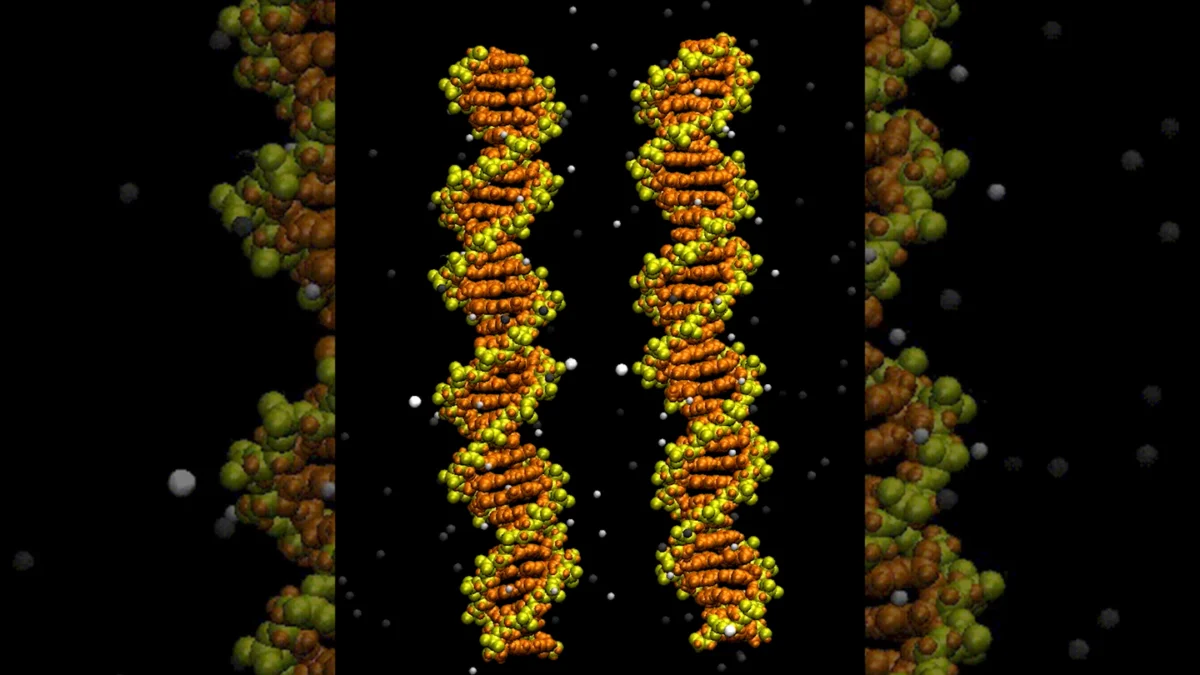
Operating as an independent entity, the publication resisted the commercial pressures that often dictated the tone of mainstream newspapers of the time. By focusing on peer-reviewed research and expert interviews, it carved out a niche that prioritized factual integrity over sensationalism. This approach proved vital during the mid-20th century, particularly during the space race and the discovery of the structure of DNA, where the publication provided essential context to the rapidly shifting paradigms of the era.
Chronology of Institutional Growth
The trajectory of Science News is inextricably linked to the history of its parent organization, the Society for Science. The following timeline outlines the evolution of the publication and the organization that sustains it:
- 1921: Science News is founded as a weekly service to provide accurate, concise reports on scientific research.
- 1940s–1950s: The publication expands its coverage to include the burgeoning fields of nuclear physics and molecular biology, solidifying its reputation as a trusted source for policymakers and researchers alike.
- 1970s: The publication undergoes a modernization phase, incorporating more visual data and comprehensive investigative reports that explored the environmental impacts of industrialization.
- 2008: In a major digital pivot, the organization transitions to a more robust online presence, allowing for real-time reporting on scientific breakthroughs.
- 2021: Science News marks its centennial, reflecting on 100 years of documenting the major shifts in human knowledge, from the discovery of Pluto to the global response to the COVID-19 pandemic.
Data-Driven Reporting and Institutional Standards
The operational model of Science News relies on a rigorous editorial process that mirrors the scientific method itself. With a nonprofit structure, the publication is insulated from the volatility of advertising-driven models that often force traditional media to prioritize high-traffic, low-substance headlines.
According to internal audits by the Society for Science, the organization annually reaches millions of individuals through its digital platforms, print archives, and educational outreach programs. The impact of this reporting is measured not just in readership numbers, but in the integration of its content into STEM curricula across the United States. Furthermore, the Society for Science facilitates programs such as the Regeneron Science Talent Search and the International Science and Engineering Fair, ensuring that the legacy of scientific inquiry is passed to the next generation of researchers.
Perspectives on the Role of Science Journalism
Industry analysts often cite Science News as a benchmark for nonprofit journalism. By maintaining an EIN (53-0196483) and operating as a 501(c)(3), the organization is required to prioritize transparency and public benefit. This organizational status is significant; it ensures that the primary stakeholder of the publication is the public, rather than corporate shareholders.
"The necessity for independent science reporting has never been greater," notes an editorial spokesperson for the Society for Science. "In an era of information fragmentation and the rapid spread of misinformation, providing a reliable, fact-checked narrative regarding climate change, public health, and technological ethics is an essential public service. Our role is to ensure that the public has the tools to distinguish between peer-reviewed consensus and anecdotal claims."
The Broader Impact: Science in the Public Interest
The implications of Science News’ long-standing operation extend beyond mere news dissemination. By fostering scientific literacy, the organization contributes to a more informed democratic process. When voters understand the scientific basis for climate change, vaccine efficacy, or the risks and benefits of artificial intelligence, they are better equipped to engage with policy debates.
The publication’s commitment to "empowering people to evaluate the news" represents a shift from passive consumption to active engagement. By providing the background context of a study—its methodology, the size of the sample, and the potential conflicts of interest—Science News teaches its readers how to be critical consumers of information.
Analysis of Contemporary Scientific Challenges
As we move deeper into the 21st century, the challenges facing scientific journalism are evolving. The rise of social media platforms has created an environment where complex scientific topics are often reduced to soundbites. Science News counters this by dedicating substantial space to long-form investigative pieces that provide necessary nuance.
For instance, in its recent coverage of climate mitigation strategies, the publication has prioritized the analysis of carbon sequestration technologies and the socio-economic impact of energy transitions. By avoiding the pitfalls of climate alarmism or blind technological optimism, the coverage provides a balanced view that focuses on the practical limitations and potential of these innovations.
Institutional Sustainability and Future Goals
Looking ahead, the Society for Science aims to expand its digital footprint to reach underserved communities, ensuring that scientific information is accessible regardless of socioeconomic status. The organization continues to leverage its nonprofit status to secure grants and donations that fund in-depth research, which is often prohibitively expensive for commercial news outlets.
Furthermore, the integration of new media—including podcasts, webinars, and interactive data visualization—serves as a modern extension of the publication’s founding principles. By meeting readers where they are, Science News ensures that the 1921 mission remains relevant in a digital-first world.
Conclusion: A Legacy of Accuracy
For over a century, Science News has navigated the complexities of scientific advancement with a focus on objectivity and public empowerment. Its history serves as a case study for the value of nonprofit, independent journalism in a healthy society. As scientific fields become increasingly specialized, the need for a generalist publication that can synthesize and explain these developments will only grow.
By maintaining its dedication to the Society for Science’s mission, the publication remains a critical component of the scientific ecosystem. It does not merely report on the news; it provides the context, the history, and the scientific rigor required to navigate an increasingly complex world. As it looks toward the next century, Science News stands as a testament to the enduring power of evidence-based inquiry and the importance of an informed public in the shaping of our collective future. Through its continued commitment to accuracy, the publication ensures that the light of scientific knowledge remains accessible to all.