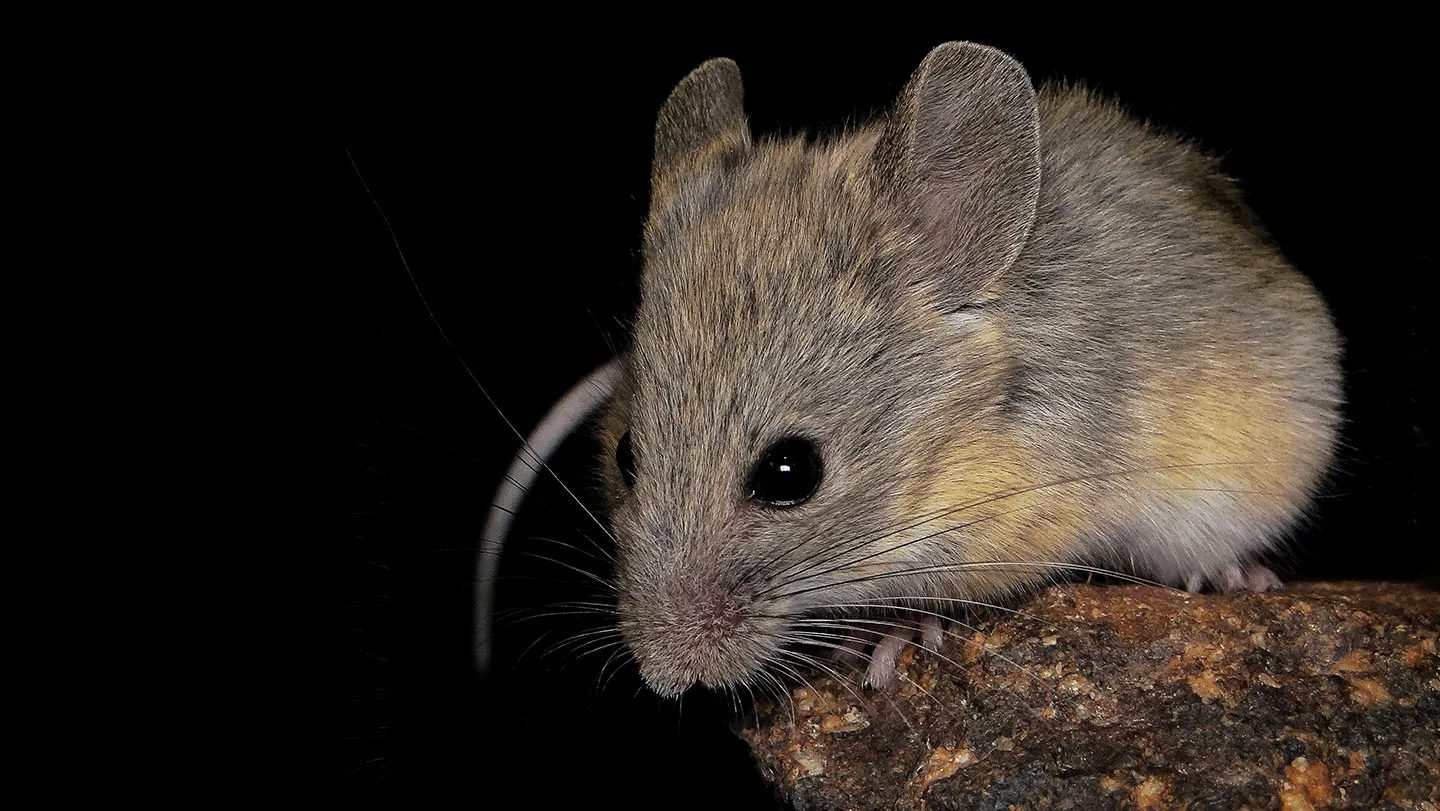
The remarkable adaptability of life at Earth’s extremes is underscored by a recent study revealing how the Andean leaf-eared mouse ( Phyllotis andium ), the planet’s highest-dwelling mammal, has evolved to thrive in the frigid, oxygen-depleted conditions of high-altitude environments. Researchers have discovered that these resilient rodents generate significantly more body heat than their counterparts living at lower elevations, a crucial adaptation that allows them to survive and reproduce in environments where most other mammals would perish.
The findings, published in the July 9 edition of the journal Science, shed light on the physiological strategies employed by mammals to cope with extreme cold and hypoxia. The study, led by a team of international scientists, focused on comparing populations of Phyllotis andium found at vastly different altitudes across the Andes mountain range. The research involved meticulously collecting data on metabolic rates, body temperature regulation, and other physiological markers in mice sampled from altitudes exceeding 4,000 meters (approximately 13,000 feet) down to sea level.
Physiological Adaptations to Extreme Cold
Life at high altitudes presents a dual challenge for mammals: extreme cold and reduced atmospheric oxygen. The air at these elevations is significantly thinner, meaning less oxygen is available with each breath. Simultaneously, ambient temperatures can plummet well below freezing, requiring animals to expend considerable energy to maintain their internal body temperature.
The study’s core discovery centers on thermogenesis, the process by which organisms generate heat. The high-altitude dwelling Andean leaf-eared mice exhibit a markedly higher basal metabolic rate compared to their lowland relatives. This elevated metabolism translates directly into increased heat production, allowing them to maintain a stable core body temperature even when exposed to sub-zero conditions. This enhanced thermogenic capacity is not merely a passive consequence of being cold; it is an active, evolved physiological trait.
"Our research indicates that these mice have essentially ‘turned up the thermostat’ internally," explained Dr. Elena Rodriguez, a lead author of the study and a physiologist specializing in animal adaptations. "They are metabolically more active, burning more fuel to produce more heat, which is essential for survival in their challenging habitat."
The researchers employed a combination of field observations and laboratory experiments to gather their data. Over several years, field teams navigated treacherous mountain terrains to capture and collect physiological data from wild mouse populations. Back in controlled laboratory settings, these animals were further studied to quantify their metabolic rates under various temperature conditions. Techniques such as indirect calorimetry were used to measure oxygen consumption and carbon dioxide production, providing precise insights into their energy expenditure and heat generation.
Genetic Underpinnings of High-Altitude Survival
While the study primarily focused on physiological adaptations, the researchers also alluded to the potential genetic basis for these differences. It is highly probable that specific genetic mutations have arisen and been selected for in high-altitude populations over generations, conferring a survival advantage. These genetic changes would likely influence metabolic pathways, mitochondrial function, and the efficiency of heat production.
"Understanding the genetic architecture behind these adaptations is the next frontier," stated Dr. Jian Li, a geneticist involved in the research. "If we can pinpoint the genes responsible for enhanced thermogenesis, it could offer invaluable insights into metabolic disorders and the broader mechanisms of mammalian adaptation to environmental stress."
The implications of such genetic insights could extend beyond understanding rodent physiology. Similar metabolic adaptations in humans have been linked to conditions like obesity and diabetes. Studying how other mammals have evolved to efficiently manage energy expenditure and heat production in extreme environments could offer novel therapeutic targets.
Historical Context and Evolutionary Trajectory
The Andes mountain range, stretching along the western edge of South America, has long been a natural laboratory for studying evolution. The formation of these towering peaks over millions of years created diverse ecological niches, driving the diversification of numerous species. The Andean leaf-eared mouse is believed to have colonized higher altitudes over a significant evolutionary timescale, likely encountering increasingly harsh conditions that favored individuals with superior cold tolerance.
The divergence between high-altitude and low-altitude populations of Phyllotis andium likely began with ancestral populations that gradually moved upwards, perhaps following food sources or seeking refuge from predators. As these groups became isolated at different elevations, natural selection would have acted upon variations within the populations. Individuals with even slight advantages in heat production or oxygen utilization would have been more likely to survive and reproduce, passing on their advantageous traits to their offspring.
The current study provides compelling evidence of the extent of this evolutionary divergence. The difference in heat production between the highest and lowest dwelling mice is not subtle; it represents a significant physiological shift, indicative of substantial evolutionary adaptation.
Broader Implications for Mammalian Physiology and Climate Change
The findings have far-reaching implications for our understanding of mammalian physiology and the potential impacts of climate change. As global temperatures rise, many species may face unprecedented challenges in adapting to new thermal regimes. Conversely, in some regions, warming might create new opportunities for species to colonize previously inhospitable high-altitude or high-latitude areas.
The Andean leaf-eared mouse serves as a powerful example of how life can find remarkable ways to persist in extreme environments. The study highlights that adaptation is not a one-size-fits-all process; it involves a complex interplay of physiological and potentially genetic mechanisms tailored to specific environmental pressures.
Furthermore, the research contributes to a growing body of evidence suggesting that metabolic rate is a highly plastic trait that can be subject to rapid evolutionary change. The ability to fine-tune energy expenditure is critical for survival in fluctuating or extreme conditions, and the Andean leaf-eared mouse demonstrates an exceptional capacity in this regard.
Future Research Directions
The research team plans to continue their investigations into Phyllotis andium. Future studies will likely delve deeper into the specific cellular and molecular mechanisms underlying the enhanced thermogenesis. This could involve examining the role of brown adipose tissue (BAT), a specialized type of fat tissue known for its ability to generate heat, and investigating the efficiency of cellular respiration in the high-altitude mice.
The team also aims to expand their comparative analysis to other high-altitude mammal species in the Andes and other mountain ranges globally. By identifying common patterns and unique strategies of adaptation, scientists can build a more comprehensive picture of the evolutionary processes that allow mammals to conquer extreme environments.
"This study is just the tip of the iceberg," Dr. Rodriguez concluded. "The Andean leaf-eared mouse is a testament to the incredible resilience and adaptability of life on Earth. Continued research into these fascinating creatures will undoubtedly yield further insights into the fundamental principles of biology and evolution."
The research was funded by grants from the National Science Foundation and the National Geographic Society, underscoring the broad scientific interest in understanding life at Earth’s extremes. The collaborative nature of the study, involving researchers from multiple institutions and countries, highlights the global effort to unravel the mysteries of biological adaptation.