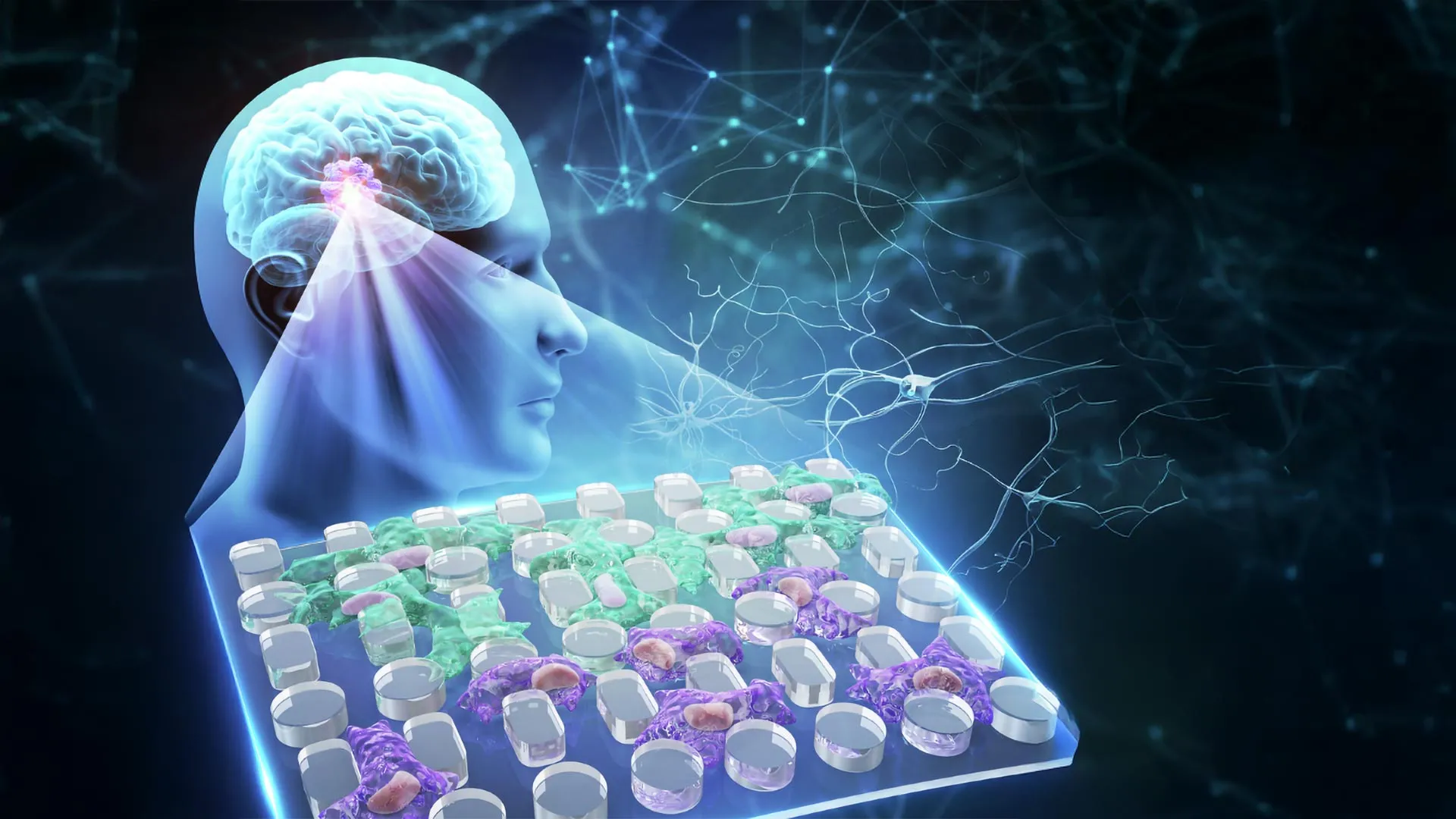
The profound loss of appetite that accompanies severe gastrointestinal distress is a universal human experience, yet the precise biological mechanisms that translate a gut-based infection into a behavioral change in the brain have long remained elusive. Millions of individuals globally, particularly those in regions where parasitic helminth infections are endemic, suffer from chronic malnutrition and weight loss not just because the parasites consume nutrients, but because the host’s own body suppresses the urge to eat. New research from the University of California, San Francisco (UCSF), published in the journal Nature on March 25, has finally mapped the cellular "circuitry" responsible for this phenomenon. The study identifies a sophisticated relay system involving specialized gut cells, chemical neurotransmitters, and the vagus nerve, revealing how the immune system actively recruits the nervous system to alter host behavior.
This discovery, led by a team including 2021 Nobel Laureate David Julius, PhD, and renowned immunologist Richard Locksley, MD, provides a missing link in our understanding of the "gut-brain axis." By pinpointing the exact molecular logic used by the intestines to signal the brain during an infection, the research opens new avenues for treating not only parasitic infections but also a wide array of inflammatory and functional gastrointestinal disorders, such as irritable bowel syndrome (IBS), food intolerances, and chronic visceral pain.
The Sentinel and the Messenger: Identifying the Key Cellular Players
At the heart of this biological relay are two rare and specialized types of cells located in the epithelial lining of the intestines: tuft cells and enterochromaffin (EC) cells. While both have been known to science for decades, their specific interactions during an immune challenge were previously misunderstood or entirely unknown.
Tuft cells, named for the brush-like bundle of microvilli that protrudes from their surface into the gut lumen, act as the primary sentinels of the intestinal tract. They are equipped with receptors designed to "taste" the contents of the gut, searching for chemical signatures of intruders. When a parasitic worm enters the digestive system, it releases various metabolites, including a compound called succinate. The tuft cells detect this succinate, triggering a cascade of immune responses known as Type 2 immunity, which is responsible for expelling parasites and managing allergic reactions.
However, tuft cells do not have a direct line to the brain. To communicate a "sickness" signal, they must pass the information to enterochromaffin (EC) cells. EC cells are the body’s primary producers of serotonin, a neurotransmitter that, in the context of the gut, regulates motility and triggers sensations of nausea and discomfort. The UCSF team discovered that when tuft cells sense a parasite, they release a signaling molecule called acetylcholine. This was a surprising find, as acetylcholine is traditionally associated with neurons rather than epithelial cells.
Mapping the Molecular Logic: From Succinate to Serotonin
The research, spearheaded by first author Koki Tohara, PhD, utilized advanced imaging and genetic engineering to observe these cellular interactions in real-time. To confirm the pathway, Tohara developed a system using "sensor cells" placed in close proximity to tuft cells under a microscope. When exposed to succinate—the parasite byproduct—the tuft cells released acetylcholine, which caused the neighboring sensor cells to glow.
The study further demonstrated that the EC cells possess receptors specifically tuned to receive this acetylcholine signal. Once the EC cells are "activated" by the tuft cells, they release a surge of serotonin. This serotonin then binds to the terminals of the vagus nerve, the massive neural highway that connects the internal organs directly to the brainstem. Once the vagus nerve carries this signal to the brain’s sensory centers, the result is a rapid and sustained suppression of appetite.
"The question we wanted to answer was not just how the immune system fights parasites, but how it recruits the nervous system to change behavior," explained Dr. David Julius, professor and chair of Physiology at UCSF. "It turns out there’s a very elegant molecular logic to how that happens."
The Two-Phase Signaling Strategy: A Delayed Behavioral Shift
One of the most significant findings of the study is the discovery that this signaling process occurs in two distinct phases. This chronological delay explains why a person might feel relatively normal during the initial hours of an infection, only to become severely symptomatic and lose their appetite several days later.
In the first phase, existing tuft cells release a brief, initial burst of acetylcholine upon first contact with the parasite. This serves as an early warning system but is often not strong enough to trigger a full-scale behavioral change. However, as the immune system responds to the infection, it triggers a process called hyperplasia, where the number of tuft cells in the gut increases dramatically.
In the second phase, this expanded population of tuft cells begins a slow, sustained release of acetylcholine. This "volume-up" approach ensures that the signal to the EC cells—and subsequently the brain—is persistent and powerful. According to Dr. Julius, this delay is an evolutionary safeguard. The gut essentially waits to confirm that a threat is persistent and real before signaling the brain to initiate a major behavioral shift like the cessation of eating, which carries its own metabolic risks.
Supporting Data: Testing the Pathway in Vivo
To validate these laboratory findings, the UCSF team conducted experiments using mouse models infected with Nippostrongylus brasiliensis, a parasitic nematode. The researchers compared two groups of mice: a control group with normal tuft cell function and a genetically modified group whose tuft cells lacked the ability to produce or release acetylcholine.
The data were definitive. The control mice followed the expected pattern: as the parasitic infection became established over several days, their food intake dropped significantly, and they exhibited signs of "sickness behavior." In contrast, the mice that could not produce acetylcholine in their tuft cells continued to eat at normal levels, despite having the same level of parasitic infection. This confirmed that the tuft-cell-to-EC-cell pathway is the primary driver of appetite loss during these infections.
Furthermore, the researchers used lab-grown "organoids"—miniature versions of the intestinal lining—to show that the introduction of acetylcholine alone was sufficient to trigger serotonin release from EC cells, bypassing the need for an actual parasite. This level of mechanical isolation proved that the acetylcholine-serotonin link is the specific "handshake" between the immune and nervous systems.
Broader Implications for Digestive Health and Chronic Pain
While the study focused on parasitic infections, the implications of this discovery extend far into the realm of modern gastroenterology. Tuft cells and EC cells are present in the human gut regardless of whether a parasite is present, and they are known to be involved in the body’s reaction to certain allergens and irritants.
The researchers suggest that this newly mapped pathway may be hyperactive or "misfiring" in patients with Irritable Bowel Syndrome (IBS) or severe food intolerances. In these conditions, the gut may be sending "sickness" signals to the brain in response to harmless stimuli, leading to chronic nausea, bloating, and loss of appetite. By understanding the specific receptors involved in the tuft-cell-to-EC-cell communication, pharmaceutical researchers may be able to develop drugs that "mute" this signal, providing relief to millions of chronic sufferers.
"Controlling the outputs of tuft cells could be a way to control some of the physiologic responses associated with these infections," said co-senior author Richard Locksley, MD. He noted that tuft cells are also found in the respiratory tract, the gallbladder, and even the reproductive system, suggesting that this signaling logic might be a universal mechanism used by the body to coordinate immune and nervous system responses across different organ systems.
Global Health Context and Future Directions
The global impact of these findings cannot be overstated. According to the World Health Organization (WHO), over 1.5 billion people—nearly 24% of the world’s population—are infected with soil-transmitted helminths. These infections are a leading cause of stunted growth and cognitive impairment in children, largely due to the chronic loss of appetite and subsequent malnutrition.
Current treatments focus almost exclusively on deworming medications to kill the parasites. However, these drugs do not address the physiological "aftermath" of the infection, where the gut-brain signaling may remain disrupted for weeks or months. By identifying the acetylcholine-serotonin pathway, this research provides a potential target for adjunctive therapies that could help restore appetite and accelerate recovery in vulnerable populations.
The collaboration between UCSF and the University of Adelaide in Australia highlights the interdisciplinary nature of modern biomedical research, combining immunology, physiology, and neuroscience. As the scientific community continues to explore the "second brain" in the gut, the work of Julius, Locksley, and Tohara stands as a landmark in understanding how our bodies perceive and respond to the microscopic world within us.
The next phase of research will likely focus on whether this same pathway is involved in other "sickness behaviors," such as lethargy and increased pain sensitivity, and whether blocking these signals could improve the quality of life for patients undergoing treatments that irritate the gut, such as chemotherapy. For now, the study provides a clear and "elegant" answer to a mystery as old as the human stomach itself.