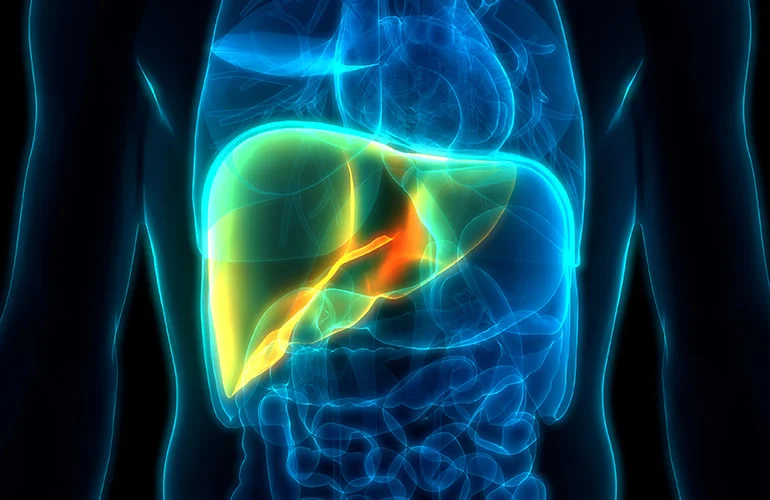
For decades, fatty liver disease, specifically metabolic dysfunction-associated steatotic liver disease (MASLD), and its more severe inflammatory form, metabolic dysfunction-associated steatohepatitis (MASH), remained largely underdiagnosed and undertreated conditions. Characterized by excessive fat accumulation in the liver, MASH can progress to fibrosis, cirrhosis, liver failure, and even hepatocellular carcinoma, posing a significant global health challenge. Despite its serious implications, therapeutic options were historically scarce, leading to what many in the pharmaceutical industry referred to as a "graveyard for drug discovery." However, a new era of therapeutic innovation is dawning, with companies like Boehringer Ingelheim making a concerted push into this critical area. At the forefront of their efforts is survodutide, a novel GLP-1/glucagon receptor dual agonist, which has already demonstrated significant promise in obesity and is now being rigorously evaluated for its potential in MASH.
Boehringer Ingelheim’s strategic commitment to addressing MASH is underscored by its comprehensive clinical development program, known as LIVERAGE. This Phase 3 program is specifically designed to assess survodutide in adults diagnosed with MASH and liver fibrosis, representing a significant investment in a disease area that has long eluded effective treatment. Neeraja Balachander, who oversees the company’s cardio-renal-metabolic portfolio, emphasized the breadth of this initiative. "We have a program in MASH, in the liver, the LIVERAGE program, plus a robust data-generation program to come over the next couple of years, because we want to bring a comprehensive package for metabolic health," Balachander stated, highlighting the ambition to deliver a holistic solution for patients grappling with complex metabolic disorders. This approach reflects a growing understanding within the scientific community that MASH is not an isolated liver condition but rather a systemic metabolic disease intrinsically linked to obesity, type 2 diabetes, and other cardiometabolic risk factors.
Survodutide’s Efficacy: Beyond Weight Loss to Liver Health
While MASH is a primary focus for survodutide, the drug has already garnered significant attention for its efficacy in obesity. The headline readout for survodutide’s broader metabolic impact came from the SYNCHRONIZE-1 trial, a 76-week Phase 3 study involving 725 adults with obesity but without diabetes. Published on June 7 in The New England Journal of Medicine, the trial showcased survodutide’s robust weight-loss capabilities. Participants receiving the higher 6.0-mg dose achieved an average body weight reduction of 13.0% under the trial’s primary analysis, a stark contrast to the 5.4% observed in the placebo group. Furthermore, an impressive 71.9% of participants on the 6.0-mg dose experienced at least a 5% reduction in body weight, meeting both primary endpoints. These results position survodutide as a formidable contender in the rapidly expanding obesity treatment market, alongside established GLP-1 agonists like semaglutide and tirzepatide.
Crucially for its MASH ambitions, survodutide’s impact extends directly to liver health. Boehringer Ingelheim presented compelling liver-fat reduction data at the 2026 American Diabetes Association (ADA) Scientific Sessions. Balachander described these presentations as an initial glimpse into survodutide’s full potential, stating, "This is just our first tranche of [survodutide] data coming out at ADA." Within the same SYNCHRONIZE-1 trial, survodutide was shown to reduce liver fat by up to 63.1%. A separate, dedicated trial, SYNCHRONIZE-MASLD, further solidified these findings, demonstrating that approximately 6 out of 10 patients achieved liver fat normalization after 48 weeks of treatment. This significant reduction in liver fat is a critical indicator of therapeutic success in MASH, as excessive fat accumulation is the foundational pathology leading to inflammation and subsequent fibrosis. The ability of survodutide to directly address this root cause positions it uniquely in the MASH treatment paradigm.
A Shifting Landscape: From "Graveyard" to New Hope for MASH
The growing attention from pharmaceutical sponsors towards MASH marks a significant turning point for a disease that has historically been fraught with clinical trial failures. For many years, drug development in MASH was characterized by late-stage disappointments. Companies like Gilead saw their selonsertib miss Phase 3 endpoints in advanced fibrosis and compensated cirrhosis. Genfit’s elafibranor failed its interim analysis in the Phase 3 RESOLVE-IT trial, and Intercept’s obeticholic acid faced an FDA rejection. These setbacks led to widespread skepticism and a reluctance to invest heavily in MASH research, contributing to its "graveyard" reputation.
However, recent breakthroughs have dramatically reshaped the therapeutic landscape. In March 2024, Madrigal Pharmaceuticals’ Rezdiffra (resmetirom), an oral thyroid hormone receptor-beta agonist, made history as the first FDA-approved treatment specifically for MASH/NASH with moderate-to-advanced fibrosis. This landmark approval provided much-needed validation for the field and opened the door for further innovation. Building on this momentum, the FDA followed in August 2025 with an accelerated approval of Novo Nordisk’s Wegovy (semaglutide) for adults with noncirrhotic MASH and moderate-to-advanced fibrosis. This marked the first GLP-1 therapy cleared for the condition, albeit contingent on confirmatory evidence. These approvals signal a paradigm shift, demonstrating that effective treatments for MASH are not only possible but are now reaching patients.
The Scientific Appeal of MASH and Survodutide’s Mechanism
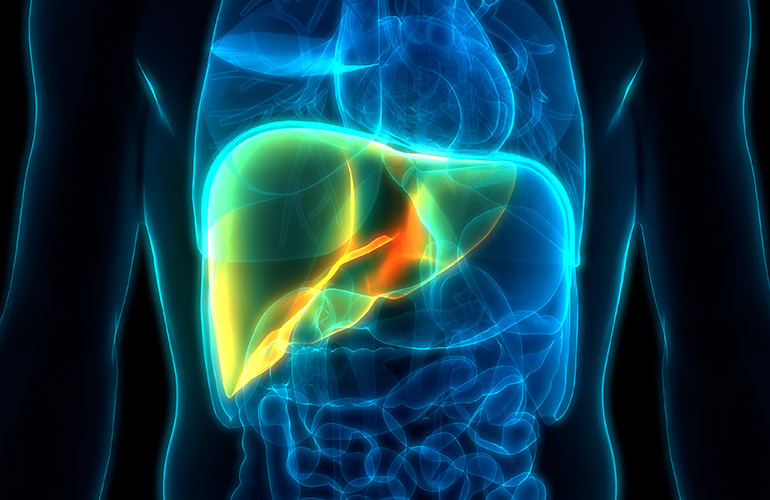
Neeraja Balachander articulated the scientific appeal of MASH by referring to "medicine 101." The liver, as the largest internal organ, possesses a remarkable capacity for regeneration. Moreover, liver fibrosis, the scarring that often accompanies MASH progression, is, to some extent, reversible. This inherent plasticity of the liver offers a powerful biological rationale for therapeutic intervention. Despite this potential, MASH’s complexity and its deep metabolic roots made it a formidable challenge for drug developers, as evidenced by the earlier failures.
Survodutide’s unique mechanism of action as a GLP-1/glucagon receptor dual agonist positions it advantageously in tackling MASH. While its GLP-1 component aligns it with existing incretin-based obesity drugs like semaglutide and tirzepatide, the addition of glucagon agonism provides a distinct therapeutic angle. Glucagon receptors are predominantly found on key metabolic organs, including the liver, pancreas, kidney, lungs, and heart. MASH fundamentally begins with the accumulation of fat within the liver, which then disrupts its normal architecture and triggers inflammation.
The mechanistic rationale for survodutide in MASH begins with insulin resistance, a central metabolic dysfunction that connects obesity, type 2 diabetes, and fatty liver disease. Balachander elaborated on this intricate link: "It’s very interesting, because the insulin resistance triggers another point. In MASH, people have found glucagon resistance: the body produces glucagon but somehow it doesn’t act on the liver." This impaired glucagon signaling, she explained, appears to be a significant factor contributing to the excessive fat accumulation observed in the organs of patients with MASLD. By activating both GLP-1 and glucagon receptors, survodutide aims to normalize these critical hormonal pathways, addressing both insulin and glucagon resistance, thereby mitigating hepatic steatosis and inflammation. GLP-1 agonism typically enhances insulin secretion, suppresses glucagon, and slows gastric emptying, leading to improved glycemic control and weight loss. Glucagon agonism, on the other hand, can promote energy expenditure and lipolysis, potentially leading to further reductions in liver fat and overall body weight. The synergistic effects of these dual actions are hypothesized to offer a more comprehensive metabolic correction.
The Strategic Shift: Going Upstream in MASH Research
One of the most profound shifts in MASH research, as highlighted by Balachander, is the move from targeting downstream damage to addressing upstream metabolic triggers. Early efforts in MASH drug development often focused on mitigating the consequences of the disease, such as inflammation and fibrosis, rather than the underlying causes. "We almost came late to the game," Balachander admitted, referring to the initial focus on later-stage manifestations. "Now, we’re going more upstream and asking why there’s inflammation, and I think that’s behind some of the success in MASH drug discovery." This reframing stems from a growing recognition that the inflammation and subsequent fibrosis in MASH are not isolated events but rather consequences of deeper metabolic dysregulation.
Extensive scientific reviews of MASH pathophysiology support this "upstream" perspective, describing the condition as a metabolically driven process. In this context, an excess of fatty acids and toxic lipid intermediates can induce hepatocyte stress, activate macrophages, and trigger fibrotic signaling pathways. These cellular events collectively drive the progression from simple steatosis to inflammatory MASH and ultimately to advanced fibrosis. By targeting insulin and glucagon resistance, survodutide aims to interrupt this cascade at its earliest stages, reducing the metabolic burden on the liver and preventing the onset or progression of inflammation and fibrosis. This strategic shift towards addressing fundamental metabolic imbalances represents a more targeted and potentially more effective approach to MASH treatment.
Broader Implications for Metabolic Health and the Future of Drug Development
The success of drugs like survodutide in MASH has significant implications for the broader field of metabolic medicine. The space has already undergone a dramatic transformation since 2021, when semaglutide received its initial approval for obesity. The emergence of multiple mechanisms competing in the obesity space, including GLP-1 monotherapy, GLP-1/GIP dual agonism (tirzepatide), and now GLP-1/glucagon dual agonism (survodutide), signals a shift towards more sophisticated and targeted interventions.
Balachander predicts that this evolution will have a profound "downstream effect on how we look at targeted mechanisms beyond just weight loss." The focus could move beyond simply the number of pounds lost to what she termed "quality weight loss." This concept implies a more nuanced assessment of treatment efficacy, where benefits extend beyond scale readings to include improvements in body composition (e.g., reduction in visceral fat, preservation of lean muscle mass), resolution of comorbidities like MASH, and overall enhancement of metabolic health markers. For MASH patients, this could mean not only reducing liver fat but also preventing the progression of fibrosis and improving long-term liver outcomes, alongside significant weight management benefits.
The MASH market is projected to grow substantially, driven by the increasing global prevalence of obesity and type 2 diabetes, which are primary risk factors for the disease. Analysts estimate the MASH therapeutic market could reach tens of billions of dollars annually by the next decade. The entry of highly effective drugs like survodutide will intensify competition, but also accelerate innovation, potentially leading to combination therapies or personalized treatment approaches. For patients, this translates to a future with more options, offering hope for a condition that once offered very little. Boehringer Ingelheim’s robust LIVERAGE program and the promising early data for survodutide position the company as a key player in this evolving and critical area of metabolic medicine, poised to make a substantial impact on global health. The ongoing Phase 3 trials will be crucial in solidifying survodutide’s place as a transformative therapy for MASH, marking a new chapter in the fight against liver disease and its metabolic underpinnings.