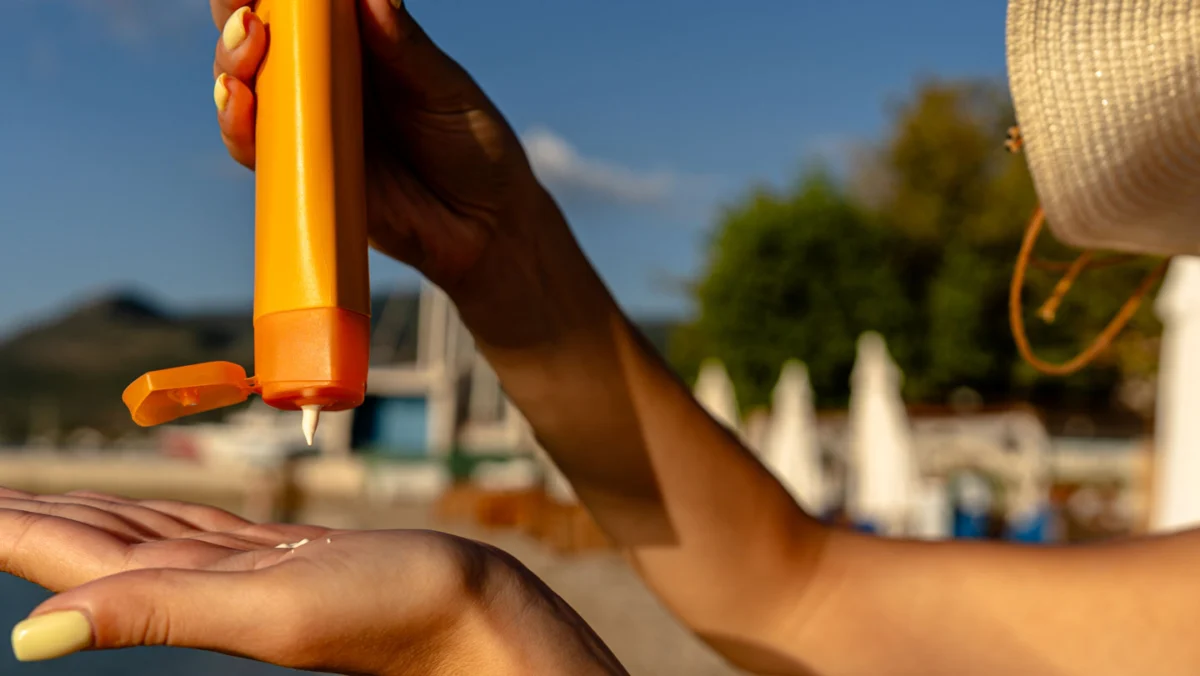
The U.S. Food and Drug Administration (FDA) has officially added bemotrizinol, a widely used sunscreen ingredient globally, to its list of permitted sunscreen chemicals. This marks the first significant update to the FDA’s approved sunscreen ingredients in approximately 20 years, signaling a potential shift in the U.S. sun protection market and offering consumers access to a chemical filter with distinct advantages. The decision, announced in June, is poised to enhance the efficacy and user experience of sunscreens available to Americans.
For decades, the U.S. sunscreen market has relied on a limited array of active ingredients, a situation that has drawn criticism from dermatologists and public health advocates who point to the availability of more advanced and stable options in other parts of the world. The inclusion of bemotrizinol addresses a long-standing demand for updated sunscreen technology, potentially paving the way for other novel ingredients to enter the American market.
Dr. Tanya Hathaway, a dermatologist specializing in high-risk skin cancer patients at Fred Hutch Cancer Center in Seattle, expressed strong optimism about the FDA’s decision. "I think we should all be super excited," Dr. Hathaway stated, highlighting bemotrizinol’s potential to improve sun protection strategies. She emphasized that this new addition offers enhanced longevity, reduced systemic absorption, and superior protection against specific types of ultraviolet (UV) radiation that contribute to skin aging.
Bemotrizinol, known internationally by various trade names such as Tinosorb S, has been a staple in sunscreen formulations in Europe for over 25 years. Its availability has since expanded to markets in Japan, Canada, Australia, and numerous other countries, underscoring its established safety and efficacy profile. The FDA’s action is viewed by experts as a crucial first step toward harmonizing U.S. sunscreen regulations with international standards and providing Americans with access to a broader spectrum of sun-protective agents.
Understanding Bemotrizinol: A New Era of Chemical Sunscreens
Sunscreens function through two primary mechanisms: physical blocking and chemical absorption of UV radiation. Physical sunscreens, which include minerals like titanium dioxide and zinc oxide, operate by creating a physical barrier on the skin’s surface that reflects UV rays. While effective, these mineral-based sunscreens can sometimes leave a visible white cast on the skin, a characteristic often associated with traditional lifeguards’ noses.
Dr. Jennifer Stein, a dermatologist at NYU Langone Health, noted the aesthetic and sensory challenges associated with some physical blockers. "One of the problems with zinc and titanium is they don’t rub in so well," Dr. Stein explained. "And if people don’t like the way their sunscreen smells or feels, they’re not going to use it." This can lead to inconsistent application and reduced overall protection.
Chemical sunscreens, in contrast, utilize organic molecules that absorb UV radiation and convert it into heat, which is then released from the skin. Common chemical filters in the U.S. include avobenzone and oxybenzone. However, these molecules can be photounstable, meaning they begin to degrade upon exposure to sunlight. This instability necessitates frequent reapplication of sunscreens containing these ingredients to maintain adequate protection, a factor that can be inconvenient for users.
Bemotrizinol distinguishes itself through its superior photostability compared to many existing chemical filters. This inherent stability means that the ingredient remains effective for longer periods when exposed to sunlight, potentially reducing the frequency with which users need to reapply their sunscreen. This enhanced durability is a significant advantage for individuals seeking reliable and long-lasting sun protection, particularly during prolonged outdoor activities.
Advanced UVA Protection and Anti-Aging Benefits
Beyond its stability, bemotrizinol offers a critical advantage in its ability to effectively block ultraviolet A1 (UVA1) radiation. UVA rays penetrate deeper into the skin than ultraviolet B (UVB) rays, which are primarily responsible for sunburn. UVA1 radiation is a major contributor to photoaging, a process that leads to the premature aging of the skin. This includes the development of wrinkles, loss of skin elasticity, and changes in pigmentation.
While current U.S. sunscreens are generally effective at blocking UVB rays, the options for comprehensive UVA protection, particularly against the longer UVA1 wavelengths, have been more limited. Dr. Hathaway pointed out that bemotrizinol "really expands that UVA spectrum of coverage." This broader protection is crucial for preventing not only sunburn but also the long-term, cumulative damage that UVA radiation inflicts on the skin, including an increased risk of skin cancer. By offering robust defense against both UVA and UVB radiation, bemotrizinol contributes to a more holistic approach to sun protection.
Addressing Safety Concerns and Regulatory Framework
The introduction of new sunscreen ingredients often coincides with public scrutiny and concerns, frequently amplified by social media discussions. Influencers on platforms like TikTok and Instagram have sometimes raised alarms about the perceived "toxicity" of sunscreen ingredients or promoted DIY formulations. Dr. Stein acknowledged that some patients express apprehension about chemicals penetrating the skin.
It is true that some chemical sunscreen ingredients, such as avobenzone and oxybenzone, can be absorbed into the bloodstream when applied repeatedly over large areas of the body. However, regulatory bodies and scientific experts emphasize that this absorption does not inherently equate to danger. "There have never been any studies that have shown that current ingredients on the market are unsafe," Dr. Hathaway asserted.
The FDA, in its evaluation of sunscreen ingredients, categorizes them based on their safety and efficacy. Ingredients are typically classified as either "Generally Recognized as Safe and Effective" (GRASE) or requiring further data. The FDA has indicated that additional data are needed for several chemical sunscreen ingredients to confirm their GRASE status. However, bemotrizinol, along with the mineral sunscreens titanium dioxide and zinc oxide, has met the criteria to be considered GRASE by the FDA.
Dr. Stein further elaborated on the physical properties of bemotrizinol that contribute to its favorable safety profile. "Bemotrizinol is a big molecule," she stated, "which means that it’s too big to squeeze through the skin cells to get down into your bloodstream." This molecular size is a key factor in its limited systemic absorption, addressing a primary concern for individuals wary of chemical penetration.
Timeline and Future Implications
The FDA’s final rule concerning bemotrizinol officially goes into effect on August 9, 2024. This regulatory milestone means that sunscreens formulated with this ingredient could begin appearing on U.S. store shelves as early as late summer. This timeline aligns with the peak outdoor season, allowing consumers to benefit from the new options during periods of highest sun exposure.
The approval of bemotrizinol is widely interpreted as a precedent-setting event. It suggests a more streamlined and updated regulatory process for future sunscreen ingredient submissions. Experts anticipate that this decision could accelerate the availability of other advanced sunscreen filters that are already in use in international markets. This could lead to a more dynamic and competitive U.S. sunscreen market, offering consumers a wider range of high-performance products tailored to various needs and preferences.
The implications extend beyond consumer choice. For dermatologists and public health organizations, the addition of bemotrizinol represents a significant step forward in the ongoing effort to combat skin cancer and mitigate the effects of sun damage. By providing more stable, effective, and user-friendly sunscreen options, the FDA’s decision supports the goal of increasing sunscreen adherence and improving overall skin health outcomes for the American population.
Beyond Sunscreen: A Holistic Approach to Sun Safety
While the introduction of bemotrizinol is a welcome development, health professionals consistently reiterate that sunscreen is just one component of a comprehensive sun protection strategy. Dr. Stein emphasized the importance of low-tech, readily available protective measures. "The more clothing you’re wearing, the less you have to depend on sunscreen," she advised.
Experts recommend a multi-faceted approach to sun safety that includes:
- Protective Clothing: Wearing long-sleeved shirts, pants, and wide-brimmed hats offers a physical barrier against UV radiation.
- Sunglasses: Opting for sunglasses that block 99 to 100 percent of both UVA and UVB rays helps protect the delicate skin around the eyes and prevents potential damage to the eyes themselves.
- Seeking Shade: Limiting direct sun exposure, especially during peak hours (typically between 10 a.m. and 4 p.m.), by staying in shaded areas is a fundamental sun protection practice.
- Awareness of UV Index: Monitoring the daily UV Index can help individuals make informed decisions about their outdoor activities and the level of protection needed.
The FDA’s approval of bemotrizinol represents a significant advancement in the U.S. sunscreen landscape, offering a more modern and effective tool in the fight against sun-related skin damage. However, this innovation should be viewed as an enhancement to, rather than a replacement for, established sun safety practices. By embracing a combination of advanced sunscreen technology and time-tested protective measures, individuals can significantly reduce their risk of sunburn, premature aging, and skin cancer.