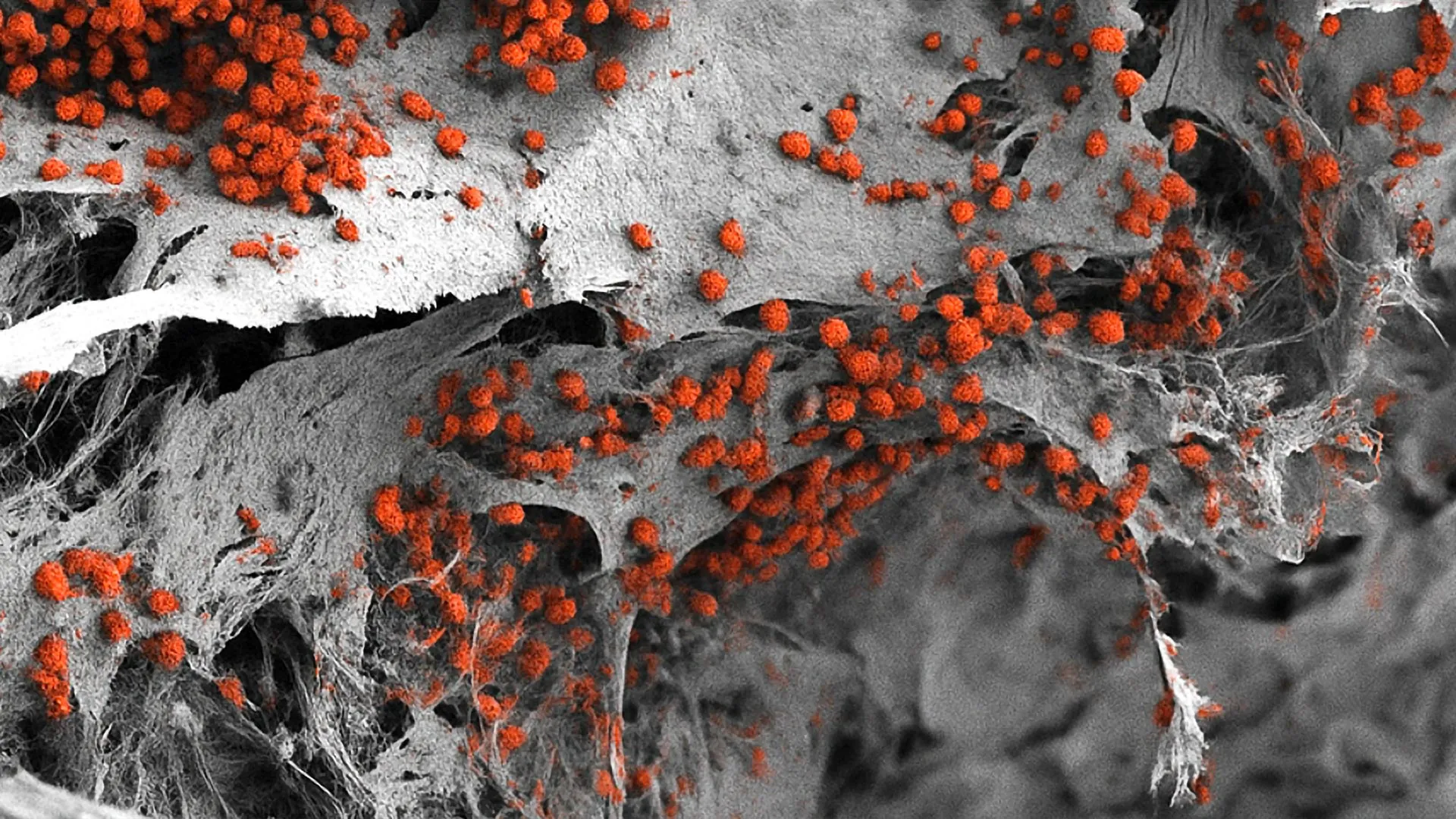
The landscape of hematological oncology is facing a potential paradigm shift following a comprehensive study led by Ludwig Cancer Research, which has identified a novel pharmacological strategy for treating acute myelogenous leukemia (AML). This aggressive form of blood cancer is notorious for its poor prognosis, with historical data indicating a median survival time of approximately 8.5 months following a formal diagnosis. The study, published in the prestigious journal Nature, details a dual-inhibitor approach that targets the fundamental biological "blockade" preventing cancer cells from maturing into functional blood cells. Co-led by Yang Shi and Amir Hosseini of Ludwig Oxford, alongside Abhinav Dhall at Harvard Medical School and collaborators from the University of Pennsylvania and the University of Helsinki, the research suggests that a combination of existing inhibitors could effectively dismantle the mechanisms that sustain leukemic growth.
The Pathological Foundation of Acute Myelogenous Leukemia
To understand the significance of this discovery, one must first examine the biological failure that defines AML. While the disease is characterized by significant genetic heterogeneity—meaning the mutations driving the cancer vary widely between patients—all subtypes share a common pathological hallmark: the impaired differentiation of myeloid progenitor cells. Under normal physiological conditions, the bone marrow functions as a highly regulated factory, producing immature myeloid cells that eventually differentiate into specialized white blood cells, such as neutrophils and monocytes, which are essential for the immune system.
In patients with AML, this maturation process is interrupted. This "differentiation block" leads to a rapid accumulation of immature precursors, known as blasts, within the bone marrow and the peripheral blood. These blasts are not only non-functional but also physically crowd out healthy cells. The result is a failure of hematopoiesis—the process by which the body replenishes its blood supply—leading to severe anemia, vulnerability to life-threatening infections, and hemorrhage. Historically, the primary method of treating this condition has been intensive chemotherapy, which seeks to destroy the leukemic cells through cytotoxicity. However, the high recurrence rates and the systemic toxicity of chemotherapy have long necessitated a more targeted, "differentiation-based" approach.
A Chronology of Differentiation Therapy
The concept of differentiation therapy is not entirely new, and its history provides the necessary context for the current breakthrough. In the late 20th century, researchers identified a specific subtype of the disease known as acute promyelocytic leukemia (APL). For decades, APL was among the most lethal forms of leukemia. However, the introduction of a combination therapy involving all-trans retinoic acid (ATRA) and arsenic trioxide revolutionized its treatment. Instead of killing the cells, this combination "shoves" the APL cells through the differentiation process, allowing them to mature into normal cells and eventually die naturally. Today, this regimen boasts a cure rate of approximately 95%.
Despite this success, APL accounts for only a small fraction of AML cases. For the remaining subtypes, no such "silver bullet" had been identified—until now. The research team led by Shi and Hosseini sought to replicate the success of APL therapy in other AML variants by identifying the epigenetic "brakes" that keep cells in a permanent state of immaturity.
The Role of Epigenetics and the Discovery of LSD1
The search for a new therapeutic target led the researchers to the field of epigenetics—the study of how gene expression is regulated by chemical modifications to DNA and histones (the proteins around which DNA is wrapped). In 2004, Yang Shi made a landmark discovery by identifying LSD1 (lysine-specific demethylase 1), the first enzyme known to remove methyl groups from histones. This discovery upended the long-held belief that histone methylation was an irreversible process.
In the context of AML, LSD1 is expressed at abnormally high levels. It functions as a critical gatekeeper for leukemic stem cells, maintaining them in an undifferentiated, self-renewing state. By erasing specific methyl marks, LSD1 prevents the activation of genes required for a cell to mature. Naturally, this made LSD1 an attractive target for drug development. Over the last decade, several LSD1 inhibitors have entered clinical trials. However, the results have been underwhelming. When used as a monotherapy, LSD1 inhibitors often require dosages that are toxic to the patient, particularly affecting platelet production and causing other adverse side effects. The challenge, therefore, was to find a synergistic partner that could boost the efficacy of LSD1 inhibition at lower, safer doses.
Identifying the Synergistic Partner: GSK3
To overcome the limitations of single-drug therapy, Hosseini, Shi, and their colleagues conducted a high-throughput screen using mouse leukemic cells. They tested a library of molecules to see which ones, when paired with an LSD1 inhibitor, could force leukemic cells to differentiate. The screen pointed toward the inhibition of GSK3α/β (glycogen synthase kinase 3).
GSK3 is an enzyme involved in numerous signaling pathways, most notably the WNT signaling pathway, which is frequently hijacked by cancer cells to promote uncontrolled proliferation and maintain "stemness." Unlike experimental compounds, GSK3 inhibitors are already well-understood in clinical oncology and are being evaluated for various malignancies, showing a favorable safety profile in human subjects.
The researchers discovered that when a low, non-toxic dose of an LSD1 inhibitor was combined with a GSK3 inhibitor, the effect was transformative. The combination did not merely slow the cancer; it fundamentally re-wired the cell’s internal programming. As Yang Shi noted, the combination works by simultaneously activating the genes that drive cell differentiation and suppressing the genes that promote cancer growth and proliferation.
Preclinical Evidence and Experimental Outcomes
The study’s findings are supported by rigorous preclinical data involving both in vitro and in vivo models. In laboratory cultures of multiple AML subtypes, the LSD1-GSK3 combination successfully triggered the maturation of leukemic blasts into mature myeloid cells. Furthermore, the treatment significantly suppressed the cells’ ability to replicate.
The team then moved to mouse models engrafted with human AML cells—a "gold standard" for testing potential cancer therapies. The results were compelling: the combination therapy significantly extended the survival of the mice compared to those receiving single-agent treatments or placebos. Perhaps most importantly, the researchers observed that the drug combination was highly selective. It targeted the leukemic stem cells while leaving healthy hematopoietic stem cells largely unaffected. This selectivity is a crucial hurdle in leukemia treatment, as many therapies inadvertently destroy the bone marrow’s ability to produce healthy blood, leading to fatal complications.
Analyzing the Molecular Mechanism and WNT Signaling
The molecular analysis conducted by the team revealed that the synergy between LSD1 and GSK3 inhibitors acts on the WNT signaling pathway. In many cancers, the overactivation of WNT signaling keeps cells in a primitive, rapidly dividing state. By inhibiting both LSD1 and GSK3, the therapy effectively "re-wires" the gene-expression signature of the leukemic cells.
The researchers noted that the gene expression profile induced by this therapy closely resembles the profiles found in AML patients who naturally experience longer survival times. This correlation suggests that the therapy is pushing the cancer toward a less aggressive biological state. Furthermore, the implications of this finding may extend beyond leukemia. Because the WNT signaling pathway is a driver in various solid tumors, including colorectal and breast cancers, the LSD1-GSK3 combination may eventually be explored as a broader strategy in oncology.
Clinical Outlook and Institutional Reactions
The transition from the laboratory to the clinic appears promising, given that both classes of inhibitors are already in development for human use. "Our findings provide compelling evidence to support the testing of this combination therapy in AML patients," Shi stated, emphasizing that the availability of these drugs could accelerate the timeline for clinical trials.
The global medical community has reacted with cautious optimism. Independent experts note that while mouse model successes do not always translate perfectly to humans, the mechanistic clarity of this study provides a strong foundation. The fact that the therapy addresses the "differentiation block"—a universal feature of AML—suggests it could be applicable to a wide range of patients who currently have few options beyond palliative care or high-risk bone marrow transplants.
The study was a massive collaborative effort, supported by a diverse array of international funding bodies, including the National Institutes of Health (NIH), the Research Council of Finland, and Cancer Research UK. This level of international cooperation highlights the global urgency of finding a solution to AML.
Implications for the Future of Leukemia Treatment
If clinical trials validate the findings reported in Nature, the LSD1-GSK3 combination could represent the first major advancement in differentiation therapy for non-APL leukemia in decades. By moving away from the "carpet-bombing" approach of traditional chemotherapy and toward a sophisticated "re-programming" of cancer cells, doctors may be able to offer patients a treatment that is not only more effective but also significantly less toxic.
The research also underscores the growing importance of epigenetics in modern medicine. As our understanding of the chemical modifications that control our DNA grows, so too does our ability to intervene when those processes go awry. For the thousands of patients diagnosed with AML each year, this study offers more than just a new biological insight; it offers the potential for a significantly extended and higher-quality life. The focus now shifts to the clinical arena, where the safety and efficacy of this promising combination will be put to the ultimate test in human trials.