A groundbreaking discovery by researchers at the University of Helsinki is poised to revolutionize our understanding of plant cellular dynamics, specifically the intricate interplay between mitochondria and chloroplasts. In a study published in the esteemed journal Plant Physiology, a team led by Dr. Alexey Shapiguzov at the University’s Centre of Excellence in Tree Biology has unveiled a previously unknown mechanism: plant mitochondria can actively draw molecular oxygen away from chloroplasts. This revelation offers crucial insights into how plants regulate internal oxygen levels, a process vital for their survival and adaptation to a myriad of environmental challenges. The findings have far-reaching implications for plant metabolism, stress resilience, and potentially even agricultural applications.
The Unseen Dance of Oxygen within Plant Cells
Oxygen, a molecule often associated with animal respiration, plays an equally critical, albeit complex, role in the life of plants. It is an indispensable component for a wide array of physiological processes, including the fundamental engine of cellular metabolism, the intricate pathways of growth and development, the plant’s sophisticated immune responses, and its remarkable ability to adapt to stressful conditions. Previous research from the University of Helsinki has already underscored oxygen’s importance in plant wound healing, demonstrating its role in initiating repair mechanisms. However, despite this recognized significance, the precise mechanisms by which plants meticulously control oxygen concentrations within their tissues have remained largely enigmatic.
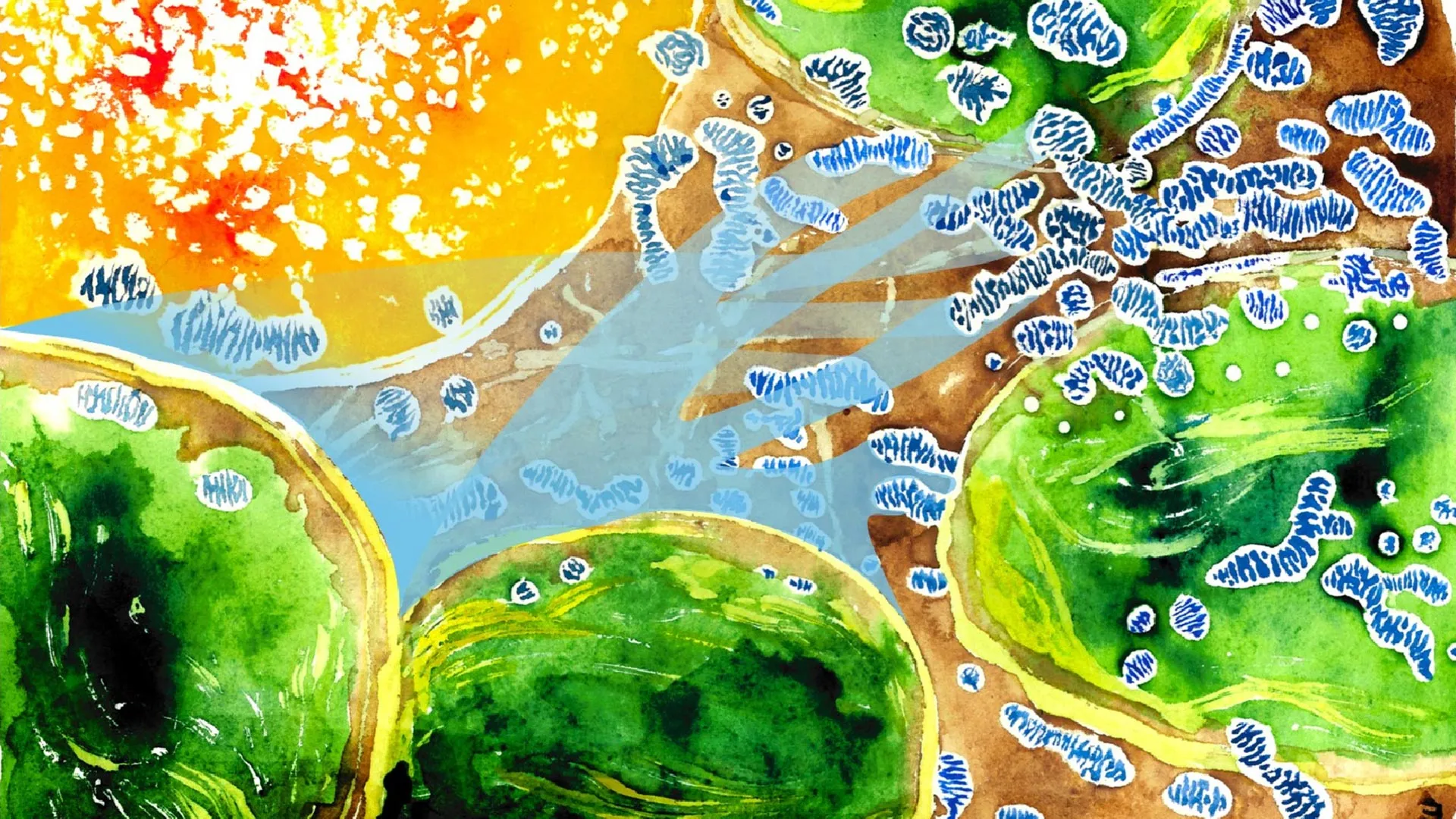
At the heart of this mystery lie two pivotal organelles within plant cells: mitochondria and chloroplasts. Mitochondria, often referred to as the "powerhouses" of the cell, utilize oxygen during cellular respiration to generate adenosine triphosphate (ATP), the primary energy currency of life. Conversely, chloroplasts, the sites of photosynthesis, are responsible for converting light energy into chemical energy and, in the process, release oxygen as a byproduct. While the individual functions of these organelles are well-established and have been the subject of extensive study, the dynamic exchange of oxygen between them has been a poorly understood aspect of plant cell biology. This knowledge gap has limited scientists’ ability to fully comprehend how plants orchestrate their energy production and respond to fluctuating environmental cues.
Unraveling the Mystery with Arabidopsis thaliana
To meticulously investigate the intricate relationship between mitochondrial oxygen consumption and chloroplast activity, Dr. Shapiguzov and his team turned to Arabidopsis thaliana, a widely used model organism in plant science due to its small genome, short life cycle, and ease of genetic manipulation. The researchers ingeniously employed genetically modified strains of Arabidopsis that possessed specific defects in their mitochondrial respiratory pathways. These modifications were designed to activate alternative respiratory enzymes, a consequence of which is a significantly heightened rate of oxygen consumption by the mitochondria.
The experimental setup involved exposing these modified plants to controlled environmental conditions, including periods of simulated stress, such as low oxygen levels induced by a nitrogen gas atmosphere. During these low-oxygen conditions, the researchers observed a sharp decline in the transfer of electrons to oxygen within the mitochondria. This crucial observation strongly suggested that a key component, methyl viologen, which relies on oxygen for its function in the experimental assay, was no longer able to perform its role effectively due to a scarcity of available oxygen. This directly pointed towards an active depletion of oxygen within the cellular environment.
The Revelation: Mitochondria as Oxygen Siphons
The comprehensive series of experiments yielded a remarkable and previously unrecognized finding: mitochondria possess the capability to actively draw molecular oxygen away from chloroplasts. When mitochondrial oxygen consumption rates increase, particularly under conditions of stress, these organelles can effectively reduce the amount of oxygen available within the chloroplasts. This dynamic process acts as an internal oxygen "drain," with profound consequences for the delicate balance of cellular processes.
The implications of this internal oxygen siphon are far-reaching. By lowering oxygen levels within chloroplasts, this newly identified mechanism can directly influence the rate and efficiency of photosynthesis. Furthermore, it can modulate the production and signaling pathways of reactive oxygen species (ROS). ROS, while often associated with cellular damage, also play critical roles as signaling molecules in plants, mediating responses to stress and regulating various developmental processes. The ability of mitochondria to manipulate oxygen availability within chloroplasts suggests a sophisticated regulatory loop that allows plants to fine-tune their metabolic activities and physiological responses in the face of environmental change.
Dr. Shapiguzov articulated the significance of this discovery, stating, "To our knowledge, this is the first evidence that mitochondria influence chloroplasts through intracellular oxygen exchange." This statement underscores the novelty and potential impact of their findings. The discovery provides a vital new piece of the puzzle in understanding how plants coordinate energy production between these two essential organelles and how they mount effective responses to various forms of stress.
Contextualizing the Discovery: A Longstanding Enigma
The study by Shapiguzov and colleagues emerges from decades of scientific inquiry into plant respiration and photosynthesis. For a long time, scientists recognized that these two processes were intimately linked, sharing the common molecule of oxygen. However, the precise nature of their interaction at the molecular level, particularly concerning oxygen flux, remained largely theoretical.
The initial understanding of photosynthesis, elucidated through the work of pioneers like Jan Ingenhousz in the late 18th century, established that plants release oxygen in the presence of light. Later, the discovery of cellular respiration by scientists such as Louis Pasteur in the 19th century highlighted the role of oxygen in energy production in living organisms. By the mid-20th century, the detailed biochemical pathways of both photosynthesis (e.g., Calvin cycle) and cellular respiration (e.g., Krebs cycle, electron transport chain) were largely mapped out. Yet, the dynamic interplay of oxygen between the sites of its production (chloroplasts) and its consumption (mitochondria) within the same cell remained a frontier of research.
The development of sophisticated genetic engineering techniques and advanced imaging technologies in recent decades has enabled researchers to probe these cellular processes with unprecedented precision. The use of Arabidopsis thaliana as a model system, with its well-characterized genome and established genetic tools, has been instrumental in dissecting complex biological pathways. The current study builds upon this foundation, leveraging these advancements to reveal a direct, oxygen-mediated communication pathway between mitochondria and chloroplasts.
Supporting Data and Experimental Nuances
The research team employed a multi-faceted approach to validate their findings. The use of genetically modified Arabidopsis with enhanced mitochondrial oxygen consumption was a critical starting point. When these plants were subjected to low-oxygen conditions (hypoxia), the researchers observed a significant reduction in the oxygen-dependent activity of certain mitochondrial enzymes. This observation, while indicative of oxygen depletion, did not directly prove the draw from chloroplasts.
The crucial evidence came from experiments designed to assess the impact on chloroplast function. By measuring the photosynthetic activity and the production of specific photosynthetic intermediates, the researchers could infer changes in oxygen availability within the chloroplasts. The observed alterations in photosynthetic parameters under conditions of increased mitochondrial respiration provided compelling indirect evidence for the oxygen drain.
Further experimental details, though not fully elaborated in the initial announcement, likely involved precise measurements of oxygen diffusion rates within the cell using advanced sensor technologies or isotopic labeling techniques. The careful control of light intensity, CO2 concentration, and temperature would have been essential to isolate the effect of mitochondrial oxygen consumption on photosynthetic oxygen dynamics. The mention of methyl viologen’s diminished function under low oxygen implies its role as a proxy for measuring oxygen availability in the vicinity of the electron transport chain, where it intercepts electrons. A reduction in its activity directly correlates with a scarcity of molecular oxygen.
Broader Impact and Future Directions
The implications of this discovery extend far beyond fundamental plant science. A deeper understanding of how plants regulate oxygen levels under stress conditions is paramount for addressing global challenges such as climate change and food security. Plants are constantly subjected to various environmental stressors, including fluctuating temperatures, water scarcity, and altered atmospheric conditions. The ability of plants to effectively manage their internal oxygen balance is a key factor in their resilience to these challenges.
Potential for Agricultural Applications:
The insights gained from this research could pave the way for developing more stress-resilient crops. By understanding the genetic and molecular basis of this mitochondrial-chloroplast oxygen exchange, plant breeders might be able to enhance this mechanism in crop species, leading to improved yields in challenging environments. For instance, crops that can better maintain photosynthetic efficiency under conditions of fluctuating oxygen availability might exhibit enhanced performance in regions prone to flooding or drought.
Tools for Plant Physiology:
The newly identified interaction may also lead to the development of novel tools and techniques for measuring and imaging plant physiology. Understanding how oxygen moves within the cell could inform the design of more sensitive biosensors or advanced imaging methods for real-time monitoring of plant health and stress responses. Early detection of stress in crops is crucial for timely intervention and minimizing crop losses.
Climate Change Adaptation:
As global temperatures rise and weather patterns become more erratic, understanding plant adaptation mechanisms is increasingly critical. This discovery offers a new lens through which to examine how plants cope with changing environmental conditions, potentially informing strategies for preserving plant biodiversity and maintaining ecosystem stability.
Future Research Avenues:
The discovery opens up numerous avenues for future research. Scientists will likely focus on identifying the specific molecular players involved in this oxygen exchange. This could include characterizing the proteins responsible for facilitating oxygen movement between organelles or the signaling pathways that trigger increased mitochondrial oxygen consumption. Furthermore, exploring this mechanism in a wider range of plant species, including important crop plants, will be crucial to assess its universal applicability and potential for translation into practical applications. Research into how this process is regulated by different light conditions, developmental stages, and other environmental cues will also be a priority.
In conclusion, the work of Dr. Alexey Shapiguzov and his team at the University of Helsinki represents a significant leap forward in plant biology. By uncovering the intricate mechanism by which plant mitochondria can draw molecular oxygen away from chloroplasts, they have provided a vital clue to understanding plant metabolism, stress response, and adaptation. This discovery not only enriches our fundamental knowledge of cellular life but also holds immense promise for addressing pressing global challenges in agriculture and environmental sustainability. The ongoing exploration of this fascinating cellular dance promises to yield further revelations, solidifying the importance of inter-organelle communication in the resilience and success of the plant kingdom.