The meteoric rise of glucagon-like peptide-1 (GLP-1) receptor agonists has fundamentally altered the landscape of metabolic medicine in the United States. Recent data indicates that approximately one in eight American adults has utilized these medications, with a significant 25% of users citing weight management as their primary objective. While drugs such as Ozempic, Wegovy, and Mounjaro have proven exceptionally effective at reducing caloric intake and improving glycemic control, they have also highlighted a significant clinical challenge: the non-discriminatory nature of rapid weight loss. Clinical observations have shown that patients undergoing intensive GLP-1 therapy can lose substantial amounts of lean muscle mass, sometimes accounting for as much as 40% of their total weight reduction. This phenomenon has raised concerns among healthcare providers regarding long-term metabolic health, physical strength, and the risk of "sarcopenic obesity"—a condition where a person has high body fat but dangerously low muscle mass.
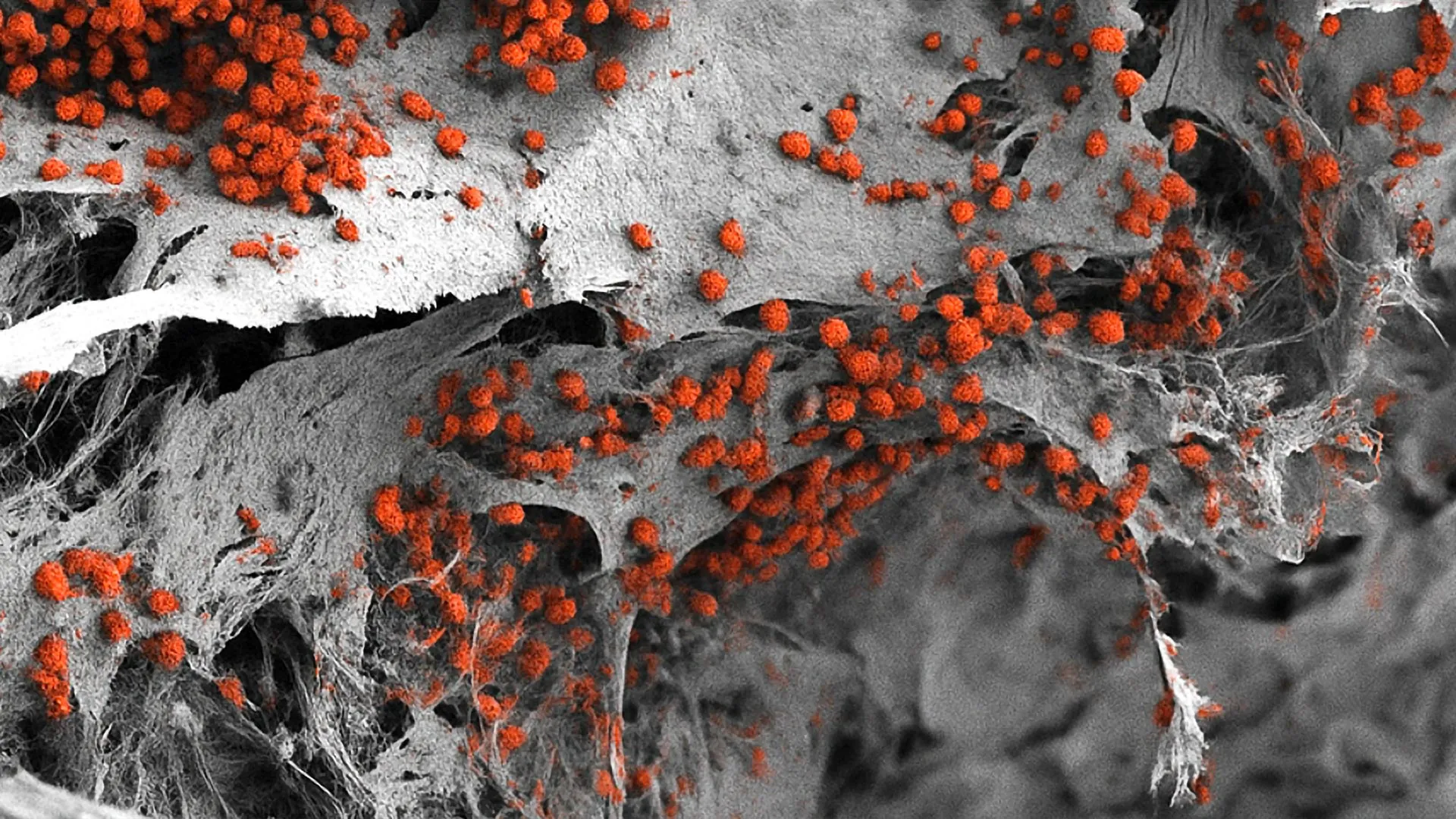
In a landmark study published in the Proceedings of the National Academy of Sciences on January 22, 2025, researchers from the Salk Institute for Biological Studies have identified a potential solution to this physiological dilemma. The team, led by Professor Ronald Evans, director of Salk’s Gene Expression Laboratory, has discovered that a protein known as BCL6 (B-cell lymphoma 6) serves as a master regulator in the maintenance of healthy muscle tissue. The study provides a molecular blueprint for how the body preserves muscle mass during periods of nutritional flux and suggests that targeting the BCL6 pathway could preserve strength in patients using GLP-1 medications, as well as in elderly populations and those suffering from wasting diseases.
The Biological Mechanism of Muscle Maintenance
Muscle tissue is the most abundant tissue in the human body and serves as the primary engine for glucose disposal and metabolic regulation. Its maintenance is a complex process governed by hormonal signals that respond to the body’s nutritional status. The Salk Institute study elucidates the specific pathway through which the body manages these resources.
Under normal conditions, when the body enters a fasted state, the stomach secretes the hormone ghrelin. This "hunger hormone" signals the brain to release growth hormone (GH), which subsequently travels through the bloodstream to various tissues. In muscle cells, growth hormone traditionally triggers the production of insulin-like growth factor 1 (IGF1), a potent driver of muscle protein synthesis and cell growth. However, the researchers discovered that the transition from growth hormone reception to IGF1 production is not a direct line but a highly regulated "web" of protein interactions.
Central to this web is the protein SOCS2 (suppressor of cytokine signaling 2). SOCS2 acts as a biological brake, slowing down the production of IGF1. The Salk team found that without proper regulation, SOCS2 levels can fluctuate dangerously. If SOCS2 levels are too low, IGF1 production becomes unchecked, potentially leading to gigantism or abnormal tissue growth. Conversely, if SOCS2 levels are too high, it suppresses IGF1 to the point where muscle tissue begins to atrophy.
The breakthrough in the Salk study was the identification of BCL6 as the primary regulator of SOCS2. By scouring national databases of human tissue samples, the researchers noted a high concentration of BCL6 in skeletal muscle, suggesting a specialized role beyond its well-known functions in the immune system. Their experiments revealed that BCL6 acts as a repressor for SOCS2; essentially, BCL6 keeps the "brake" (SOCS2) from being applied too firmly, thereby allowing IGF1 to maintain muscle mass.
Experimental Evidence and Quantitative Findings
To validate the role of BCL6, the Salk researchers conducted a series of controlled experiments using murine models. The data revealed a stark contrast between mice with functional BCL6 proteins and those without.
According to the study’s findings, mice lacking the BCL6 protein exhibited a 40% reduction in total muscle mass compared to healthy control groups. Furthermore, the muscle tissue that remained in the BCL6-deficient mice was significantly compromised in both structural integrity and contractile function. When these mice were subjected to strength tests, they showed a marked inability to perform at the levels of their healthy counterparts.
The researchers then tested the reversibility of this condition. By using genetic interventions to increase the expression of BCL6 in the muscles of the deficient mice, the team observed a successful reversal of muscle loss. The animals regained both mass and physical strength, confirming that BCL6 is not just a marker of healthy muscle, but a functional driver of its upkeep.
The study also examined the effects of fasting, which mimics the caloric deficit experienced by patients on GLP-1 medications. In normal mice that underwent overnight fasting, BCL6 levels in the muscles dropped significantly. This decline in BCL6 led to an increase in SOCS2, which in turn suppressed IGF1, explaining why prolonged fasting or rapid weight loss often results in muscle wasting.
Clinical Context: The GLP-1 Revolution and the "Muscle Gap"
The implications of these findings are particularly relevant in the current era of GLP-1 dominance. Medications like semaglutide (Ozempic/Wegovy) and tirzepatide (Mounjaro/Zepbound) work by mimicking the GLP-1 hormone, which slows gastric emptying and signals satiety to the brain. While these drugs are revolutionary for treating type 2 diabetes and obesity, the rapid weight loss they induce can be a double-edged sword.
In traditional weight loss achieved through exercise and moderate caloric restriction, the ratio of fat-to-muscle loss is typically managed through resistance training and high protein intake. However, the profound appetite suppression caused by GLP-1s often leads to such low caloric intake that the body enters a catabolic state, breaking down muscle tissue for energy.
"Muscle is the most abundant tissue in the human body, so its maintenance is critical to our health and quality of life," said Professor Ronald Evans in a statement regarding the study. "Our study reveals how our bodies coordinate the upkeep of all this muscle with our nutrition and energy levels, and with this new insight, we can develop therapeutic interventions for patients losing muscle as a side effect of weight loss, age, or illness."
The Salk team suggests that a BCL6-boosting therapy could potentially be administered alongside GLP-1 injections. This "combination therapy" would allow patients to shed adipose tissue (fat) via the GLP-1 mechanism while the BCL6 booster protects the musculoskeletal system from the catabolic effects of the caloric deficit.
Broader Applications: Aging and Systemic Disease
Beyond the immediate market for weight loss adjuncts, the discovery of the BCL6 pathway has profound implications for geriatric medicine and oncology.
- Sarcopenia and Aging: As humans age, they naturally lose muscle mass and strength, a condition known as sarcopenia. This decline is a leading cause of falls, fractures, and loss of independence in the elderly. The Salk study notes that BCL6 levels naturally fluctuate with circadian rhythms and age. Therapies that stabilize or enhance BCL6 could potentially slow the progression of age-related muscle wasting.
- Cancer Cachexia: Many cancer patients experience cachexia, a wasting syndrome characterized by extreme weight loss and muscle atrophy that cannot be reversed by nutritional supplementation alone. By understanding the SOCS2/IGF1 pathway, researchers may be able to develop treatments that prevent the body from cannibalizing its own muscle tissue during intensive cancer treatments.
- Sepsis and Systemic Illness: Patients in intensive care units often suffer from rapid muscle loss due to systemic inflammation and prolonged immobility. The study suggests that BCL6-based interventions could help maintain muscle integrity during these critical periods of illness.
Chronology of Discovery and Future Research
The timeline of this discovery reflects a growing shift in metabolic research toward preserving "quality of weight loss" rather than just "quantity of weight loss."
- 2017-2021: FDA approval of GLP-1 medications for weight loss leads to a global surge in usage.
- 2022-2023: Clinical data begins to surface showing significant lean mass loss in "Ozempic" users, prompting calls for "muscle-sparing" weight loss solutions.
- 2023-2024: Salk Institute researchers utilize human tissue databases to identify BCL6 as a protein of interest in skeletal muscle.
- January 22, 2025: The Salk Institute publishes its findings in PNAS, detailing the BCL6-SOCS2-IGF1 axis.
Hunter Wang, a postdoctoral researcher in Evans’ lab and the study’s first author, emphasized the novelty of the findings. "We are excited to reveal BCL6’s important role in maintaining muscle mass," Wang stated. "These were very surprising and special findings that open the door for a lot of new discoveries and potential therapeutic innovations."
The next phase of research will focus on the long-term effects of fasting on BCL6 levels and how the protein interacts with the body’s internal clock. Because BCL6 expression follows a circadian rhythm, the timing of potential BCL6-boosting treatments could be crucial to their efficacy.
Analytical Perspective: The Future of Metabolic Health
The discovery by the Salk Institute represents a critical pivot point in how the medical community approaches obesity treatment. For decades, the focus was solely on reducing the number on the scale. However, as the "Ozempic era" matures, the focus is shifting toward metabolic composition.
From an economic and public health perspective, preserving muscle mass is vital. Muscle tissue is metabolically active; the more muscle a person has, the higher their resting metabolic rate. If a patient loses 40% of their weight as muscle, their metabolism slows significantly, making them highly susceptible to rapid weight regain once they stop the medication—a phenomenon often called the "rebound effect." By protecting muscle through the BCL6 pathway, clinicians may be able to help patients achieve a "healthier" weight loss that is more sustainable in the long term.
As the pharmaceutical industry looks toward the next generation of weight loss drugs, "muscle-protective" agents are expected to become a multi-billion dollar sector. The Salk Institute’s research provides the foundational science necessary for the development of these next-generation therapeutics, potentially ensuring that the quest for a leaner body does not come at the cost of physical strength and longevity.