The landscape of regenerative medicine and endocrinology has shifted following the landmark identification of a novel protein that serves as a master regulator in the human skeletal system. Researchers at the Institute of Science Tokyo (Science Tokyo) have announced the discovery of Family with Sequence Similarity 102 Member A (Fam102a), a protein that plays a pivotal role in balancing the intricate dance between bone formation and bone destruction. This dual-action discovery, published in the journal Nature Communications on January 2, 2025, provides a long-sought molecular target for treating osteoporosis and other degenerative bone diseases that affect hundreds of millions of people worldwide.
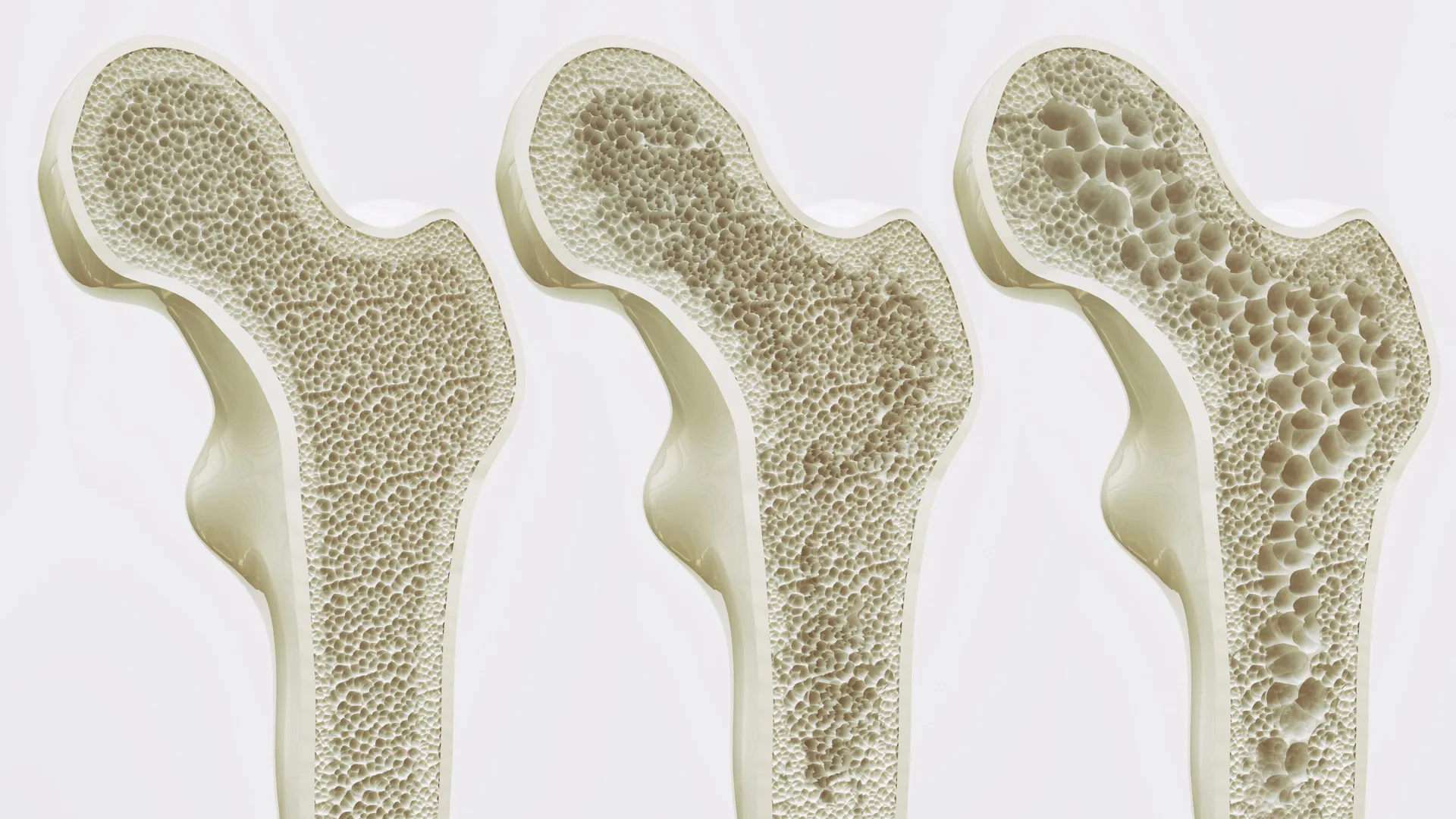
Bones are often perceived as static, structural components of the body, but they are in fact dynamic, living tissues that undergo constant renewal. This process, known as bone remodeling, relies on a delicate equilibrium between two primary cell types: osteoblasts, which are responsible for synthesizing new bone matrix, and osteoclasts, which break down and resorb old or damaged bone tissue. When this balance is disrupted—typically when osteoclast activity outpaces osteoblast production—the result is a systemic loss of bone density, leading to the porous and brittle skeletal structure characteristic of osteoporosis.
The Challenge of Dual Regulation in Bone Biology
For decades, pharmacological interventions for bone loss have largely focused on one side of the remodeling equation. Antiresorptive agents, such as bisphosphonates, work by inhibiting osteoclasts, while anabolic therapies seek to stimulate osteoblasts. However, the scientific community has struggled to identify "bridge" factors—proteins or genetic pathways that simultaneously influence the differentiation of both cell types.
The research team, led by Professor Tomoki Nakashima from the Faculty of Dentistry at Science Tokyo, sought to fill this gap in knowledge. By utilizing advanced genetic sequencing and mouse models, the team identified Fam102a as a central hub in the bone remodeling network. Unlike many previously studied factors that act exclusively on one lineage, Fam102a was found to be indispensable for the healthy maturation of both osteoblasts and osteoclasts. This discovery suggests that targeting a single protein could potentially restore the entire remodeling cycle to its homeostatic state.
Methodology and Chronological Development of the Study
The journey to identifying Fam102a began with a comprehensive screening of gene expression patterns. Professor Nakashima’s team utilized "knockout" models—mice engineered to lack specific transcription factors—to observe how the absence of certain regulatory proteins affected bone development. Transcription factors are the "commanders" of the cell, binding to specific DNA sequences to turn genes on or off.
Initially, the researchers analyzed the gene profiles of cells where key bone-regulating transcription factors were missing. They noticed a recurring pattern: the Fam102a gene was consistently downregulated or altered in cells that failed to differentiate into healthy bone cells. This observation marked the starting point of a multi-year investigation into the protein’s specific function.
Following the initial gene expression analysis, the team transitioned to laboratory-grown cell cultures to observe the protein’s behavior in real-time. By January 2025, the team had successfully mapped the molecular interactions of Fam102a, revealing its role in "nuclear trafficking"—the process by which essential proteins are transported from the cell’s cytoplasm into the nucleus to activate genetic programs.
The Mechanics of Bone Formation: Fam102a, Kpna2, and Runx2
One of the most significant findings of the Science Tokyo study is the mechanism by which Fam102a influences osteoblasts. The researchers discovered that Fam102a does not work in isolation; instead, it acts as a facilitator for other critical proteins. Specifically, the study highlighted an interaction between Fam102a and Karyopherin Subunit Alpha 2 (Kpna2).
Kpna2 functions as a transport protein, acting like a shuttle that moves molecules across the nuclear membrane. The research demonstrated that Fam102a is required for Kpna2 to successfully transport Runt-related transcription factor 2 (Runx2) into the cell nucleus. Runx2 is widely considered the "master switch" for bone formation; without its presence in the nucleus, the body cannot produce Osterix, another protein essential for the maturation of osteoblasts.
When Fam102a was removed from the experimental models, the "shuttle" service provided by Kpna2 was compromised. Consequently, Runx2 remained trapped outside the nucleus, osteoblast differentiation stalled, and bone formation ground to a halt.
Evidence from Fam102a-Deficient Models
To validate these molecular findings, the researchers observed the physical consequences of Fam102a deficiency in vivo. In mice where the Fam102a gene was deleted, the results were stark. These "deficient" mice exhibited a phenotype nearly identical to human osteoporosis.
Data collected from micro-CT scans and histological analyses showed:
- Reduced Bone Volume: A significant decrease in trabecular bone (the spongy interior of the bone) compared to wild-type mice.
- Impaired Mineralization: The rate at which the mice formed new bone matrix was drastically slowed.
- Increased Fragility: The skeletal structure of the deficient mice showed a marked susceptibility to fractures under minimal stress.
These findings confirmed that Fam102a is not merely an auxiliary protein but a fundamental requirement for maintaining skeletal integrity. The absence of this single protein was enough to trigger a rapid decline in bone health, reinforcing its potential as a therapeutic target.
Supporting Data: The Global Burden of Osteoporosis
The discovery of Fam102a comes at a critical time for global public health. Osteoporosis is often referred to as a "silent epidemic" because bone loss occurs without symptoms until a fracture happens. According to the International Osteoporosis Foundation (IOF), approximately one in three women and one in five men over the age of 50 will experience an osteoporotic fracture in their lifetime.
The economic and social implications are profound:
- Demographics: In Japan, where the study was conducted, more than 28% of the population is over the age of 65, making bone health a national priority.
- Economic Cost: In the United States alone, the annual cost of osteoporotic fractures is estimated to exceed $19 billion, a figure projected to rise as the "Baby Boomer" generation continues to age.
- Mortality: Hip fractures, the most severe consequence of osteoporosis, carry a 20-24% mortality rate within the first year following the injury.
Professor Nakashima noted that current treatments, while effective for many, often come with limitations. Some patients do not respond well to antiresorptive drugs, while others may experience rare but serious side effects like atypical femur fractures or osteonecrosis of the jaw. The identification of a factor like Fam102a, which regulates the natural trafficking of transcription factors, opens the door to "physiologically aligned" therapies that mimic the body’s internal regulatory systems.
Identifying the Fam102a-Rbpjl Axis
In addition to its role with Runx2, the research team uncovered another layer of complexity: the Fam102a-Rbpjl axis. Through subsequent gene expression analyses, the scientists found that Recombination Signal Binding Protein for Immunoglobulin Kappa J Region-Like (Rbpjl) was the most significantly downregulated transcription factor in osteoblasts lacking Fam102a.
This finding is particularly intriguing to bone biologists because Rbpjl’s role in skeletal health had not been fully characterized until now. The study suggests that Fam102a acts as an upstream regulator that ensures Rbpjl is available to perform its duties in bone cell maturation. This adds a second "pathway of interest" for pharmaceutical researchers looking to develop small-molecule drugs that can mimic or enhance Fam102a activity.
Expert Reactions and Future Implications
While the Science Tokyo team has provided a comprehensive blueprint of Fam102a’s function, the transition from laboratory discovery to clinical application will require several more years of development. Nevertheless, the scientific community has greeted the news with optimism.
"This study provides a sophisticated look at the ‘traffic control’ system of the cell," says one independent endocrinologist not involved in the study. "By understanding how Fam102a manages the movement of proteins into the nucleus, we can begin to think about osteoporosis treatment not just in terms of ‘more bone’ or ‘less resorption,’ but in terms of cellular efficiency and correct signaling."
The next steps for Professor Nakashima’s team involve screening for chemical compounds that can stabilize or upregulate Fam102a. If a drug can be developed to enhance Fam102a’s interaction with Kpna2, it could potentially kickstart bone formation in patients who have already suffered significant bone loss.
Conclusion: A New Era in Bone Health
The identification of Fam102a marks a significant milestone in the field of osteoimmunology and molecular biology. By elucidating the mechanisms of nuclear trafficking and the dual regulation of bone cells, the researchers at Science Tokyo have provided a new lens through which to view skeletal diseases.
As Professor Nakashima concluded, "Our study sheds light on the critical molecular interactions involved in the bone remodeling process and can aid the development of innovative osteoporosis therapies." For the millions of individuals living with the fear of a life-altering fracture, this discovery represents a promising step toward a future where bone health can be precisely and effectively managed at the molecular level.
With the publication of these findings in Nature Communications, the global research community now has a new target in the fight against osteoporosis—one that holds the potential to rebuild the very foundation of human mobility.