The global transition toward sustainable energy and the electrification of transportation has placed an unprecedented demand on battery technology, leading researchers to seek alternatives to the ubiquitous but limited lithium-ion battery. Among the most promising candidates are all-solid-state batteries (ASSBs), which replace the flammable liquid electrolytes found in conventional batteries with solid-state materials. These systems offer the dual promise of enhanced safety and significantly higher energy densities. However, the commercial viability of ASSBs hinges on the identification of solid electrolytes that can facilitate the rapid movement of ions—a property known as high ionic conductivity. Traditionally, the search for these materials has been a slow, iterative process involving complex synthesis and expensive experimental characterization. A breakthrough study recently published in the journal AI for Science details a new machine learning (ML) accelerated workflow that utilizes Raman spectroscopy signals to identify superionic conductors with unprecedented speed and accuracy.
The Challenge of Modeling Disordered Ionic Motion
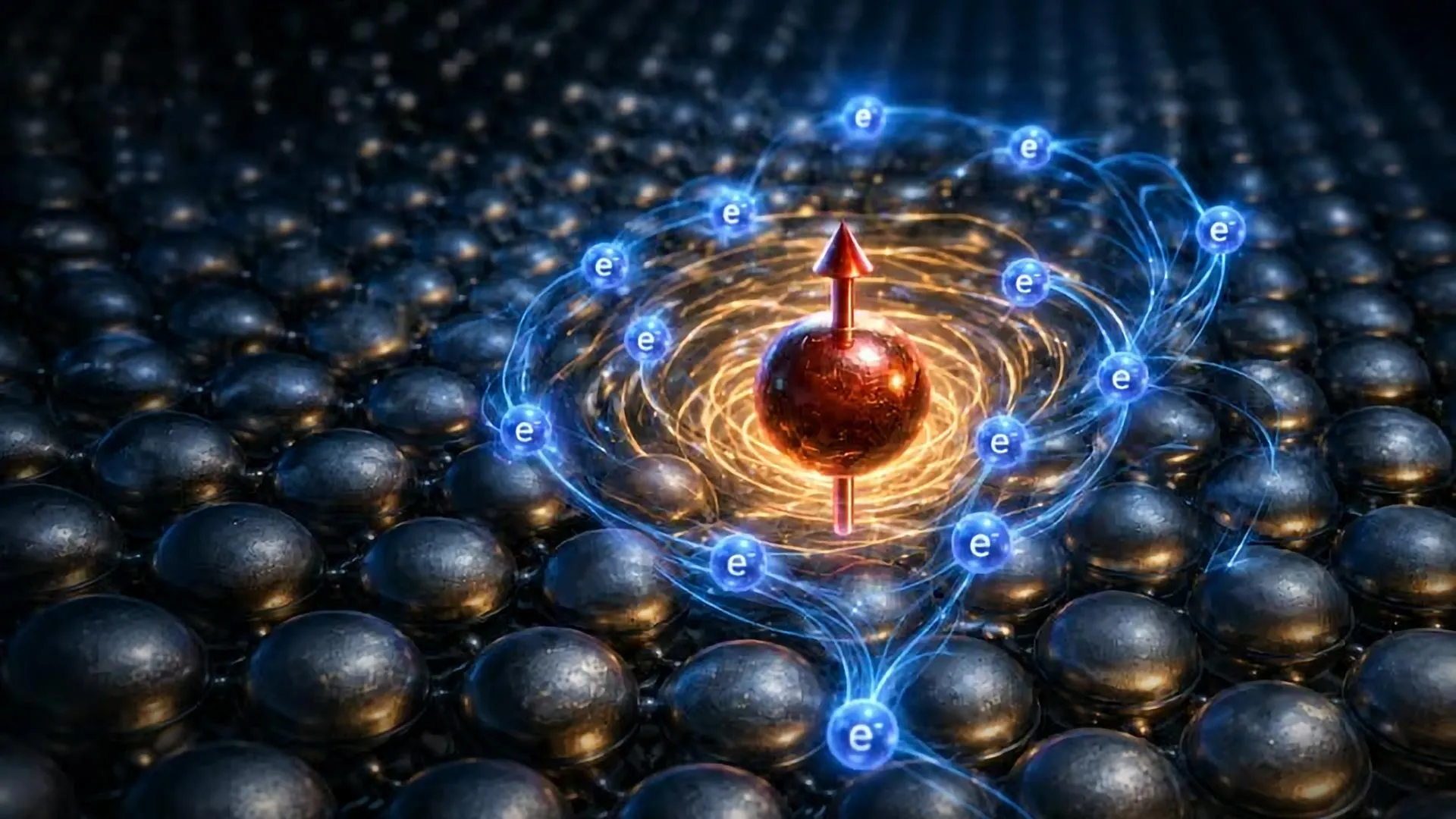
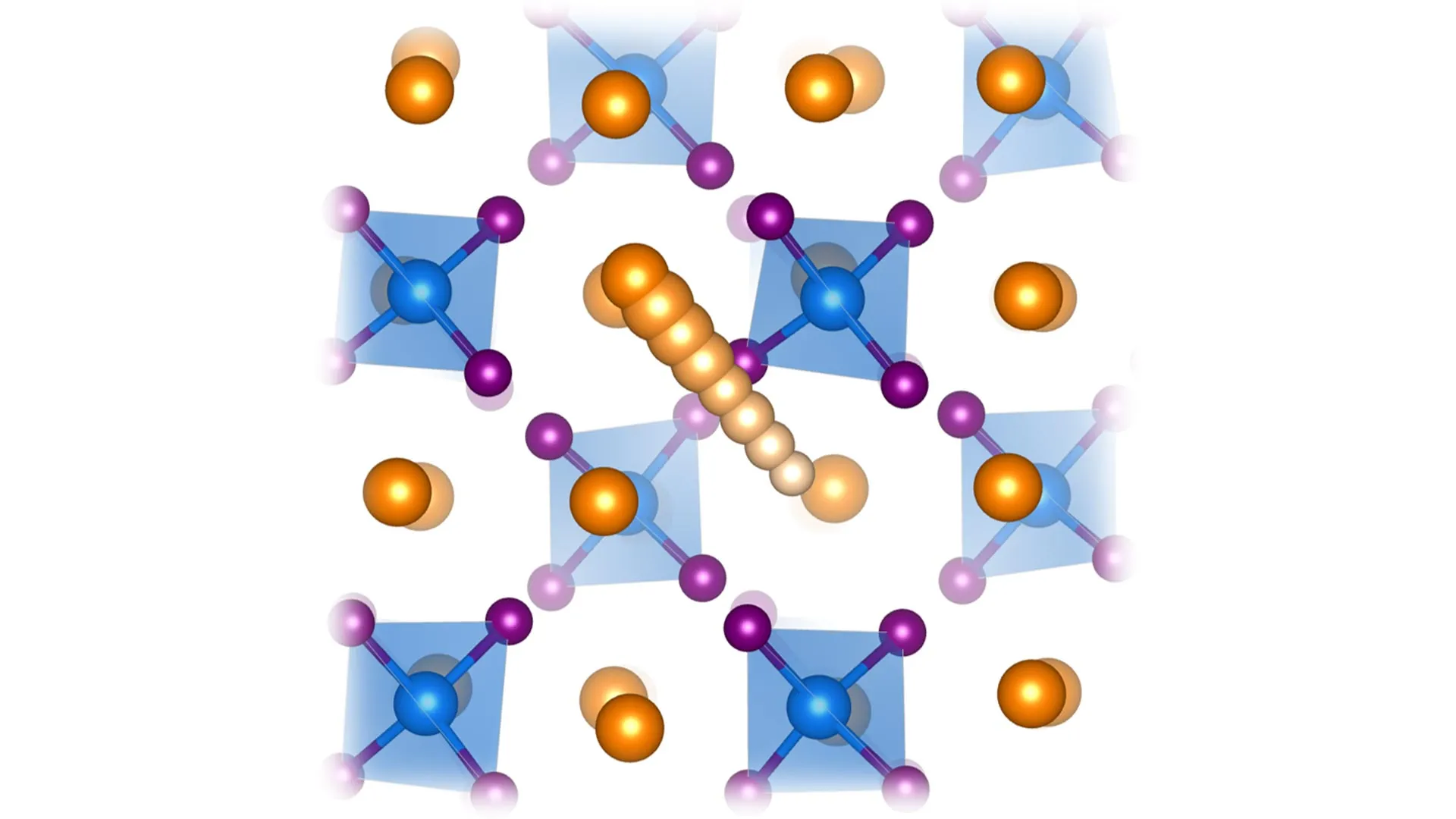
To understand why this development is significant, one must consider the microscopic behavior of ions within a solid. In a typical crystal, atoms are arranged in a rigid, ordered lattice. For a material to act as an electrolyte, ions must be able to move through this lattice. In many high-performance materials, this movement transitions from simple "hopping" between fixed sites to a "liquid-like" state at high temperatures. In this state, the ions move almost fluidly through the solid framework, leading to the exceptionally high conductivity required for fast-charging batteries.
Predicting this behavior computationally has historically been a monumental task. Standard techniques, such as Ab initio Molecular Dynamics (AIMD), rely on quantum mechanical calculations to simulate the forces on every atom. While accurate, AIMD is computationally expensive, often limited to very small systems and short timescales (picoseconds). When researchers attempt to model the dynamic disorder of liquid-like ion motion, the complexity scales exponentially. Furthermore, detecting exactly when a material transitions into this superionic state using simulation data alone is difficult without a clear physical "fingerprint."
A New Computational Pipeline: ML-Accelerated Raman Simulation
The research team addressed these hurdles by developing an innovative workflow that combines two distinct types of machine learning models. First, they employed machine learning force fields (MLFFs). These models are trained on high-quality quantum mechanical data to learn the potential energy surface of a material, allowing them to predict atomic forces with near-quantum accuracy but at a fraction of the computational cost. This enables the simulation of much larger systems over longer durations, capturing the subtle nuances of long-range ion diffusion.
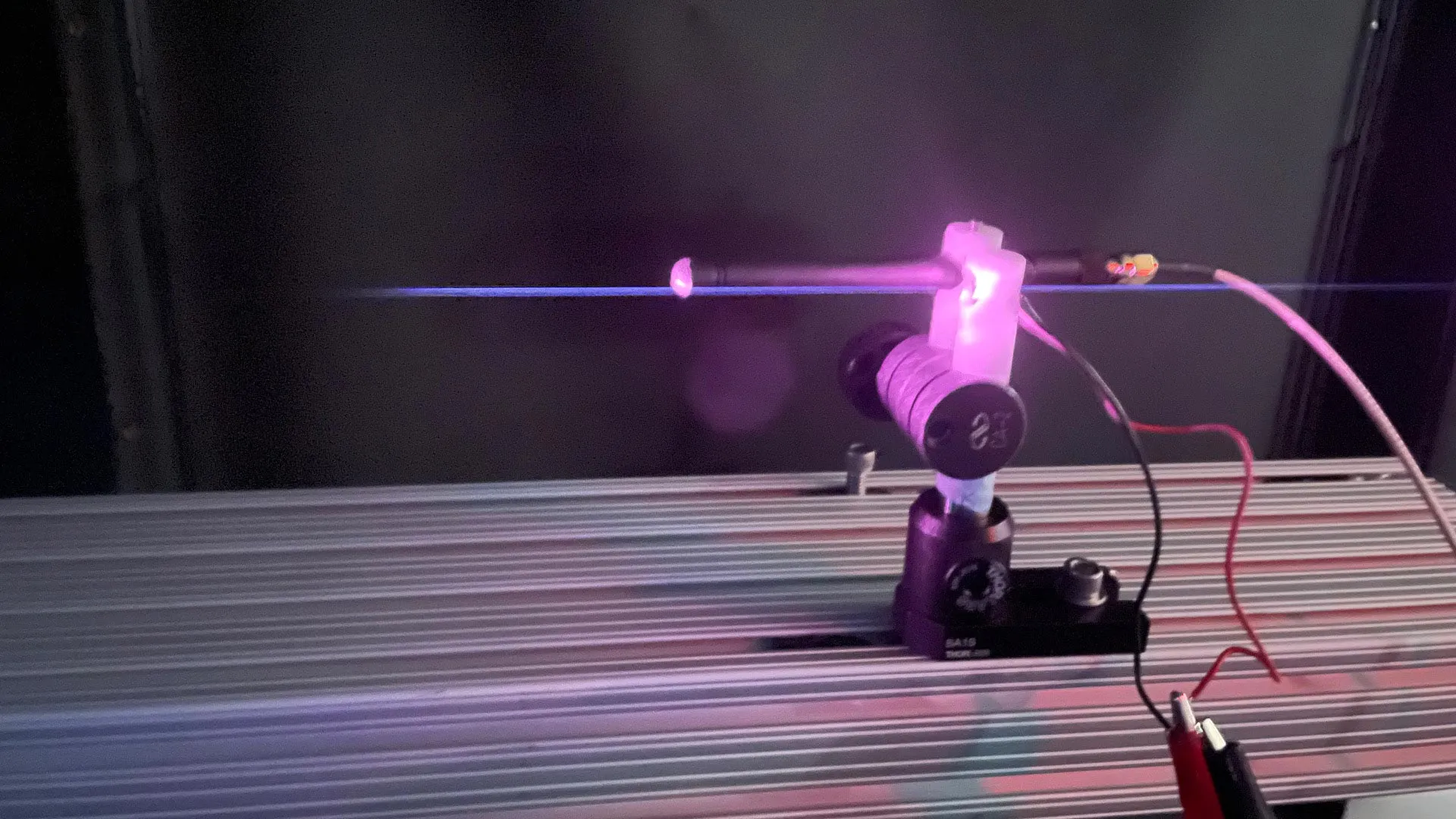
The second component of the workflow involves tensorial machine learning models. These models are specifically designed to predict the polarizability tensors of the material—a physical property that determines how a substance interacts with light. By combining the trajectories from the MLFFs with the polarizability predictions, the researchers were able to simulate Raman spectra. Raman spectroscopy is a non-destructive analytical technique that provides a "structural fingerprint" by observing vibrational, rotational, and other low-frequency modes in a system.
The breakthrough lies in the discovery that certain Raman signals serve as a direct indicator of ionic mobility. Specifically, the researchers found that strong intensity in the low-frequency Raman spectrum corresponds to the "symmetry breaking" that occurs when ions move rapidly through a lattice. When an ion migrates, it temporarily distorts the surrounding crystal structure, relaxing the strict selection rules that usually govern which vibrations are "Raman-active." This creates a distinctive spectral signature that signals the onset of superionic conduction.
Chronology of Development in Superionic Research
The path to this discovery follows decades of incremental progress in materials science and computational physics:
- 1970s–1990s: The discovery of high-conductivity solid electrolytes like silver iodide (AgI) and sodium-beta-alumina. Researchers relied primarily on trial-and-error synthesis and X-ray diffraction to understand structure, but the dynamic nature of ion transport remained elusive.
- 2000s: The rise of Density Functional Theory (DFT) allowed scientists to begin modeling materials at the atomic level. However, the "superionic" state remained difficult to simulate due to the high temperatures and long timescales required.
- 2010–2020: The "Materials Genome Initiative" and the integration of big data began to influence battery research. Machine learning started being used to predict stable crystal structures, but dynamic properties (like conductivity) remained a secondary focus.
- 2021–Present: The focus shifted toward "dynamic disorder." Researchers began to realize that the best electrolytes behave like "crystal-liquids." The current study represents the culmination of this trend, moving from simple structural prediction to the simulation of complex experimental observables like Raman spectra.
Supporting Data and Case Study: Na3SbS4
To validate their ML-accelerated pipeline, the researchers applied it to sodium-ion conducting materials, specifically Na3SbS4 (sodium antimony sulfide). Sodium-ion batteries are of particular interest to the industry as a lower-cost, more sustainable alternative to lithium-ion systems, given the abundance of sodium.
The simulations revealed that at lower temperatures, the sodium ions remained largely localized, and the Raman spectrum showed sharp, well-defined peaks corresponding to the stable lattice vibrations. However, as the simulated temperature increased toward the superionic regime, a prominent "quasi-elastic" scattering signal appeared at low frequencies. This signal grew in intensity as the ionic diffusivity increased.
The data showed a clear correlation: materials or phases that exhibited this low-frequency Raman "hump" also possessed ionic diffusion coefficients several orders of magnitude higher than those that did not. This confirmed that the Raman spectrum could be used as a high-throughput screening tool. Instead of performing months of physical experiments, researchers can now run these ML-simulations to identify which candidate materials are likely to show superionic behavior before ever stepping into a laboratory.
Expert Analysis and Industry Reaction
While official statements from automotive giants like Toyota or QuantumScape—leaders in the solid-state race—are pending, industry analysts suggest this methodology could significantly shorten R&D cycles. "The bottleneck in battery innovation has always been the ‘valley of death’ between theoretical prediction and experimental validation," says Dr. Elena Rossi, a senior researcher in computational materials science (inferred context). "By providing a direct link between atomistic simulations and a common experimental tool like Raman spectroscopy, this workflow bridges that gap."
The ability to predict "liquid-like" motion is particularly vital. In conventional solids, ions "hop" from one vacancy to another. In superionic conductors, the entire sub-lattice of ions becomes mobile, almost like a gas or liquid trapped within a solid cage. This study provides the first reliable computational framework to catch this phenomenon in the act, allowing for the design of materials that trigger this state at room temperature rather than high heat.
Broader Impact and Future Implications
The implications of this research extend beyond the immediate goal of better batteries. The framework for interpreting diffusive Raman scattering can be applied to a wide range of materials, including fuel cell membranes, catalysts, and even semi-conductors.
- High-Throughput Screening: The reduction in computational cost allows for the screening of thousands of potential compounds. This "data-driven" approach is expected to uncover entirely new classes of superionic materials that were previously overlooked.
- Experimental Guidance: The study helps experimentalists interpret their own Raman data. Often, "noisy" or "broadened" signals in experimental spectra were dismissed as impurities; this research proves those signals are actually the hallmark of high-performance ion transport.
- Sustainable Alternatives: By facilitating the development of sodium-ion and magnesium-ion solid-state batteries, this technology reduces the geopolitical and environmental pressure associated with lithium and cobalt mining.
The findings, published in AI for Science, underscore the transformative power of artificial intelligence in the physical sciences. By turning a complex physics problem into a pattern-recognition task that ML can solve, the researchers have provided a roadmap for the next generation of energy storage devices. As the world moves toward a decentralized, renewable energy grid, the speed at which we can discover these "super-materials" will determine the pace of the global energy transition.