

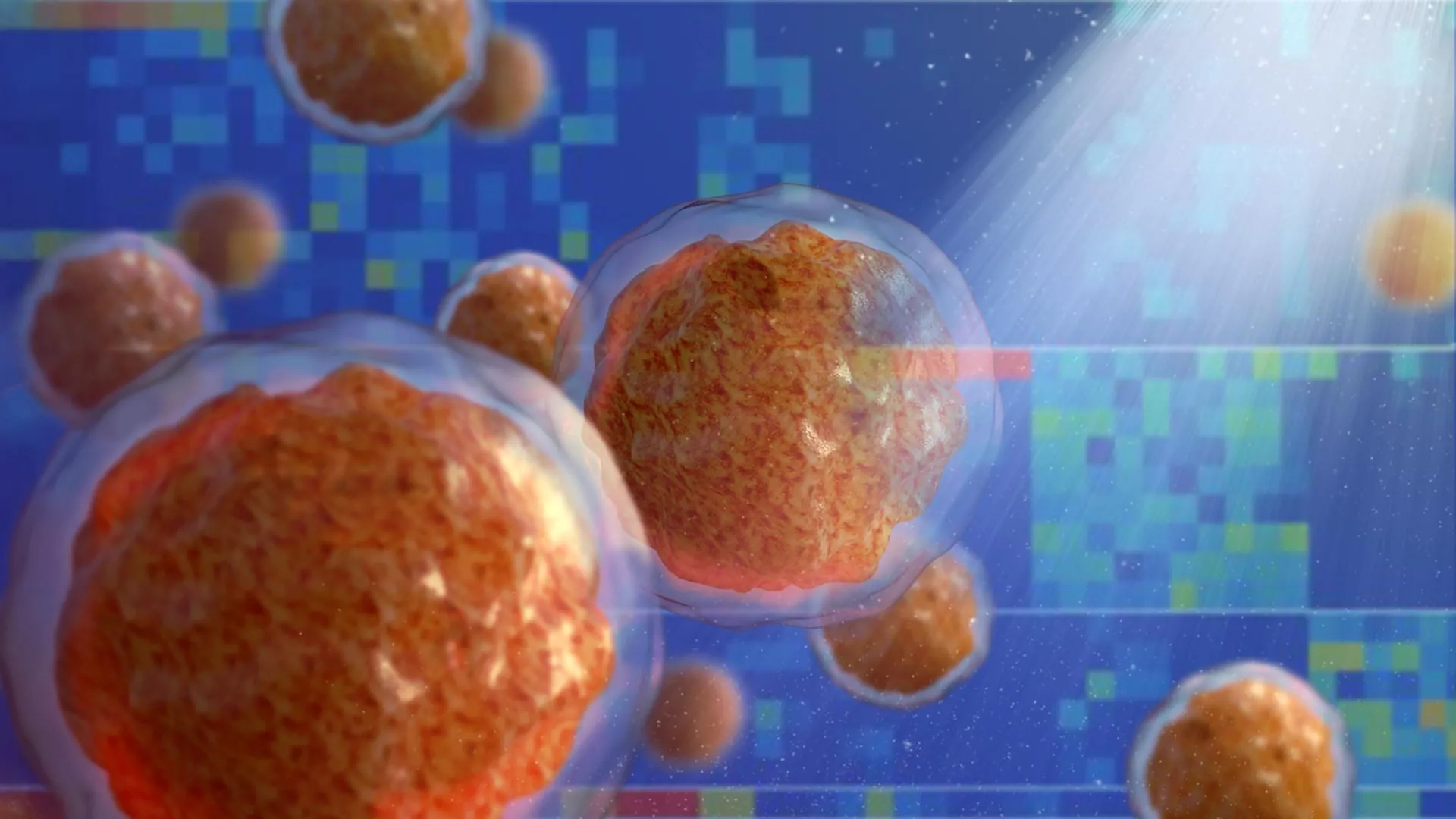
The human bone marrow is one of the most industrious organs in the body, serving as a biological factory that generates millions of new blood and immune cells every single minute. This relentless cycle of renewal, known as hematopoiesis, is fundamental to human life, ensuring that the body can transport oxygen, clot wounds, and mount defenses against pathogens. However, this high-volume production depends on an exquisitely sensitive equilibrium within the bone marrow microenvironment, also known as the "niche." This niche is a complex ecosystem where hematopoietic stem cells (HSCs) interact with supportive stromal cells and a sophisticated network of chemical signals. When this balance is disrupted, the consequences are profound, leading to a spectrum of disorders ranging from benign age-related changes to aggressive, fatal cancers.
Recent research published in Nature Communications has shed new light on the mechanisms underlying this breakdown. An international research team, co-led by Professor Judith Zaugg of EMBL and the University of Basel, and Dr. Borhane Guezguez of University Medical Center (UMC) Mainz, has mapped the hidden molecular and spatial changes that occur within the bone marrow long before clinical symptoms of disease appear. Their findings suggest that a specific type of chronic inflammation, often referred to as "inflammaging," acts as a primary driver for the expansion of mutated cell clones, potentially transforming the bone marrow from a supportive cradle into a hostile environment that facilitates the development of leukemia.
The Silent Rise of Clonal Hematopoiesis and MDS
As the human body ages, the genetic integrity of its stem cell pool begins to erode. Chronic inflammation, environmental stressors, and the simple passage of time can lead to somatic mutations—genetic changes that occur after conception. When these mutations occur in hematopoietic stem cells, they can give rise to a condition known as Clonal Hematopoiesis of Indeterminate Potential, or CHIP. In individuals with CHIP, a single mutated stem cell begins to overproduce, creating a "clone" of blood cells that carries the same mutation.
While CHIP is technically considered a precursor state rather than a disease, its prevalence is staggering. Data indicates that CHIP is present in approximately 10% to 20% of adults over the age of 60, and nearly 30% of those over the age of 80. Most people with CHIP are entirely asymptomatic and may never realize they harbor these mutated cells. However, the presence of CHIP is far from benign; it is associated with a tenfold increase in the risk of developing hematologic malignancies and a doubling of the risk for cardiovascular disease and early mortality.
When the bone marrow’s ability to produce healthy blood cells begins to fail more severely, the condition may progress to Myelodysplastic Syndrome (MDS). MDS is a group of diverse bone marrow disorders characterized by "ineffective" hematopoiesis—the marrow produces plenty of cells, but they are malformed or dysfunctional and die before entering the bloodstream. This leads to chronic anemia, infections, and bleeding. MDS affects roughly 20 out of every 100,000 adults over the age of 70. Most concerningly, approximately 30% of MDS cases eventually transform into Acute Myeloid Leukemia (AML), a rapid-onset cancer with high mortality rates.
Mapping the Microenvironment: A Multidimensional Approach
Despite the well-documented risks associated with CHIP and MDS, the scientific community has long struggled to understand why mutated clones gain dominance over healthy cells. To address this, the research team conducted an exhaustive molecular and spatial analysis of human bone marrow samples. These samples were sourced from the BoHemE cohort study, a collaborative effort with Uwe Platzbecker at the National Center for Tumor Diseases (NCT) Dresden.
The researchers employed a suite of cutting-edge technologies to dissect the marrow’s architecture. This included single-cell RNA sequencing, which allows scientists to see which genes are "turned on" in individual cells, and biopsy imaging to map the physical locations of different cell types. They also utilized proteomics to study the proteins being produced and co-culture models to observe how different cell types interact in a controlled setting.
A critical challenge in studying these conditions is distinguishing between mutated and non-mutated cells within the same sample, as they often look identical under a microscope. To solve this, co-lead author Maksim Kholmatov, an EMBL alumnus, collaborated with experts from the Karolinska Institute to develop "SpliceUp." This computational tool identifies mutated cells in single-cell datasets by detecting abnormal RNA-splicing patterns—a hallmark of the genetic mutations found in MDS and CHIP.
The Discovery of Inflammatory Stromal Cells
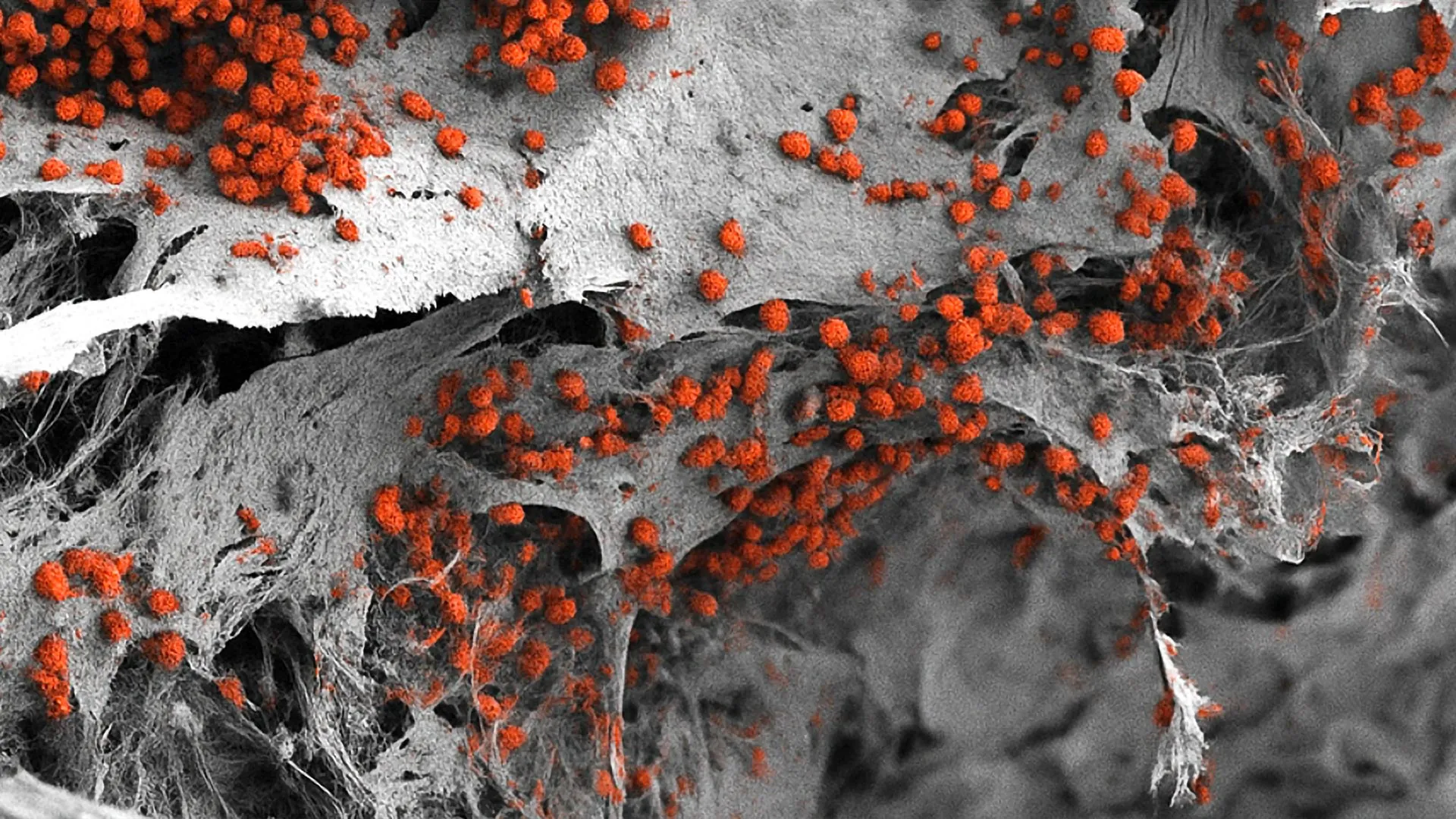
The team’s analysis revealed a surprising and significant cellular shift. In healthy bone marrow, mesenchymal stromal cells (MSCs) provide the structural and chemical support necessary for stem cells to function. However, the researchers found that in individuals with CHIP and patients with MDS, these healthy MSCs are gradually replaced by a population of inflammatory stromal cells, termed iMSCs.
"I was surprised to observe such pronounced remodeling of the bone marrow microenvironment already in individuals with CHIP, although the underlying cause-and-effect relationships remain unclear," noted Professor Judith Zaugg.
These iMSCs are fundamentally different from their healthy counterparts. Instead of providing supportive signals, they produce high volumes of interferon-induced cytokines and chemokines. These molecules act as chemical beacons, attracting and activating a specific subset of T cells that are highly responsive to interferon. Once these T cells arrive in the bone marrow, they release further inflammatory signals, creating a self-sustaining "feed-forward loop" of chronic inflammation. This inflammatory environment does not just coexist with the disease; it actively disrupts normal blood formation and causes pathological changes to the marrow’s vascular system.
The Failure of CXCL12 and the Loss of Homing
One of the most striking findings of the study involved the signaling molecule CXCL12. In a healthy system, stromal cells produce CXCL12 to act as a "homing signal," telling blood cells where to settle and mature within the marrow. The researchers discovered that in the context of MDS, the mutated stem cells appear to lose the ability to trigger stromal cells to produce this vital signal.
"This failure may help explain why the bone marrow stops working properly," said Karin Prummel, co-lead author and EMBL postdoc. Without CXCL12, the spatial organization of the marrow collapses. Hematopoietic cells cannot find their proper "niches," leading to the ineffective cell production that characterizes MDS.
Interestingly, the study found that the mutated hematopoietic cells do not necessarily trigger this inflammation themselves. Instead, the inflammatory network within the microenvironment becomes a dominant, independent force that replaces the marrow’s normal regenerative structure. This suggests that the environment itself may be "primed" for disease, perhaps by the broader process of systemic aging.
Therapeutic Implications and the Concept of Inflammaging
The identification of the bone marrow microenvironment as a central player in disease progression opens new doors for treatment and prevention. Traditionally, cancer treatment focuses almost exclusively on killing the mutated cells. However, this research suggests that by targeting the "ecosystem" that supports those cells, doctors might be able to intercept the disease much earlier.
"Our findings reveal that the bone marrow microenvironment actively shapes the earliest stages of malignant evolution," explained Dr. Borhane Guezguez. "As advances in molecular profiling allow us to detect pre-leukemic states years before clinical onset, understanding how stromal and immune cells interact provides a foundation for preventive therapies."
This could involve the use of existing anti-inflammatory drugs or new therapies designed to modulate interferon signaling. By cooling the inflammatory "fire" in the bone marrow of older adults with CHIP, it may be possible to preserve normal marrow function and prevent the transition to MDS or AML. Furthermore, the specific molecular markers of iMSCs and interferon-responsive T cells could be used as biomarkers to identify which patients with CHIP are at the highest risk of progression.
The study also contributes to the growing understanding of "inflammaging"—the theory that the low-grade, chronic inflammation that accompanies aging is a root cause of many age-related pathologies, including cancer, heart disease, and metabolic disorders. The bone marrow, once viewed simply as a production site, is now recognized as a central hub for systemic inflammatory aging.
Future Research and Niche Memory
While the findings are groundbreaking, the researchers emphasize that more work is needed to understand the temporal progression of these changes. "It will be crucial to study these processes over time; our current findings are based on cross-sectional data," Professor Zaugg remarked.
One area of particular interest is the concept of "niche memory." When patients with advanced blood cancers undergo bone marrow transplants, the malignant cells are replaced with healthy donor stem cells. However, if the bone marrow niche retains a "memory" of the previous inflammatory state, it may fail to support the new, healthy cells, leading to transplant failure or relapse. Understanding how to "reset" the microenvironment could significantly improve the success rates of these procedures.
The study was published alongside a complementary piece of research led by Marc Raaijmakers from the Erasmus MC Cancer Institute, which also examined the MDS bone marrow microenvironment. Together, these studies provide the most comprehensive view to date of how inflammatory remodeling dictates the early phases of bone marrow disease, marking a significant step forward in the quest to prevent leukemia before it even begins.













Leave a Reply