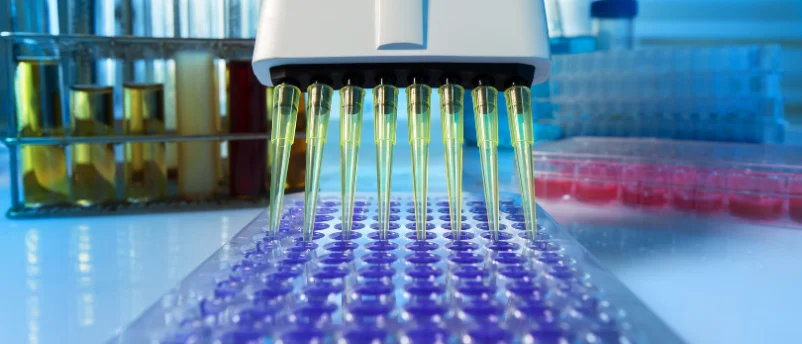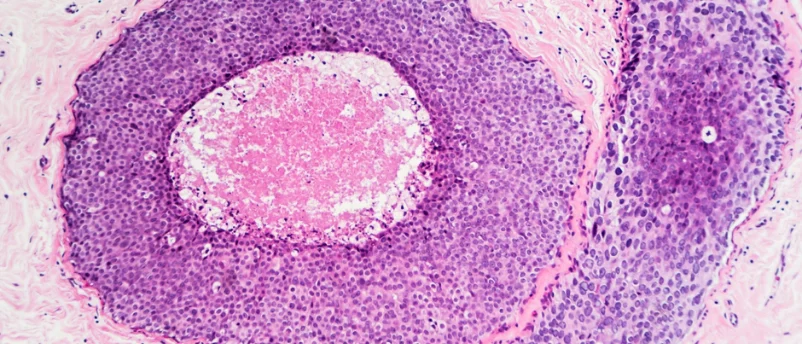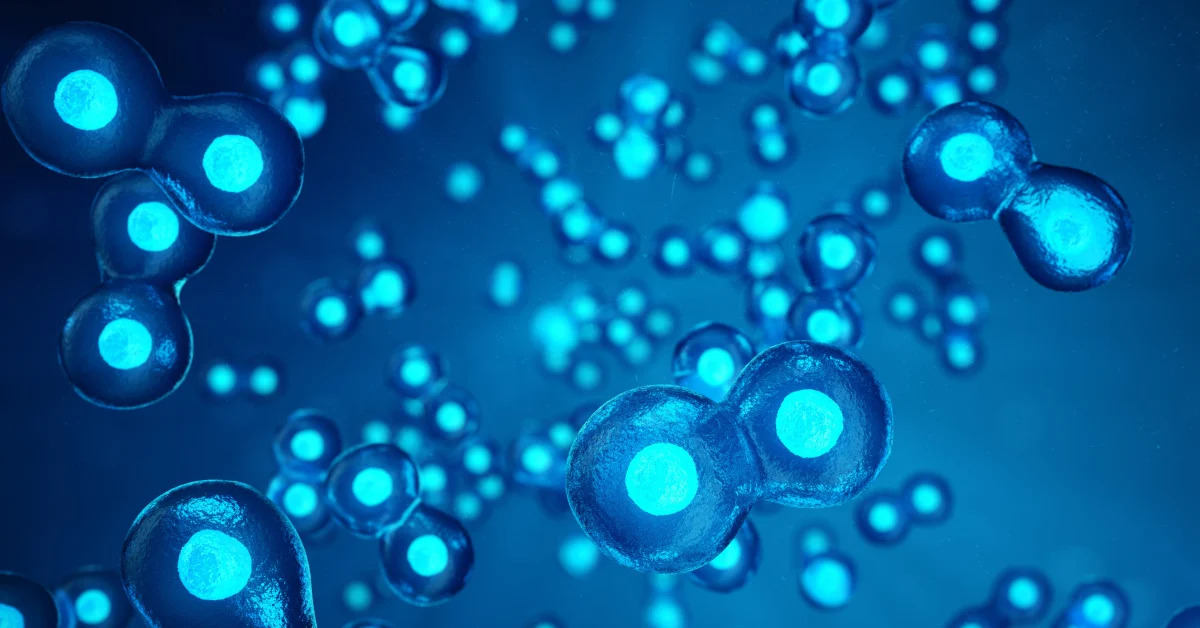
Developing robust and high-yielding cell lines for biotherapeutics is a critical yet challenging process in the field of biotechnology, forming the bedrock for the production of life-saving medicines ranging from monoclonal antibodies to advanced gene and cell therapies. The escalating demand for biologics, coupled with stringent regulatory requirements for product quality and consistency, places immense pressure on pharmaceutical companies to optimize every stage of drug development, with cell line development (CLD) being a particularly significant bottleneck. Historically, traditional cell line development methods, such as limiting dilution and Fluorescence Assisted Cell Sorting (FACS), have been widely employed but are often characterized by being time-consuming, resource-intensive, and prone to low success rates due to inherent limitations like poor clone viability, inconsistent monoclonality assurance, and inefficient resource utilization. In response to these persistent challenges, Sartorius (Göttingen, Germany), a leading international partner of life science research and the biopharmaceutical industry, has introduced its innovative CellCelector Flex platform. This advanced system leverages state-of-the-art nanowell technology, sophisticated automation, and highly sensitive bead-based secretion assays, offering a robust, efficient, and reliable alternative that promises to redefine the landscape of biotherapeutic CLD.
The Indispensable Role of Cell Line Development in Modern Biopharma
The global biopharmaceutical market is experiencing unprecedented growth, driven by an aging population, increasing prevalence of chronic diseases, and breakthroughs in genomic and proteomic research. Biologics, which include therapeutic proteins, vaccines, and advanced therapies, represent a significant portion of new drug approvals and are often characterized by their high specificity and efficacy. At the heart of producing these complex molecules lies the cell line – typically mammalian cells like Chinese Hamster Ovary (CHO) cells – which are genetically engineered to express the desired therapeutic protein. The performance of this cell line directly dictates the productivity, quality, and ultimately, the commercial viability of the biotherapeutic product.
A high-quality cell line must possess several key attributes: it must be clonal, meaning it originated from a single cell to ensure genetic homogeneity and stability; it must exhibit high productivity, secreting large quantities of the target protein; and it must maintain stability over numerous passages and production cycles. Furthermore, the produced protein must have the correct post-translational modifications, crucial for its function and safety. Regulatory bodies like the U.S. Food and Drug Administration (FDA) and the European Medicines Agency (EMA) mandate strict proof of monoclonality and stability throughout the CLD process, adding layers of complexity and validation requirements. Any shortcomings in CLD can lead to delays in clinical trials, increased manufacturing costs, and potentially, the failure of a promising drug candidate. Therefore, optimizing CLD is not merely an operational improvement; it is a strategic imperative that directly impacts a drug’s time to market and patient access.
The Persistent Challenges of Traditional Cell Line Development Methodologies
For decades, biopharmaceutical companies have relied on methods that, while foundational, present significant drawbacks in the context of modern, accelerated drug development.
Limiting Dilution: A Legacy Method with Inherent Flaws
Limiting dilution, one of the oldest and most widely used methods, involves diluting a cell suspension to a concentration where, statistically, each well of a multi-well plate receives only one cell.
- Process: Cells are serially diluted to an extremely low concentration (e.g., 0.5 cells/well) and then dispensed into 96- or 384-well plates. Over several weeks, individual cells proliferate to form colonies.
- Drawbacks:
- Low Efficiency and Throughput: A large number of wells are typically required to obtain a reasonable number of monoclonal colonies due to the statistical nature of the process. Many wells will remain empty or contain multiple cells, wasting valuable resources and time.
- Time-Consuming: The process from plating to colony picking can take several weeks, extending the overall CLD timeline.
- Resource-Intensive: Requires a significant amount of media, reagents, and incubator space.
- Poor Clone Viability: Cells isolated at extremely low densities often experience stress, leading to reduced viability and slower growth, making it harder to establish robust clones.
- Statistical Monoclonality: Proof of monoclonality is statistical rather than absolute. While it’s highly probable a colony came from one cell, there’s always a lingering doubt without direct visual confirmation, often necessitating further subcloning or validation steps.
Fluorescence Activated Cell Sorting (FACS): High Throughput but Not Without Compromise
FACS, a more advanced technique, allows for the high-throughput isolation of single cells based on specific fluorescent markers, such as surface protein expression or intracellular enzyme activity.
- Process: Cells are stained with fluorescent antibodies or dyes and then passed through a flow cytometer, which detects and sorts individual cells into multi-well plates based on their fluorescence profile.
- Advantages: Higher throughput compared to limiting dilution and the ability to select cells based on specific characteristics, potentially enriching for higher producers earlier in the process.
- Drawbacks:
- Cell Stress and Damage: The high shear forces and pressure involved in the sorting process can induce significant stress on delicate cells, leading to reduced viability, slower growth, and even altered cellular characteristics post-sort.
- Equipment and Expertise: Requires specialized and expensive flow cytometry equipment and highly trained personnel for operation and maintenance.
- Maintaining Monoclonality: While FACS can sort single cells, ensuring that only one cell is deposited per well consistently remains a technical challenge. Contamination or errors can still lead to non-monoclonal populations, requiring subsequent verification.
- Limited Functional Information: FACS primarily selects based on surface markers or internal stains, which may not always directly correlate with the desired functional attribute of high protein secretion.
The cumulative effect of these limitations is a protracted and costly CLD phase, which acts as a bottleneck in the overall drug development pipeline, delaying potentially life-saving therapies from reaching patients. The biopharmaceutical industry has long sought more efficient, reliable, and automated solutions.
Sartorius’s Innovative Approach: The CellCelector Flex Platform
Sartorius’s CellCelector Flex platform emerges as a direct answer to these industry challenges, integrating cutting-edge technologies into a cohesive, automated workflow designed to accelerate and optimize cell line development. The platform’s core innovation lies in its synergistic combination of nanowell technology, advanced automation, and highly sensitive bead-based secretion assays.
Nanowell Technology: Precision Single-Cell Isolation
The CellCelector Flex utilizes advanced nanowell technology for gentle and precise single-cell isolation. Nanowells are miniature wells, often microfabricated on a chip, designed to hold individual cells.
- Mechanism: Cells are dispensed onto a nanowell array, where they settle into individual wells. The small dimensions of the wells ensure that, under optimal conditions, each well contains only one cell. High-resolution imaging systems then confirm the presence of a single cell in each selected nanowell.
- Advantages:
- Absolute Monoclonality Assurance: Unlike statistical methods, nanowell technology allows for direct visual verification of a single cell in each isolation unit, providing undeniable proof of monoclonality from day zero. This significantly reduces regulatory risk and accelerates subsequent validation steps.
- Gentle Handling: Cells are handled much more gently than in FACS, minimizing stress and preserving cell viability and function.
- High Viability and Recovery: The gentle isolation process leads to higher cell viability and better recovery rates of clones after transfer.
- Controlled Microenvironment: Each nanowell acts as a mini-incubator, providing a stable environment for initial cell growth.
Advanced Automation: Streamlining the Workflow
Automation is a cornerstone of the CellCelector Flex, addressing the labor-intensive nature of traditional CLD.
- Integrated System: The platform integrates cell loading, single-cell imaging, selection, and retrieval into an automated sequence.
- Benefits:
- Reduced Manual Intervention: Minimizes human error and variability, leading to more reproducible results.
- Increased Throughput: Allows for the processing of a significantly larger number of cells and clones in a shorter time frame compared to manual methods.
- 24/7 Operation: Enables continuous operation, maximizing instrument utilization and accelerating timelines.
- Enhanced Reproducibility: Automated processes ensure consistent experimental conditions, improving the reliability and comparability of results.
- Walk-Away Time: Frees up highly skilled personnel to focus on data analysis and other critical research tasks.
Bead-Based Secretion Assays: Early Identification of High Producers
A key differentiator of the CellCelector Flex is its integration of bead-based secretion assays, allowing for the functional screening of single cells.
- Mechanism: Individual cells captured in nanowells are incubated with specialized beads that capture secreted proteins. These beads are then analyzed to quantify the amount of target protein secreted by each single cell.
- Advantages:
- Functional Selection: Enables the identification of high-producing clones at the single-cell level and early in the process, based on their actual secretion capabilities, rather than just proxies like surface markers.
- Speed and Efficiency: This early functional screening dramatically reduces the number of non-producing or low-producing clones carried forward, saving time, reagents, and resources in downstream processing.
- Quantitative Data: Provides quantitative data on secretion levels, allowing for precise ranking and selection of the most promising candidates.
- Multiplexing Potential: Some bead-based assays can be adapted to screen for multiple analytes, adding further depth to the screening process.
The Integrated Workflow: A Seamless Path to High-Quality Clones
The CellCelector Flex platform’s power lies in its ability to combine these technologies into a seamless, high-efficiency workflow. From precise single-cell isolation in nanowells with visual monoclonality confirmation, to rapid, automated screening for high-secreting clones using bead-based assays, and finally, to automated retrieval of only the most promising candidates, the platform offers an end-to-end solution. This integrated approach ensures that only truly monoclonal, high-producing, and viable clones are advanced, drastically cutting down the overall CLD timeline and improving success rates.
Timeline and Evolution of Cell Line Development Innovations
The quest for improved CLD methodologies has been a continuous journey in biotechnology. In the early days (1970s-1980s), manual methods like limiting dilution were standard. The 1990s saw the emergence of flow cytometry and FACS, offering higher throughput for cell sorting. The early 2000s brought advancements in miniaturization and microfluidics, paving the way for technologies like nanowells. Sartorius, with a history spanning over 150 years, has consistently been at the forefront of innovation in laboratory and bioprocess technologies. Their strategic acquisitions and internal R&D efforts have led to a comprehensive portfolio covering everything from cell culture and fermentation to purification and analytical instruments. The introduction of the CellCelector Flex represents a natural evolution of this commitment, building upon existing microfluidic and automation expertise to address a critical unmet need in bioprocessing. This platform is not just an incremental improvement; it signifies a pivotal step towards a more automated, precise, and data-driven future for biotherapeutic manufacturing.
Supporting Data and Inferred Implications
While specific data from the Application Note is not provided here, such detailed technical documents typically highlight significant improvements. It is reasonable to infer that studies presented by Sartorius would demonstrate:
- Accelerated Timelines: A substantial reduction in the overall CLD timeline, potentially cutting months off the drug development process. This could translate to drug candidates reaching clinical trials and market significantly faster.
- Enhanced Monoclonality Assurance: Near 100% monoclonality at the earliest stage, validated by imaging, simplifying regulatory submissions and reducing downstream risks.
- Improved Success Rates: A higher percentage of selected clones successfully developing into stable, high-producing cell lines.
- Reduced Resource Consumption: Lower usage of consumables, media, and labor per successfully identified clone.
- Cost Savings: The combined efficiency gains lead to significant reductions in R&D costs associated with CLD.
Statements and Broader Industry Reactions
"The development of the CellCelector Flex platform underscores Sartorius’s unwavering commitment to empowering the biopharmaceutical industry with cutting-edge tools that accelerate the journey from discovery to patient," states a hypothetical spokesperson from Sartorius’s Bioprocess Solutions division. "By integrating precise single-cell isolation, robust automation, and early functional screening, we are not just optimizing a single step; we are fundamentally transforming the entire cell line development workflow, ensuring that our partners can bring safer, more effective biologics to market faster and more efficiently."
Industry experts would likely view such innovations as critical for sustaining the rapid pace of biopharmaceutical advancement. "Platforms like the CellCelector Flex are vital," comments a leading bioprocess consultant. "They address core inefficiencies that have plagued CLD for decades, moving us closer to truly industrialized biomanufacturing. The ability to confirm monoclonality early and select based on functional productivity is a game-changer for reducing risk and improving economic viability."
Broader Impact and Implications
The implications of technologies like the CellCelector Flex extend far beyond the laboratory bench:
- For Biopharmaceutical Companies: The immediate impact is a significant competitive advantage through faster drug development cycles, reduced R&D expenditure, and earlier market entry for novel biologics. This can translate into higher returns on investment and a stronger market position.
- For Patients: Ultimately, accelerated CLD means that innovative, life-saving biotherapeutics can reach patients sooner. Reduced development costs might also, in the long term, contribute to more affordable access to these essential medicines.
- For the Biotechnology Industry: The CellCelector Flex sets a new benchmark for CLD, driving further innovation in upstream bioprocessing and encouraging the development of integrated, automated, and data-rich solutions across the entire biomanufacturing pipeline. It supports the broader trend towards Bioprocess 4.0, emphasizing digitalization, automation, and real-time data analysis.
- Regulatory Compliance: The platform’s ability to provide irrefutable proof of monoclonality and generate comprehensive data on clone performance significantly simplifies the process of meeting stringent regulatory requirements, potentially speeding up drug approval processes.
- Future Outlook: This technology paves the way for even more sophisticated CLD strategies, potentially integrating artificial intelligence and machine learning for predictive clone selection and process optimization. It underscores the shift towards a future where biopharmaceutical manufacturing is not only highly efficient but also exceptionally precise and reliable.
The Application Note offered by Sartorius provides comprehensive details on the CellCelector Flex platform, outlining its technical specifications, operational advantages, and detailed data demonstrating its efficacy in overcoming the limitations of traditional CLD methods. This content is part of a broader Spotlight on cell line development, offering expert insights into this critical field. For those seeking to delve deeper into the technical aspects and practical benefits of this transformative technology, accessing the full Application Note is highly recommended.
Sartorius continues to be a pivotal player in the life sciences and biopharmaceutical sectors, providing a wide array of products and services that facilitate research, development, and manufacturing. Their commitment to innovation, as exemplified by the CellCelector Flex, positions them at the forefront of enabling the next generation of biotherapeutic discoveries and production.
Follow Sartorius on Twitter, Facebook, and LinkedIn for the latest updates and insights into their contributions to global health and scientific advancement.