New archaeological research has unearthed compelling evidence suggesting that seabird guano, a nutrient-rich deposit formed from bird droppings, played a pivotal role in revolutionizing agriculture in ancient Peru. This potent natural fertilizer may have been instrumental in propelling the Chincha Kingdom to become one of the most prosperous and influential societies in the region prior to the ascendancy of the Inca Empire. The findings underscore the profound impact of seemingly humble natural resources on the trajectory of ancient civilizations, revealing a sophisticated understanding of ecological systems and resource management that underpinned significant sociopolitical and economic transformations.
The Unseen Power of Bird Droppings
Dr. Jacob Bongers, a digital archaeologist at the University of Sydney and a Visiting Research Fellow at the Australian Museum Research Institute, led the groundbreaking study. His team’s analysis of biochemical markers in ancient maize samples has illuminated the significant contribution of guano to Andean civilizations. "Seabird guano may seem trivial," Dr. Bongers stated, "yet our study suggests this potent resource could have significantly contributed to sociopolitical and economic change in the Peruvian Andes."
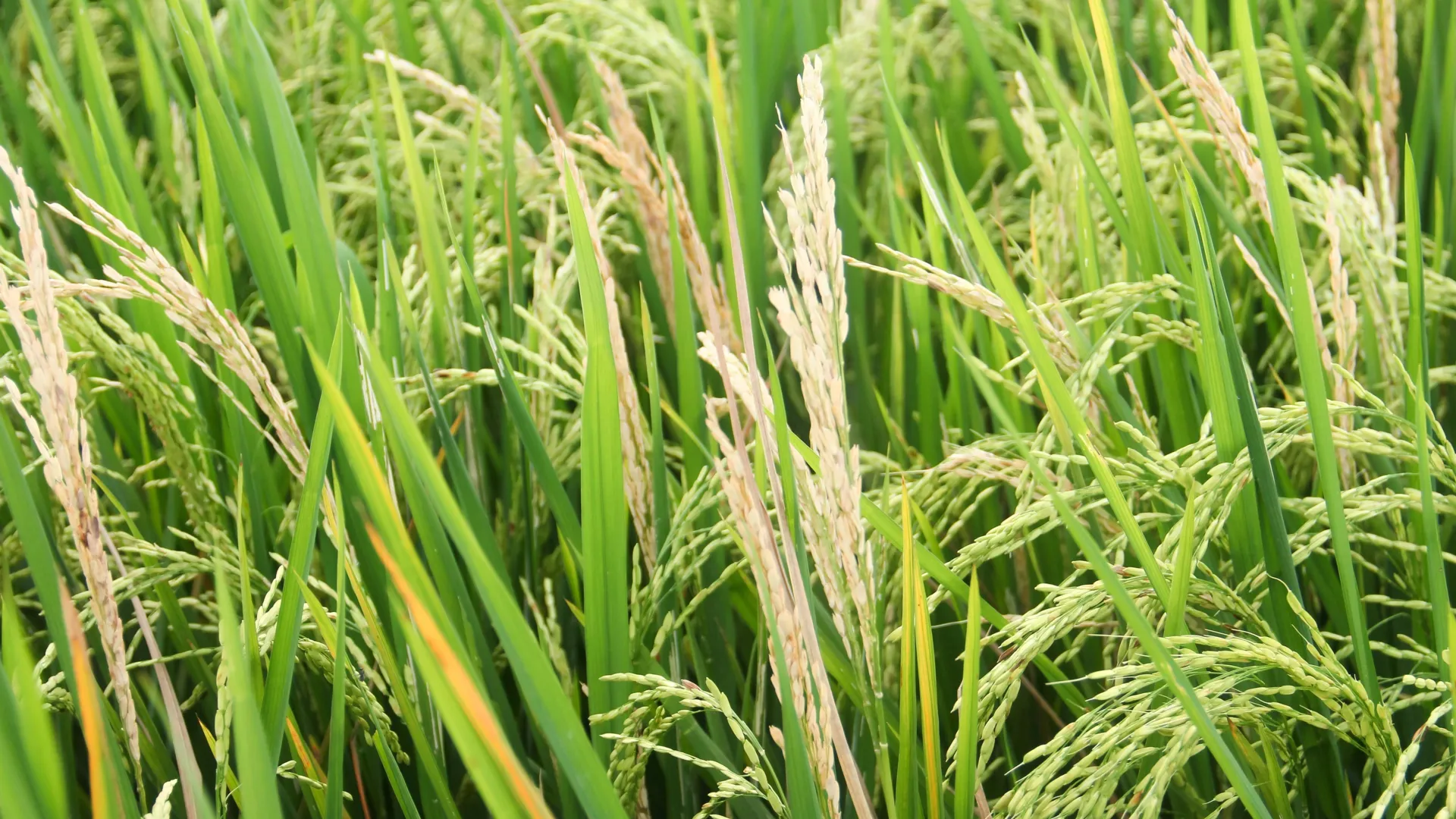
The research, published in the esteemed scientific journal PLOS One, focused on 35 maize samples meticulously recovered from burial tombs within the Chincha Valley. This fertile region was once the heartland of a powerful coastal society, estimated to have supported a population of approximately 100,000 individuals. Laboratory analysis of these ancient maize specimens revealed exceptionally high nitrogen levels, far exceeding what the local soil composition could naturally provide. This anomaly strongly indicated the use of an external nitrogen source, with seabird guano emerging as the most probable candidate due to its inherent richness in nitrogen, a byproduct of the seabirds’ marine-based diet.
"Guano dramatically boosted the production of maize (corn), and this agricultural surplus crucially helped fuel the Chincha Kingdom’s economy, driving their trade, wealth, population growth and regional influence, and shaped their strategic alliance with the Inca Empire," Dr. Bongers explained. He aptly summarized the core finding: "In ancient Andean cultures, fertilizer was power."
Unearthing Ancient Agricultural Practices
The Chincha Islands, located off the coast of Peru, are renowned for their abundant and high-quality guano deposits. The study posits that this readily available resource was the primary source for the Chincha’s agricultural enrichment. "The guano was most likely harvested from the nearby Chincha Islands," Dr. Bongers elaborated. He cited colonial-era writings that documented communities across coastal Peru and northern Chile undertaking voyages on rafts to these islands to collect seabird droppings for fertilization. This historical evidence, coupled with the biochemical findings, paints a vivid picture of a well-established and systematic practice of guano harvesting and application.
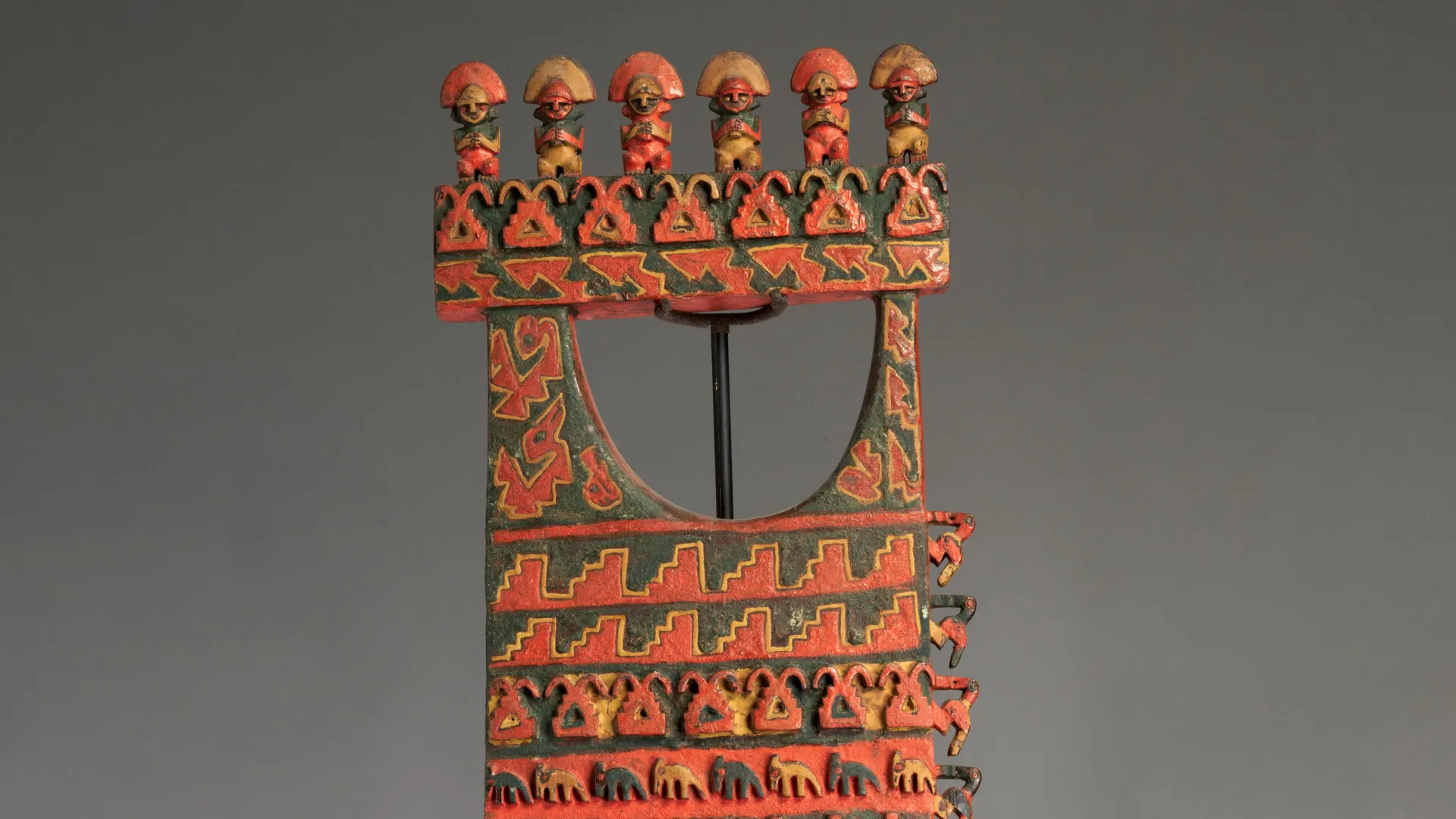
Further bolstering the study’s conclusions is the examination of archaeological artwork from the region. The recurring motifs of seabirds, fish, and sprouting maize depicted on textiles, ceramics, pottery, wall carvings, and paintings suggest a deep cultural significance attributed to these elements. These artistic expressions serve as a visual testament to the vital relationship between marine life, seabirds, and agricultural success in Chincha society.
"Together, the chemical and material evidence we studied confirms earlier scholarship showing that guano was deliberately collected and used as a fertilizer," Dr. Bongers noted. "But it also points to a deeper cultural significance, suggesting people recognized the exceptional power of this fertilizer and actively celebrated, protected and even ritualized the vital relationship between seabirds and agriculture." This suggests that the practice was not merely utilitarian but imbued with cultural and perhaps spiritual meaning, highlighting a profound respect for the natural resources that sustained their civilization.
Dr. Emily Milton, a postdoctoral fellow at the Smithsonian Institution in Washington, D.C., emphasized the importance of interdisciplinary research in understanding such complex practices. "The historical records documenting how bird guano was applied to maize fields helped us interpret the chemical data and understand the regional importance of this practice," she commented. "Our work extends the known geographic extent of guano fertilization, echoing recent findings in northern Chile, and suggests soil management began at least around 800 years ago in Peru." This temporal placement of advanced soil management techniques adds another layer to our understanding of early Andean ingenuity.
Cultivating Abundance in Arid Lands
Agriculture along Peru’s coast has historically presented formidable challenges due to the region’s status as one of the driest environments on Earth. Even with irrigation, the soil quickly loses its essential nutrients, making sustained crop production difficult. The strategic utilization of guano, transported from offshore islands, provided coastal farmers with a powerful and renewable fertilizer. This allowed for the cultivation of maize in substantial quantities within the Chincha Valley, a feat that would have been nearly impossible with natural soil fertility alone.
Maize was a cornerstone crop across the Americas, serving as a vital staple food source. The ability of the Chincha to produce it in abundance fostered significant agricultural surpluses. These surpluses, in turn, supported a diverse range of societal roles, including merchants, farmers, and fisherfolk, contributing to the overall economic dynamism of the kingdom. This prosperity was a key factor in the Chincha’s development into major coastal traders, their maritime expertise allowing them to leverage their agricultural success for broader economic and political gain.
"We know the Chincha were extraordinarily wealthy and one of the most powerful coastal societies of their time. But what underpinned that prosperity?" Dr. Bongers posed. "Previous research often pointed to spondylus shells, the spiny oyster, as the key driver of merchant wealth. Our evidence suggests guano was central to the Chincha Kingdom’s success, with the Chincha’s maritime knowledge and access to the Chincha Islands likely reframing their strategic importance in the region." This suggests a re-evaluation of the primary drivers of Chincha wealth and power, placing a newfound emphasis on their mastery of natural resources and agricultural innovation.
Guano, Trade, and Imperial Diplomacy
The rise of the Chincha Kingdom occurred within the broader context of emerging powers in the Andes. The Inca Empire, which eventually dominated the region, was headquartered in the highlands and built the largest Indigenous empire in the Americas before European arrival. Maize held immense cultural and practical importance for the Inca, notably as the primary ingredient for ‘chicha,’ a ceremonial fermented beer. However, cultivating large quantities of maize in the high-altitude Andean environment was challenging, and the Inca lacked the seafaring technology necessary to access offshore guano deposits.
This technological and geographical disparity created a unique geopolitical dynamic. "Guano was a highly sought-after resource the Incas would have wanted access to, playing an important role in the diplomatic arrangements between the Inca and the Chincha communities," Dr. Bongers explained. The Chincha’s control over this vital agricultural input likely positioned them as crucial allies and trading partners for the expanding Inca Empire. Their ability to provide guano would have significantly enhanced Inca agricultural output, solidifying their alliance and potentially easing the Inca’s expansion into more fertile, though still challenging, agricultural zones. "It expanded Chincha’s agricultural productivity and mercantile influence, leading to exchanges of resources and power." This symbiotic relationship highlights the strategic value of natural resources in shaping inter-state relations.
Ecological Wisdom as the Foundation of Power
The research further suggests that the Chincha’s prosperity was not merely a matter of possessing a valuable resource, but rather a testament to their sophisticated understanding of ecological systems. Dr. Jo Osborn of Texas A&M University, a coauthor of the study, articulated this perspective: "The true power of the Chincha wasn’t just access to a resource; it was their mastery of a complex ecological system."
She elaborated, "They possessed the traditional knowledge to see the connection between marine and terrestrial life, and they turned that knowledge into the agricultural surplus that built their kingdom. Their art celebrates this connection, showing us that their power was rooted in ecological wisdom, not just gold or silver." This highlights a more nuanced understanding of ancient power structures, emphasizing intellectual and environmental stewardship over simple material wealth.
The study also builds upon Dr. Bongers’ earlier research concerning the Band of Holes, a site located south of the Chincha Valley. He has proposed that this area may have functioned as an ancient marketplace operated by the Chincha Kingdom, further underscoring their economic reach and organizational capabilities. "This research adds another layer to our understanding of how the Chincha, and potentially other coastal communities, used resources, trade and agriculture to expand their influence in the pre-Hispanic era," Dr. Bongers concluded.
The research was supported by grants from the National Science Foundation Graduate Research Fellowship Program, the Society of Fellows at Boston University, the Ford Foundation Fellowship Program, the National Geographic Young Explorers Grant Program, and the Sigma Xi Grants-in-Aid Research Program. These funders played no role in the study’s design, data collection, analysis, decision to publish, or manuscript preparation. The comprehensive findings offer a significant reinterpretation of ancient Peruvian history, revealing the critical, and often overlooked, role of natural fertilizers in shaping the rise and fall of civilizations.