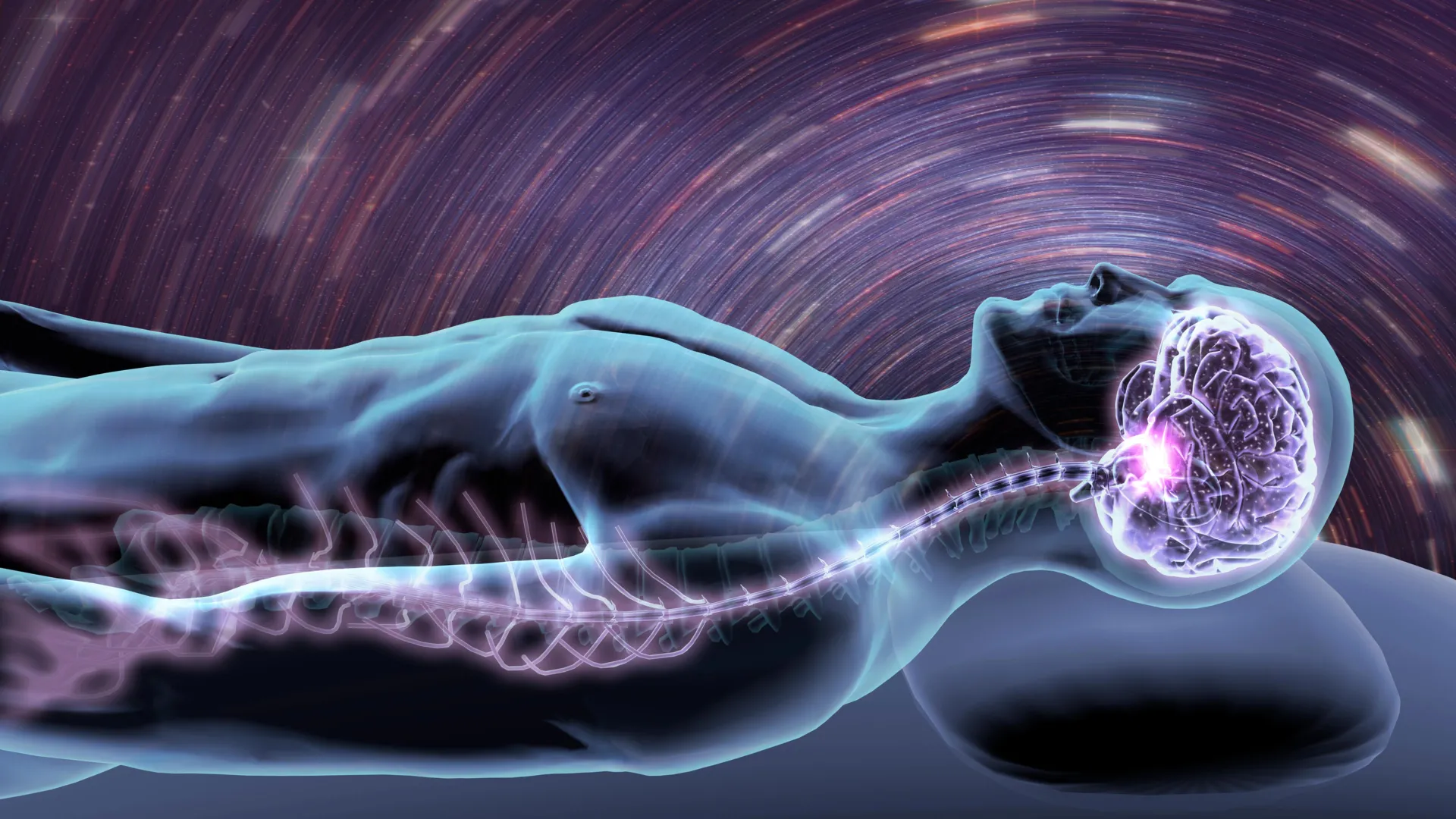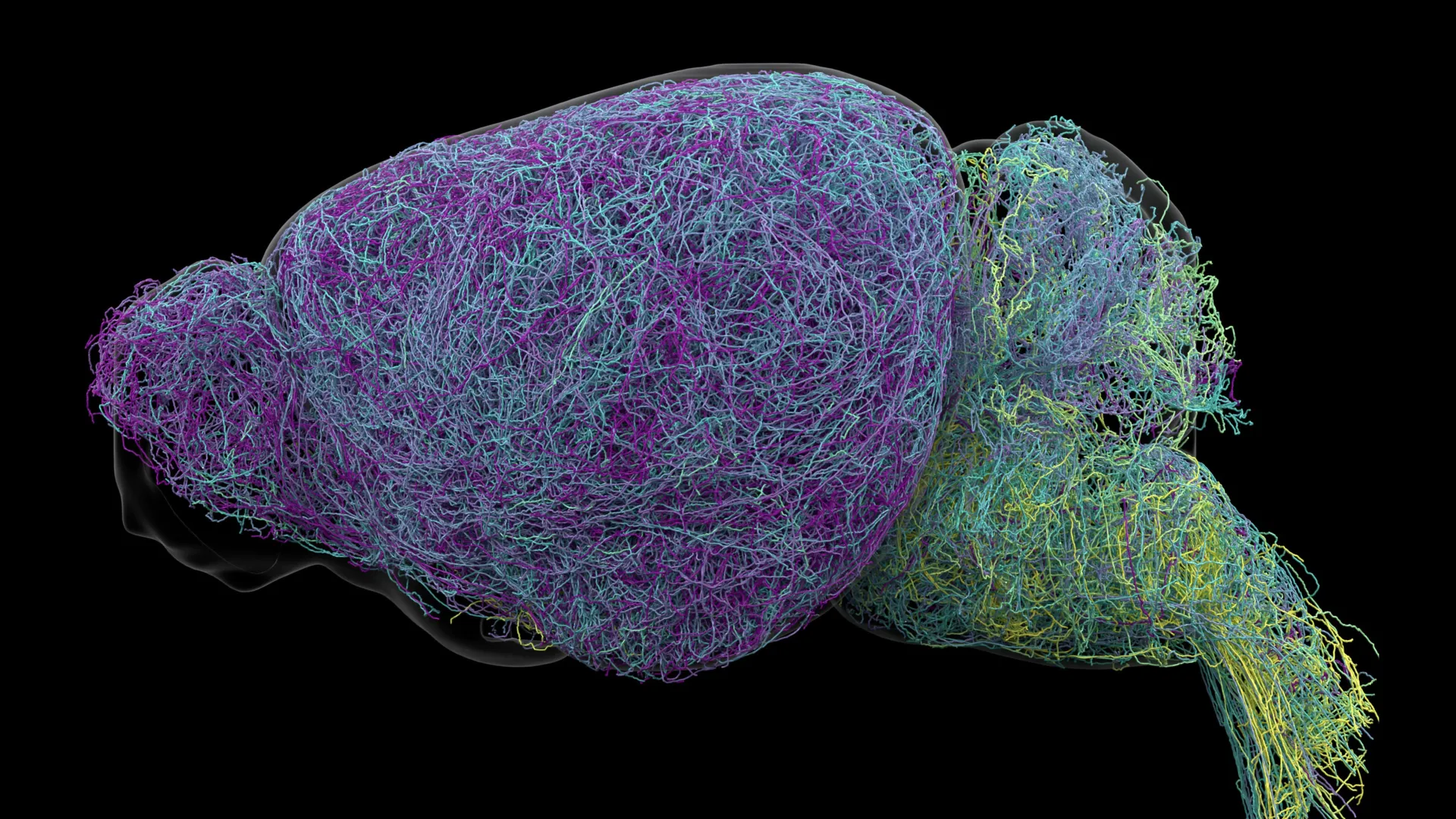
A groundbreaking study led by researchers at the University of California San Diego has revealed that a weeklong intensive program focusing on meditation and other mind-body techniques can induce rapid, measurable shifts in both neurological activity and systemic biology. The research, published recently in the peer-reviewed journal Communications Biology, demonstrates that these intensive mental practices activate natural physiological pathways associated with neuroplasticity, metabolic regulation, immune system enhancement, and endogenous pain relief. By quantifying these changes through advanced imaging and blood analysis, the study provides a robust scientific framework for understanding how subjective mental states can fundamentally reshape physical health.
The study represents a significant milestone in the field of integrative medicine. While meditation and mindfulness have been utilized for millennia across various cultures to foster well-being, the scientific community has historically struggled to map the precise biological mechanisms that bridge the gap between "mind" and "body." This latest inquiry, part of a broad multidisciplinary initiative funded by the InnerScience Research Fund, marks one of the first instances where researchers have systematically measured the simultaneous effects of multiple mind-body techniques delivered within a condensed, seven-day timeframe.
A New Frontier in Quantifying Consciousness
"We’ve known for years that practices like meditation can influence health, but what’s striking is that combining multiple mind-body practices into a single retreat produced changes across so many biological systems that we could measure directly in the brain and blood," said the study’s senior author, Hemal H. Patel, Ph.D. Patel serves as a professor of anesthesiology at the UC San Diego School of Medicine and is a research career scientist at the Veterans Affairs San Diego Healthcare System.
Dr. Patel emphasized that the findings transcend simple relaxation or stress reduction. "This isn’t about just stress relief or relaxation; this is about fundamentally changing how the brain engages with reality and quantifying these changes biologically," he noted. The research suggests that the human body possesses an inherent capacity for rapid biological reorganization when subjected to specific mental and environmental stimuli.
Methodology and the Seven-Day Chronology
The researchers conducted their investigation by following 20 healthy adult participants who enrolled in a seven-day residential retreat. The retreat was facilitated by Joe Dispenza, D.C., a prominent neuroscience educator and author known for his work on the intersection of meditation and biology. Over the course of the week, participants were immersed in a rigorous schedule that included:
- Educational Lectures: Detailed sessions on the neuroscience of belief, the mechanics of the stress response, and the potential for self-directed neuroplasticity.
- Guided Meditation: Approximately 33 hours of intensive meditation sessions designed to cultivate focused attention and emotional regulation.
- Group-Based Healing Activities: Collaborative sessions aimed at fostering social connection and shared intention.
The study utilized an "open-label placebo" framework. In this experimental design, participants are aware that certain interventions are being presented as placebos or are driven by expectation. Despite this awareness, previous research has shown that such interventions can still trigger significant physiological responses through the power of expectation, social cohesion, and the ritual of the practice itself.
To capture a comprehensive "biological fingerprint" of the experience, the UC San Diego team employed a dual-track data collection strategy. Before the retreat began and immediately following its conclusion, participants underwent functional magnetic resonance imaging (fMRI) to map brain connectivity and activity patterns. Simultaneously, blood samples were collected to perform deep molecular profiling, including assessments of metabolic markers and immune system activity.
Neurological Shifts: Mirroring the Psychedelic Experience
One of the most provocative findings of the study was the transformation of brain activity patterns. Post-retreat fMRI scans revealed a significant increase in coordination and connectivity between disparate regions of the brain. Interestingly, the researchers observed that these neural signatures closely resembled the brain states typically induced by psychedelic substances, such as psilocybin.
"We’re seeing the same mystical experiences and neural connectivity patterns that typically require psilocybin, now achieved through meditation practice alone," Dr. Patel explained. This suggests that the brain has an endogenous capacity to enter highly integrated, "flow-like" states without the need for external pharmacological agents. These states are characterized by a breakdown of traditional neural silos, allowing for greater cognitive flexibility and a more unified sense of consciousness.
The study also utilized the Mystical Experience Questionnaire (MEQ-30), a standardized tool used in clinical research to quantify feelings of unity, transcendence of time and space, and altered states of awareness. Participant scores rose from a pre-retreat average of 2.37 to 3.02 post-retreat. Crucially, the researchers found a direct correlation between the intensity of these subjective "mystical" experiences and the magnitude of the biological changes observed in the blood and brain scans.
Systemic Biological Impact: Blood and Immunity
Beyond the cranium, the study recorded profound shifts in the participants’ peripheral biology. The analysis of blood samples indicated a systemic upregulation of pathways involved in immune defense and metabolic efficiency.
Key biological observations included:
- Enhanced Immune Function: Markers associated with the body’s ability to respond to pathogens and internal stressors showed marked improvement.
- Metabolic Optimization: The retreat appeared to influence metabolic pathways, suggesting a more efficient use of energy at the cellular level.
- Endogenous Pain Relief: The researchers detected an increase in natural chemicals associated with pain suppression. This finding is particularly significant for the future of chronic pain management, as it suggests that mental training can trigger the body’s own pharmacy of "natural opioids."
"Seeing both central nervous system changes in brain scans and systemic changes in blood chemistry underscores that these mind-body practices are acting on a whole-body scale," Patel added.
Analysis of Implications for Modern Healthcare
The implications of this research are far-reaching, particularly for the burgeoning field of "lifestyle medicine." By demonstrating that significant biological change can occur in as little as seven days, the study challenges the notion that chronic physiological states are fixed or slow to change.
From a clinical perspective, the findings offer a potential non-drug roadmap for addressing some of the most persistent challenges in modern medicine. The boost in neuroplasticity suggests that intensive meditation could be a viable adjunct therapy for mood disorders like depression and anxiety, where "stuck" neural patterns are a hallmark of the condition. Furthermore, the activation of natural pain-relief pathways and immune modulation provides a scientific basis for investigating these techniques as interventions for autoimmune diseases and chronic pain syndromes.
The first author of the study, Alex Jinich-Diamant, a doctoral student at UC San Diego, highlighted the philosophical shift this data represents. "This study shows that our minds and bodies are deeply interconnected—what we believe, how we focus our attention, and the practices we participate in can leave measurable fingerprints on our biology," he said. "It’s an exciting step toward understanding how conscious experience and physical health are intertwined."
Future Directions and Research Limitations
While the results are compelling, the researchers are careful to note the limitations of the current study. The participant pool consisted of 20 healthy adults, meaning the findings may not immediately generalize to individuals with pre-existing clinical conditions. The study also focused on the immediate aftermath of the retreat, leaving questions about the longevity of these biological changes.
The next phase of research will aim to address several key questions:
- Clinical Populations: How do these techniques affect individuals suffering from chronic inflammatory conditions, PTSD, or terminal illnesses?
- Sustainability: How long do the neurological and biological "fingerprints" last after the retreat ends, and what frequency of practice is required to maintain them?
- Component Analysis: Which specific elements—the meditation, the social connection, or the educational "reconceptualization"—contribute most to the observed effects?
The study was supported by a diverse team of co-authors from institutions including the Veterans Affairs San Diego Healthcare System, the Institute for Advanced Consciousness Studies, and VitaMed Research. Funding was provided by the InnerScience Research Fund and a Veterans Administration Research Career Scientist Award.
In a disclosure statement, it was noted that co-author Joe Dispenza is employed by Encephalon, Inc., the entity that organizes the retreats; however, the remaining authors declared no competing interests, and the data analysis was conducted with the rigor expected of a major research university.
As the medical community continues to seek sustainable, low-cost interventions for the global burden of chronic disease, the UC San Diego study provides a powerful piece of evidence that the "mind-body connection" is not just a poetic concept, but a quantifiable biological reality. By harnessing the power of focused attention and communal experience, it appears possible to "reprogram" the human system from the inside out.