A groundbreaking study led by neuroscientists at Flinders University has redefined the scientific understanding of tau, a protein long synonymous with the devastating progression of Alzheimer’s disease. While tau has historically been viewed through the lens of pathology—specifically the "tangles" that correlate with cognitive decline—this new research reveals that the protein plays a fundamental and constructive role in the healthy brain. According to the study, published in the prestigious journal Nature Communications, tau is an essential regulator required for the brain to organize, stabilize, and retrieve long-lasting memories.
The collaborative effort, which included researchers from the University of New South Wales and Macquarie University, marks a significant shift in neurobiology. By demonstrating that tau is necessary for the transition of short-term experiences into "remote memories," the team has provided a new framework for understanding how the brain manages information over time. These findings not only illuminate the mechanics of healthy cognition but also offer a potential explanation for why patients in the early stages of dementia can often learn new information yet struggle to retain it beyond the immediate present.
Reevaluating the Role of Tau in the Neural Landscape
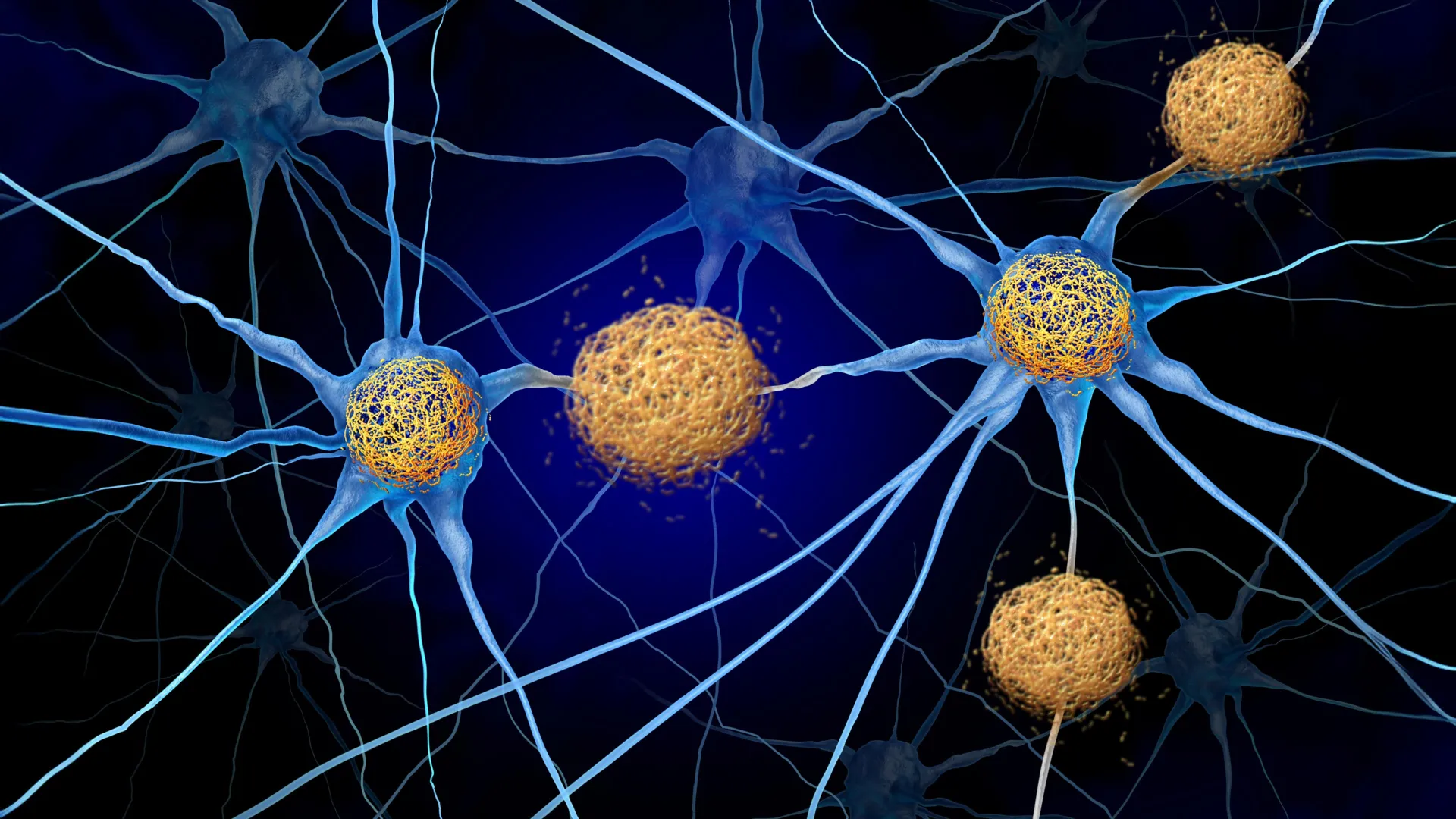
For decades, the "amyloid hypothesis" dominated Alzheimer’s research, focusing on the buildup of amyloid-beta plaques. However, as clinical trials targeting amyloid yielded mixed results, scientific interest shifted toward tau. In a diseased state, tau proteins undergo abnormal chemical changes, causing them to detach from the structural scaffolding of neurons and clump together into toxic neurofibrillary tangles. This process is a hallmark of tauopathies, a group of neurodegenerative diseases that includes Alzheimer’s.
However, the Flinders University study suggests that focusing solely on tau’s toxicity may overlook its vital physiological purpose. Lead researcher Associate Professor Arne Ittner, a neuroscientist at Flinders’ College of Medicine and Public Health, emphasizes that tau is not merely a byproduct of disease but a key player in memory architecture. The research team discovered that while tau is not required for the initial acquisition of knowledge—meaning the brain can still "learn" without it—the protein is the primary driver in ensuring that knowledge is consolidated and remains accessible days, weeks, or years later.
The Mechanism of Memory: Engram Cells and Cellular Recruitment
To understand how tau facilitates memory, the researchers focused on "engram cells." In neuroscience, an engram is the physical or chemical change that occurs in the brain in response to an experience, essentially forming a "memory trace." When a person—or in this case, a laboratory mouse—undergoes a new experience, only a specific subset of neurons is activated to store that information.
The study found that tau is active during the critical window when these engram cells are recruited. It acts as a biological filter or organizer, helping the brain select the correct cells to preserve a specific memory. Without tau, the recruitment process becomes disorganized. The researchers observed that in the absence of the protein, the brain fails to form a clear and durable trace. The memory is created in a "weak" state, making it susceptible to rapid decay.
Renée Kosonen, a lead author and researcher at Flinders’ Neuroscience and Dementia Research, noted that tau acts as the coordinator of this selection process. "Our findings show that tau helps determine which cells are selected to store a memory, shaping how an experience forms a lasting memory trace," Kosonen stated. This recruitment is essential for what scientists call "remote memory," which distinguishes the ability to recall a morning’s breakfast from the ability to remember a childhood home.
Solving the Problem of Neural Noise
One of the most significant revelations of the study involves the management of "neural noise." During the formation of a memory, the brain is a hive of electrical activity. For a memory to be stored accurately, the brain must suppress irrelevant background signals—the "noise"—so that the specific engram cells can form a clear signal.
The research team discovered that tau plays a direct role in reducing this noise. By limiting unnecessary activity in the surrounding neurons, tau allows the brain to focus its resources on the specific group of cells destined to become part of the memory trace. This produces a stable, high-fidelity record of the experience.
This process is governed by a molecular mechanism known as phosphorylation. In Alzheimer’s research, "hyperphosphorylation" is typically seen as the precursor to toxic tangles. However, the Flinders team demonstrated that a controlled, low-level amount of phosphorylation is a normal, healthy, and necessary chemical change. During learning, tau undergoes this subtle modification to help coordinate the activity of engram cells. This discovery suggests that the pathology of Alzheimer’s may represent a "broken" version of a vital healthy process, where the mechanism intended to stabilize memory becomes overactive and destructive.
Chronology of Discovery: From Learning to Retrieval
The researchers utilized sophisticated mouse models to isolate the effects of tau at different stages of the memory cycle. By observing mice that lacked the tau protein, the team established a clear timeline of the protein’s involvement:
- Initial Learning (0–24 hours): Mice without tau performed normally in initial learning tasks. They could navigate mazes and recognize new objects, indicating that tau is not required for short-term acquisition.
- Consolidation (24 hours to 7 days): As the period between the experience and the recall test increased, the performance of the tau-deficient mice plummeted. While the "control" mice retained their training, the mice without tau lost the ability to recall the information naturally.
- The Retrieval Paradox: In a startling turn, the researchers used optogenetics—a technique using light to control neurons—to manually stimulate the engram cells in the tau-deficient mice. They found that the memories were actually still there. The mice could perform the tasks when the cells were forced into action.
This finding led to a crucial conclusion: tau is not necessarily the "storage unit" for memory, but rather the "connector." It is required to link natural environmental cues (such as a specific sight or sound) to the stored memory. Without tau, the bridge between the world and the memory trace is broken, leaving the information "locked" and inaccessible to the brain’s natural processes.
Implications for Alzheimer’s Treatment and Future Research
The discovery has profound implications for how the medical community approaches dementia. It suggests that the memory loss seen in Alzheimer’s patients is a two-pronged failure. First, the presence of abnormal tau during the learning phase disrupts the creation of new, stable memories. Second, if abnormal tau develops after a memory has already been formed, it interferes with the brain’s ability to access that existing information.
This helps explain the clinical observation that dementia patients often experience "fluctuating" memory, where they may seem lost one moment but recall a vivid detail the next. It suggests that the memories may not be entirely "deleted," but rather that the retrieval system—governed by tau—is malfunctioning.
The study’s findings provide a new set of biomarkers and targets for drug development. Rather than simply trying to "clear" tau from the brain, future therapies might focus on restoring tau’s healthy function or stabilizing the phosphorylation process to ensure it remains in the "Goldilocks zone"—not too little, and not too much.
Expert Perspectives and Broader Context
While the results are a major step forward, the researchers maintain a cautious outlook regarding human application. Because the study was conducted in mice, the biological complexities of the human brain may present additional variables. However, the fundamental nature of tau and engram cells is highly conserved across mammalian species, providing a strong basis for the relevance of these findings to human health.
"Knowing how tau supports the formation and recall of memory could help us better understand what goes wrong in memory loss," said Associate Professor Ittner. "Future research will hopefully be able to confirm concepts developed in our study in human memory and show their implication in dementia."
The study also aligns with a growing body of evidence suggesting that the "tangles" seen in Alzheimer’s are the end-stage of a long process of cellular dysfunction. By identifying what tau does when it is healthy, scientists can now look for the exact moment the protein stops being an organizer and starts being a disruptor.
Conclusion: A New Paradigm for Neurobiology
The Flinders University research fundamentally changes the narrative surrounding tau. By repositioning it as a "fundamental regulator" of memory organization, the study moves away from a purely pathological view of the protein. Tau is now seen as the architect of our internal history, the protein that ensures our experiences are not just fleeting moments but lasting parts of our identity.
As global populations age and the prevalence of Alzheimer’s disease continues to rise, understanding these basic biological mechanisms is more critical than ever. This study provides a vital piece of the puzzle, suggesting that the key to curing memory loss may lie in understanding the very protein that makes memory possible in the first place. The shift from seeing tau as a villain to seeing it as a vital worker in the brain’s memory factory opens a new chapter in the quest to preserve the human mind against the ravages of time and disease.