The global biotechnology sector continues to experience an unprecedented wave of innovation, marked by significant strides in laboratory reagents, cardiovascular disease modeling, and artificial intelligence-driven drug discovery. In this edition of the biotech bi-weekly roundup, industry observers highlight three major developments shaping the trajectory of life sciences research and commercialization. First, Wuhan-based biotechnology firm Elabscience has expanded its product portfolio with the introduction of advanced magnetic nanobeads designed to optimize positive cell selection in immunology research. Second, strategic partnerships across the life sciences sector are working to dismantle logistical bottlenecks that have historically limited access to functional human heart tissue for cardiotoxicity screening and drug development. Finally, the artificial intelligence in medicine landscape has reached a monumental milestone, highlighted by a massive US$140 million Series C financing round secured by a leading computational drug discovery enterprise. These developments collectively underscore a broader industry-wide movement toward higher experimental precision, reduced preclinical attrition rates, and accelerated translation of computational models into viable clinical candidates.
Advancements in Immunological Reagents: The Mechanics of Positive Cell Selection
At the core of cellular immunology and basic biomedical research lies the imperative for high-purity cell isolation. Researchers studying adaptive immunity, autoimmune diseases, and oncology frequently rely on magnetic cell separation techniques to isolate specific leukocyte subpopulations from heterogeneous biological samples. Traditionally, researchers have faced persistent challenges regarding cell viability, yield, and purity, particularly when isolating rare or delicate lymphocyte subsets such as CD4+ T helper cells.
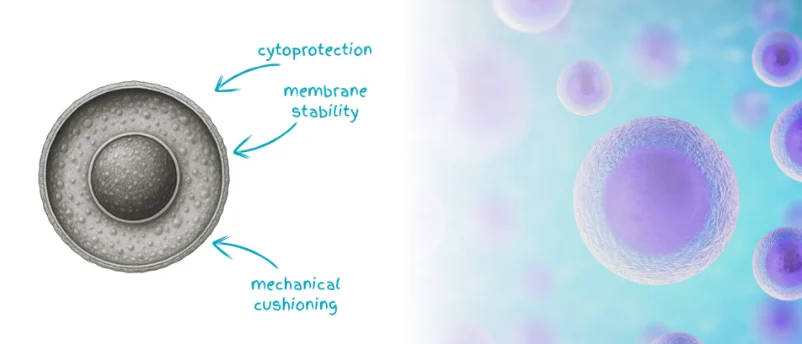
Addressing these technical hurdles, Elabscience, a prominent life sciences reagents manufacturer headquartered in Wuhan, China, has officially launched its EasySort Mouse CD4 Nanobeads. This release represents the company’s inaugural foray into magnetic bead-based positive cell selection products. The newly introduced reagent utilizes an innovative design that merges dextran-coated superparamagnetic nanoparticles—measuring strictly less than 40 nanometers in diameter—with high-affinity monoclonal antibodies developed internally by Elabscience’s research and development division.
The physical dimensions of the nanobeads are central to their functional efficacy. By maintaining a sub-40-nanometer profile, the beads remain largely unobtrusive to downstream cellular assays, eliminating the necessity for complex detachment steps that can induce mechanical stress or compromise membrane integrity. Furthermore, the dextran coating provides superior biocompatibility and minimizes non-specific binding, a common confounding factor in magnetic-activated cell sorting (MACS) protocols.
According to internal validation data released by Elabscience following the product rollout, the EasySort Mouse CD4 Nanobeads achieved an average post-separation cell purity of 95.2% with a standard deviation of plus or minus 3%. This high degree of purity is critical for downstream applications such as single-cell RNA sequencing, flow cytometry, and functional T-cell assays, where contaminating cell types can significantly skew experimental outcomes. Life sciences analysts note that the introduction of cost-effective, high-purity isolation reagents lowers the barrier to entry for academic and industrial laboratories seeking reproducible immunological data.
Bridging the Gap in Cardiovascular Research
Beyond basic laboratory reagents, the bi-weekly review sheds light on critical structural partnerships designed to democratize access to advanced human cardiac tissue models. Cardiovascular disease remains the leading cause of mortality globally, yet preclinical drug development has long been plagued by poor translational fidelity between animal models and human physiology. Animal cardiomyocytes, particularly those derived from murine models, exhibit fundamental electrophysiological and metabolic divergences from human heart muscle cells, often leading to late-stage clinical failures due to unexpected cardiotoxic profiles.
Over the past decade, human pluripotent stem cell-derived cardiomyocytes (hPSC-getCMS) have emerged as a powerful alternative for cardiotoxicity screening, drug discovery, and regenerative medicine research. However, widespread adoption has been severely hindered by logistical complexities, stringent cold-chain shipping requirements, high production costs, and batch-to-batch variability.
Recent strategic partnerships formed between stem cell biomanufacturing firms and academic distribution networks aim to resolve these supply chain frictions. By establishing centralized production facilities and optimized cryopreservation protocols, these collaborations are making functional human heart cells routinely accessible to independent laboratories worldwide. Industry stakeholders emphasize that standardizing access to high-fidelity human cardiac models will streamline the early identification of arrhythmogenic compounds, ultimately reducing R&D expenditures and enhancing patient safety profiles before molecules enter Phase I clinical trials.
The economic and scientific implications of these partnerships extend into regulatory science as well. Regulatory bodies such as the U.S. Food and Drug Administration (FDA) have increasingly expressed openness toward non-animal testing methods, provided they demonstrate robust predictive validity. The Comprehensive in Vitro Proarrhythmia Assay (CIPA) initiative, for instance, relies heavily on human cellular models to evaluate drug-induced proarrhythmic risk. Enhanced global access to standardized human cardiomyocytes directly supports compliance with these evolving regulatory frameworks, positioning researchers to accelerate candidate molecules through preclinical pipelines with greater confidence.
A Paradigm Shift in Computational Drug Discovery: The US$140 Million Series C Milestone
Underscoring the broader financial and technological momentum in the sector, the most capital-intensive development in this bi-weekly cycle is a landmark US$140 million Series C funding award secured by a prominent AI-driven drug discovery enterprise. This substantial influx of venture capital highlights a permanent structural shift in how pharmaceutical pipelines are conceptualized, funded, and executed.
The integration of artificial intelligence and machine learning into drug discovery has transitioned rapidly from an experimental novelty into an indispensable pillar of modern pharmaceutical research. Traditional drug discovery is a notoriously arduous, expensive, and inefficient enterprise, historically requiring an average timeline of 10 to 15 years and capital investments exceeding US$2 billion per approved drug, accompanied by an attrition rate exceeding 90% in clinical trials.
AI-designed therapeutics seek to invert these historical metrics by leveraging deep learning algorithms, generative chemistry models, and vast multimodal biological datasets to identify novel targets, design optimized small molecules or biologics, and predict pharmacokinetic and pharmacodynamic properties in silico prior to wet-lab synthesis. The deployment of generative models allows computational chemists to explore vast chemical spaces that are entirely intractable via conventional trial-and-error synthesis methods.
Chronology of AI Investment Trends
To fully contextualize the significance of a US$140 million Series C round, it is necessary to examine the evolutionary trajectory of venture capital allocation within computational biotechnology:
- 2015–2018 (The Proof-of-Concept Era): Early-stage venture capital firms began funding nascent AI drug discovery startups that utilized basic machine learning algorithms for target identification and ligand docking. Funding rounds were typically modest, ranging from US$10 million to US$30 million, with a heavy emphasis on academic spin-offs.
- 2019–2021 (The Validation and Early Pipeline Era): As initial computational platforms demonstrated the ability to discover novel molecules that successfully progressed into preclinical validation, institutional investors and major pharmaceutical conglomerates injected billions of dollars into the sector. Series B and C rounds frequently exceeded US$50 million as companies expanded internal pipelines.
- 2022–Present (The Clinical Translation and Industrial Scale Era): Following macroeconomic corrections in the broader financial markets, venture capital has become increasingly selective, favoring companies with tangible clinical pipeline assets over pure software plays. The recent US$140 million Series C award represents this maturation phase, where capital is explicitly earmarked to fund human clinical trials, validate AI-generated assets in patients, and scale proprietary computational infrastructure.
Strategic Deployment of Capital
According to disclosures surrounding the US$140 million financing round, the capital will be strategically deployed across three primary operational pillars: clinical advancement, platform enhancement, and strategic partnerships.
First, a significant portion of the funds will directly support the movement of multiple AI-designed therapeutic candidates from preclinical validation into human clinical trials. Transitioning from computational predictions to clinical data is the ultimate litmus test for AI drug discovery platforms. Investors and regulatory agencies alike are closely monitoring these clinical assets to determine whether machine learning-derived molecules exhibit superior safety, selectivity, and efficacy profiles compared to their conventionally discovered counterparts.
Second, the funding will fuel ongoing research and development to expand the company’s proprietary computational platform. Modern AI drug discovery requires continuous refinement of generative models through the integration of high-dimensional biological data, including single-cell transcriptomics, spatial proteomics, and clinical trial outcomes. By upgrading their computational infrastructure and expanding wet-lab automation capabilities for rapid feedback loops, the company aims to reduce the time required to generate and validate lead compounds from years to mere weeks.
Finally, the capital injection will facilitate the expansion of collaborative agreements with global pharmaceutical giants. Co-development partnerships and licensing agreements have become a cornerstone of the AI biotech business model, allowing emerging computational firms to leverage the extensive clinical development and commercialization expertise of established pharma partners while securing non-dilutive milestone payments.
Market Reactions and Expert Analysis
Financial analysts and industry executives have offered overwhelmingly positive commentary regarding the convergence of these developments. Market researchers note that the concurrent maturation of laboratory tools—such as high-purity magnetic cell sorters and accessible human tissue models—creates a more rigorous empirical foundation for validating computational predictions. AI models do not operate in a vacuum; they require pristine, high-fidelity biological data to train algorithms and validate in silico hypotheses.
Dr. Elena Vance, a senior biotechnology equity analyst at a leading global financial institution, observed that the current investment climate reflects a flight to quality. "The days of securing massive funding rounds based purely on algorithmic novelty are largely behind us," Dr. Vance explained. "Today’s investors demand rigorous proof that computational designs translate reliably into biological reality. The success of this US$140 million Series C round demonstrates that investors have high confidence in platforms capable of executing end-to-end development, from raw code to human clinical trials."
Concurrently, manufacturing and supply chain experts have praised initiatives that democratize access to advanced human cell models. As regulatory bodies increasingly scrutinize the translational validity of preclinical animal testing, the availability of standardized human cardiomyocytes and optimized cell separation reagents ensures that both emerging biotech startups and established pharmaceutical enterprises can adhere to the highest scientific standards.
Broader Impact and Future Implications for the Life Sciences Sector
The compounded effect of these developments points toward a highly integrated, technologically augmented future for the life sciences industry. As reagents like Elabscience’s EasySort Mouse CD4 Nanobeads achieve higher degrees of isolation purity, basic immunological research becomes cleaner, more reproducible, and less prone to experimental artifact. This foundational clarity directly feeds into the broader ecosystem of translational research, where accurate data is essential for target discovery.
Simultaneously, the widespread commercial accessibility of human cardiac models addresses a longstanding translational bottleneck, mitigating the risk of clinical attrition associated with cardiotoxic compounds. By aligning preclinical screening methodologies more closely with human physiology, the industry moves closer to fulfilling the promise of safer, more efficient drug development pipelines.
At the apex of this technological pyramid, the infusion of US$140 million into AI-driven therapeutic development signals that computational biology is permanently embedded in the pharmaceutical mainstream. As these AI-designed molecules advance through Phase I and Phase II clinical trials over the coming years, their performance in human subjects will serve as an empirical referendum on the viability of computational drug discovery.
Should these clinical candidates successfully demonstrate safety and efficacy, the pharmaceutical industry will likely witness an accelerated paradigm shift, wherein traditional, multi-year discovery pipelines are increasingly supplanted by rapid, AI-driven design loops. Conversely, any clinical setbacks will prompt heightened regulatory scrutiny and technical refinement. Regardless of the immediate clinical outcomes of these specific AI-generated assets, the structural integration of data science, advanced immunological reagents, and humanized tissue models ensures that the biotechnology sector is evolving toward unprecedented levels of precision, efficiency, and scientific rigor.