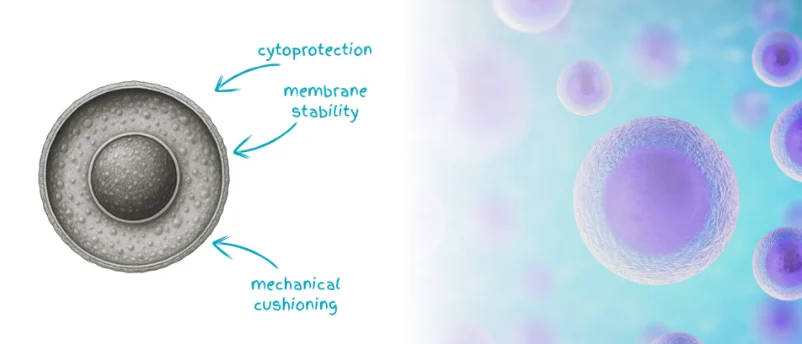
The global landscape of cell-based therapies, regenerative medicine, and viral research is poised for a significant logistical shift following a new strategic partnership between Oxford-based life sciences provider Amsbio and Newcastle-headquartered biotechnology innovator Atelerix. Announced this month, the collaboration brings Atelerix’s patented seaweed-derived hydrogel technology into Amsbio’s expansive distribution and commercial network, offering researchers and clinical developers a radical alternative to traditional cryopreservation. By enabling the room-temperature storage and transit of fragile biological materials—including living cells, delicate tissues, complex 3D organoids, and viral vectors—the alliance directly targets some of the most persistent bottlenecks in modern biotechnology supply chains.
The limitations of conventional cold-chain logistics have long plagued the biomedical sector. Traditional cell preservation relies heavily on cryopreservation, a process that utilizes ultra-low-temperature freezers, liquid nitrogen storage tanks, and specialized dry-ice packaging to keep biological samples dormant. While effective to a degree, freezing and thawing cycles frequently introduce cellular stress, reduce overall viability, and can compromise critical functional characteristics such as cell morphology and phenotype. Furthermore, the infrastructure required to maintain ultra-low temperatures demands substantial capital investment, continuous energy consumption, and stringent regulatory oversight, creating a high-carbon footprint that runs counter to modern corporate sustainability initiatives.
Atelerix’s innovative hypothermic hydrogel technology offers a compelling solution to these challenges. Derived from sustainably sourced seaweed, the proprietary hydrogel forms an encapsulating, protective matrix around biological samples. This matrix stabilizes the cellular architecture, effectively holding cells in a healthy, viable state outside of ultra-low temperature environments. According to supplier-tested workflows, samples preserved within the hydrogel maintain greater than 90% cell viability over extended periods, while flawlessly preserving essential sample characteristics, including native phenotypes and functional capacities.
Crucially, this technology extends the usable shelf-life of biological samples at ambient or room temperatures for days and up to two weeks. This extended window eliminates the historical pressure to process samples immediately upon thawing, granting researchers unprecedented flexibility in experimental design, multi-site distribution, and clinical administration. Moreover, the hydrogel is available in a variety of dedicated formulations and scalable formats, allowing scientists to tailor the preservation method precisely to specific sample types, volumes, standard plate architectures, and downstream applications.

The operational and economic implications of transitioning away from strict cold-chain dependencies are substantial. By removing the necessity for liquid nitrogen infrastructure and energy-intensive ultra-low freezers during transit and short-term storage, organizations across the biotechnology and pharmaceutical sectors stand to realize major cost reductions. Concurrently, the elimination of bulky, energy-dense dry-ice shipping configurations translates to a measurable decrease in greenhouse gas emissions, aligning life science supply chains with broader global environmental targets.
Behind this partnership lies a convergence of complementary expertise within the European life sciences ecosystem. Amsbio, operating as a core component of the Europa Biosite group, has established itself as an international authority in advanced cell culture, 3D cell models, and specialized cryopreservation tools. Serving academic, biotechnology, and pharmaceutical markets across Europe, North America, and international territories, the company maintains a robust portfolio designed to accelerate research from early target discovery through to translational, clinical, and Good Manufacturing Practice (GMP)-ready applications. Its established product ecosystem—ranging from specialized stem cell media like StemFit and recombinant laminins like iMatrix to custom viral delivery services and expansive human and animal biorepositories—provides the ideal commercial conduit for Atelerix’s disruptive preservation technology.
Meanwhile, Atelerix has spent years validating its pioneering encapsulation science, moving from fundamental academic research in the United Kingdom to commercial scalability. The company’s focus on ambient temperature preservation addresses an unserved niche in regenerative medicine, where the transport of patient-derived autologous cell therapies often encounters severe logistical friction when moving between clinics, processing laboratories, and manufacturing facilities.
Industry analysts note that as cell and gene therapies mature toward mainstream clinical adoption, supply chain resilience and logistics standardization will dictate commercial viability. Current cold-chain failures account for significant product loss and financial write-offs in the biopharmaceutical industry. The integration of a seaweed-derived protective hydrogel into established laboratory workflows introduces a robust buffer against logistical delays, customs holds, and equipment malfunctions during transport.
The immediate rollout of the technology through Amsbio will provide researchers with direct access to application-ready hydrogel kits, backed by comprehensive technical support and collaborative scientific expertise. Both companies anticipate that the partnership will accelerate the translation of novel therapies from the research bench to clinical bedside applications, standardizing a greener, more reliable, and economically viable paradigm for biological sample management in the twenty-first century.