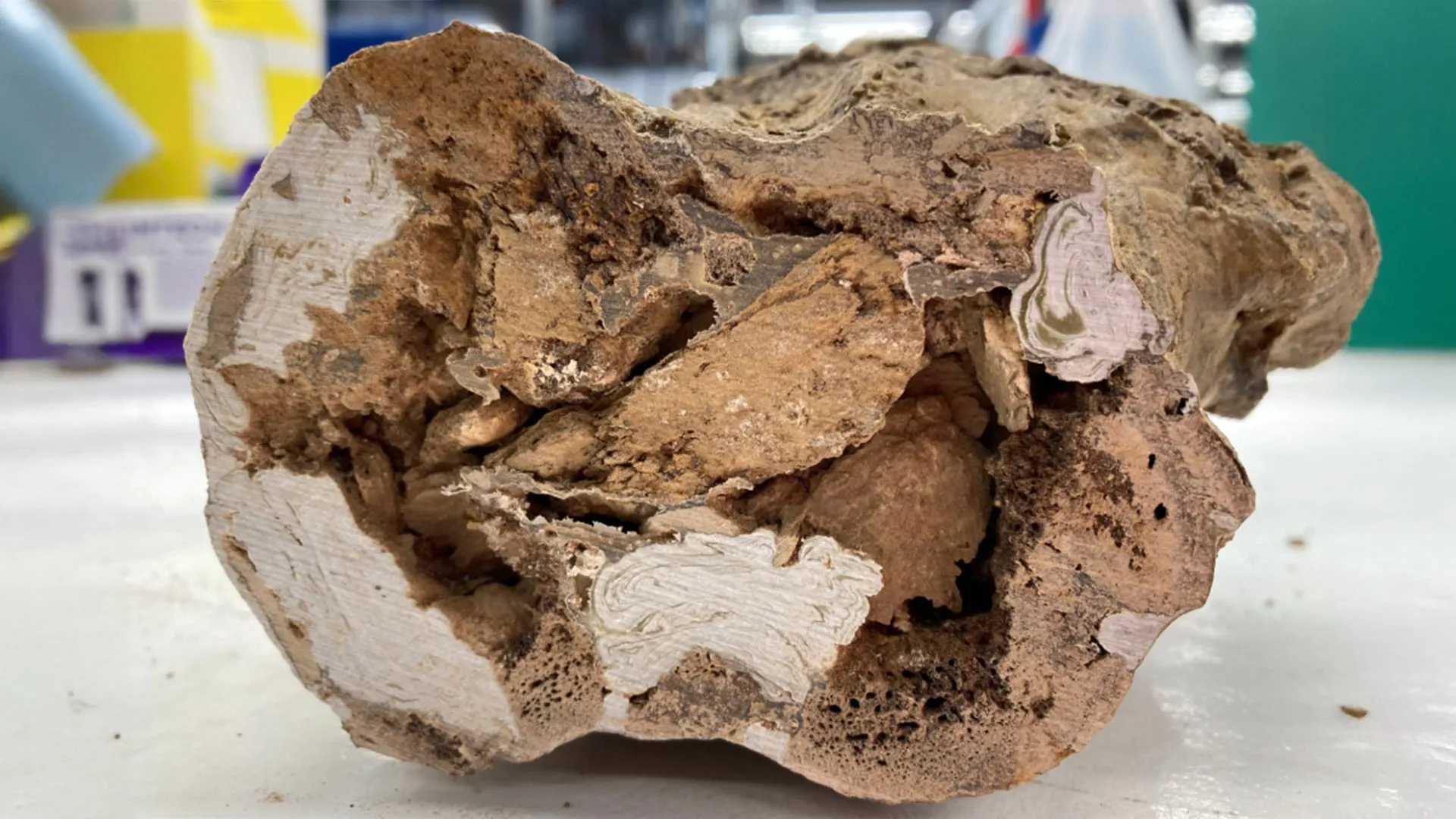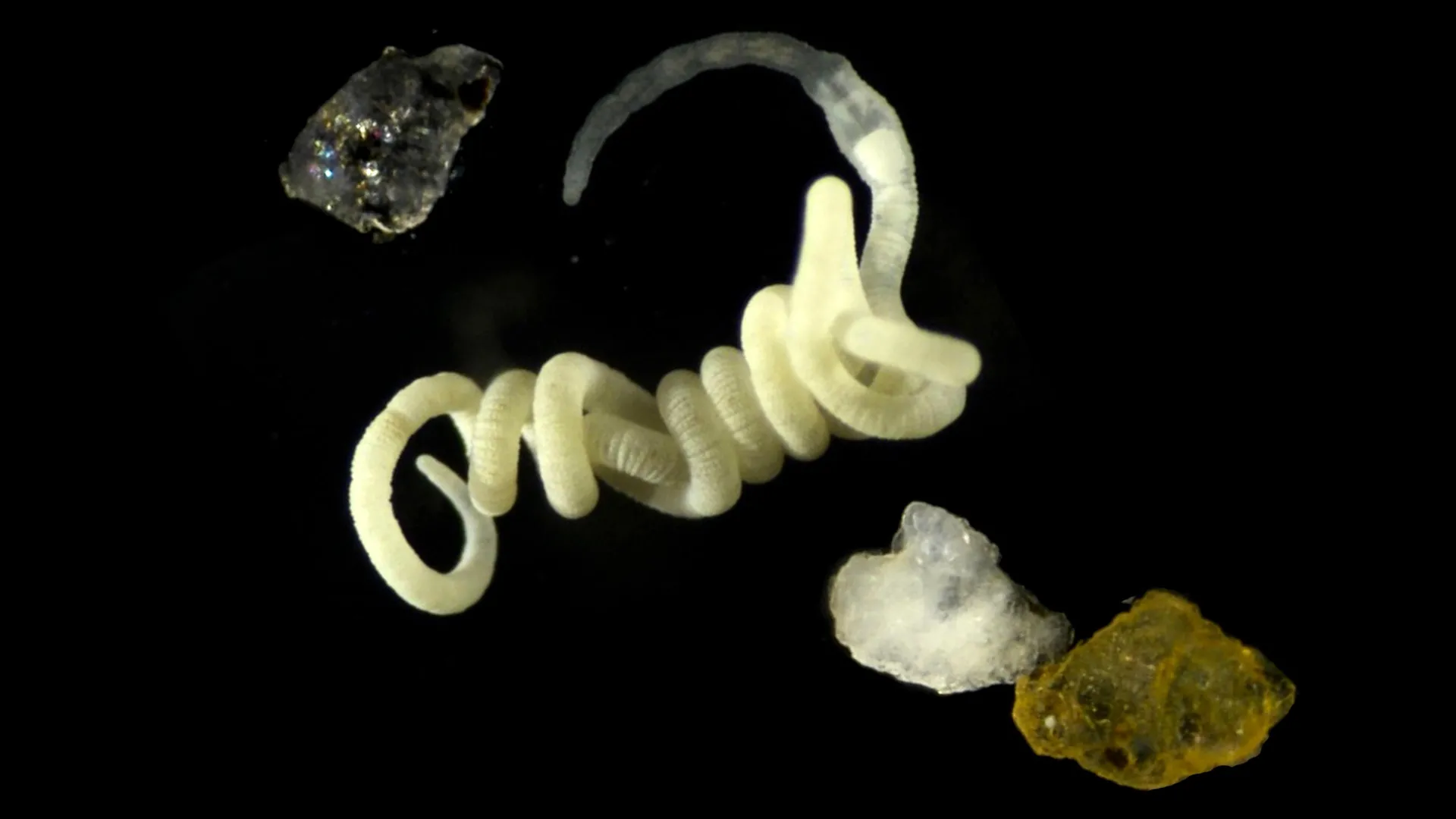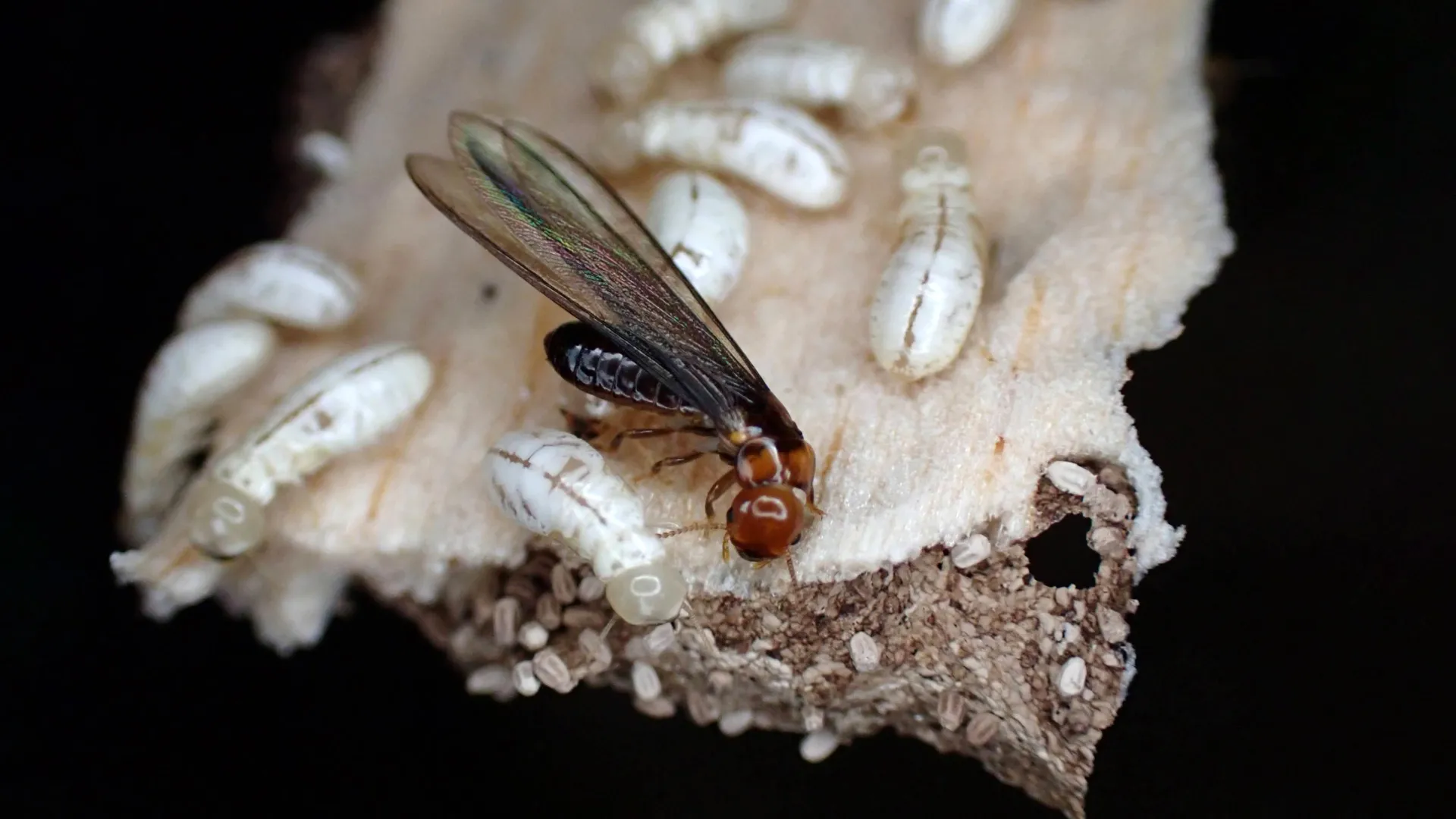
The western drywood termite, Incisitermes minor, has long been the bane of homeowners and property managers, functioning as a silent, invisible architect of destruction. Unlike their subterranean cousins, which require access to soil moisture, drywood termites reside entirely within the wood they consume. By carving out elaborate, hidden galleries in structural beams, flooring, and furniture, these pests can compromise the integrity of a building for years before any external damage becomes visible. However, a new wave of research emerging from the University of California, Riverside (UCR) suggests that these elusive insects may finally have met their match—not through massive, building-wide fumigation, but through the precise exploitation of their own biological life cycles.
The Vulnerability of the Molt
At the heart of the recent scientific shift is a simple, unavoidable biological reality: termites must molt to grow. Throughout its lifespan, a drywood termite will undergo approximately seven molting phases. During this process, the insect sheds its existing exoskeleton to accommodate its increasing size. Researchers at UCR have identified that by introducing chitin synthesis inhibitors, such as bistrifluron, into the termite’s environment, they can effectively sabotage this transition.
Chitin is the structural backbone of an insect’s exoskeleton. When a termite consumes a lethal dose of a chitin synthesis inhibitor, the chemical interferes with the biological machinery responsible for manufacturing new chitin. Consequently, when the termite attempts to shed its old shell, it fails to produce a replacement, leading to a fatal rupture or dehydration. This mechanism is inherently safer for humans and pets, as mammals rely on internal skeletons composed of calcium-based bone rather than chitin, making the targeted treatment highly selective.
Chronology of Recent Discoveries
The timeline of this research reflects a concerted effort to transition from broad-spectrum chemical warfare to high-precision pest management:
- May 2024: UCR researchers publish initial findings on the use of pinene, a naturally occurring tree scent, to lure termites toward insecticide-treated areas, significantly boosting mortality rates.
- Early 2025: The Journal of Economic Entomology publishes the landmark study confirming the efficacy of bistrifluron, which demonstrated up to 99% mortality in controlled lab settings.
- April 2025: The University of California files a patent application for a novel localized injection method combining chitin synthesis inhibitors with pinene-based lures.
- October 2025: The patent application is officially published, outlining a strategy to reduce the number of drill holes required for treatment while minimizing total chemical usage.
- 2026: Researchers release advanced imaging and video documentation of proctodeal trophallaxis, illustrating how social feeding behaviors facilitate the spread of chemical agents within a colony.
Data-Driven Efficacy
The efficiency of these new treatments is underscored by significant laboratory data. In experiments where termites were given a choice between treated and untreated wood, bistrifluron yielded a 95.7% mortality rate. When no alternative was provided, mortality climbed to 99% within 60 days.
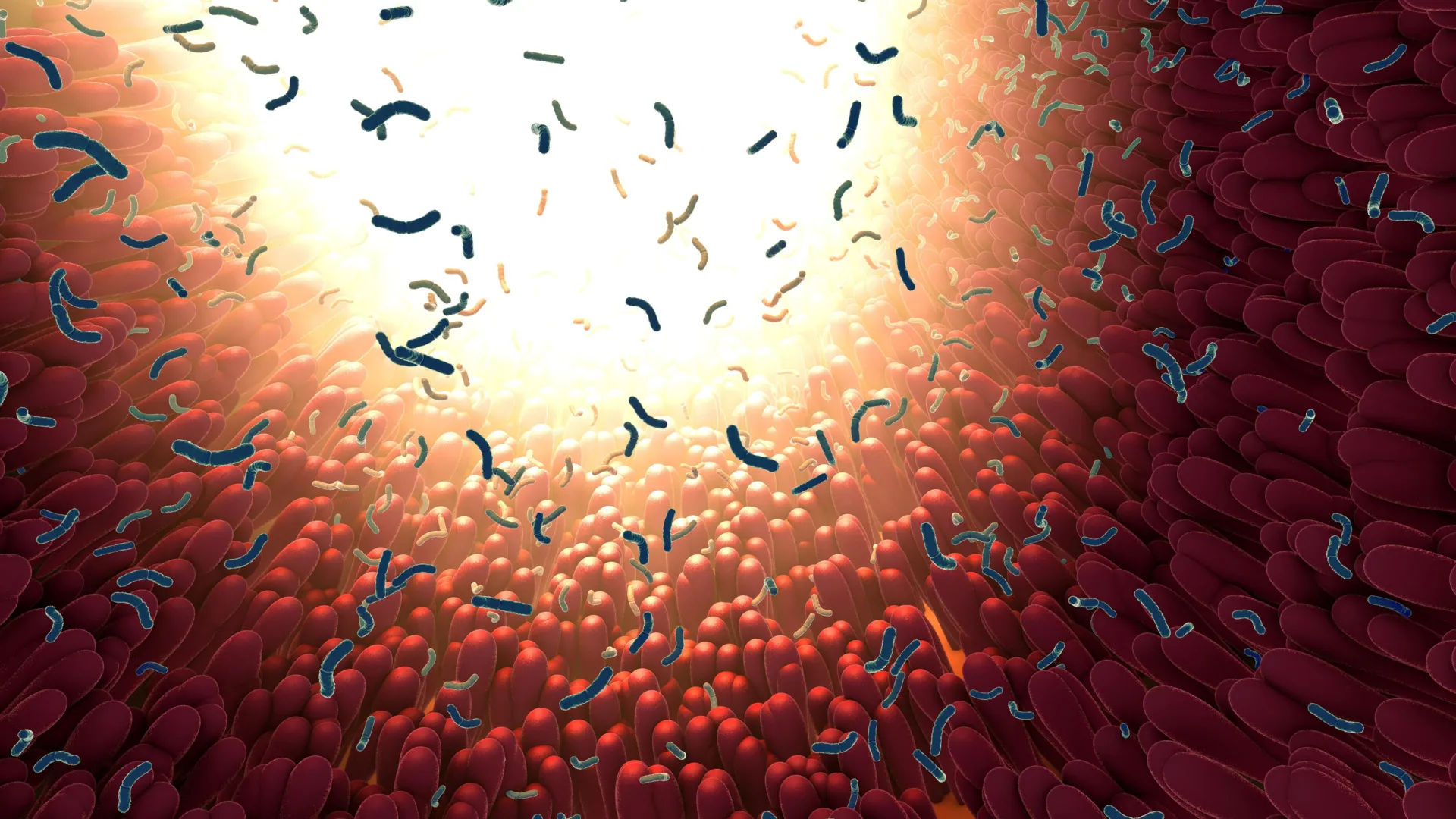
Perhaps more impressive than the primary kill rate is the "social transfer" effect. Termites are intensely social insects, relying on a process called proctodeal trophallaxis—a hindgut-to-mouth feeding exchange that allows them to share nutrients and gut microbes. UCR researchers discovered that if just 5% of a colony is exposed to bistrifluron, the chemical can migrate through the population via this social feeding, eventually resulting in 100% colony mortality within 90 days. This finding effectively turns the termite’s primary survival mechanism into a conduit for its own destruction.
Comparing Treatment Modalities
For decades, the standard response to a severe drywood termite infestation has been whole-structure fumigation, typically involving sulfuryl fluoride. While highly effective, fumigation is a blunt instrument. It requires the evacuation of residents, the removal or sealing of food, and the total sealing of the building envelope. Critically, fumigation provides no residual protection; once the gas dissipates, the structure is vulnerable to immediate re-infestation if new termites enter from the surrounding environment.
The localized treatment proposed by UCR researchers offers a distinct alternative. By injecting a slow-acting inhibitor into specific, infested zones, pest control professionals could achieve colony-wide elimination without the logistical burden of a full-structure tenting. Furthermore, because these inhibitors remain active in the wood, they offer a degree of preventative, long-term protection that fumigation cannot provide.
Solving the "Active Infestation" Dilemma
A persistent hurdle in termite management is diagnostic uncertainty. Homeowners often find "frass"—the small, sand-like fecal pellets ejected by termites—and worry that they have an active infestation. However, because termites often abandon old galleries, these pellets can persist for years, leading to unnecessary and expensive treatments.
To address this, UCR researchers have developed a methodology for assessing the age of these pellets based on their microbial content. By analyzing the decline in bacterial DNA, which drops as much as 190-fold within a year, scientists have identified five specific bacterial families present only in fresh samples. This discovery paves the way for a diagnostic kit that could allow technicians to determine in real-time whether a colony is currently active, thereby preventing the waste of chemical resources on dormant sites.
Broader Implications and Future Hurdles
The global movement of goods has accelerated the spread of the western drywood termite far beyond its native range in the southwestern United States and Mexico. Introduced populations have been documented as far as Hawaii, Japan, and Australia. As climate patterns shift, these populations may find new regions hospitable, increasing the global demand for effective, low-impact control solutions.
Despite the promise of the UCR research, significant technical hurdles remain. The laboratory experiments utilized acetone as a delivery solvent—a substance that is highly flammable and possesses a strong, lingering odor, making it impractical for residential use. Dr. Nicholas Poulos and the UCR team are currently focused on reformulating these inhibitors into stable, odorless, and commercially viable compounds that can be applied by licensed pest control operators.
Expert Analysis
"We are moving toward a future where we treat the behavior of the insect rather than just the symptoms of the damage," notes Dr. Dong-Hwan Choe, a professor of entomology at UCR and senior author of the studies. "By leveraging the termites’ own social biology and their natural attraction to wood signals, we can achieve superior results with significantly lower quantities of active ingredients."
While the current results are highly promising, the research team emphasizes that these methods are not yet a "plug-and-play" solution for the average consumer. The translation from a controlled laboratory setting to the complex environment of a private residence requires further refinement in delivery mechanisms and field testing. However, the trajectory of this research represents a critical evolution in entomology—one that prioritizes environmental safety, localized precision, and the exploitation of the specific vulnerabilities that have kept termites hidden for millennia.
As the construction industry continues to rely on timber, and as global trade ensures the continued transit of wooden products, the ability to detect and selectively eliminate these pests will become increasingly central to property preservation. By decoding the social and biological signatures of the western drywood termite, science is successfully closing the gap on one of nature’s most persistent and elusive structural threats.