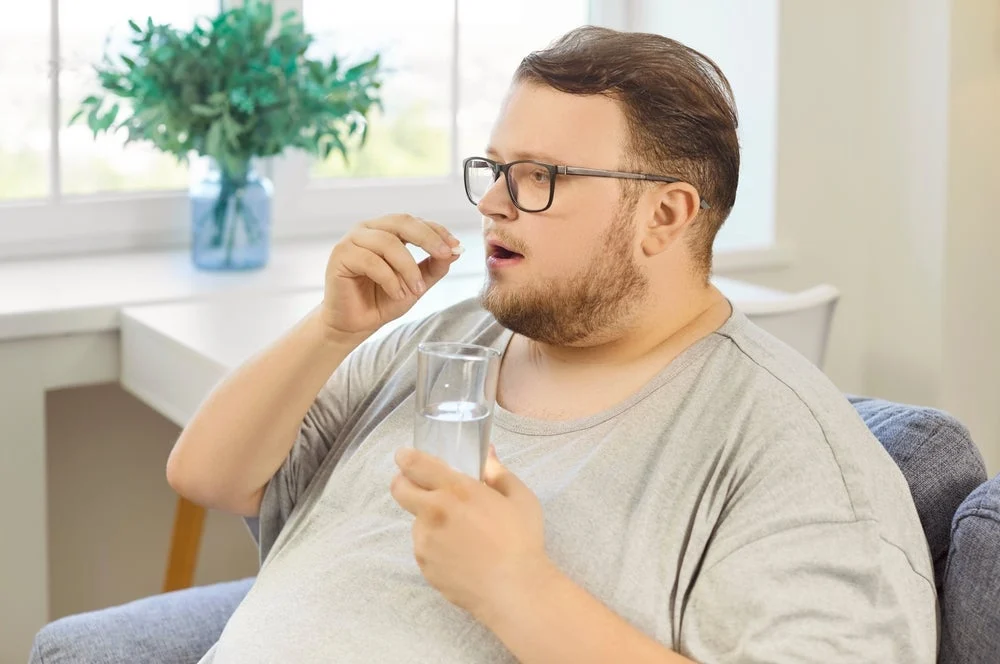
The pharmaceutical, biotech, and medtech industries are witnessing an unprecedented surge in innovations, offering patients access to treatments previously considered unattainable. However, the full therapeutic benefit of these advancements can only be realized if patients consistently adhere to their prescribed treatment regimens. This persistent challenge has long been a collective concern for the healthcare, pharmaceutical, and health technology sectors. As adherence continues to represent a significant hurdle, companies are increasingly pivoting their strategies to enhance the patient experience, with digital health applications and wearable devices emerging as key solutions in recent years.
At the forefront of this discussion was the 2026 HLTH Europe conference, held in Amsterdam from June 15-18. This pivotal event served as a platform for Pharmaceutical Technology to explore emerging patient adherence technologies and distill expert insights on how the pharmaceutical industry can foster deeper engagement with end-users throughout their treatment journeys and elevate their overall experience. Experts at the conference underscored that successful adherence-focused health technologies must be flexible, engaging, adaptable, and financially accessible to both patients and healthcare systems.
Pharma’s Evolving Role in the Patient Journey
The digital revolution is fundamentally reshaping the healthcare landscape, prompting a critical examination of how the pharmaceutical industry can better prioritize the patient journey. Andrew Menzies-Gow, VP R&I Global Medical at AstraZeneca, highlighted the growing importance of healthcare democratization during a session on the opening day of HLTH Europe 2026. He articulated a pressing need to "fundamentally change the power imbalance" between patients and healthcare providers, empowering patients to actively participate in decisions concerning their health and personal data, guided by informed professional advice.
Meadhba Monaghan, Chief Executive of the Patient Client Council (PCC) NI, echoed this sentiment, emphasizing that achieving such a paradigm shift necessitates a cultural transformation on both public and pharmaceutical fronts. This transformation involves a shared commitment to risk, accountability, and responsibility in health management. Marta Nowotarska, Director of Consumer Engagement at Novo Nordisk, further elaborated on this evolving dynamic. She noted that the "consumerisation" of health—driven by increased public access to information—compels the pharmaceutical sector to forge closer partnerships with payers, healthcare systems, and patient advocacy groups. This collaborative approach is crucial for navigating the complex regulatory landscape in a compliant and patient-centric manner, especially considering that current regulations were largely established before the significant shift towards health consumerism.
AI: A Powerful Ally in Bridging the Adherence Gap
Health technology companies are actively exploring innovative avenues to improve patient adherence and outcomes. Artificial intelligence (AI) emerged as a particularly promising solution at HLTH Europe 2026, with developers integrating AI into various applications to meticulously track, personalize, and adapt patient outreach strategies.
Marten den Haring, CEO of Lirio, was a prominent advocate for AI’s role in enhancing treatment adherence. He stressed the critical need for support that is not only flexible and data-informed but also dynamically adapts to individual patient needs. Den Haring explained that long-term adherence can falter when symptoms are managed or when treatment benefits, such as preventing disease progression, are not immediately perceptible to the patient. Recognizing that patient adherence is a fluid process, influenced by evolving circumstances, motivations, health status, and support networks, Lirio has developed an AI-powered personalized patient outreach and support system designed to foster sustained adherence at an individual level.
"Health behavior is a dynamic process shaped by context," den Haring stated, underscoring Lirio’s approach of integrating behavioral science and AI to provide tailored support that evolves with the patient. He highlighted the efficacy of "precision nudging," a technique that identifies crucial data signals and determines the most effective behavioral interventions for a specific patient.
Furthermore, den Haring pointed out the necessity for engagement strategies to be geographically nuanced. Methods must resonate with local values, incentives, and perceptions of the healthcare system’s purpose and framing. He cited the UK’s COVID-19 response as a compelling example, where messaging focused on protecting the National Health Service (NHS) and alleviating pressure on the health system. Such a campaign, he suggested, would be difficult to replicate in the US, where the appeal might not align with similar public sentiments toward payers or healthcare providers.
Gamifying Health Data Collection for Enhanced Rehabilitation
The integration of wearables into routine care has gained significant momentum in recent years, enabling clinicians to provide proactive care through real-time data collection. Taking a novel approach, Finnish startup Ai2Ai has developed PALL0, a ball-shaped interactive patient adherence device. PALL0 is designed to gamify physical rehabilitation and streamline health data collection from patients’ homes.

Similar to wearables, PALL0 incorporates sensors to measure various aspects of a patient’s well-being, such as grip strength and the ability to perform key movements. This data is then relayed to clinicians, allowing them to refine treatment plans. Simultaneously, the device engages patients in therapeutic activities, including memory training exercises.
At HLTH Europe 2026, Henrik Tervä, CEO of Ai2Ai, shared his perspective with Pharmaceutical Technology, suggesting that PALL0 holds considerable potential, particularly for neurodegenerative conditions like Alzheimer’s disease. Tervä emphasized that for adherence technologies to be successful, they must prioritize patient engagement and ease of use, featuring a straightforward interface.
Innovative Sharps Bins: A New Frontier in Adherence Monitoring
The increasing adoption of wearables is complemented by the crucial role of at-home monitoring sensors in promoting patient adherence, according to Keiran Daly, CEO of HealthBeacon. He views these sensors as valuable additions to the "human layer of care," enabling healthcare systems to implement precision outreach and more effectively prioritize follow-ups for medication adherence, thereby optimizing resource allocation.
HealthBeacon’s FDA-cleared sharps bin exemplifies this innovation. The device is engineered to log the disposal of used syringes or autoinjectors against a patient’s prescribed schedule. If a patient deviates from their regimen, the bin triggers SMS reminders. The data collected from the sharps bin can then be shared with pharmacists, prescribers, or caregivers, empowering them to intervene and ensure patients adhere to their medication protocols. Daly described this as enabling precision outreach to those who "need it most."
Daly further articulated that the creation of a widely adopted health technology hinges on intuitive and engaging design, coupled with a clear, immediate patient benefit that addresses an unmet need. He stressed that the "me first" principle—ensuring the technology directly benefits the user—is paramount for widespread adoption.
Addressing Adherence Challenges in the Elderly Population
With a growing global elderly population and an increasing number of individuals managing chronic conditions with long-term medication, there is a pressing need for affordable adherence solutions. Health technology reimbursement remains a significant barrier across Europe and globally, making cost-effectiveness a critical factor.
Janus Hoeks, a seasoned health technology specialist and co-founder of PicoCare, has developed a solution to address this challenge. PicoCare is designed to log a patient’s correct engagement with their medication through interactions with a dispensing machine. Hoeks believes this approach offers substantial benefits for clinical trials, providing operators with reliable adherence data and eliminating the need for time-consuming manual processing of patient diary entries.
Hoeks acknowledged the positive influx of new health technologies but emphasized that the onus now lies with healthcare systems to implement existing market-ready tools. He highlighted the importance of early adoption to alleviate the strain on already overstretched healthcare systems. The financial viability of these solutions, particularly for reimbursement within national health services, remains a key consideration for widespread implementation.
Conclusion: The Imperative for Patient-Centric Adherence Solutions
The discussions at HLTH Europe 2026 underscored a critical juncture for the pharmaceutical and healthcare industries. The proliferation of advanced treatments necessitates a parallel evolution in how patient adherence is supported. The consensus among experts points towards a future where adherence technologies are not merely functional but are deeply integrated into the patient’s life, offering personalized, engaging, and accessible solutions.
The integration of AI, gamification, and smart monitoring devices like the HealthBeacon sharps bin represents a significant leap forward. These innovations, when designed with the patient at the core, have the potential to not only improve individual health outcomes but also to optimize healthcare resource utilization and reduce the overall burden on healthcare systems. As the industry continues to innovate, the focus must remain on developing technologies that are not only scientifically sound but also economically viable and culturally relevant, ensuring that the promise of modern medicine can be fully realized by all patients, regardless of their circumstances. The journey towards optimal patient adherence is complex, but the tools and insights emerging from events like HLTH Europe offer a clear and hopeful path forward.