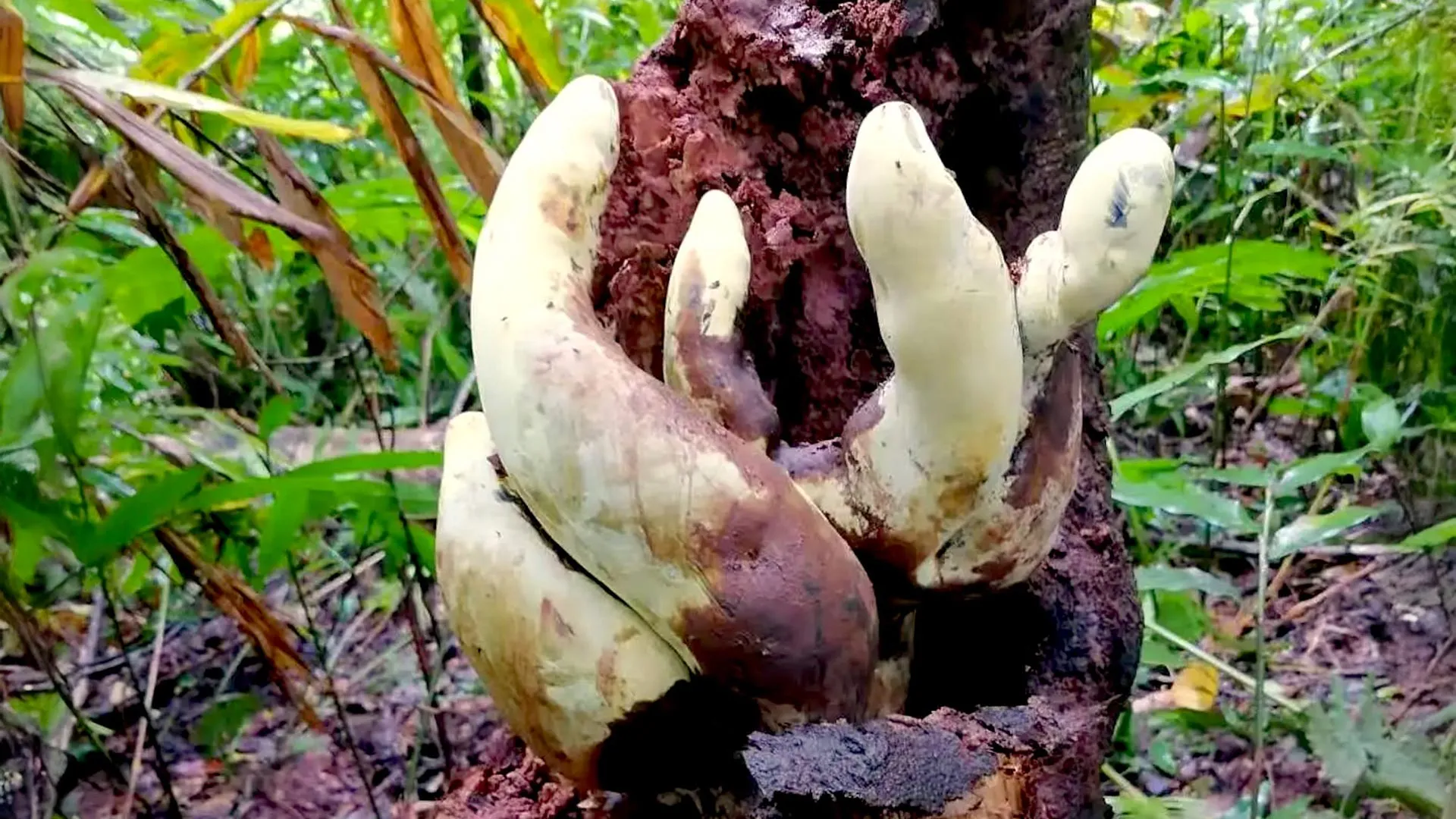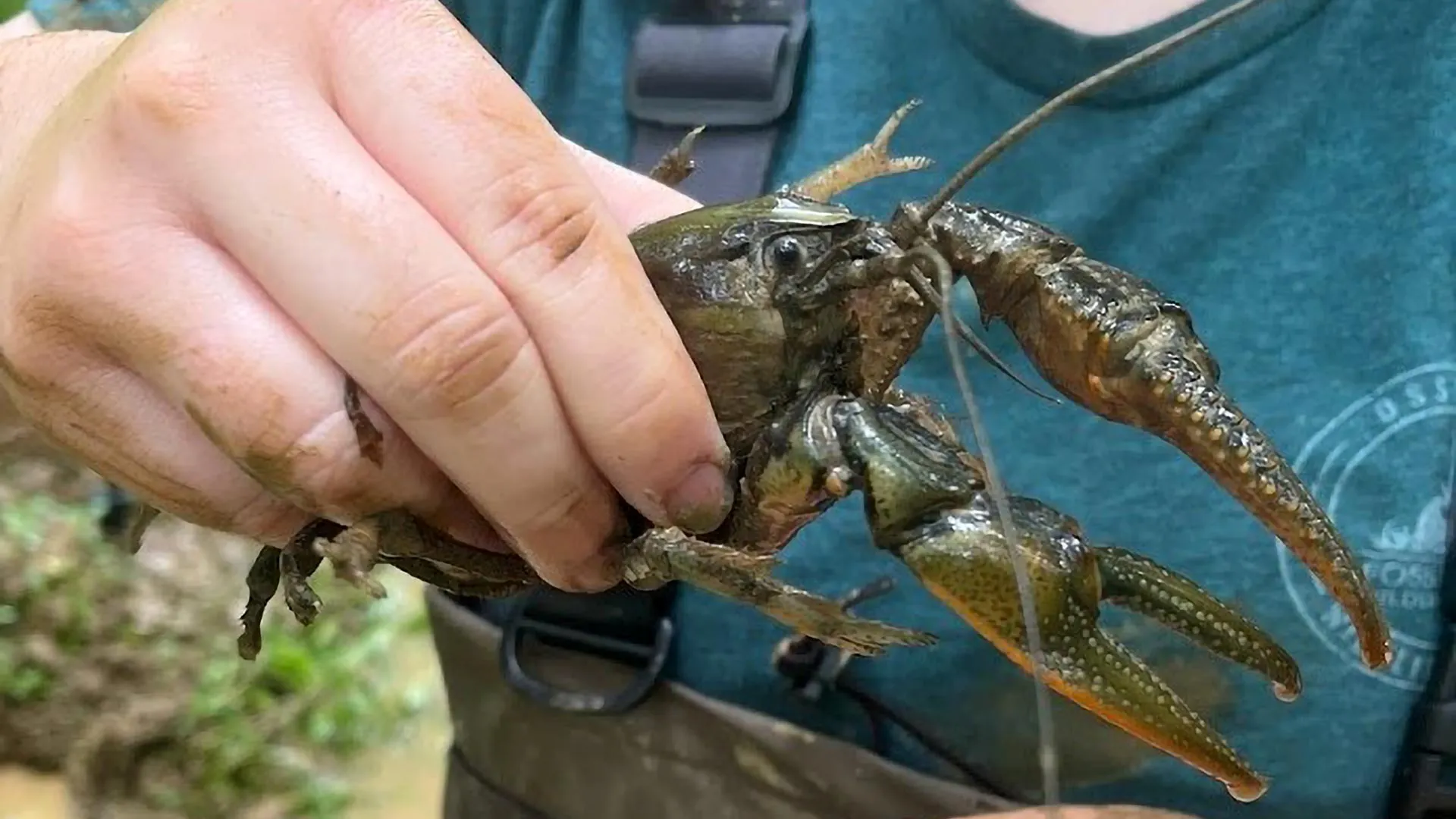
A groundbreaking study spearheaded by researchers at the University of Arizona has unveiled a startling reality about the planet’s vertebrate biodiversity, suggesting that for every recognized species, there are, on average, two additional, as-yet-undiscovered species lurking in plain sight. These overlooked organisms, scientifically termed "cryptic species," are characterized by their near-identical outward appearance to known species, yet possess distinct genetic makeup. The implications of these findings are profound, indicating that global vertebrate diversity may be significantly underestimated, and raising urgent questions about the sheer volume of undocumented and, consequently, unprotected life on Earth.
John Wiens, the senior author of the pivotal paper and a distinguished professor in the University of Arizona’s Department of Ecology and Evolutionary Biology within the College of Science, elaborated on the study’s core revelation: "Each species that you and I can see and recognize as distinct may actually be hiding two different species, on average. This means that across vertebrates, there may be twice as many species as we previously thought, and many of these hidden species could already be at risk of extinction." This statement underscores the urgency of the research, highlighting a potentially massive extinction crisis unfolding in parallel with our current understanding of life.
The Genetic Key: Unlocking Species Hidden in Plain Sight
Historically, the scientific classification of animals has relied heavily on observable physical traits, a methodology known as morphological identification. Variations in coloration, the arrangement of scales, or subtle differences in body shape have long served as the primary differentiators between species. For instance, distinguishing between different snake species has traditionally involved meticulous examination of their unique patterns and physical build.
However, the existence of cryptic species fundamentally challenges this established approach. While appearing virtually indistinguishable to the human eye, genetic analysis consistently reveals that these entities represent separate evolutionary lineages. In essence, their DNA tells a story of divergence that is imperceptible without advanced molecular techniques. "Many of these cryptic species have likely been evolving separately for a million years or more," Professor Wiens stated. "So, their DNA tells us that they’ve been distinct for a long time, even if they look identical." This prolonged period of independent evolution, often exceeding a million years, is a critical factor in their genetic divergence, despite superficial similarities.
A Pervasive Pattern: From Oceans to Skies and Forests
The research team’s findings were particularly striking due to the widespread nature of this phenomenon. The study indicates that this pattern of hidden diversity is not confined to a specific group of animals but is a consistent trend observed across major vertebrate classifications. "On average, morphologically based species of fishes, birds, mammals, reptiles, amphibians and other vertebrate groups all seemed to be hiding around two cryptic species," Wiens explained. This suggests a universal evolutionary process at play, impacting a vast array of animal life across diverse ecosystems.
A compelling illustration of this principle emerged from the researchers’ home state of Arizona. For an extended period, the Arizona mountain kingsnake ( Lampropeltis pyromelana) was recognized as a single species throughout the state, owing to the remarkable similarity in appearance among individuals. However, a significant molecular research endeavor in 2011 brought this assumption into question. The study revealed that populations of snakes from Northern Arizona were genetically distinct from their counterparts in the southern regions. This genetic divergence led to the elevation of the southern population to full species status, officially designated as Lampropeltis knoblochi. Meanwhile, the northern snakes retained their original classification as Lampropeltis pyromelana.
Yinpeng Zhang, a graduate student in the Department of Ecology and Evolutionary Biology and the paper’s lead author, highlighted the visual paradox: "If you compare those two mountain kingsnakes, they all look pretty much the same with their red, black and yellow-white stripes," he remarked. "But the molecular data show that there are distinct but cryptic northern and southern species." This example vividly demonstrates how genetic evidence can unveil evolutionary realities that are invisible through traditional observational methods.
A Global Synthesis: Analyzing Hundreds of Biodiversity Studies
The genesis of this comprehensive investigation can be traced back several years to Zhang’s observations. He noticed a recurring theme in numerous taxonomy studies: the discovery of genetically distinct species that were, paradoxically, visually indistinguishable. This led him to question the prevalence of this phenomenon across the entire spectrum of vertebrate life. Recognizing that no systematic analysis had been conducted to quantify this widespread cryptic diversity, the research team embarked on a monumental task.
Their methodology involved compiling and meticulously analyzing findings from over three hundred published studies sourced from scientific journals worldwide. This extensive meta-analysis allowed them to aggregate data from diverse geographical locations and taxonomic groups, providing a robust foundation for their conclusions. "There aren’t many research groups focused purely on cryptic species," Zhang noted. "Most people discover them as a byproduct of other biodiversity or taxonomy studies rather than as the main goal." This observation suggests that cryptic species have often been an incidental finding, overlooked due to the focus of primary research.
The research team also undertook a critical evaluation of the various methodologies employed in estimating the number of cryptic species. This comparative analysis offers valuable insights and guidance for future research endeavors in this burgeoning field, aiming to refine and standardize approaches for identifying and quantifying hidden biodiversity.
Timeline of Discovery: From Early Genetic Insights to Comprehensive Analysis
The journey to understanding cryptic species has been a gradual but accelerating process, heavily reliant on advancements in scientific technology.
- Mid-20th Century Onwards: Early molecular techniques, such as protein electrophoresis, began to reveal genetic differences within morphologically similar populations. These initial findings hinted at the existence of unrecognized diversity but lacked the resolution and affordability for widespread application.
- Late 20th Century: The advent of DNA sequencing technologies revolutionized molecular biology. This allowed for more precise comparisons of genetic material, leading to an increasing number of studies identifying genetically distinct populations that appeared morphologically identical.
- Early 2000s: As DNA sequencing became faster and more accessible, the rate of cryptic species discovery accelerated across various taxonomic groups. However, these discoveries were often isolated findings within specific research projects.
- 2011: The Arizona mountain kingsnake study provided a prominent, geographically relevant example of cryptic speciation, highlighting the potential for such diversity even in well-studied regions. This case served as a catalyst for broader thinking about the phenomenon.
- 2020s: The University of Arizona study, by systematically analyzing hundreds of published works, synthesized decades of accumulated evidence. This meta-analysis provided the first comprehensive estimate of cryptic species prevalence across major vertebrate groups, establishing a compelling average of two hidden species for every recognized one.
Implications for Conservation: An Urgent Call to Action
The ramifications of these findings extend far beyond the realm of academic classification; they carry profound implications for global conservation efforts. When a species previously considered a single, widespread entity is reclassified into several distinct cryptic species, each newly identified species typically occupies a significantly smaller geographic range. This reduction in range size dramatically increases its vulnerability to environmental changes, habitat loss, and other threats.
"People have generally found that the smaller a species’ range size is, the more likely that species is to go extinct," Professor Wiens emphasized. This direct correlation between range size and extinction risk underscores the precarious position of these newly recognized species.
Wiens argues that the formal description and naming of these cryptic species are not merely academic exercises but critical prerequisites for their effective protection. "Even though hundreds of molecular studies have uncovered hundreds of cryptic species, very few have been formally described or named," he stated. "That leaves these species without official recognition or legal protection." Without official status, these species cannot be included in conservation assessments, protected under legislation like the Endangered Species Act, or targeted by conservation programs.
The practical consequences of this lack of recognition are also significant. According to Zhang, conservation initiatives aimed at bolstering population numbers could inadvertently lead to the interbreeding of distinct cryptic species if their identities are not properly established. This could dilute genetic integrity and compromise the long-term viability of these unique lineages. "Hidden diversity is an important consideration to make in our conservation efforts," Zhang stressed.
For the researchers, the message is unequivocally clear and serves as a stark warning: "If we don’t know a species exists, then we can’t protect it," Wiens concluded. This statement encapsulates the urgent need for continued research and a reevaluation of our understanding of biodiversity to ensure the survival of all life on Earth, including those species that have remained hidden until now.
Broader Impact and Future Directions
The University of Arizona study not only quantifies a significant underestimation of vertebrate biodiversity but also serves as a call to action for the scientific community and conservation organizations worldwide. The findings necessitate a re-examination of existing taxonomic frameworks and a redirection of research efforts.
Key Implications:
- Revising Conservation Strategies: Current conservation plans may need to be re-evaluated and potentially expanded to account for the greater number of species and their potentially smaller, more fragmented ranges. This could involve identifying and prioritizing new conservation areas and developing more targeted management plans.
- Rethinking Biodiversity Metrics: Global biodiversity indices and assessments may need to be recalibrated to reflect this newly understood scale of diversity. This could impact funding allocations and conservation priorities on a global scale.
- Advancing Taxonomic Research: The study highlights the crucial role of taxonomic research, particularly that employing molecular techniques. Increased funding and support for these fields are essential to continue uncovering and describing cryptic species.
- Public Awareness and Education: Raising public awareness about the existence of cryptic species is vital. Understanding that visually similar creatures may represent distinct evolutionary lineages can foster greater appreciation for the complexity of life and the importance of conservation.
Future Research:
The researchers themselves advocate for a more systematic approach to identifying and formally describing cryptic species. This includes:
- Increased use of molecular data: Integrating genetic analysis into routine biodiversity surveys and taxonomic studies.
- Targeted sampling: Focusing research efforts on regions and taxonomic groups where cryptic diversity is suspected to be high.
- Collaboration: Fostering collaboration between molecular biologists, taxonomists, ecologists, and conservationists to expedite the discovery and protection process.
The study by Wiens, Zhang, and their colleagues represents a significant leap forward in our understanding of Earth’s biodiversity. It serves as a powerful reminder that the natural world is far more complex and intricate than it often appears, and that our responsibility to protect it extends to those species that have, until now, remained unseen. The challenge ahead is to translate this newfound knowledge into tangible conservation action, ensuring that these hidden treasures of biodiversity are not lost to extinction before they are even fully recognized.