This Week in Virology (TWiV) episode 1287, released on January 11, 2026, delves into two significant areas of viral research: the deep evolutionary history of human betaherpesviruses and the potential impact of shingles vaccination on dementia progression. Hosted by Vincent Racaniello, Alan Dove, Rich Condit, and Brianne Barker, the podcast offers insights into groundbreaking studies that bridge the past and present of human health.
Unraveling Ancient Viral Lineages Through Human DNA
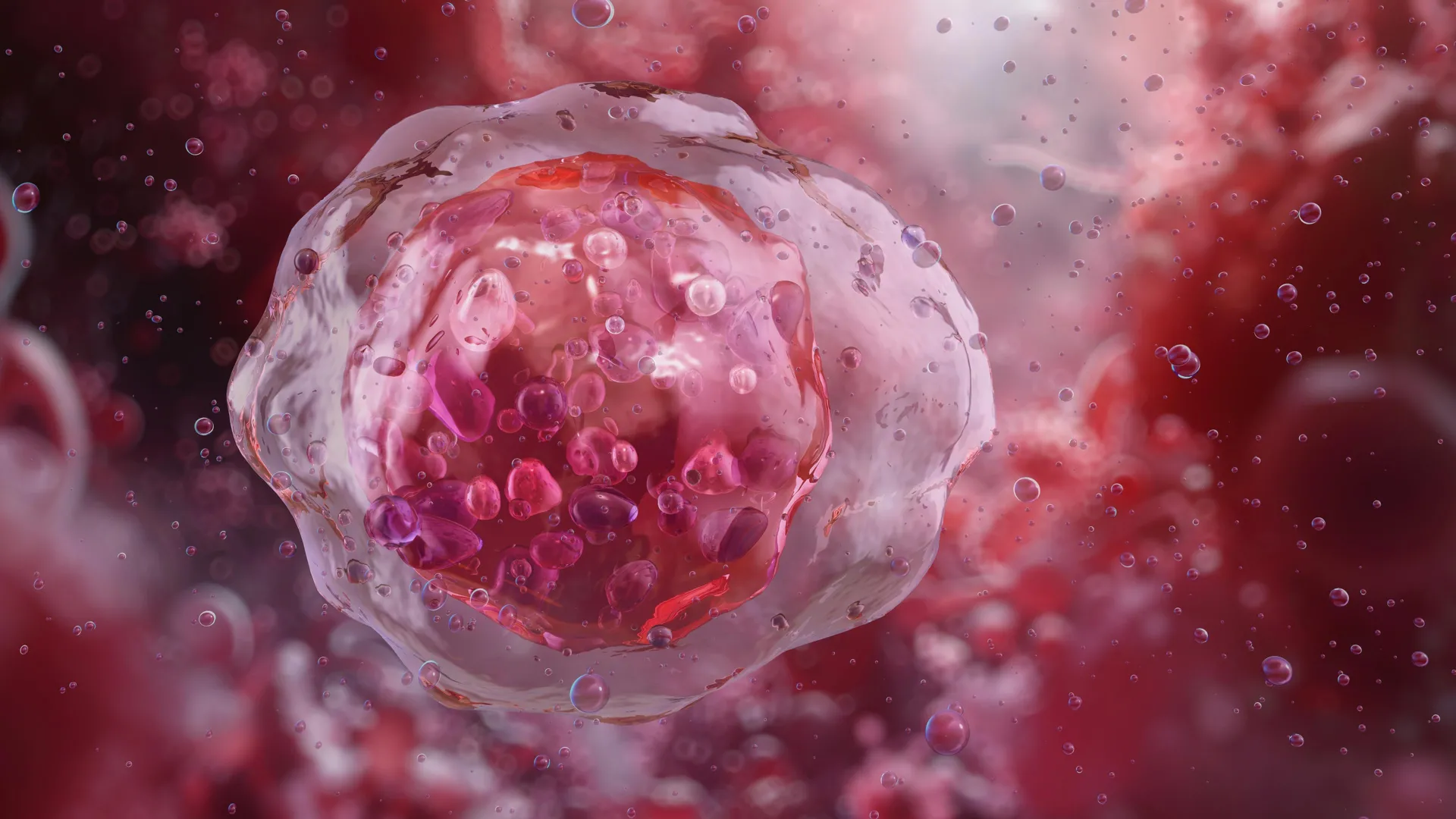
One of the central discussions in TWiV 1287 revolves around a fascinating study that traces the diversity of human betaherpesviruses 6A (HHV-6A) and 6B (HHV-6B) over a remarkable 2,500-year period. By analyzing ancient human DNA, researchers have been able to reconstruct the evolutionary trajectory of these ubiquitous viruses, shedding light on their long-standing relationship with humanity.
Betaherpesviruses, a subfamily of the Herpesviridae family, are known for their ability to establish lifelong latent infections in humans. HHV-6A and HHV-6B are particularly notable as they are a common cause of roseola infantum, a childhood illness, and can reactivate later in life, potentially contributing to various health issues. The ability to examine viral DNA preserved within ancient human remains offers an unprecedented window into viral evolution, allowing scientists to observe genetic changes and diversification patterns that would be impossible to discern from modern samples alone.
The research, as discussed on TWiV, likely employed sophisticated genomic sequencing techniques to extract and analyze viral fragments from skeletal remains and other ancient tissues. This process involves meticulous extraction and purification of DNA, followed by high-throughput sequencing and bioinformatics analysis to identify and assemble viral genomes. The dating of these ancient samples provides a crucial chronological framework, enabling researchers to map the spread and adaptation of these viruses across different human populations and geographical regions over millennia.
Understanding the long-term evolutionary dynamics of viruses like HHV-6A and HHV-6B is critical for several reasons. Firstly, it can provide clues about the selective pressures that have shaped their genomes and their interactions with the human immune system. This knowledge can inform our understanding of viral pathogenesis and the development of new antiviral strategies. Secondly, it can illuminate patterns of human migration and population history, as viruses often co-evolve with their hosts. The genetic signatures left by these ancient viruses can act as molecular markers of human movements and interconnections.
While specific details of the study’s findings were not fully detailed in the initial announcement, the implications are profound. The ability to reconstruct viral diversity over such an extended period suggests that researchers are moving beyond studying current outbreaks and are beginning to understand the deep historical context of human-pathogen interactions. This could lead to a more comprehensive understanding of why certain viruses persist, why they cause specific diseases, and how they might evolve in response to future environmental and immunological changes.
Shingles Vaccination and its Potential Impact on Dementia
The second major topic explored in TWiV 1287 addresses a potentially groundbreaking area of research: the effect of shingles vaccination on individuals at different stages of the dementia disease course. Shingles, caused by the reactivation of the varicella-zoster virus (VZV), is a painful rash that can affect individuals who have previously had chickenpox. The VZV vaccine is designed to prevent shingles and its complications.
Dementia, a progressive decline in cognitive function, affects millions worldwide, with Alzheimer’s disease being the most common form. While the exact causes of dementia are complex and multifactorial, research has increasingly pointed to the role of inflammation and chronic infections in its development and progression. VZV, like other herpesviruses, can establish latency in the nervous system, and its reactivation has been implicated in various neurological conditions.
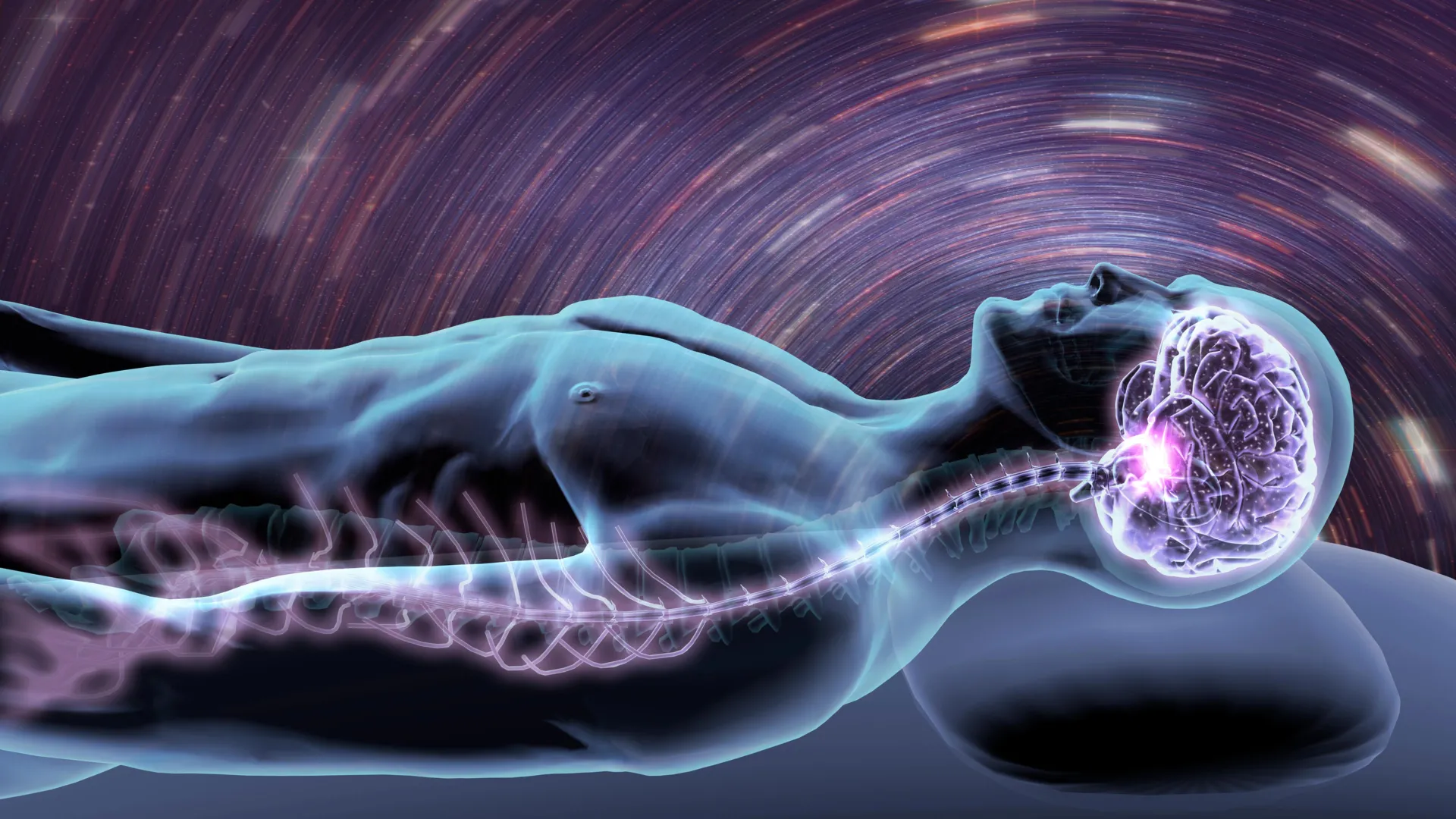
The discussion on TWiV suggests that new research is investigating whether administering the shingles vaccine, particularly in older adults, might have a protective or mitigating effect on the progression of dementia. This hypothesis is grounded in the understanding that VZV reactivation can trigger inflammatory responses in the brain, which are increasingly recognized as contributors to neurodegeneration. By stimulating an immune response against VZV, the vaccine could potentially prevent or reduce the frequency of such reactivations and their associated inflammatory damage.
The research likely involves observational studies or clinical trials where cohorts of individuals with varying degrees of cognitive impairment are assessed for their vaccination status and their rate of cognitive decline. Researchers would compare the progression of dementia in vaccinated individuals versus unvaccinated individuals, potentially stratifying the analysis by the stage of dementia at the time of vaccination. Factors such as the timing of the vaccination relative to the onset or progression of dementia would be crucial variables.
If the findings indicate a positive impact, the implications would be far-reaching. It could suggest a novel therapeutic or preventative strategy for individuals at risk of or living with dementia. Furthermore, it would highlight the intricate interplay between viral infections, the immune system, and neurodegenerative diseases, underscoring the importance of maintaining robust immunity throughout the lifespan. The potential for a widely available vaccine to influence the trajectory of a devastating disease like dementia would represent a significant public health advancement.
The TWiV Panel and Their Expertise
The podcast is hosted by a distinguished panel of virologists, each bringing their unique perspectives to the discussions:
- Vincent Racaniello: A professor of microbiology and immunology at Columbia University, Racaniello is a highly respected figure in virology education and communication. He is known for his accessible explanations of complex viral concepts.
- Alan Dove: A science writer and editor, Dove contributes his expertise in translating scientific research for a broader audience.
- Rich Condit: An emeritus professor of molecular genetics and microbiology at the University of Florida, Condit brings extensive research experience and a deep understanding of viral mechanisms.
- Brianne Barker: An assistant professor of biology at Drew University, Barker adds a fresh perspective and expertise in various aspects of microbiology and infectious diseases.
Their collective knowledge and experience enable TWiV to provide in-depth analyses of current research, fostering a deeper understanding of virology among its listeners. The "Weekly Picks" and "Listener Picks" segments also offer a glimpse into the broader interests of the hosts and their audience, ranging from science fiction literature to public health resources.
Broader Context and Future Directions
The research discussed in TWiV 1287 touches upon fundamental questions in evolutionary biology and neuroimmunology. The study of ancient DNA is a rapidly advancing field, offering unprecedented opportunities to reconstruct historical biological processes. As genomic sequencing technologies become more refined and ancient DNA extraction techniques improve, we can anticipate even more groundbreaking discoveries about the long-term co-evolution of humans and their microbial inhabitants.
Similarly, the growing understanding of the immune system’s role in neurodegenerative diseases is opening new avenues for therapeutic intervention. The potential link between a common vaccine and dementia progression highlights the interconnectedness of various physiological systems and the importance of a holistic approach to health.
Future research in these areas will likely focus on:
- Detailed genetic analysis of ancient viruses: Moving beyond diversity to understand functional changes in viral proteins and their interactions with host genes.
- Mechanistic studies of viral impact on neurodegeneration: Elucidating the precise pathways through which viral reactivation and associated inflammation contribute to neuronal damage.
- Longitudinal studies of vaccine efficacy in diverse populations: Confirming and expanding upon initial findings regarding the impact of shingles vaccination on dementia progression, considering various genetic and environmental factors.
- Investigating other latent viruses: Exploring whether other latent viral infections might also influence the risk or progression of cognitive decline.
The discussions on TWiV 1287 serve as a testament to the dynamic and ever-evolving nature of virology and its crucial contributions to our understanding of human health and disease, both past and present. The podcast, available for download and subscription, continues to be a vital resource for anyone interested in the latest developments in the field.