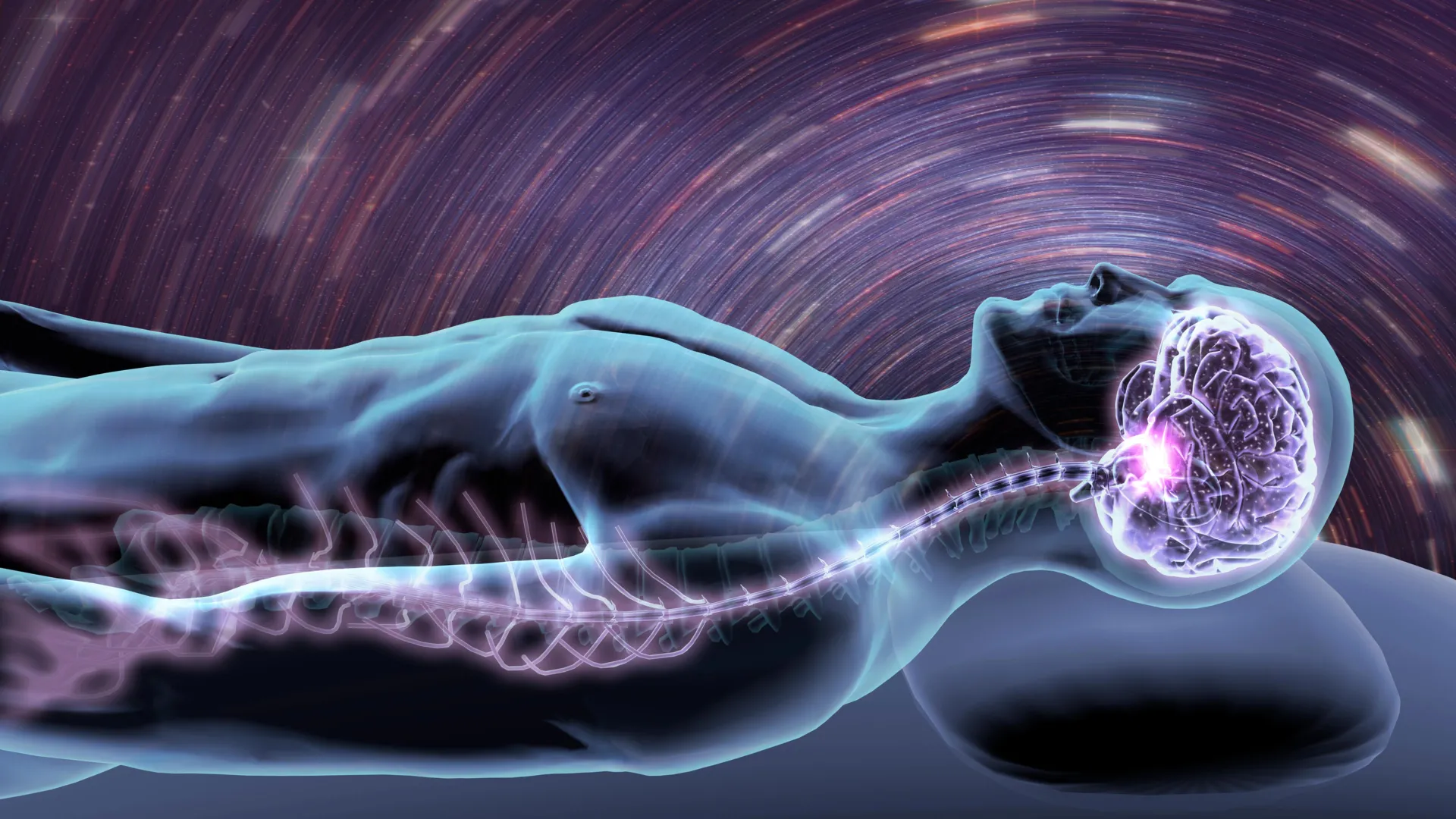
The fundamental relationship between a restorative night of rest and physical vitality has been observed for centuries, yet the precise neurological mechanisms governing this link have remained largely shrouded in mystery. For decades, clinicians and biologists have recognized that growth hormone (GH) levels surge during sleep, serving as a critical catalyst for muscle repair, bone density maintenance, and metabolic regulation. However, the "black box" of the brain’s control over this process has only recently been opened. In a landmark study published in the journal Cell, a team of neuroscientists at the University of California, Berkeley, has successfully mapped the specific brain circuitry responsible for regulating growth hormone during sleep, revealing a complex feedback loop that balances rest with physiological growth and alertness.
The research, led by postdoctoral fellow Xinlu Ding and co-authored by Daniel Silverman in the laboratory of Professor Yang Dan, marks a significant departure from traditional endocrinology. Historically, the study of growth hormone during sleep relied on invasive and delayed methods, such as periodic blood draws to measure hormone concentrations. By the time a change was detected in the bloodstream, the neural event that triggered it had already passed. The UC Berkeley team bypassed these limitations by directly recording neural activity in mice, providing a real-time window into the hypothalamic processes that dictate hormonal release.
The Biological Importance of Growth Hormone
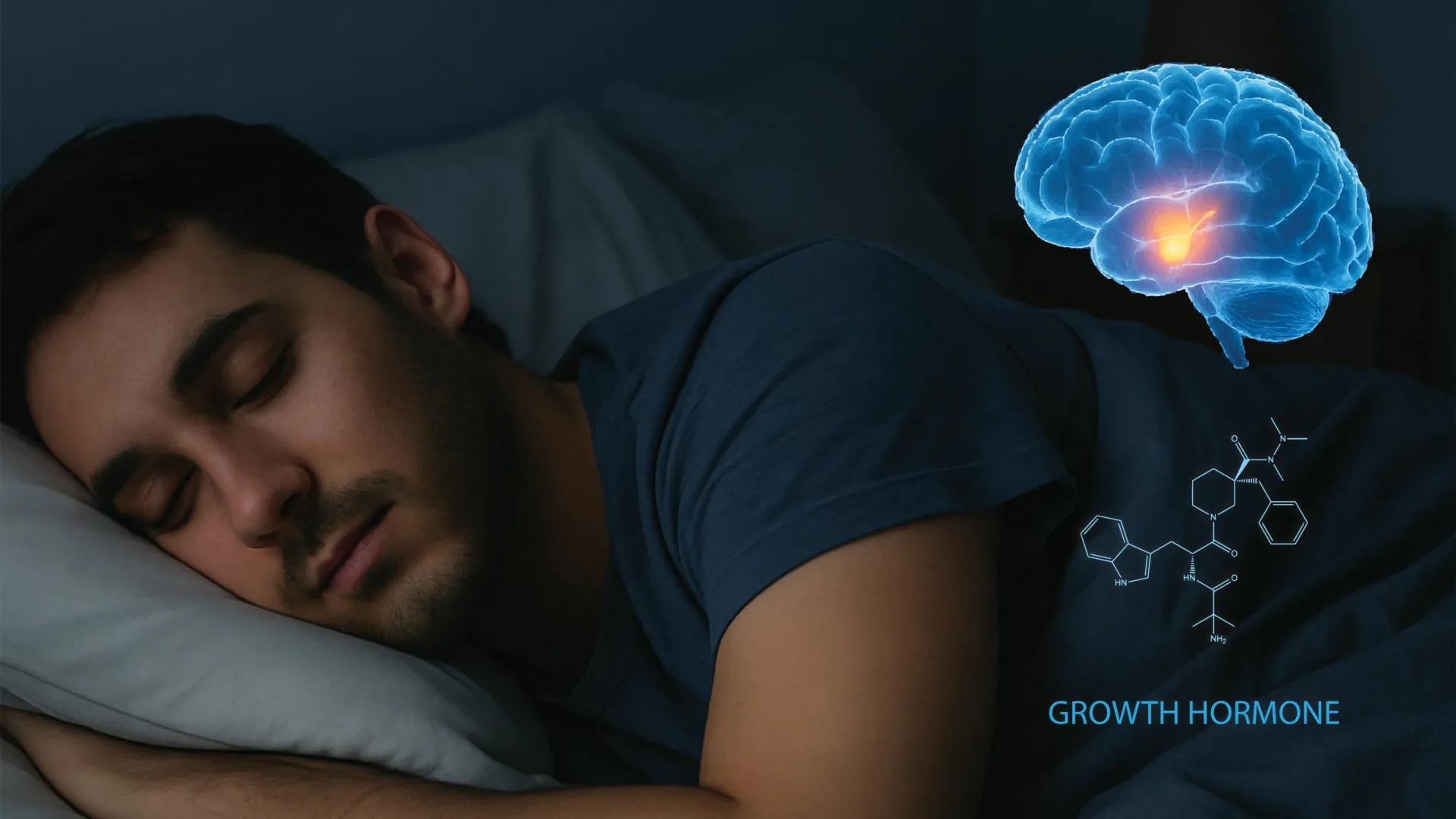
Growth hormone, also known as somatotropin, is a peptide hormone secreted by the pituitary gland. While its name implies a primary role in childhood development, its importance persists throughout the human lifespan. In adults, GH is essential for maintaining the structural integrity of the body; it stimulates protein synthesis, promotes the breakdown of fats (lipolysis), and helps regulate glucose levels in the blood.
Athletes have long prioritized sleep as a "legal performance enhancer" precisely because of this hormonal surge. During deep, non-rapid eye movement (NREM) sleep, the body enters its most significant anabolic state. Conversely, chronic sleep deprivation is known to suppress GH secretion, which can lead to muscle wasting, increased adiposity (fat storage), and weakened immune function. For adolescents, the stakes are even higher, as insufficient sleep during critical developmental windows can theoretically impede a child from reaching their full genetic height potential.
Mapping the Hypothalamic Command Center
The UC Berkeley researchers focused their investigation on the hypothalamus, an evolutionary ancient region of the brain that serves as the primary interface between the nervous system and the endocrine system. Within the hypothalamus, the team identified a specialized cluster of neurons that coordinate the rhythmic release of growth hormone.
The circuit involves a delicate "push-pull" dynamic between two primary types of neurons: growth hormone-releasing hormone (GHRH) neurons and somatostatin neurons. GHRH acts as the accelerator, signaling the pituitary gland to release GH into the system, while somatostatin acts as the brake, inhibiting its release.
Using advanced optogenetic techniques—a method that involves using light to control neurons that have been genetically sensitized to light—the researchers were able to stimulate these specific cell types in mice. Because mice exhibit polyphasic sleep patterns, sleeping in short bursts throughout a 24-hour cycle, the team was able to observe hundreds of transitions between wakefulness, NREM sleep, and REM (Rapid Eye Movement) sleep. This frequency of data points allowed for a high-resolution map of how hormonal signals fluctuate across different sleep stages.
Discovering the Sleep-Stage Specificity
One of the study’s most significant findings is that the behavior of GHRH and somatostatin is not uniform across all stages of sleep. During NREM sleep—the stage traditionally associated with physical restoration—somatostatin levels drop significantly while GHRH rises moderately. This creates a permissive environment for a steady release of growth hormone.
In contrast, during REM sleep—the stage associated with vivid dreaming and cognitive processing—the researchers observed a surprising phenomenon: both GHRH and somatostatin levels increase. This simultaneous activation leads to a more complex, high-intensity regulation of growth hormone. This distinction suggests that the body’s physical repair processes are fine-tuned to the specific "flavor" of sleep the brain is experiencing at any given moment.
The Locus Coeruleus and the Feedback Loop
The study’s most groundbreaking revelation involves a previously unknown feedback system involving the locus coeruleus (LC). The LC is a small nucleus located in the brainstem and is the brain’s primary source of norepinephrine. It is often referred to as the "blue spot" and is central to the regulation of wakefulness, attention, and the stress response.
The UC Berkeley team discovered that as growth hormone builds up in the system during sleep, it eventually travels back to the brain and activates neurons in the locus coeruleus. Initially, this activation encourages the brain to transition from sleep to wakefulness. This suggests that growth hormone acts as a signal to the brain that the body’s "maintenance work" is progressing.
However, the feedback loop contains a fascinating paradox. If the activity in the locus coeruleus becomes too intense, it triggers a secondary response that actually promotes sleepiness. This "biphasic" nature of the LC—a finding Daniel Silverman had explored in earlier research—acts as a failsafe to ensure the body does not prematurely wake up before the necessary hormonal and physiological repairs are complete.
"Sleep and growth hormone form a tightly balanced system," Silverman noted. "Too little sleep reduces growth hormone release, and too much growth hormone can in turn push the brain toward wakefulness. This balance is essential for growth, repair, and metabolic health."
Clinical Implications for Metabolic and Neurodegenerative Disease
The identification of this circuit has profound implications for modern medicine, particularly in the treatment of metabolic disorders. In a society characterized by chronic sleep "debt," the disruption of the GH-sleep circuit may be a hidden driver of the obesity and diabetes epidemics.
Growth hormone is a major player in glucose metabolism. When GH levels are chronically low due to poor sleep, the body’s ability to regulate insulin and burn fat is compromised. By understanding the neural handles of this circuit, researchers may be able to develop targeted therapies—perhaps through pharmaceutical intervention or non-invasive neuromodulation—to restore GH balance in patients with metabolic syndrome.
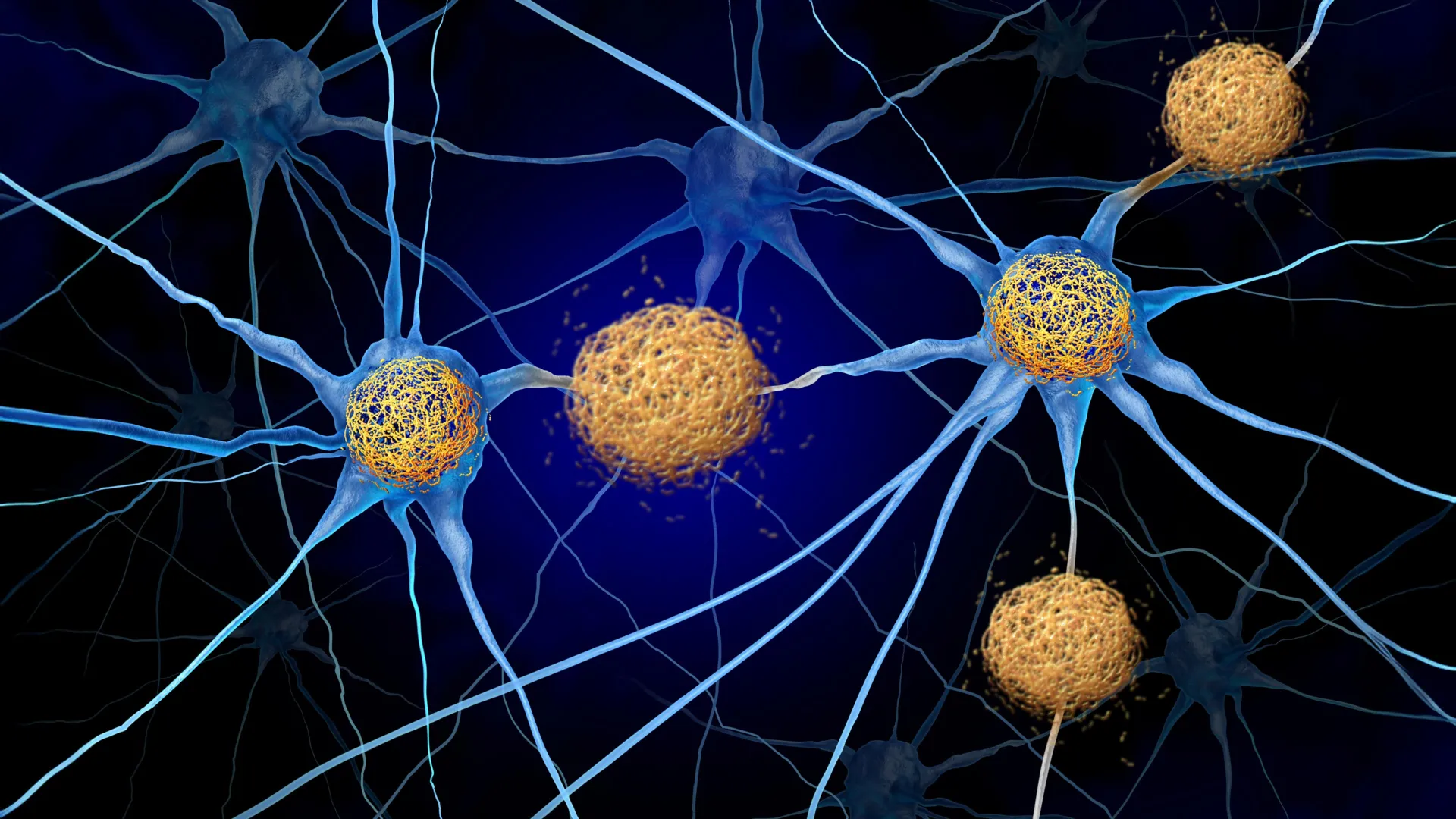
Furthermore, the link to the locus coeruleus opens new doors for neurodegenerative research. The LC is one of the first areas of the brain to show signs of degeneration in patients with Alzheimer’s and Parkinson’s disease. Dysfunction in the LC is closely tied to the sleep disturbances and cognitive decline seen in these conditions. If growth hormone plays a role in maintaining the health and "arousal" levels of the LC, then GH-related therapies could potentially offer a neuroprotective benefit, helping to maintain cognitive function and alertness in aging populations.
"Growth hormone not only helps you build your muscle and bones and reduce your fat tissue, but may also have cognitive benefits, promoting your overall arousal level when you wake up," first author Xinlu Ding explained. This suggests that the "grogginess" many feel after a night of poor sleep may be as much about hormonal deficiency as it is about neural fatigue.
A New Frontier in Sleep Science
The study, supported by the Howard Hughes Medical Institute and the Pivotal Life Sciences Chancellor’s Chair fund, represents a shift toward "circuit-based" endocrinology. By treating the endocrine system not as a separate entity, but as a system deeply integrated with the brain’s real-time electrical activity, the UC Berkeley team has provided a roadmap for future interventions.
The research also highlights the potential for "experimental gene therapies." As our ability to target specific cell types improves, it may become possible to "dial back" the excitability of certain neural circuits to treat insomnia or to "dial up" the GHRH neurons to treat growth deficiencies or age-related muscle loss.
As the scientific community digests these findings, the focus will likely shift toward human trials. While the mouse model provides a robust foundation, the human sleep architecture is more consolidated and complex. Nevertheless, the discovery of the GHRH-Somatostatin-LC loop provides the "basic circuit" that Ding and her colleagues believe will be the cornerstone of sleep and metabolic research for years to come.
In an era where sleep is often viewed as a luxury, this research serves as a stark reminder that the brain and body utilize the hours of darkness to perform a complex, highly regulated dance of chemistry and electricity—a dance that is vital for our survival, our growth, and our ability to face the day with clarity. The discovery of this neural machinery ensures that the science of sleep is no longer a matter of guesswork, but a matter of precise, targetable biology.