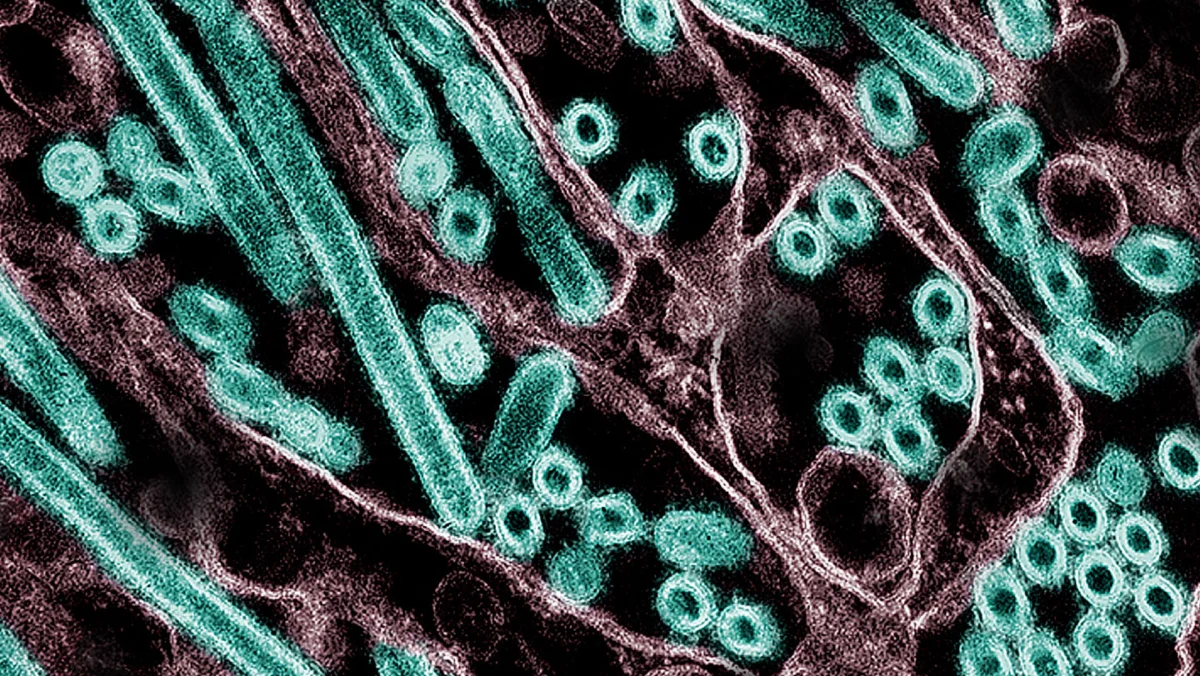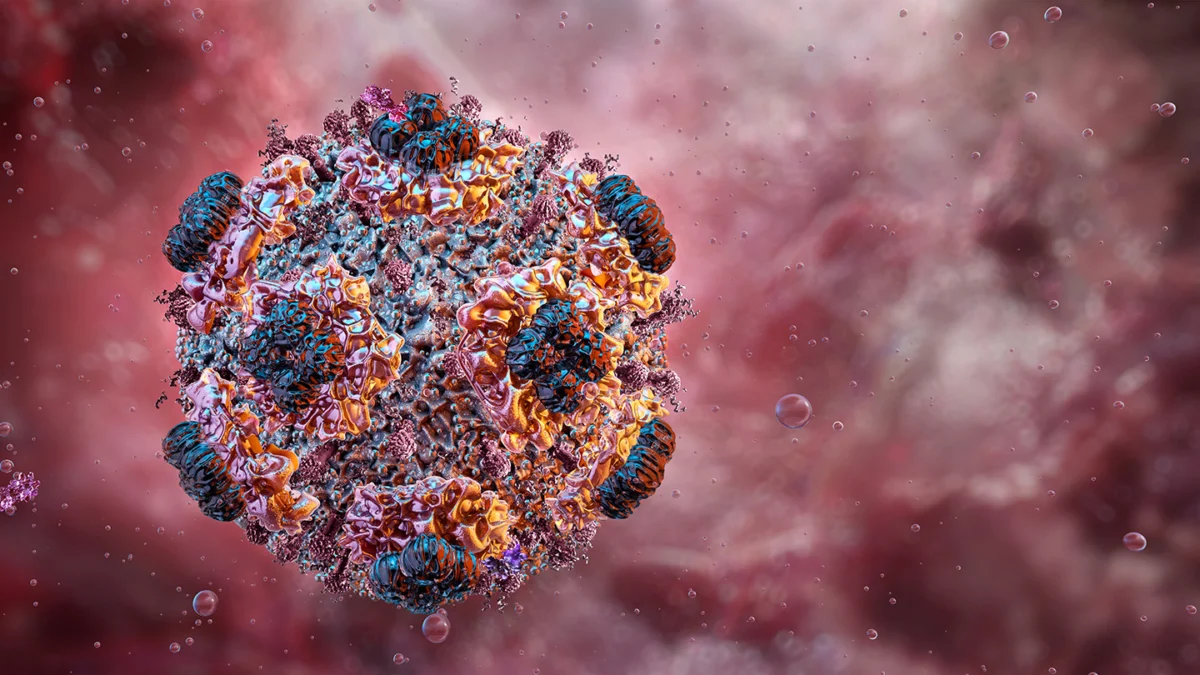
The Andes hantavirus, a seemingly simple virus with a compact genetic makeup, has emerged as a formidable adversary, wielding an unusual and devastating arsenal to incapacitate its human hosts. Scientists are delving into the intricate mechanisms by which this pathogen orchestrates its cellular and immunological sabotage, a pursuit that holds the promise of unlocking critical insights for the development of future therapeutic interventions against the severe and often fatal diseases it engenders. This ongoing research effort, while challenging, represents a beacon of hope in the fight against these potent zoonotic threats.
The Enigmatic Nature of Andes Hantavirus
Andes hantavirus (ANDV) is a member of the Hantaviridae family, a group of RNA viruses primarily transmitted to humans through the inhalation of aerosols from rodent excreta. While many hantaviruses cause rodent-specific infections, ANDV is particularly notorious for its ability to cause severe disease in humans, primarily through two distinct clinical syndromes: hantavirus pulmonary syndrome (HPS) and, less commonly, hantavirus hemorrhagic fever with renal syndrome (HFRS). The high fatality rate associated with ANDV-induced HPS, often exceeding 30 percent, underscores the urgent need for a deeper understanding of its pathogenesis.
What makes ANDV particularly intriguing from a scientific perspective is its relative simplicity. Unlike many complex viruses, ANDV possesses a genome that encodes for only four structural proteins: the nucleocapsid protein (NP), the envelope glycoproteins (G1 and G2), and the RNA-dependent RNA polymerase (RdRp). Despite this limited molecular toolkit, ANDV exhibits a remarkable capacity for cellular manipulation and immune system evasion. Researchers are meticulously dissecting how these few viral components interact with host cells and immune signaling pathways to initiate and propagate disease.
A Glimpse into the Viral Attack Strategy
The initial infection by ANDV typically occurs when an individual inhales virus-laden dust or aerosols shed by infected rodents, most commonly the long-tailed colilargos rodent (Oligoryzomys longicaudatus) found in the Andes mountains of South America. The virus then establishes itself in the respiratory system, eventually disseminating to other organs, including the lungs, heart, and kidneys.
A key area of research focuses on how ANDV proteins interfere with essential cellular functions. For instance, the viral NP protein is known to play a crucial role in viral replication and assembly. However, emerging studies suggest that NP may also possess functions beyond viral replication, potentially modulating host cell signaling pathways involved in inflammation and cell survival. Similarly, the envelope glycoproteins (G1 and G2) are critical for viral entry into host cells by binding to specific cellular receptors. Their interaction with these receptors not only facilitates viral entry but may also trigger downstream signaling events that contribute to the pathological cascade.
Furthermore, ANDV has demonstrated a sophisticated ability to evade or manipulate the host immune response. In the early stages of infection, the virus appears to dampen the innate immune response, allowing for its unchecked replication. As the infection progresses, the immune system mounts a robust inflammatory response, which, while intended to clear the virus, can paradoxically contribute to the severe tissue damage and organ dysfunction observed in HPS. Understanding the precise mechanisms by which ANDV toggles between immune evasion and immune activation is a critical piece of the puzzle. This includes investigating how viral proteins might interfere with cytokine signaling, recruit or disarm immune cells, or even induce programmed cell death (apoptosis) in host cells to facilitate viral spread.
Background and Timeline of Understanding
The emergence of hantaviruses as significant human pathogens gained widespread attention in the early 1990s with the outbreak of HPS in the Four Corners region of the United States, caused by the Sin Nombre virus. Subsequently, other hantaviruses were identified globally, including ANDV, which was first recognized as a distinct pathogen in the late 1990s following severe outbreaks in Argentina and Chile.
The initial identification of ANDV marked a critical turning point, as it was the first hantavirus identified to cause human-to-human transmission, a phenomenon previously considered rare for this viral family. This realization significantly altered the epidemiological understanding and public health response strategies for hantavirus infections. Human-to-human transmission of ANDV is believed to occur through close contact with infected individuals, possibly via respiratory droplets or direct contact with bodily fluids. This mode of transmission adds another layer of complexity to containment efforts and underscores the importance of understanding the virus’s replication and shedding dynamics.
Over the past two decades, research into ANDV has been characterized by a growing body of work aimed at characterizing its genetic makeup, identifying its rodent reservoirs, and elucidating its pathogenic mechanisms. Early research focused on serological detection and molecular characterization of the virus. As sequencing technologies advanced, the complete genome of ANDV was elucidated, paving the way for in-depth molecular virology studies. The development of cell culture models and animal models that can reliably replicate ANDV infection in vivo has been instrumental in facilitating these investigations.
Supporting Data and Scientific Discoveries
Scientific investigations into ANDV have yielded several crucial findings. For instance, studies have identified specific cellular receptors that ANDV utilizes for entry, such as certain integrins and proteoglycans. Understanding these interactions provides potential targets for antiviral drugs that could block viral entry.
Furthermore, research has shed light on the intricate interplay between ANDV proteins and host cellular machinery. For example, studies have shown that the viral NP protein can bind to and sequester host cellular proteins involved in antiviral defense, effectively disarming the cell’s innate immunity. Similarly, the viral glycoproteins have been implicated in modulating the host inflammatory response, potentially leading to the cytokine storm that is a hallmark of severe HPS.
Quantitative data from epidemiological studies has also been vital. For instance, studies have documented the geographic distribution of ANDV and its rodent hosts, providing insights into the ecological factors that drive transmission. Case fatality rates, typically ranging from 15% to 50% for ANDV-induced HPS, highlight the severity of the disease and the urgent need for effective treatments. Research into the genetic diversity of ANDV strains has also revealed variations that might influence their virulence and transmissibility, adding another dimension to the challenge of developing universal treatments or vaccines.
Implications for Future Treatments
The current understanding of ANDV’s molecular mechanisms offers several promising avenues for therapeutic development.
- Targeting Viral Entry: By identifying the specific cellular receptors ANDV uses to enter cells, researchers can explore the development of small molecule inhibitors or antibody-based therapies that block these interactions, thereby preventing infection.
- Inhibiting Viral Replication: Understanding the role of each viral protein in replication allows for the design of antiviral drugs that target specific viral enzymes or processes. For instance, compounds that interfere with the RdRp’s activity could halt viral multiplication.
- Modulating the Immune Response: Since the host’s exaggerated immune response contributes significantly to disease severity, therapies aimed at dampening this overactive inflammation, without compromising the ability to clear the virus, are a promising strategy. This could involve the use of immunomodulatory drugs or cytokines that help to rebalance the immune response.
- Blocking Human-to-Human Transmission: Further research into the mechanisms of ANDV shedding and transmission between humans is crucial for developing strategies to prevent outbreaks. This might involve understanding how the virus replicates in human tissues and is released into the environment.
Broader Impact and Future Directions
The fight against Andes hantavirus is emblematic of the broader challenge posed by emerging infectious diseases, particularly zoonotic viruses that spill over from animal populations to humans. The increasing interface between human populations and wildlife, driven by factors such as deforestation, urbanization, and climate change, creates more opportunities for such spillover events.
The ongoing research into ANDV’s pathogenesis has far-reaching implications beyond this specific virus. The insights gained into how a virus with a limited genetic repertoire can achieve such potent cellular manipulation and immune evasion can inform our understanding of other viral diseases. The development of novel diagnostic tools, antiviral therapies, and public health strategies for ANDV can serve as a blueprint for responding to future hantavirus outbreaks and other emerging viral threats.
Future research directions will likely focus on:
- High-throughput screening: Utilizing advanced screening platforms to identify novel antiviral compounds that target ANDV with high specificity and low toxicity.
- Vaccine development: While challenging due to the diversity of hantaviruses, continued efforts to develop safe and effective vaccines are crucial for long-term prevention.
- Enhanced surveillance: Strengthening surveillance systems for both rodent populations and human cases in endemic areas to detect outbreaks early and implement timely interventions.
- Understanding long-term sequelae: Investigating any potential long-term health consequences for survivors of ANDV infection, as is common with many viral hemorrhagic fevers.
In conclusion, the scientific community’s deep dive into the molecular intricacies of Andes hantavirus, driven by its significant public health threat, is a testament to the power of persistent research. By unraveling the virus’s sophisticated strategies for cellular commandeering and immune subversion, scientists are steadily charting a course toward effective treatments and a more robust defense against this formidable pathogen and others like it. The journey is complex, but the potential rewards—saving lives and mitigating the impact of devastating diseases—are immense.