

When skeletal muscle sustains trauma, the human body orchestrates a complex and highly specialized biological response, activating resident stem cells to rebuild and restore compromised tissue. However, recent groundbreaking research from the Perelman School of Medicine at the University of Pennsylvania has revealed that this intricate repair network collapses entirely in the absence of a single, critical protein. Without this crucial molecular component, the body’s natural healing mechanism fails, causing regenerating muscle fibers to be systematically replaced by debilitating fat and scar tissue rather than healthy, functional muscle.
Published in the esteemed scientific journal Science Advances, the study highlights an unexpected, non-traditional role for a protein designated as TRF2. Historically recognized by molecular biologists and geneticists almost exclusively for its primary function of safeguarding the telomeres at the ends of chromosomes, TRF2 has now been identified as an absolute prerequisite for maintaining the identity and viability of muscle stem cells. This revelation fundamentally shifts our understanding of cellular biology, offering a fresh perspective on how the human body sustains its regenerative capacity across a lifespan and opening up promising new avenues for the treatment of severe degenerative conditions, including Duchenne muscular dystrophy.
The Main Facts: Unlocking the Mystery of Cellular Identity
For decades, the scientific community viewed TRF2 (Telomeric Repeat-Binding Factor 2) through a narrow lens. Its designated job description was clear and localized: it protected chromosomal ends from deteriorating, fusing together, or triggering false DNA damage alarms that could lead to cellular apoptosis or mutagenesis. The new findings from the Mourkioti Laboratory at Penn Medicine, however, demonstrate that TRF2 performs a parallel, equally vital duty far away from the telomeres. It acts as a genetic anchor, ensuring that muscle stem cells retain the specific molecular instructions that define them as stem cells.
Under normal physiological conditions, adult muscle stem cells—frequently referred to as satellite cells—reside in a quiescent, or dormant, state along the periphery of muscle fibers. When an acute injury or chronic micro-trauma occurs, these dormant cells awaken. They rapidly proliferate, differentiate, and fuse with damaged muscle fibers to execute repairs. A subset of these activated cells then returns to a resting state, successfully replenishing the reserve pool to ensure the body remains prepared for subsequent injuries.
Through a rigorous series of laboratory experiments utilizing advanced genetic knockout models, the research team discovered that the expression levels of TRF2 fluctuate dynamically as muscle stem cells navigate these various stages. The protein rises and falls systematically as cells transition from dormancy to active repair and back to replenishment, indicating that TRF2 serves as an indispensable master regulator governing the entire regenerative timeline.
A Chronological Perspective: Tracing the Discovery of TRF2
The journey toward this discovery spans years of methodical investigation into the mechanics of musculoskeletal aging and disease. For a long time, researchers noted that the regenerative capacity of skeletal muscle naturally declines with age and becomes severely compromised in pathological states like muscular dystrophy, but the exact epigenetic drivers remained elusive.
Initially, Foteini Mourkioti, PhD, an associate professor of Orthopedic Surgery at Penn Medicine and the senior author of the study, and her research team set out to investigate how nuclear architectural proteins influence muscle stem cell maintenance. While analyzing the broader genome-wide distributions of various DNA-binding proteins, the team noticed anomalous binding patterns involving TRF2 that could not be explained solely by its known telomeric functions.
To test the functional significance of this observation, the researchers engineered laboratory mouse models in which the gene encoding TRF2 could be selectively deleted specifically within muscle stem cells. In the initial weeks following the targeted deletion, the transgenic mice appeared outwardly healthy. Their existing muscle tissue displayed normal architecture, confirming that the immediate loss of TRF2 did not cause instantaneous necrosis or degradation of mature muscle fibers.
However, as the weeks progressed and the researchers monitored the animals over a longitudinal timeline, a critical failure materialized. The functional pool of muscle stem cells began to experience a precipitous decline. When these mice were subjected to induced muscle injuries, the true severity of the defect became apparent. Instead of producing robust new muscle fibers, the injury sites developed extensive fibrosis and fatty infiltration—pathological hallmarks of failed regeneration that permanently impair physical strength and mobility.
Quantitative Insights and Supporting Data
The implications of the Penn Medicine study are underscored by robust experimental data. When researchers removed TRF2 from the muscle stem cells of healthy mice, the cells did not simply undergo programmed cell death, a common outcome when telomeric proteins are compromised in other cell types. Instead, the cells survived in a dysfunctional state, stripped of the epigenetic programming that grants them their regenerative potency.
To quantify the disease-modifying impact of this protein loss, the research team extended their investigation into a preclinical model of Duchenne muscular dystrophy (DMD). DMD is a severe, X-linked genetic disorder characterized by progressive muscle degeneration and premature mortality, driven by the body’s eventual inability to keep pace with continuous muscle fiber breakdown.
When TRF2 was deleted in the muscle stem cells of the Duchenne mouse model, the results were dramatic and statistically profound. The progression of muscle degeneration accelerated exponentially compared to control mice with normal TRF2 levels. Furthermore, the lifespan of the Duchenne mice subjected to TRF2 depletion was significantly shortened, demonstrating that TRF2 is not merely a helpful accessory protein, but an absolute physiological requirement for buffering the severe tissue stress inherent to muscular dystrophy. While these findings do not immediately translate into a clinical cure, they successfully pinpoint a precise molecular pathway that future therapeutic interventions can aim to preserve or therapeutically mimic.
Mechanism of Action: G-Quadruplexes and Genomic Regulation
To understand how TRF2 executes this unexpected duty, the researchers dove deep into genomics and structural biology. They discovered that TRF2 does not limit its interactions to chromosome ends; it actively binds to specific regulatory regions scattered throughout the entire genome. These non-telomeric binding sites are critically important because they dictate which genes remain active or silenced, thereby establishing cell identity and function.
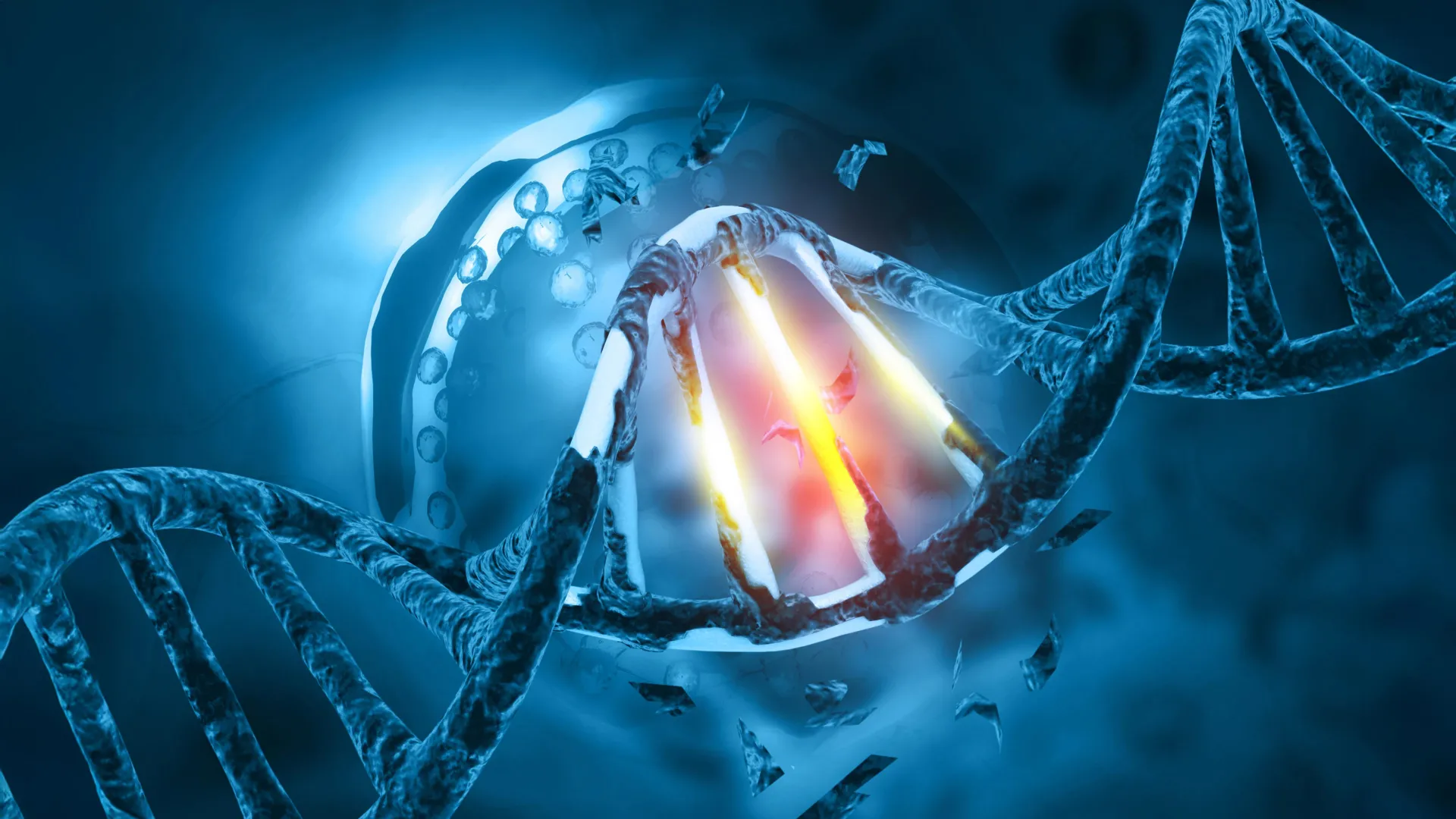
Further biochemical analysis revealed a fascinating physical interaction: many of the DNA sequences bound by TRF2 are rich in the nucleotide guanine and capable of forming complex, secondary DNA structures known as G-quadruplexes. These four-stranded structures have recently captured intense scientific interest due to their regulatory influence over gene expression and their potential as targets in oncology research.
The Penn Medicine study demonstrated that TRF2 binds directly to these G-quadruplex structures within the regulatory regions of muscle stem cells. By doing so, the protein stabilizes the genetic architecture required to keep stem cells in a primed, identity-secure state. Without TRF2 interacting with these specialized folds, the regulatory network collapses, the cells lose their specialization, and the tissue loses its ability to heal.
Official Responses and Expert Analysis
The unexpected nature of these findings has drawn widespread attention within the academic and medical research communities.
"For years, TRF2 has been viewed as a protein whose primary job is protecting the ends of chromosomes from damage or corruption," noted Dr. Mourkioti, reflecting on the paradigm-shifting nature of the discovery. "But rather than simply protecting DNA, TRF2 seems to be key to regenerating muscle throughout life."
Discussing the broader ramifications for tissue identity, Dr. Mourkioti emphasized the gravity of cellular reprogramming errors: "This completely changes how we think about TRF2’s role in these cells. The loss of identity has severe implications for whether recovery from injury is even possible."
Independent cell biologists not involved in the study have praised the research for bridging the gap between telomere biology and stem cell epigenetics, noting that identifying non-telomeric functions of structural proteins opens entirely new chapters in molecular medicine.
Broader Implications: Bridging Muscle Regeneration and Cancer Biology
Beyond the immediate horizon of muscular dystrophy research, the discovery of TRF2’s role in muscle stem cells offers a tantalizing clue toward resolving a long-standing biomedical paradox: the relationship between high regenerative capacity and cancer susceptibility.
Skeletal muscle tissue possesses an extraordinary ability to regenerate following severe physical trauma. Yet, despite this high level of cellular turnover and regenerative activity, soft-tissue sarcomas—cancers originating directly in skeletal muscle—are relatively rare compared to malignancies arising in other highly regenerative tissues, such as the colon or skin. For decades, researchers have questioned how skeletal muscle manages to maintain such a robust repair apparatus without frequently succumbing to uncontrolled oncogenic mutations and runaway cellular proliferation.
The newly uncovered mechanisms governing TRF2 may provide the missing piece of this evolutionary puzzle. By investigating how TRF2 strictly regulates gene expression to maintain stemness without tipping cells into a cancerous state, scientists hope to uncover the biological safeguards that protect skeletal muscle. Understanding how to stimulate or protect TRF2-mediated repair pathways could ultimately allow researchers to enhance muscle healing in aging populations or patients with degenerative diseases, without inadvertently triggering the unchecked cell growth characteristic of tumors.
Future Outlook and Clinical Translation
As the research team at the Perelman School of Medicine continues its investigative work, supported by foundational grants from the National Institutes of Health and the National Institute of Arthritis and Musculoskeletal and Skin Diseases (including awards R01 DK123356, R01s CA174904, GM101149, and FDN-143330), the immediate focus remains on translating these molecular insights into viable clinical strategies.
While clinical trials utilizing these findings are not yet underway, the identification of TRF2 as a master guardian of muscle stem cell identity provides drug developers with a novel molecular target. By designing pharmacological agents capable of supporting or mimicking TRF2 function at G-quadruplex sites, future therapies might successfully halt the fatty and fibrous degradation seen in muscular dystrophy and age-related muscle wasting (sarcopenia).
Ultimately, this landmark study published in Science Advances reshapes our understanding of the human body’s resilience. It proves that even the most well-studied proteins can harbor profound secrets, and that the lifelong capacity of human muscle to heal itself depends on a delicate, elegant choreography between genomic protection and cellular identity.