The landscape of assisted reproductive technology is undergoing a quiet yet profound transformation, driven by a recent scientific breakthrough at the University of Illinois Urbana-Champaign. For decades, clinicians and researchers in the fields of human medicine and animal agriculture have grappled with the inherent unpredictability of in vitro fertilization (IVF). Despite continuous refinements in laboratory protocols, culture media, and incubation environments, one major variable has persistently undermined success rates: sperm viability and the strict temporal coordination required for successful fertilization.
A team of researchers led by David Miller, a professor in the Department of Animal Sciences within the College of Agricultural, Consumer and Environmental Sciences at the University of Illinois, has successfully developed a novel technique that mirrors the natural biological environment of the female reproductive tract. By isolating and replicating the specific molecular mechanisms utilized by the mammalian oviduct—commonly known as the fallopian tube—the research team has found a way to select viable sperm and artificially prolong their lifespan in a laboratory setting. This innovation not only addresses a primary source of biological variability in IVF procedures but also opens up new avenues for improving efficiency across both human fertility clinics and commercial livestock production.
The findings, detailed in a study published in the peer-reviewed journal Scientific Reports under the title Porcine sperm bind to an oviduct glycan coupled to glass surfaces as a model of sperm interaction with the oviduct, mark a significant milestone in reproductive biology. Alongside Miller, the research team includes Sandra Soto-Heras, Larissa Volz, and Nicolai Bovin. The project was made possible through financial backing from the Eunice Kennedy Shriver National Institute of Child Health and Human Development, a branch of the National Institutes of Health, under award number RO1HD095841. Additionally, Miller maintains an affiliation with the prestigious Carl R. Woese Institute for Genomic Biology at the University of Illinois, underscoring the interdisciplinary nature of the work, which bridges animal sciences, chemistry, and genomics.
Decoding the Natural Biology of the Oviduct
To understand the significance of the University of Illinois study, one must examine the physiological journey that gametes undertake in natural reproduction. In mammalian biology, the oviduct is far more than a simple passive conduit connecting the ovary to the uterus. It is a highly sophisticated, dynamic environment that actively regulates the passage, maturation, and survival of gametes.
For many years, reproductive biologists recognized that the oviduct possesses a remarkable capacity to lengthen the lifespan of sperm, maintaining their fertilizing competence for hours or even days until an oocyte (egg) is ovulated and available for fertilization. However, replicating this biological preservation mechanism outside the living body had remained an elusive goal for scientists working in artificial reproductive technologies. Standard IVF protocols typically expose sperm to culture media that, while capable of supporting basic motility for a short period, cannot prevent the progressive degradation and loss of function that occurs rapidly once sperm are collected and prepared in vitro.
In 2020, Miller and his research group made a foundational discovery that shifted the paradigm of reproductive research. They identified that complex sugars, scientifically known as glycans, are the specific molecular components lining the oviduct that possess the unique ability to bind and store sperm while keeping them alive and functional. This realization provided the missing puzzle piece, suggesting that if researchers could identify the exact glycan structures responsible for this interaction, they could artificially immobilize and preserve sperm in laboratory culture dishes, effectively pausing their biological countdown.
From Glycan Discovery to Laboratory Application
Following their 2020 discovery, Miller’s laboratory initiated a multidisciplinary collaboration with expert chemists to screen and test hundreds of distinct oviduct glycans. The primary objective was to determine which specific compounds exhibited the strongest and most reliable affinity for binding sperm without compromising their structural integrity or subsequent fertilizing capability.
After rigorous screening procedures, the researchers zeroed in on a specific complex sugar known as sulfated Lewis X trisaccharide, or suLeX. To test the efficacy of this compound as an artificial oviduct surrogate, the research team devised a controlled experimental model utilizing porcine (pig) sperm.
The choice of animal model was strategic and multifaceted. First, pig sperm served as an ideal and robust proof of concept for future translational studies aimed at human medicine. Second, animal agriculture relies heavily on IVF technologies for the rapid propagation of elite genetics, making improvements in porcine IVF economically and operationally significant. Furthermore, pig IVF presents a unique challenge known as polyspermy—a phenomenon where multiple sperm simultaneously penetrate a single egg, resulting in inviable embryos that fail to develop. The researchers hypothesized that immobilizing sperm via specific glycan binding would allow them to wash away excess free-swimming sperm, thereby reducing the incidence of polyspermy and improving overall embryo quality.
Experimental Methodology and Chronology of the Study
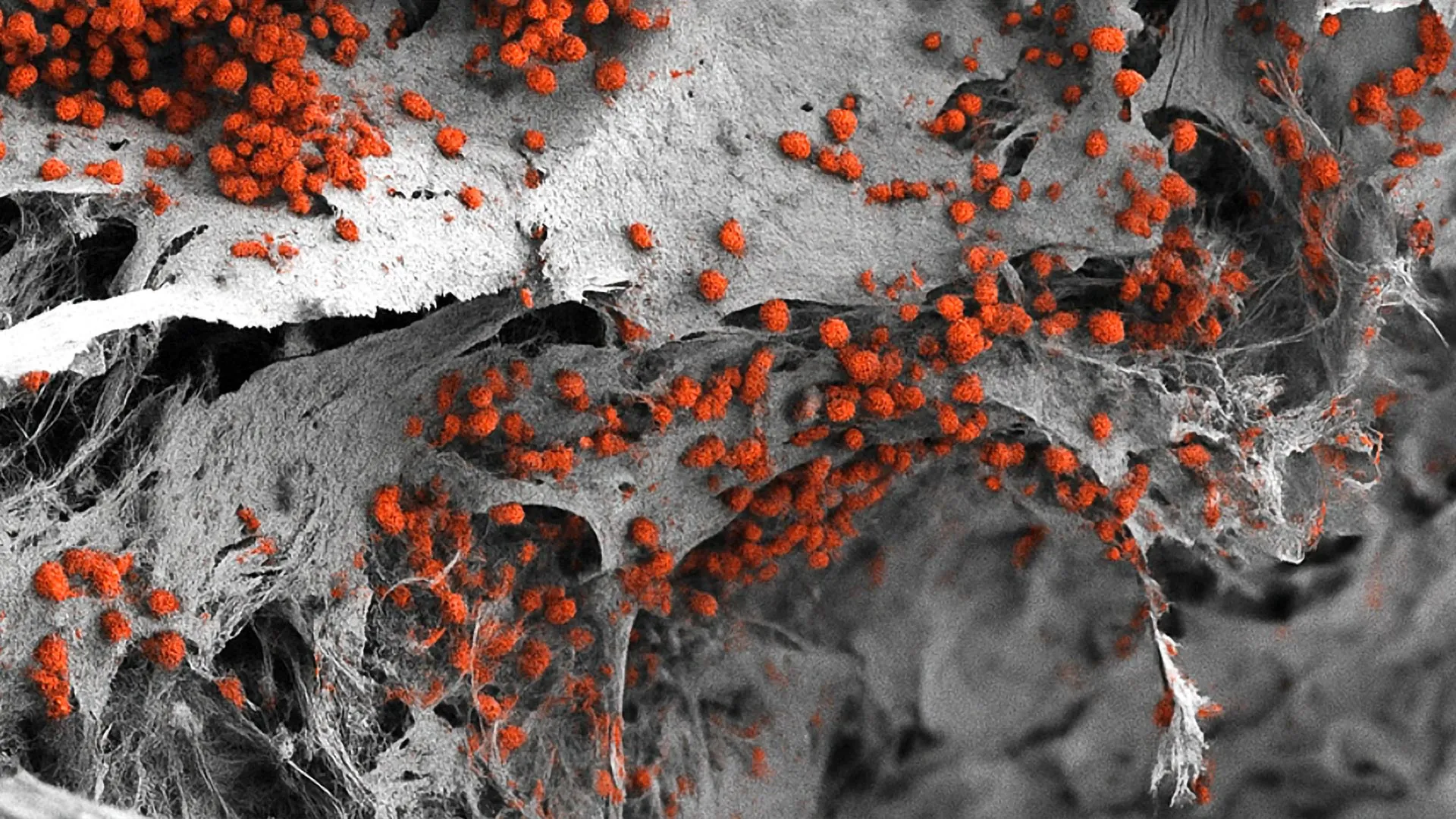
To evaluate whether suLeX could successfully capture and preserve sperm over extended periods, the research team engineered a precise experimental protocol. The scientists chemically attached suLeX molecules to the bottom surfaces of laboratory culture dishes. Once the compound was secured, fresh sperm samples were introduced to the dishes and given a standardized thirty-minute window to interact with and adhere to the glycan compounds.
Following this initial binding phase, the researchers introduced mature eggs into the culture system at staggered chronological intervals: immediately (0 hours), as well as 6 hours, 12 hours, and 24 hours later. This tiered time-delay design was deliberately chosen to test the longevity-enhancing properties of the suLeX substrate. By introducing eggs at progressively later time points, the investigators could measure whether the surface-bound sperm maintained their viability and fertilizing capacity over an extended temporal window compared to standard, non-glycan-treated control groups.
Furthermore, the physical setup of the suLeX droplets provided a distinct operational advantage during the fertilization phase. Because the viable sperm were securely anchored to the glycan compound on the dish surface, the researchers were able to gently wash away all remaining free-swimming sperm from the medium before introducing the eggs. This critical washing step effectively eliminated the surplus gametes that typically crowd the fertilization environment, directly targeting the historical problem of polyspermy in porcine models.
Empirical Results and Performance Data
The empirical data gathered throughout the study demonstrated clear performance advantages for the suLeX-based IVF system across every measured time interval. The results highlighted not only an immediate improvement in fertilization efficiency but also a dramatic extension of the functional lifespan of the sperm.
At the baseline zero-hour mark, IVF efficiency—measured as the ratio of successfully fertilized zygotes to the total number of eggs introduced—was significantly higher among sperm that had initially bound to the suLeX substrate. Specifically, the suLeX group achieved a fertilization rate of 53%. In comparison, a baseline control group utilizing standard culture conditions without any oviduct compounds achieved a fertilization rate of only 36%. To ensure the specificity of the reaction, the researchers also tested two alternative control compounds; these yielded fertilization rates of approximately 40% each, further confirming that the enhanced performance was uniquely attributable to the suLeX glycan rather than general surface interactions.
As the time delays increased, natural degradation inevitably reduced the fertilization rates across all experimental cohorts. However, the rate of decline was markedly mitigated in the suLeX-treated group. In the standard control group lacking any oviduct glycans, the fertilization capacity collapsed drastically, falling to a mere 1% by the 24-hour mark. In stark contrast, the suLeX-coupled dishes maintained a fertilization rate of 12% even after a full 24 hours of in vitro storage.
While a 12% success rate at 24 hours may appear modest at first glance, researchers emphasize that it represents a massive tenfold relative improvement over standard controls, effectively creating a viable biological window where none previously existed. This extended temporal flexibility could fundamentally alter how clinical and agricultural laboratories schedule and execute complex fertilization procedures.
Implications for Animal Agriculture and Livestock Production
While the long-term horizon of this research holds immense promise for human reproductive medicine, the immediate commercial and industrial applications are heavily concentrated within animal agriculture. Modern dairy and swine production relies extensively on advanced reproductive biotechnologies to maximize the genetic potential of herds, enhance disease resistance, and improve production efficiencies such as milk yield and growth rates.
Industry stakeholders, particularly commercial enterprises operating within the dairy cattle sector, routinely utilize IVF to produce high-genetic-merit embryos. These embryos are subsequently transferred into recipient animals to generate livestock capable of producing milk and meat far more efficiently than conventional breeding methods allow. However, the economic viability of these commercial operations is frequently constrained by the high costs and inherent biological inefficiencies of current IVF workflows, including low blastocyst conversion rates and the wastage of valuable genetic material due to timed mismatches between gametes.
By incorporating glycan-based selection and preservation technologies into agricultural breeding protocols, commercial laboratories could significantly streamline operations. David Miller noted that this technology holds the potential to reduce production bottlenecks, ensuring that higher quantities of viable embryos are successfully generated from elite sires and dams. Consequently, this could translate into more efficient production of meat and milk on a global scale, supporting agricultural sustainability goals through enhanced biological precision.
Pathways Toward Human Clinical Translation
Looking beyond the agricultural sector, the medical research community is keenly observing the potential translation of glycan-IVF techniques into human fertility clinics. Infertility affects millions of couples worldwide, and while human IVF has achieved remarkable milestones since the birth of the first "test-tube baby" in 1978, success rates per cycle remain subject to biological variables that clinicians cannot fully control.
One of the most persistent challenges in human IVF laboratories involves timing mismatches. Both oocytes and spermatozoa must undergo precise, highly regulated maturation phases before they are biologically competent to achieve fertilization. However, significant biological variability exists regarding the exact duration it takes for individual sperm to complete their final major maturation steps following collection and preparation.
If an oocyte is harvested and reaches peak maturity before a sperm sample has attained full fertilizing capacity—or conversely, if sperm begin to degrade before mature oocytes are introduced—the fertilization window can be missed entirely, leading to cycle failure or sub-optimal embryo development.
Miller and his colleagues point out that while the specific glycan structures responsible for binding human sperm have not yet been definitively isolated and characterized, the underlying biological principle is expected to be conserved. Once human-specific oviduct glycans are successfully identified and synthesized, glycan-IVF protocols could be adapted for human clinical use. Such an advancement would theoretically lengthen the functional fertile window of human sperm, absorbing minor procedural delays and reducing the pressure on embryologists to synchronize gametes with absolute, minute-by-minute precision.
Future Research Directions and Verification
Despite the enthusiasm surrounding the publication in Scientific Reports, the research team emphasizes that substantial work remains before these techniques become standard clinical or commercial practice. Additional rigorous testing and validation studies are required to verify safety, efficacy, and consistency across diverse biological samples.
For human applications, the immediate priority for Miller’s group and collaborating laboratories will be the identification and isolation of human-specific sperm-binding glycans. Once those molecules are mapped, subsequent preclinical studies will need to evaluate their safety profile in human tissue models, ensuring that glycan exposure does not induce unintended chromosomal abnormalities or alter normal embryonic development trajectories.
In the agricultural sphere, upcoming research will likely focus on scaling the suLeX culture dish technology for high-throughput commercial laboratories, assessing how well the system integrates with existing automated embryo production pipelines, and measuring long-term developmental outcomes in livestock born from glycan-selected sperm.
Conclusion
The University of Illinois study represents a compelling convergence of fundamental molecular biology, synthetic chemistry, and reproductive technology. By looking to nature for inspiration—specifically decoding the intricate chemical signaling of the mammalian oviduct—researchers have successfully engineered a synthetic micro-environment that overcomes longstanding physiological limitations in in vitro fertilization.
Whether measured by the immediate boost in baseline fertilization efficiency, the tenfold extension of sperm viability at 24 hours, or the clever mitigation of polyspermy through targeted cell immobilization, the findings published by Miller, Soto-Heras, Volz, and Bovin offer a clear roadmap for the future of reproductive science. As investigations continue to advance from porcine models toward human clinical applications, the humble glycan may soon become an indispensable tool in laboratories worldwide, redefining the boundaries of what is possible in the science of life’s beginnings.