For decades, metabolic dysfunction-associated steatohepatitis (MASH), the more severe inflammatory form of fatty liver disease, was a silent epidemic, often undiagnosed and with a profound lack of approved therapeutic interventions. However, the landscape is rapidly shifting, with pharmaceutical giants like Boehringer Ingelheim making a concerted push into this challenging but increasingly vital therapeutic area. At the forefront of their efforts is survodutide, a novel GLP-1/glucagon receptor dual agonist, which has demonstrated significant promise in both obesity management and the direct reduction of liver fat, positioning it as a potential game-changer in the battle against MASH.
Neeraja Balachander, who leads Boehringer Ingelheim’s cardio-renal-metabolic portfolio, underscored the company’s strategic commitment, stating, "We have a program in MASH, in the liver, the LIVERAGE program, plus a robust data-generation program to come over the next couple of years, because we want to bring a comprehensive package for metabolic health." The LIVERAGE program represents Boehringer Ingelheim’s ongoing Phase 3 clinical trials, specifically designed to evaluate survodutide in adult patients diagnosed with MASH and liver fibrosis, marking a critical step towards regulatory approval in this underserved population.
The Unfolding MASH Epidemic: A Silent Global Threat
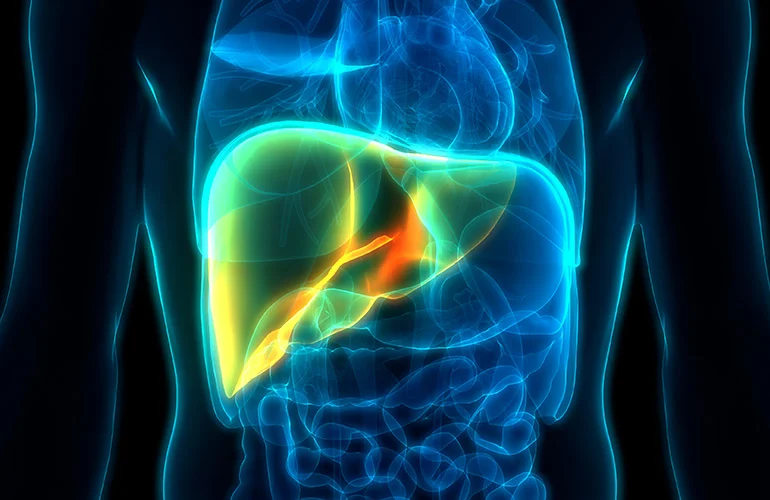
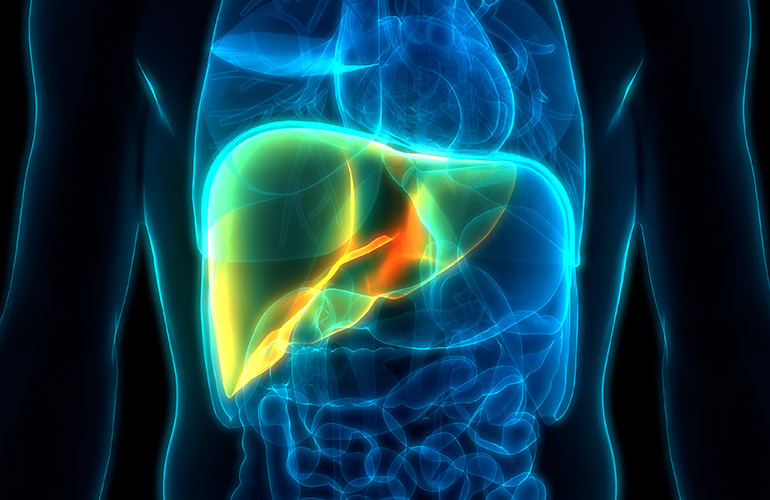
MASH, formerly known as non-alcoholic steatohepatitis (NASH), is characterized by liver inflammation and damage caused by a buildup of fat. It is a progressive disease that can lead to fibrosis (scarring), cirrhosis, liver failure, and even hepatocellular carcinoma (liver cancer). The global prevalence of metabolic dysfunction-associated steatotic liver disease (MASLD), the broader condition encompassing MASH, is estimated to affect approximately 25-30% of the adult population worldwide, mirroring the escalating rates of obesity and type 2 diabetes. Among those with MASLD, a significant proportion, estimated between 1.5% to 6.5% of the global population, will progress to MASH, facing severe health consequences.
The economic burden associated with MASH is substantial, encompassing costs related to diagnostics, specialist consultations, hospitalizations, complications, and ultimately, liver transplantation. Projections indicate that MASH-related healthcare expenditures are set to rise dramatically in the coming years, underscoring the urgent need for effective therapeutic strategies that can halt or reverse disease progression. For many years, lifestyle modifications, primarily diet and exercise leading to weight loss, were the only recommended interventions, often proving difficult for patients to sustain long-term and rarely sufficient to reverse advanced fibrosis. This historical void in pharmacotherapy cemented MASH’s reputation as a particularly difficult area for drug development.
Survodutide’s Dual Action: A Novel Therapeutic Pathway
Survodutide distinguishes itself through its innovative dual agonism, targeting both the glucagon-like peptide-1 (GLP-1) and glucagon receptors. While GLP-1 receptor agonists are now well-established for their efficacy in weight loss and glycemic control – exemplified by drugs like semaglutide and tirzepatide – the addition of glucagon receptor agonism introduces a potent, liver-centric mechanism of action.
GLP-1 agonism provides systemic metabolic benefits, including enhanced insulin secretion, suppressed glucagon release (from the pancreas), slowed gastric emptying, and appetite reduction, all contributing to significant weight loss and improved glycemic parameters. These effects indirectly benefit the liver by reducing the influx of fatty acids and improving insulin sensitivity, which is a core dysfunction in MASH pathogenesis.
The glucagon receptor component, however, offers a more direct assault on liver pathology. Glucagon receptors are predominantly found in the liver, pancreas, kidney, lungs, and heart. By activating glucagon receptors in the liver, survodutide is hypothesized to directly reduce hepatic fat accumulation, increase energy expenditure, and potentially mitigate the inflammation and fibrosis characteristic of MASH. As Balachander explained, "MASH begins with fat accumulating until it distorts the organ’s architecture and invites inflammation." The mechanistic rationale extends to the observation of "glucagon resistance" in MASH patients, where the body produces glucagon but its action on the liver is impaired, contributing to fat accumulation. Survodutide aims to overcome this resistance, restoring normal signaling and promoting a healthier liver metabolic state.
Compelling Clinical Data: A Glimpse into Survodutide’s Potential
The promise of survodutide is firmly rooted in robust clinical data emerging from its SYNCHRONIZE Phase 3 program. While widely recognized for its efficacy in obesity, the recent liver-specific readouts presented at the 2026 American Diabetes Association (ADA) Scientific Sessions were particularly compelling for the MASH community.
In the SYNCHRONIZE-1 trial, a 76-week Phase 3 study published on June 7 in The New England Journal of Medicine, survodutide met both primary endpoints in 725 adults with obesity but without diabetes. Participants receiving the higher 6.0-mg dose achieved an average body weight loss of 13.0% compared to 5.4% for the placebo group. Furthermore, a remarkable 71.9% of participants lost at least 5% of their body weight. These obesity outcomes are significant, as weight loss itself is a primary intervention for MASH.
However, it was the specific liver-fat results from SYNCHRONIZE-1 and the separate SYNCHRONIZE-MASLD trial that truly highlighted survodutide’s potential for MASH. In SYNCHRONIZE-1, survodutide reduced liver fat by an impressive margin of up to 63.1%. Even more notably, the SYNCHRONIZE-MASLD trial demonstrated that approximately 6 out of 10 patients achieved liver fat normalization after 48 weeks of treatment. Balachander emphasized these findings as "just our first tranche of [survodutide] data coming out at ADA," signaling that further positive results are anticipated. Such a high rate of liver fat normalization is a powerful indicator of the drug’s direct impact on a key pathological driver of MASH.
A Shifting Paradigm: From "Graveyard" to Breakthroughs
The journey for MASH drug development has been notoriously difficult. For many years, the field was dubbed a "graveyard for drug discovery" due by Balachander and many others in the industry, due to a string of high-profile clinical trial failures. Companies poured billions into research, only to see promising candidates falter in late-stage trials. Examples include Gilead’s selonsertib, an ASK1 inhibitor, which missed its Phase 3 endpoints in advanced fibrosis and compensated cirrhosis. Genfit’s elafibranor, a PPAR-alpha/delta agonist, failed to meet the interim analysis of its Phase 3 RESOLVE-IT trial. Intercept Pharmaceuticals’ obeticholic acid, a farnesoid X receptor (FXR) agonist, faced repeated rejections from the FDA due to safety concerns and insufficient efficacy data for widespread use in noncirrhotic MASH. These setbacks underscored the complexity of MASH pathophysiology and the challenges in designing effective therapies and appropriate clinical endpoints.
However, recent years have witnessed a pivotal shift, ushering in an era of long-awaited breakthroughs. This change began with the first FDA approval for a MASH treatment in March 2024, when Madrigal Pharmaceuticals’ Rezdiffra (resmetirom) received accelerated approval for MASH/NASH with moderate-to-advanced fibrosis. Rezdiffra, an oral thyroid hormone receptor-beta (THR-beta) agonist, works by increasing the metabolism of fatty acids in the liver, thereby reducing liver fat and inflammation. This approval validated a new therapeutic pathway and brought immense hope to patients and clinicians.
Following swiftly, in August 2025, the FDA granted accelerated approval to Novo Nordisk’s Wegovy (semaglutide) for adults with noncirrhotic MASH and moderate-to-advanced fibrosis. Semaglutide, a GLP-1 receptor agonist, became the first incretin-based therapy cleared for the condition, albeit contingent on confirmatory evidence from ongoing trials. This approval not only recognized the potential of GLP-1s in MASH but also signaled a broader acceptance of drugs that address underlying metabolic dysfunction. Survodutide, with its dual GLP-1/glucagon mechanism, is poised to enter this rapidly evolving market, potentially offering an even more comprehensive metabolic and hepatic benefit.
Strategic Insights and Expert Commentary
Boehringer Ingelheim’s strategic focus on MASH reflects a deeper understanding of metabolic disease progression. Balachander highlighted the scientific appeal, noting that "medicine 101" dictates the liver’s remarkable regenerative capacity and the reversibility of fibrosis to some extent. This biological foundation provides a strong rationale for intervention. The company’s approach, she explained, represents a paradigm shift: "Now, we’re going more upstream and asking why there’s inflammation, and I think that’s behind some of the success in MASH drug discovery." This "upstream" targeting focuses on the root metabolic dysfunctions, such as insulin resistance and glucagon resistance, rather than solely addressing the downstream consequences of inflammation and fibrosis.
Medical experts in hepatology and endocrinology have widely welcomed these developments. Dr. Helen Thompson, a leading hepatologist, commented, "The new wave of MASH therapies, especially those targeting multiple metabolic pathways like survodutide, represents a monumental leap forward. For years, we had little to offer beyond lifestyle advice. Now, with more sophisticated tools, we can truly impact disease progression and potentially prevent devastating outcomes like liver failure." Similarly, market analysts are closely watching the competitive landscape. Sarah Chen, a pharmaceutical market analyst at BioPharma Insights, noted, "The MASH market is projected to reach tens of billions of dollars annually. Survodutide’s strong data in both weight loss and liver fat reduction positions it as a significant contender, potentially differentiating itself even from other GLP-1s by its direct glucagon receptor effects."
The industry’s reframing of MASH as a metabolically driven process, where excess fatty acids and toxic lipid intermediates promote hepatocyte stress, macrophage activation, and fibrotic signaling, strongly supports the multi-faceted approach of drugs like survodutide. This connection points towards a more targeted future for metabolic drugs, moving beyond simple weight loss to "quality weight loss" – where improvements in body composition and organ health are prioritized. Balachander predicted that this shift would have "a big downstream effect on how we look at targeted mechanisms beyond just weight loss," emphasizing the holistic improvement in metabolic health.
The Road Ahead: Clinical Trials, Regulatory Pathways, and Broader Implications
The ongoing LIVERAGE Phase 3 program is critical for survodutide’s MASH ambitions. These trials will assess the drug’s ability to achieve histological improvement (e.g., resolution of MASH without worsening of fibrosis, or improvement in fibrosis without worsening of MASH) – the gold standard endpoints for MASH regulatory approval. Successful outcomes from LIVERAGE could pave the way for a New Drug Application (NDA) submission and potential full approval for MASH. Given the promising liver fat reduction data and the precedent set by Wegovy’s accelerated approval, survodutide may also be considered for a similar expedited pathway based on surrogate endpoints, if further confirmatory evidence is provided.
The entry of survodutide into the MASH therapeutic arena will undoubtedly intensify competition but also expand options for patients. This burgeoning class of metabolic-acting drugs signifies a broader shift in how chronic metabolic diseases are viewed and treated. It moves towards an integrated approach, recognizing the interconnectedness of obesity, type 2 diabetes, and liver disease. For patients, this means the potential for improved health outcomes, reduced risk of advanced liver disease, and potentially a decreased need for liver transplants. For healthcare systems, it offers the prospect of mitigating the long-term costs associated with managing advanced MASH complications.
Beyond current applications, the success of dual agonists like survodutide could inspire further research into combination therapies or even novel multi-receptor agonists, aiming for synergistic effects to tackle the complex pathology of MASH. The emphasis on "upstream" interventions also suggests a future where MASH might be diagnosed and treated earlier, potentially preventing the progression to severe fibrosis and cirrhosis altogether. Boehringer Ingelheim’s push with survodutide is not just about a single drug; it represents a significant stride in the pharmaceutical industry’s evolving strategy to comprehensively address the global challenge of metabolic health.