In a landmark study that challenges long-standing assumptions about the progression of blood cancers, researchers from the Wellcome Sanger Institute and their international collaborators have identified the precise timeline and growth dynamics of chronic myeloid leukemia (CML). The research, published in the journal Nature on April 9, 2024, utilizes advanced whole-genome sequencing to map the evolutionary history of cancer cells, revealing that CML often undergoes a period of "explosive" growth years before a clinical diagnosis is ever made. This discovery not only sheds light on the biological ferocity of the disease but also provides a potential roadmap for improving treatment outcomes for patients who do not respond to standard therapies.
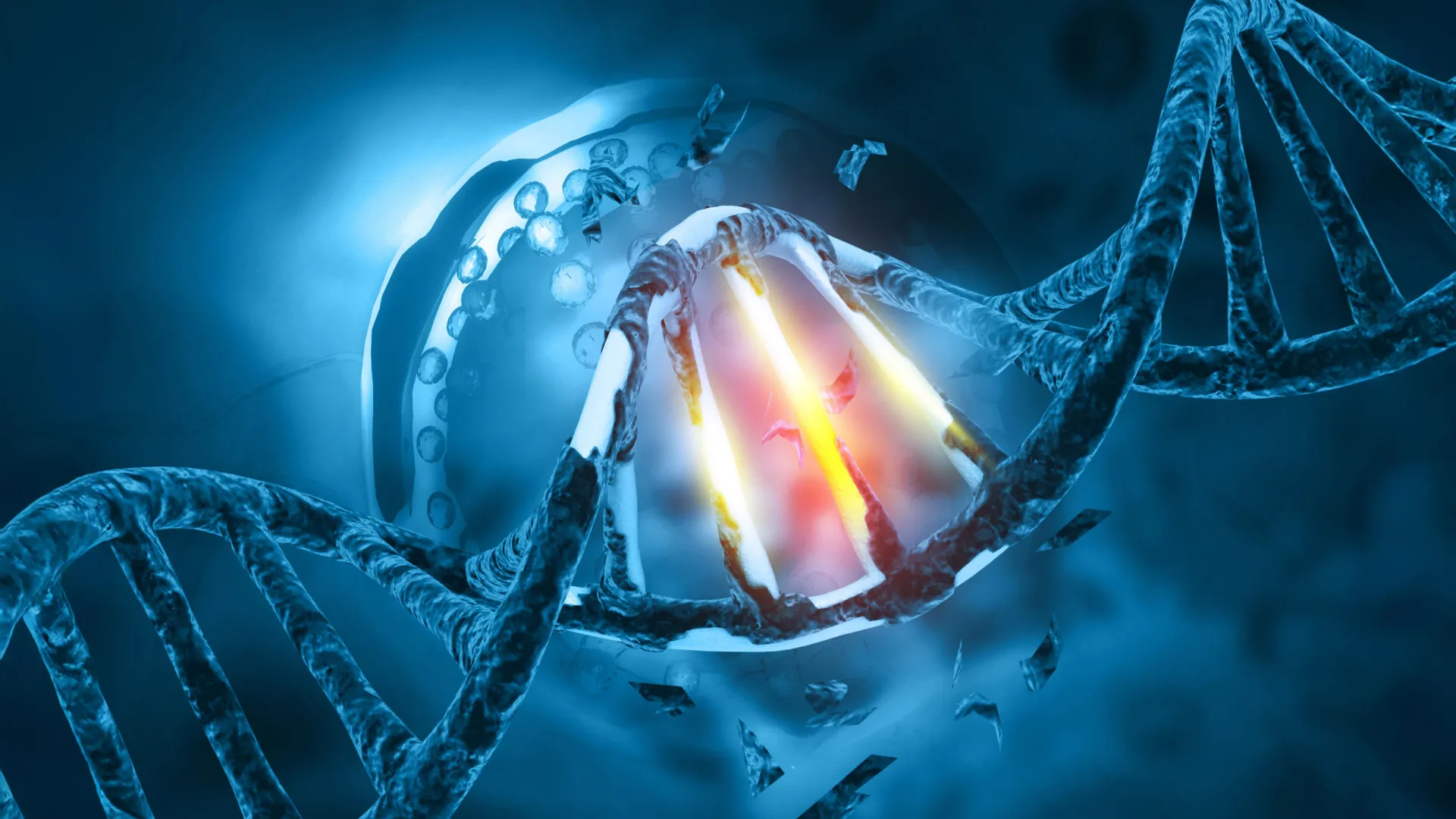
Chronic myeloid leukemia is a rare but serious cancer of the bone marrow and blood, traditionally characterized by the overproduction of white blood cells. For decades, the primary driver of this disease has been known to be the "Philadelphia chromosome," a genetic abnormality resulting from a reciprocal translocation between chromosomes 9 and 22. This translocation creates the BCR::ABL1 fusion gene, which acts as a powerful engine for uncontrolled cell division. However, until now, the scientific community lacked a clear understanding of when this fusion first occurs in a patient’s life and the speed at which the resulting cancerous clones expand.
The Genomic Architecture of CML Progression
To uncover these hidden dynamics, the research team analyzed the DNA of over 1,000 individual blood cells from nine patients diagnosed with CML. The age of the participants spanned a wide range, from 22 to 81 years, allowing the researchers to observe how the disease behaves across different stages of the human lifespan. By using single-cell whole-genome sequencing, the team was able to identify minute genetic variations that serve as molecular "timestamps."
These variations allowed the researchers to construct phylogenetic trees—essentially genealogical maps of the blood cells. By tracing these trees backward, they could pinpoint the exact moment the BCR::ABL1 fusion gene first appeared in a single ancestral blood cell. The results were startling: in most cases, the cancer-initiating mutation occurred between three and 14 years before the patient presented with symptoms or received a diagnosis.
The most significant finding, however, was the rate of growth. Once the BCR::ABL1 fusion was established, the resulting tumor clones expanded at rates previously unseen in most other forms of cancer. In some instances, these cells demonstrated an annual growth rate exceeding 100,000 percent. This level of acceleration is an order of magnitude higher than that observed in other blood disorders or solid tumors, such as colon or lung cancer, which typically evolve over several decades through the gradual accumulation of multiple genetic mutations.
A Single-Step Evolutionary Outlier
The study highlights that CML is a biological outlier in the landscape of oncology. Most cancers require a "multi-hit" process, where a cell must undergo a series of independent genetic mutations over many years to achieve a fully malignant state. In contrast, CML appears to be driven by a single, devastating genetic event. The BCR::ABL1 fusion gene possesses a uniquely potent ability to transform a healthy blood cell into a rapidly dividing cancerous clone without the need for secondary mutations.
This "single-hit" model explains why the disease can progress from a single cell to billions of leukemia cells in a relatively short timeframe. Dr. Jyoti Nangalia, the senior author of the study and a hematologist at the University of Cambridge and the Wellcome Sanger Institute, emphasized the uniqueness of these findings. "What our study suggests is that chronic myeloid leukemia is an outlier compared to other cancers—both solid tumors and other blood cancers," Dr. Nangalia stated. "We have shown that chronic myeloid leukemia cells undergo incredibly rapid growth within a few years to a decade before diagnosis, whereas for most cancers, the timeline from start to clinical presentation is several decades."
The Impact of Age and Treatment Response
The research also uncovered a significant correlation between a patient’s age and the aggressiveness of the cancer’s growth. Younger patients in the study exhibited much higher rates of cellular multiplication than older patients. This suggests that the biological environment of a younger bone marrow may be more conducive to the rapid expansion of BCR::ABL1 clones, or perhaps that the cellular machinery in younger individuals is more susceptible to the fusion gene’s signaling.
Furthermore, the study investigated why some patients respond better to treatment than others. Since the early 2000s, the standard of care for CML has been tyrosine kinase inhibitors (TKIs), such as Imatinib (Gleevec). These drugs specifically target the protein produced by the BCR::ABL1 gene, effectively shutting down the signal for the cells to divide. While TKIs have turned CML from a fatal disease into a manageable chronic condition for many, approximately 20 percent of patients—one in five—do not respond well to the therapy.
The Sanger Institute team found that patients with the fastest-growing leukemia clones prior to diagnosis were the least likely to achieve a deep molecular response to TKI therapy. This suggests that the inherent "fitness" or growth velocity of the cancer cells is a critical determinant of clinical success. If a patient’s cancer is naturally predisposed to hyper-rapid expansion, the standard dosage or type of TKI may be insufficient to gain control over the disease.
Insights from the "All of Us" Cohort
To determine whether the BCR::ABL1 fusion could exist in a dormant state without causing disease, the researchers expanded their scope to include a massive dataset from the "All of Us" Research Program in the United States. They analyzed the health records and genomic data of over 200,000 participants.
The analysis revealed that the presence of the BCR::ABL1 fusion is almost always a precursor to clinical disease. Unlike some other genetic mutations associated with "clonal hematopoiesis"—a condition where mutant blood cells expand but do not always lead to cancer—the BCR::ABL1 mutation is nearly always pathogenic. The researchers concluded that it is highly unlikely for an individual to carry this specific fusion gene for an extended period without eventually developing symptoms of a blood disorder. This reinforces the idea that the fusion gene is a definitive "start switch" for leukemia.
Clinical Implications and Future Directions
The ability to measure the growth rate of a patient’s cancer at the time of diagnosis could revolutionize the personalization of CML treatment. Currently, doctors use blood tests like reverse transcription polymerase chain reaction (RT-PCR) to monitor the levels of the BCR::ABL1 transcript in the blood during treatment. However, these tests provide a snapshot of the current disease burden rather than an understanding of the underlying evolutionary trajectory of the cancer.
Dr. Aleksandra Kamizela, co-first author of the study and a resident doctor at the Lister Hospital, noted the gap between current clinical practice and these new genomic insights. "In a clinical setting, healthcare professionals will perform an RT-PCR test to measure a patient’s response to CML treatment," Dr. Kamizela explained. "However, they are not able to routinely see differences in the genetic cause of CML in patients at the DNA level, which we have been able to highlight in our study. Our findings provide a rationale to look at the rate of cancer growth more closely in future studies in order to understand if we can use such information in a clinical setting."
The potential for "growth-rate profiling" could allow hematologists to identify high-risk patients early in their treatment journey. If a patient is identified as having a "high-velocity" clone, clinicians might opt for more potent, second- or third-generation TKIs immediately, rather than waiting for the first-line treatment to fail.
Conclusion: A New Paradigm for Leukemia Research
The study from the Wellcome Sanger Institute represents a significant leap forward in our understanding of cancer evolution. By proving that CML can grow by 100,000 percent annually in the years preceding a diagnosis, the research highlights the extraordinary potency of the Philadelphia chromosome. It also underscores the importance of the pre-diagnostic phase of cancer—a "black box" that has long been difficult for scientists to peer into.
As genomic sequencing becomes more accessible and integrated into hospital systems, the techniques used in this study may eventually become standard tools for predicting patient outcomes. For the thousands of individuals diagnosed with CML each year, these insights offer hope for a future where treatment is not just a standard protocol, but a precision strategy tailored to the specific evolutionary speed of their cancer. The work of Dr. Nangalia, Dr. Kamizela, and their team paves the way for a new era of oncology where the history of a tumor’s growth is just as important as its current state.