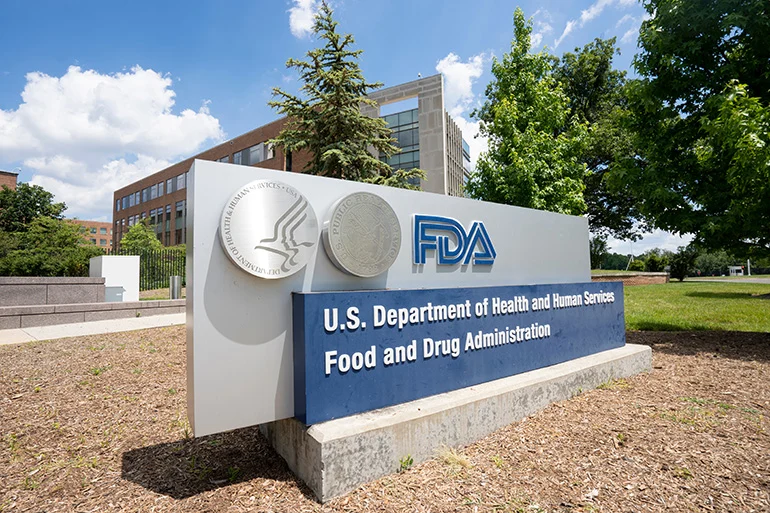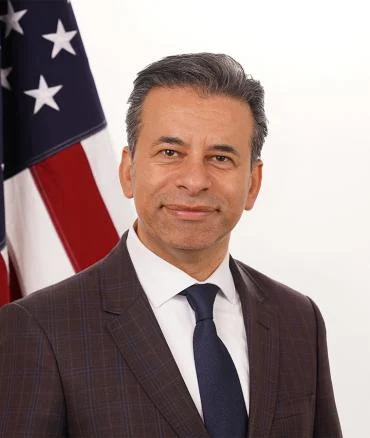
Marty Makary resigned on Tuesday as commissioner of the Food and Drug Administration, effective immediately, following weeks of escalating speculation that President Donald Trump was poised to terminate his tenure. The departure of Makary, a physician and public health researcher appointed to lead the pivotal regulatory agency, marks a significant moment of upheaval within the federal government’s health apparatus, already grappling with multiple leadership vacancies across key institutions. His resignation leaves a critical leadership vacuum at a time when the FDA is facing unprecedented challenges related to public health, drug approvals, and the politicization of scientific decision-making.
Escalating Tensions Over Flavored Vapes and Regulatory Independence
The immediate catalyst for Makary’s abrupt exit appears to stem from a protracted conflict with the White House over the regulation of fruit-flavored vaping products. According to multiple reports from sources close to the administration and regulatory circles, President Trump exerted considerable pressure on Commissioner Makary to authorize specific flavored e-cigarette products, notably those manufactured by Glas Inc. Makary, it is understood, resisted these directives, citing grave concerns about the widespread appeal of such products to adolescents and the potential for exacerbating the nation’s youth vaping epidemic.
Public health advocates have long warned about the dangers of flavored e-cigarettes, arguing that their attractive flavors — ranging from mango to mint — act as a gateway to nicotine addiction for underage individuals. Data from the Centers for Disease Control and Prevention (CDC) consistently show that flavored e-cigarettes are overwhelmingly preferred by young people who use vaping products. A 2023 National Youth Tobacco Survey, for instance, indicated that over 80% of middle and high school students who reported current e-cigarette use favored flavored products. The FDA, under Makary’s leadership, had initially taken steps to restrict the marketing and availability of certain flavored vapes in an effort to curb this trend. These measures were aligned with public health recommendations from organizations like the American Lung Association and the American Academy of Pediatrics, which have consistently called for comprehensive bans on flavored tobacco products to protect youth.
However, the administration’s priorities seemingly diverged from the public health consensus. Earlier this month, despite Makary’s reported reservations, the FDA approved two fruit-flavored vaping products, a decision that sent ripples of concern through public health organizations. This was swiftly followed last Friday by the issuance of a new FDA policy that critics contend will allow these and similar products to be more widely marketed, effectively undermining previous efforts to protect young people. This policy shift, coming just days before Makary’s resignation, is widely seen as a direct consequence of the political pressure he faced. Industry insiders suggested that powerful lobbying efforts by vape manufacturers and their allies within the administration played a significant role in this policy reversal, emphasizing economic benefits and adult consumer choice over youth protection.
"He’s a great doctor, and he was having some difficulty," President Trump cryptically told reporters on Tuesday afternoon, a statement that many interpreted as a veiled acknowledgement of the internal strife and policy disagreements that plagued Makary’s final weeks. This remark, while seemingly benign, underscored the profound ideological chasm between the scientific independence traditionally expected of the FDA commissioner and the administration’s often commerce-driven policy objectives. Consumer advocacy groups, such as the Campaign for Tobacco-Free Kids, swiftly condemned the policy reversal, stating that it "prioritized industry profits over child health," and called for a swift return to evidence-based regulation, warning of a potential surge in youth nicotine addiction.
A Tenure Defined by External Pressures and Internal Dissent
Makary’s departure, while precipitated by the vape controversy, was the culmination of a tenure marked by intense criticism from various political and ideological factions, reflecting the increasingly politicized landscape of public health and scientific regulation. His time at the helm was characterized by a constant balancing act between upholding the FDA’s scientific integrity and navigating the often-conflicting demands emanating from political operatives, advocacy groups, and the broader public.
The Abortion Pill Controversy: Mifepristone Under Scrutiny
One of the most persistent and vocal criticisms leveled against Commissioner Makary came from powerful anti-abortion groups, including Susan B. Anthony Pro-Life America. These organizations had actively campaigned for his removal, accusing him of "slow-walking" a crucial safety review of mifepristone, the medication commonly used for abortion. They argued that Makary’s FDA had been too permissive in its approach to the drug, particularly by allowing new generic versions to enter the market without what they deemed sufficient additional scrutiny. Pro-life advocates asserted that the FDA should have imposed stricter regulations, such as requiring in-person dispensing and additional follow-up visits, echoing calls for policies that would make medication abortion more difficult to access.
Mifepristone has a long history of safe and effective use, having been approved by the FDA in 2000. It is a cornerstone of medication abortion, which accounts for more than half of all abortions in the United States, with an estimated 5.6 million people having used it since its approval. The drug’s regulatory pathway has always included a Risk Evaluation and Mitigation Strategy (REMS) program to ensure its safe distribution. However, over the years, based on accumulating safety data and extensive clinical experience, the FDA has progressively eased some of these restrictions, including allowing mail-order dispensing in certain circumstances. Anti-abortion advocates, however, have consistently pushed for stricter regulations, often challenging the FDA’s scientific assessments and arguing for a complete ban or severe curtailment of access. The groups accused Makary of not only failing to implement their desired restrictions but also of tacitly enabling broader access by permitting generics, thereby expanding the supply and potentially lowering costs. This put Makary in a precarious position, caught between established scientific consensus on drug safety and intense political demands from a powerful interest group aligned with the administration. Reproductive rights organizations, conversely, lauded the FDA’s adherence to scientific evidence regarding mifepristone’s safety and efficacy, expressing concern that political interference could jeopardize access to essential healthcare.
The "Make America Healthy Again" Movement and Vaccine Policy
Simultaneously, Makary faced significant backlash from the "Make America Healthy Again" (MAHA) movement, a loosely organized but influential coalition characterized by its skepticism towards established medical science, particularly regarding vaccines. MAHA activists criticized Makary for what they perceived as his failure to remove mRNA vaccines from the market entirely, despite their widespread use and proven efficacy during the recent global pandemic. This critique came even as Makary’s administration had reportedly implemented certain restrictions on COVID-19 vaccines and allegedly blocked the publication of certain safety manuscripts – actions that, ironically, might have been intended to appease vaccine skeptics or reflect a cautious approach, but still fell short of MAHA’s maximalist demands.
The MAHA movement, often echoing sentiments heard in alternative health circles, advocates for a radical re-evaluation of public health policies, frequently questioning the safety and necessity of various vaccinations and promoting unproven alternative treatments. Their demands for a complete withdrawal of mRNA vaccines stand in stark contrast to the overwhelming scientific consensus from global health organizations and medical bodies affirming the vaccines’ safety and efficacy in preventing severe disease and death. Clinical trials and real-world data have demonstrated that mRNA vaccines significantly reduce the risk of severe COVID-19, hospitalization, and death, with adverse events being rare and mostly mild. Makary’s attempts to navigate this complex terrain, by seemingly restricting some vaccine-related information while not acceding to outright bans, highlight the impossible tightrope walk commissioners face when scientific integrity collides with highly politicized health narratives. Medical societies and infectious disease experts expressed frustration with the persistent misinformation propagated by groups like MAHA, emphasizing the importance of clear, evidence-based communication from federal health agencies.
Controversial Overhaul of Vaccine Approval Process
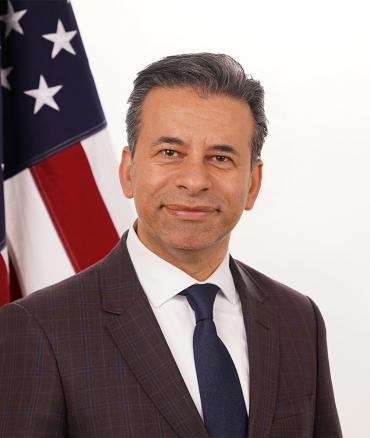
Adding another layer of controversy, Makary, in conjunction with Dr. Vinay Prasad, a prominent academic known for his critical perspectives on medical evidence and drug development, had reportedly initiated plans to overhaul the FDA’s approach to approving vaccines. Details of this proposed overhaul, though not fully disclosed, were rumored to involve potentially accelerated approval pathways, modified data requirements, and less stringent post-market surveillance for certain vaccine types. These suggestions sparked immediate alarm within the scientific community.
Former FDA commissioners and public health experts swiftly denounced the initiative, expressing profound concerns about the potential for compromising the rigorous, evidence-based standards that have historically underpinned the FDA’s vaccine approval process. Figures like Dr. Stephen Hahn, a previous FDA commissioner, and Dr. Robert Califf, who served in the role under two different administrations, voiced apprehensions that any significant deviation from established protocols could undermine public trust in vaccines and the FDA’s reputation as a gold standard regulatory body globally. They argued that a hasty or politically motivated "overhaul" could introduce unnecessary risks, potentially allowing less thoroughly vetted vaccines to reach the market, or conversely, creating bureaucratic hurdles for truly innovative and safe vaccines by politicizing the scientific review process. The perception was that Makary and Prasad’s plan risked politicizing what should remain an unequivocally scientific and public health-driven process, built on decades of regulatory experience and public trust.
A Whirlwind of Leadership Instability at the FDA
Makary’s resignation comes against a backdrop of unprecedented leadership instability and widespread organizational turmoil within the FDA, reflecting a broader trend across federal agencies during the Trump administration’s second term. During his relatively brief tenure, nearly all of the FDA’s senior career officials either resigned voluntarily or were reportedly forced out. This exodus of experienced leadership stripped the agency of invaluable institutional knowledge and expertise, hindering its operational effectiveness and long-term strategic planning. Data from government watchdogs indicated a 30% increase in senior staff turnover at the FDA compared to previous administrations, far exceeding the average for federal agencies.
Further compounding this instability was the aggressive intervention of the Department of Government Efficiency (DOGE), a new agency created by the administration with a mandate to streamline federal operations and reduce bureaucracy. DOGE reportedly removed thousands of positions across various federal agencies, including a significant number at the FDA, estimated to be over 15% of its scientific and regulatory staff. This drastic reduction in personnel, often targeting experienced scientists and regulatory specialists, raised serious concerns among public health experts about the agency’s capacity to fulfill its crucial mission of safeguarding public health, including drug safety, food inspection, and medical device oversight. Critics argued that DOGE’s actions were less about efficiency and more about consolidating political control and weakening regulatory oversight, particularly in areas deemed obstructive to business interests or ideologically unfavorable.
The Center for Drug Evaluation and Research (CDER), one of the FDA’s most critical divisions responsible for evaluating new drugs, epitomized this chaotic leadership environment. CDER saw an astonishing six different leaders in a single year under Makary’s commissionership. This rapid turnover at the helm of such a vital department inevitably led to policy inconsistencies, delays in drug reviews, and a demoralized workforce. The average time for new drug approvals reportedly increased by several weeks during this period, impacting pharmaceutical companies and, more importantly, patients awaiting life-saving treatments.
Among these short-lived appointments, Makary’s choice of George Tidmarsh to lead CDER proved particularly contentious. Tidmarsh was forced to resign after allegations surfaced that he had used his influential position for a personal vendetta, reportedly involving a dispute with a pharmaceutical company over a drug’s market approval. The scandal not only cast a shadow over Makary’s judgment but further eroded public confidence in the agency’s integrity. His successor, Rick Pazdur, a highly respected figure in oncology drug development known for his decisive leadership, lasted a mere three weeks before resigning due to what sources described as irreconcilable clashes with Makary over the direction and priorities of CDER, particularly regarding the balance between rapid innovation and rigorous safety standards. Such frequent and acrimonious departures at the highest levels of the agency underscored a profound internal dysfunction and a challenging working environment, leading to a palpable sense of uncertainty among remaining career staff.
Uncertain Future for Makary’s Initiatives and Broader Health Leadership
Makary’s sudden departure leaves the fate of several key programs and policy initiatives he championed hanging in the balance. Many of these programs, reportedly aimed at streamlining drug development, enhancing regulatory transparency, or fostering innovation in medical devices, have not yet undergone the arduous federal rulemaking process required to codify them into law. Without a permanent commissioner and with the current political climate, it is highly probable that these initiatives will either be abandoned, significantly altered, or indefinitely postponed, leading to further uncertainty for the pharmaceutical industry, medical technology developers, and the public who might have benefited from them. Projects requiring long-term strategic planning and consistent oversight are particularly vulnerable to such leadership voids.
His resignation also exacerbates an already critical leadership void across the nation’s public health infrastructure. The Centers for Disease Control and Prevention (CDC), another cornerstone of federal health efforts, currently lacks a permanent director, a surgeon general, and a dedicated vaccine chief. This constellation of vacancies at the highest echelons of public health leadership creates a precarious situation, potentially hampering the federal government’s ability to respond effectively to ongoing health challenges, emerging pandemics, or other public health crises. The lack of stable, confirmed leadership at these agencies undermines national and international confidence in America’s public health capabilities, making coordinated responses to complex health threats significantly more difficult.
Interim Leadership and the Path Forward
In the immediate aftermath of Makary’s resignation, Kyle Diamantas, an attorney with reported personal ties to Donald Trump Jr., has been appointed as the acting FDA commissioner. Diamantas is expected to step into Makary’s shoes to testify on May 13 at a crucial budget hearing before a congressional committee, where he will face intense scrutiny from lawmakers regarding the agency’s future direction, funding allocations, and its capacity to manage its diverse portfolio of responsibilities. His appointment, given his lack of direct scientific or medical background and his political connections, has already raised concerns among medical professionals, consumer advocates, and some members of Congress about the potential for further politicization of the FDA’s critical regulatory functions, especially at a time when scientific independence is paramount.
The search for a permanent replacement for Makary will undoubtedly be a contentious process. President Trump will need to nominate a candidate, who will then be subject to confirmation by the Senate. Given the highly charged political environment surrounding public health, drug regulation, and the FDA’s independence, identifying a candidate who can garner both scientific respect and political approval will be an immense challenge. The next commissioner will inherit an agency in flux, facing internal morale issues, external political pressures, and a public increasingly polarized on scientific matters. The choice will send a clear signal about the administration’s priorities for the FDA: whether it will prioritize scientific integrity and public health protection, or continue to bend to political and commercial interests. The implications for drug discovery, public health, and the future of regulatory science are profound, potentially shaping the health landscape for years to come.