A groundbreaking discovery by researchers at the University of Michigan has illuminated a previously unknown biological mechanism underlying the sensation of itch, particularly the kind triggered by light touch. The team, led by Associate Professor Bo Duan, has identified specialized neurons and fine, vellus-like hairs—akin to human peach fuzz—in mice that are directly responsible for generating touch-induced itch. This fundamental insight, detailed in the prestigious journal Neuron, promises to open entirely new avenues for understanding and, crucially, treating chronic itching conditions that afflict millions worldwide.
The Enigma of Itch: A Persistent Medical Challenge
Itch, or pruritus, is far more than a mere annoyance; it is a complex and often debilitating sensation distinct from pain, characterized by the desire to scratch. While acute itch serves a protective function, signaling the presence of irritants or parasites, chronic itch is a pervasive symptom in numerous dermatological, systemic, and neurological diseases. Conditions such as eczema (atopic dermatitis), psoriasis, chronic kidney disease, and neuropathies frequently present with relentless pruritus, significantly impairing patients’ quality of life, disrupting sleep, and leading to skin damage from incessant scratching.
Globally, chronic pruritus affects an estimated 10-20% of the population, with prevalence rates soaring in specific patient groups. For instance, up to 70% of individuals with atopic dermatitis experience chronic itch, and it is a leading cause of discomfort for elderly patients. The economic burden is substantial, encompassing healthcare costs, lost productivity, and the personal toll on mental health. Despite its widespread impact, the underlying mechanisms of many forms of chronic itch, especially those not directly caused by chemical irritants, have remained poorly understood, hindering the development of effective, targeted therapies.
Current treatments for itch often provide only symptomatic relief and are frequently ineffective for severe, persistent cases. Antihistamines, corticosteroids, and topical emollients are common first-line approaches, but their efficacy against non-histaminergic or mechanically induced itch is limited. This therapeutic gap underscores the urgent need for novel insights into the neurobiology of pruritus to identify new drug targets. The Michigan team’s research directly addresses this unmet need by unraveling a specific pathway for mechanical itch.
Unearthing a Hidden Sensory Pathway: The Michigan Breakthrough
The journey to this pivotal discovery began with Professor Bo Duan’s longstanding fascination with the elusive nature of itch. Duan, an associate professor in the Department of Molecular, Cellular and Developmental Biology at the University of Michigan, recognized that while humans and animals clearly experience touch-induced itch—a light brush against "peach fuzz" often provokes an itching sensation—the precise molecular and cellular underpinnings had remained a mystery.
Chronology of Discovery:
- Historical Observations: For over a century, scientists had made sporadic observations about the "special" nature of vellus-like hairs in mice, noting their concentration around sensitive areas like the mouth, ears, and paw bases. However, these fine hairs, distinct from thicker terminal hairs, were largely overlooked in sensory science, their role in specific sensations remaining underexplored.
- Initiation of Research: Professor Duan’s lab embarked on a dedicated effort to investigate the mechanisms of mechanical itch, building upon earlier work that had begun to map how itch signals are transmitted through the nervous system.
- Methodological Innovation: A significant challenge was the lack of standardized procedures to study mechanical itch in mice. As Duan quipped, "A mouse can’t say that it’s itchy, but it will scratch." To overcome this, the team meticulously developed novel methods. They devised a technique involving a small loop of thread to gently stroke the vellus-like hairs of mice, eliciting a consistent scratching response. This allowed them to quantify and analyze the itch behavior.
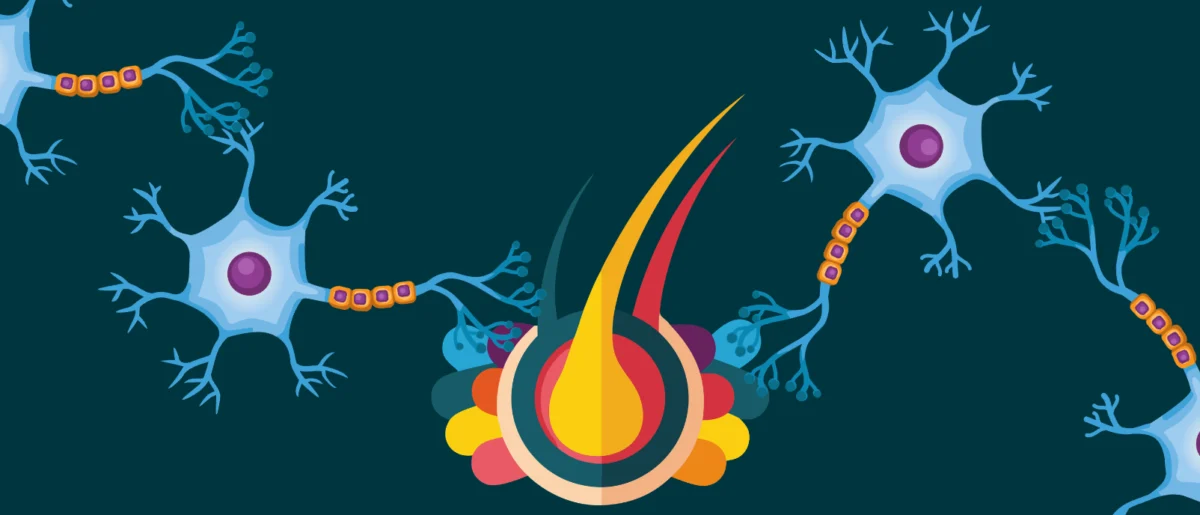
- Identification of Key Players: Through rigorous experimentation using mouse models, the researchers identified a previously unrecognized class of vellus-like hairs and, critically, a specialized population of touch-sensitive neurons directly connected to these hairs. These neurons act as dedicated conduits for transmitting mechanical itch signals.
- Validation through Optogenetics: To definitively confirm the role of these specific neurons, the team employed optogenetics, a cutting-edge technique that uses light to control genetically modified cells. They engineered the identified neurons to be sensitive to blue light. When blue light was shone on the mice’s skin, activating these neurons, the animals exhibited the same scratching behavior as with mechanical stimulation, unequivocally confirming the neurons’ direct involvement in generating itch.
- Publication: The comprehensive findings of this multi-year effort, supported in part by funding from the National Institutes of Health (NIH), were published in the esteemed journal Neuron, marking a significant advancement in somatosensory neuroscience.
Experimental Evidence and Human Parallels
The team’s experiments provided compelling evidence for the crucial role of this newly identified pathway. In one key set of experiments, mice engineered to model chronic skin inflammation—a condition akin to human eczema—were studied. When these mice possessed the specialized touch-sensitive neurons, they exhibited expected scratching behaviors in response to mechanical stimulation. However, in mice where these neurons were either genetically absent or pharmacologically inactivated, the itching response was dramatically reduced. This direct link between the neurons and the itching sensation in a disease model highlights the clinical relevance of the discovery.
Professor Duan emphasized the significance, stating, "Itch is one of the major symptoms in most chronic skin inflammation patients. What we’ve discovered is a pathway that we believe plays a very important role for both acute and chronic itch sensation." This statement underscores the potential for this finding to address a critical aspect of chronic dermatological conditions where existing treatments often fall short.

While direct experimentation on human sensory pathways in this manner is ethically and practically challenging, the Michigan team has already begun building a strong case for the human relevance of their findings. They discovered that humans possess the genes necessary to produce these specific touch-sensitive neurons. Furthermore, they identified particular proteins in mice that facilitate the transmission of the itch signal from the vellus-like hairs, through the specialized neurons, and onwards to the spinal cord. Intriguingly, human neurons grown in laboratory cultures were found to respond to these same proteins.
"Our study indicates that humans may have this same kind of mechanism to transmit mechanical itch," Duan noted, adding, "It also reveals that the body has a dedicated system for this type of sensation." This strongly suggests that the pathway identified in mice could have a direct counterpart in humans, offering a powerful new target for therapeutic intervention.
Evolutionary Context and the Gating Mechanism
The researchers also explored the potential evolutionary significance of these sensitive vellus hairs. Peach fuzz and similar fine hairs are found in higher concentrations around the mouths and ears of both humans and mice. This anatomical distribution led Duan to hypothesize that these hairs might have evolved as a sophisticated warning system. By detecting the light touch of pests or parasites attempting to access vulnerable orifices, this system could trigger an immediate itch and subsequent scratching, thereby helping mammals to dislodge potential threats before they can cause harm or transmit disease.
However, if our bodies are largely covered in vellus hair (with exceptions like the palms and soles), why are we not constantly plagued by incessant itching? Professor Duan’s earlier research provides an elegant explanation: the presence of "gating" circuits within the spinal cord. These complex neural circuits act as sophisticated filters, essentially blocking the mechanical itch signal unless it is activated in a specific, perhaps intense or persistent, manner. This gating mechanism ensures that only relevant or potentially harmful mechanical stimuli trigger an itch response, preventing sensory overload from benign daily interactions. This dual system—a highly sensitive detection mechanism coupled with a regulatory gating system—highlights the intricate biological controls governing our sensory experiences.
Broader Impact and Future Implications
The discovery of a dedicated pathway for mechanical itch carries profound implications for the development of future treatments for chronic pruritus. Existing therapies primarily target chemical itch mediators, such as histamine. However, many chronic itch conditions, particularly those associated with inflammatory skin diseases like eczema, are poorly responsive to these treatments. This suggests that mechanical itch plays a significant, perhaps underestimated, role in their pathophysiology.
"We need a new pathway to target if we want to treat chronic itch," Duan asserted, expressing optimism for the future. "And our research suggests that this population of neurons could be a target in the future. We have ongoing projects looking at this."
The identification of these specific neurons and the proteins involved in signal transmission provides concrete targets for pharmaceutical development. Researchers can now focus on designing drugs that selectively modulate the activity of these neurons—either inhibiting them to reduce itch or, in other contexts, enhancing their sensitivity. This precision targeting holds the promise of more effective treatments with fewer side effects compared to broad-acting anti-itch medications.
Furthermore, this research is expected to galvanize further studies across multiple disciplines:
- Neuroscience: Deeper exploration of the neural circuits in the spinal cord and brain that process mechanical itch signals.
- Dermatology: A better understanding of how inflammatory conditions interact with these mechanical itch pathways.
- Pharmacology: Development of novel compounds that specifically interact with the identified proteins or neuron populations.
- Genetics: Investigation into genetic variations that might predispose individuals to heightened mechanical itch sensitivity.
Ultimately, this breakthrough from the University of Michigan represents a significant leap forward in our understanding of one of the most common and distressing symptoms in medicine. By unraveling the hidden biology of how a simple touch can evolve into a persistent itch, scientists are now poised to develop truly innovative therapies that could dramatically improve the lives of millions suffering from chronic pruritus, transforming their daily experience from one of relentless discomfort to newfound relief.