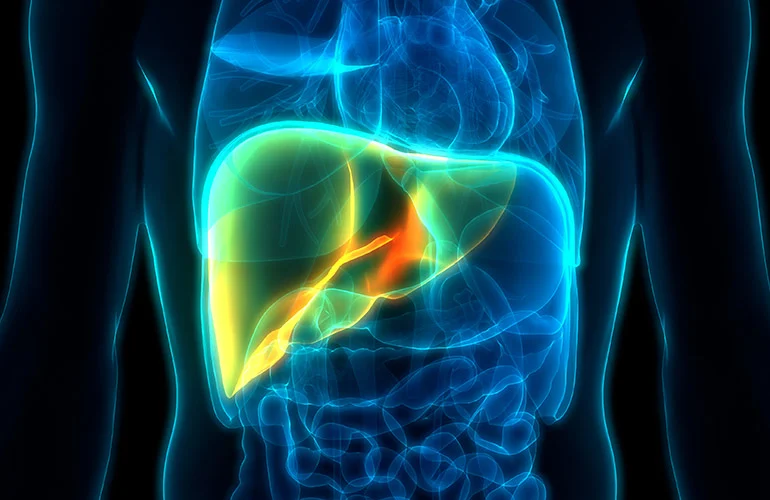
Neeraja Balachander, who oversees Boehringer Ingelheim’s extensive cardio-renal-metabolic portfolio, articulated the company’s ambitious vision. “We have a program in MASH, in the liver, the LIVERAGE program, plus a robust data-generation program to come over the next couple of years, because we want to bring a comprehensive package for metabolic health,” she stated, underscoring the company’s commitment to a holistic approach. The LIVERAGE program represents Boehringer Ingelheim’s pivotal Phase 3 clinical trial initiative, focusing on adults diagnosed with MASH and significant liver fibrosis, an advanced stage of the disease that carries substantial risk.
Survodutide’s Journey: From Obesity to Liver Health
While MASH is emerging as a critical therapeutic target, survodutide’s primary clinical spotlight initially shone on its efficacy in treating obesity. The recent publication of results from the SYNCHRONIZE-1 trial, a 76-week Phase 3 study, in The New England Journal of Medicine on June 7, marked a significant milestone. This trial enrolled 725 adults living with obesity but without diabetes and demonstrated survodutide’s robust weight-loss capabilities. The dual agonist successfully met both its primary endpoints. Participants receiving the higher 6.0-mg dose achieved an average body weight reduction of 13.0% under the trial’s primary analysis, a stark contrast to the 5.4% observed in the placebo group. Furthermore, a remarkable 71.9% of those on the 6.0-mg dose experienced at least a 5% reduction in their initial body weight, a threshold often associated with clinically meaningful health benefits. These results firmly establish survodutide’s credentials in the highly competitive obesity treatment landscape, currently dominated by other incretin-based therapies.
However, Boehringer Ingelheim’s strategy extends beyond mere weight reduction. The company views these initial obesity readouts as a foundational step, with deeper implications for metabolic health, particularly liver disease. At the 2026 American Diabetes Association (ADA) Scientific Sessions, the company unveiled compelling liver-fat reduction data from the SYNCHRONIZE-1 trial. Balachander noted, “This is just our first tranche of [survodutide] data coming out at ADA.” These results indicated that survodutide reduced liver fat by an impressive margin, reaching up to 63.1%. Complementing this, data from the separate SYNCHRONIZE-MASLD trial revealed that approximately 6 out of 10 patients achieved liver fat normalization after 48 weeks of treatment. This normalization of liver fat is a critical endpoint, as excessive fat accumulation is the initiating event in the progression from MASLD to MASH.
The Evolving Landscape of MASH Drug Development
For many years, the field of MASH drug development was characterized by repeated failures and significant disappointments in late-stage clinical trials, earning it the grim moniker of a "graveyard for drug discovery." Companies like Gilead Sciences saw their selonsertib miss Phase 3 endpoints in advanced fibrosis and compensated cirrhosis. Genfit’s elafibranor similarly failed its interim analysis in the Phase 3 RESOLVE-IT trial, leading to its discontinuation. Intercept Pharmaceuticals’ obeticholic acid, despite showing some promise, faced a second FDA rejection, ultimately leading the company to pivot away from MASH. These setbacks highlighted the profound complexity of MASH pathophysiology and the challenges in developing effective, safe, and well-tolerated treatments.
However, this arduous journey has recently seen a significant turning point, injecting renewed optimism into the field. The regulatory landscape has shifted dramatically with the advent of the first FDA-approved therapies for MASH. In March 2024, Madrigal Pharmaceuticals’ Rezdiffra (resmetirom), an oral thyroid hormone receptor-beta (THR-β) agonist, made history by becoming the first FDA-approved treatment specifically for MASH/NASH with moderate-to-advanced fibrosis. This approval was a landmark event, providing patients with a much-needed therapeutic option and validating years of research. Following closely, in August 2025, the FDA granted accelerated approval to Novo Nordisk’s Wegovy (semaglutide) for adults with noncirrhotic MASH and moderate-to-advanced fibrosis. This marked the first GLP-1 receptor agonist to be cleared for the condition, albeit contingent on confirmatory evidence from ongoing trials. These approvals signal a new era for MASH patients and intensify the competition among pharmaceutical companies vying for a share of this potentially lucrative market.
The Scientific Imperative: Understanding MASH
Balachander’s perspective on the scientific allure of MASH begins with what she calls "medicine 101." The liver, as the largest internal organ, possesses a remarkable capacity for regeneration. Furthermore, fibrosis in the liver, which is the scarring that occurs in response to damage and inflammation, is, to some extent, reversible. This intrinsic regenerative potential offers a powerful rationale for therapeutic intervention, suggesting that if the underlying drivers of damage can be mitigated, the liver has a chance to heal.
MASH is now understood as a complex, metabolically driven process. It starts with the accumulation of fat in the liver (steatosis), often linked to insulin resistance, obesity, and type 2 diabetes. This fat accumulation, if unchecked, can lead to lipotoxicity, oxidative stress, and hepatocyte injury. The injured hepatocytes then trigger an inflammatory response, attracting immune cells that further exacerbate damage and initiate fibrotic signaling pathways. This chronic inflammation and subsequent scarring can ultimately progress to cirrhosis, liver failure, and even hepatocellular carcinoma, necessitating liver transplantation.
Survodutide’s Mechanism: A Dual-Action Advantage
Survodutide stands apart from many existing obesity drugs by virtue of its dual agonist mechanism. While one component targets the glucagon-like peptide-1 (GLP-1) receptor, placing it in the same class as popular incretin mimetics like semaglutide and tirzepatide, the second critical component targets the glucagon receptor. This dual targeting is central to its potential efficacy in MASH.
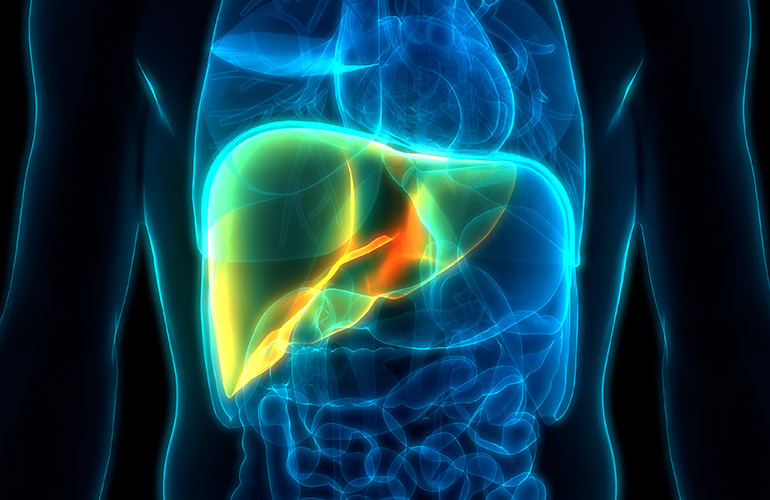
The GLP-1 component of survodutide exerts its well-documented metabolic benefits: enhancing glucose-dependent insulin secretion, slowing gastric emptying, reducing appetite, and promoting weight loss. These actions collectively contribute to improved glycemic control and overall metabolic health, which are crucial for MASH patients who frequently have co-existing conditions like type 2 diabetes and obesity.
The glucagon component, however, offers a distinct advantage, particularly for liver health. While glucagon is traditionally known for its role in raising blood glucose levels by stimulating hepatic glucose production, glucagon receptor agonism in the context of a dual agonist can paradoxically lead to beneficial metabolic effects. Glucagon receptors are predominantly found on the liver, pancreas, kidney, lungs, and heart. Activation of glucagon receptors in the liver by survodutide is thought to increase energy expenditure, promote the breakdown of stored fat in the liver (lipolysis), and reduce hepatic steatosis. This mechanism directly addresses the root cause of MASH – the accumulation of fat that distorts the organ’s architecture and invites inflammation.
Balachander elaborated on the mechanistic case, linking it to the foundational metabolic dysfunction of insulin resistance. “It’s very interesting, because the insulin resistance triggers another point,” she explained. “In MASH, people have found glucagon resistance: the body produces glucagon but somehow it doesn’t act on the liver.” This impaired signaling of endogenous glucagon, she suggests, appears to be a key reason why patients with MASLD accumulate fat within their organs. By acting as an exogenous glucagon receptor agonist, survodutide aims to bypass this resistance, restore proper signaling, and facilitate the metabolic pathways necessary for liver fat reduction and improved hepatic health.
Shifting Paradigms: Targeting Upstream Triggers
One of the most significant shifts in MASH research and drug development has been the evolution of therapeutic targets. Early efforts, which often met with failure, focused on the downstream consequences of MASH, such as inflammation and fibrosis. As Balachander noted, "we almost came late to the game." The prevailing strategy now involves moving "more upstream," asking why inflammation occurs in the first place. "I think that’s behind some of the success in MASH drug discovery," she affirmed. This reframing stems from a growing recognition that the inflammation and subsequent fibrosis are not isolated events but rather consequences of deeper, underlying metabolic triggers.
Reviews of MASH pathophysiology consistently support this "upstream" perspective, describing the disease as a metabolically driven process. Excess fatty acids and toxic lipid intermediates can promote hepatocyte stress, activate macrophages (leading to inflammation), and initiate fibrotic signaling pathways. By targeting these metabolic derangements, therapies like survodutide aim to interrupt the cascade of events that leads to severe liver damage.
This connection points toward a more targeted and nuanced future for metabolic drugs. The space has already undergone significant transformation since 2021, when semaglutide received its landmark approval for obesity. "Now, there are multiple mechanisms competing even in the obesity space, and that’s going to have a big downstream effect on how we look at targeted mechanisms beyond just weight loss," Balachander predicted. The shift could move from simply measuring "number of pounds lost" to evaluating "quality weight loss," implying a focus on improvements in body composition, metabolic health markers, and organ-specific benefits, such as those observed in the liver.
Broader Implications and Future Outlook
Boehringer Ingelheim’s intensified focus on MASH with survodutide carries significant implications for patients, the pharmaceutical industry, and global public health. MASH represents a substantial and growing unmet medical need, affecting millions worldwide, often silently progressing until advanced stages. The economic burden associated with MASH, including healthcare costs for managing complications, liver transplantation, and lost productivity, is immense. Effective treatments could dramatically alter the disease trajectory, preventing progression to cirrhosis, liver failure, and hepatocellular carcinoma, thereby improving patient quality of life and reducing healthcare expenditures.
The emergence of diverse therapeutic mechanisms – from Madrigal’s THR-β agonist to Novo Nordisk’s GLP-1 agonist and Boehringer Ingelheim’s GLP-1/glucagon dual agonist – indicates a robust and competitive market. Each mechanism offers a unique approach to addressing the multifaceted pathology of MASH. Survodutide’s dual agonism could potentially offer a broader spectrum of benefits, combining the weight loss and glycemic control of GLP-1 with the direct hepatic fat-reducing effects of glucagon receptor activation. This comprehensive metabolic improvement could be a key differentiator in a crowded field.
Furthermore, the industry’s increasing understanding of MASH underscores the need for improved diagnostic tools. Non-invasive methods for accurately diagnosing MASH and staging fibrosis are crucial for identifying patients who would benefit most from these new therapies and for monitoring treatment efficacy. The ongoing LIVERAGE program will provide further crucial data on survodutide’s long-term impact on MASH progression and fibrosis resolution, which are critical for full regulatory approval and widespread adoption.
In conclusion, Boehringer Ingelheim’s strategic investment in survodutide for MASH marks a pivotal moment in the fight against metabolic liver disease. Leveraging its unique GLP-1/glucagon dual agonist mechanism, survodutide aims to address the upstream metabolic dysfunctions that drive MASH, moving beyond symptomatic treatment to a more holistic approach to metabolic health. With promising clinical data already emerging from its SYNCHRONIZE program and the ambitious LIVERAGE program underway, Boehringer Ingelheim is poised to play a significant role in reshaping the therapeutic landscape for MASH, offering renewed hope for millions of patients worldwide. The coming years will undoubtedly see intensified competition and continued innovation as pharmaceutical companies strive to deliver comprehensive solutions for this pervasive and challenging condition.