In a discovery that challenges over a century of biological dogma, researchers at Stanford Medicine have identified that glucose—the primary sugar used by nearly every living organism for fuel—plays a far more sophisticated role in the body than previously understood. Long categorized simply as the "gasoline" that powers cellular machinery, glucose has now been revealed to act as a master regulator of tissue differentiation. This process is the critical biological sequence by which generic stem cells transform into specialized cells, such as those forming the skin, bone, and blood.
The study, published online in the journal Cell Stem Cell, demonstrates that glucose does not exert this regulatory influence through its traditional metabolic pathway—the process of catabolism, where it is broken down to release chemical energy. Instead, glucose acts as a signaling molecule in its intact form. By binding directly to specific proteins, glucose alters their shape and function, effectively dictating which genes are activated or silenced within the genome. This "undercover" life of glucose suggests that the sugar is not just a passive resource but an active architect of human development and tissue maintenance.
The Serendipitous Shift in Biological Understanding
The discovery was led by Paul Khavari, MD, PhD, the Carl J. Herzog Professor and chair of dermatology at the Stanford School of Medicine, and research scientist Vanessa Lopez-Pajares, PhD. The team did not set out to study glucose; rather, they were searching for the molecular drivers that command stem cells to become mature tissue.
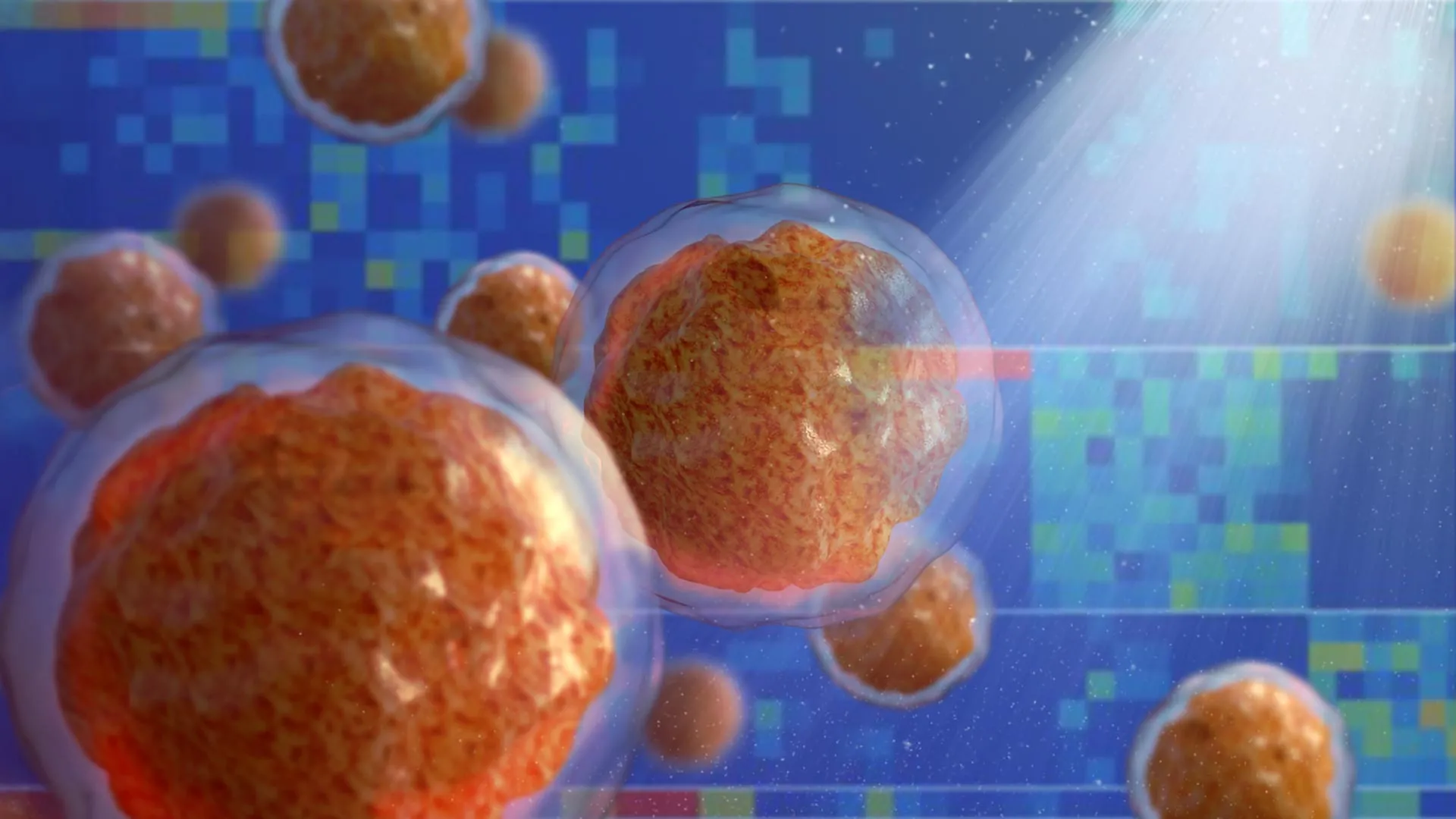
Using human skin stem cells as their primary model, the researchers employed a sophisticated combination of mass spectrometry and high-throughput screening. They tracked the fluctuations of thousands of different biomolecules as skin stem cells transitioned into mature keratinocytes—the cells that comprise the protective outer layer of human skin. The team operated under the hypothesis that molecules which spiked in concentration during this transition were likely candidates for driving the differentiation process.
When the data returned, the results were counterintuitive. Glucose appeared at the very top of the list of molecules that increased in abundance. Under standard biological assumptions, glucose levels should have dropped as the cells differentiated. Mature keratinocytes divide less frequently than stem cells and generally have lower energy requirements as they approach their final life stages. The observation that glucose levels surged precisely when the cells were maturing was so unexpected that the research team spent several years conducting follow-up experiments to verify the findings.
"At first we just didn’t believe it," said Dr. Khavari, who is also a member of the Stanford Cancer Institute. "But the results of extensive follow-up experiments were clear: Glucose interacts with hundreds of proteins throughout the cell and modulates their function to promote differentiation."
Decoupling Energy from Signaling
To ensure that the increase in glucose was not merely a byproduct of increased energy consumption, the researchers utilized a variety of advanced tracking methods. They introduced fluorescent and radioactive glucose analogs into the cells, allowing them to visualize the sugar’s movement in real-time. They also utilized biological sensors that emit green or red light when they encounter specific concentrations of glucose.
As the skin cells moved toward differentiation, the intensity of the light from these sensors increased, confirming a significant rise in internal glucose concentrations. Crucially, the researchers found that this spike was caused by a two-pronged cellular strategy: the cells increased the production of transport proteins to bring more glucose in from the outside while simultaneously decreasing the rate at which glucose was exported.
The most definitive proof of glucose’s role as a signal came when the team experimented with human skin organoids—engineered tissues grown in a laboratory to mimic the structure of native human skin. When these organoids were grown in environments with low glucose, they failed to differentiate properly, resulting in disorganized and dysfunctional tissue. However, when the researchers provided the cells with a glucose analog that the cells could not break down for energy, the differentiation process resumed normally.
This experiment proved that the physical presence of the glucose molecule, rather than the energy derived from its destruction, was the catalyst for tissue formation. It revealed a hidden layer of cellular communication where a common metabolite serves as a broadcast signal for structural change.
The "Fire Alarm" Mechanism: How Glucose Shapes the Genome
The study identified the specific mechanism by which glucose influences gene expression. The researchers discovered that once glucose levels rise within a cell, the sugar binds to hundreds of different proteins. One of the most significant targets is a protein known as IRF6 (Interferon Regulatory Factor 6).
IRF6 is a well-known transcription factor—a protein that controls the rate of transcription of genetic information from DNA to messenger RNA. When glucose binds to IRF6, it induces a conformational change, essentially "flipping a switch" that allows the protein to influence the expression of over 3,000 genes. Many of these genes are responsible for the structural proteins and enzymes that define mature skin tissue.
Dr. Khavari likened this process to a "broadcast signal" rather than a localized conversation. "When glucose levels rise in a cell, they rise everywhere, all at once," he explained. "It’s like a fire alarm going off in a firehouse. Everyone in the firehouse activates in response." This global signaling ensures that the entire cell coordinates its transition from a stem cell to a specialized cell simultaneously, preventing the formation of hybrid or malformed tissues.
Implications for Diabetes and Regenerative Medicine
The revelation that glucose is a master regulator has immediate and profound implications for the study of diabetes. In patients with diabetes, blood glucose levels are chronically elevated, a condition known as hyperglycemia. While the metabolic dangers of high blood sugar are well-documented, this study suggests that there may be a secondary, structural danger.
Excessive glucose may interfere with the natural "rhythm" of tissue differentiation. This provides a potential explanation for why diabetic patients often suffer from impaired wound healing and poor tissue regeneration. If the "fire alarm" of glucose is constantly ringing at high volumes, the cells may become desensitized, or the differentiation process may be triggered prematurely or incorrectly, preventing the body from effectively repairing skin and other tissues.
Furthermore, the study sheds light on embryonic development. Previous research had noted that embryonic stem cells lose their "stemness"—their ability to become any cell type—when exposed to high glucose levels. The Stanford findings suggest that this happens because the high glucose is essentially forcing the stem cells to "choose a career" and differentiate before they are ready, effectively depleting the body’s reservoir of versatile cells.
A New Perspective on Cancer Therapy
The findings also offer a new lens through which to view oncology. Cancer is frequently described as a disease of "failed differentiation." Malignant tumors are often composed of cells that have regressed to an immature, undifferentiated state, allowing them to divide rapidly and uncontrollably.
Historically, some glucose analogs have been tested in cancer trials with the goal of "starving" the tumor by blocking its energy supply. However, the Stanford study suggests that these analogs might actually be working through a different mechanism: by mimicking glucose and binding to proteins like IRF6, they may be forcing immature cancer cells to differentiate. Once a cell differentiates into a mature state, it typically stops dividing. This "differentiation therapy" could represent a way to neutralize cancer cells without necessarily killing them, potentially reducing the toxicity associated with traditional chemotherapy.
Chronology and Scope of the Research
The research journey began several years ago when Khavari and Lopez-Pajares first noticed the anomalous glucose spikes in their mass spectrometry data. Given the weight of the discovery, the team expanded their scope beyond skin cells to ensure the phenomenon was universal.
They investigated various human cell types, including those destined to become fat (adipocytes), bone (osteoblasts), and white blood cells (leukocytes). In every instance, the transition from a progenitor cell to a mature cell was preceded by a significant rise in internal glucose. To confirm these findings in a living system, they utilized mice genetically engineered with fluorescent glucose sensors, which showed the same patterns of glucose accumulation during tissue development in vivo.
The study, which received funding from the National Institutes of Health (NIH) and the U.S. Department of Veterans Affairs, represents a multi-year effort to validate a "serendipitous" finding that many in the field might have dismissed as an error.
Conclusion: Redefining the Passive Molecule
The Stanford Medicine study serves as a springboard for a new field of metabolic signaling. For decades, the scientific community viewed small biomolecules like glucose, amino acids, and lipids as passive building blocks or fuel sources. This research provides compelling evidence that these molecules are active participants in the regulatory hierarchy of the cell.
"This is an entirely new and growing field," Khavari noted. "People have thought that small biomolecules like glucose were quite passive in the cell. This is another piece of evidence to pay close attention to other roles these molecules might play."
As researchers move forward, the focus will likely shift to identifying other metabolites that may hold "double lives" as signaling molecules. The discovery that the most common sugar in the human body is also one of its most powerful genetic switches opens the door to novel treatments for metabolic disorders, regenerative medicine, and oncology, marking a new chapter in our understanding of the chemical language of life.