A groundbreaking study led by the University of California, Riverside (CA, USA) has demonstrated that a novel gene therapy successfully restored normal brain activity and improved behavior in a mouse model of Fragile X syndrome (FXS). These findings, published in Molecular Therapy Nucleic Acids, mark a significant advancement in the quest to address the underlying cause of FXS, rather than merely managing its symptoms, and could potentially pave the way for treatments for other genetic neurodevelopmental disorders. The research, which utilized a modified adeno-associated virus to deliver a healthy human version of the FMR1 gene, offers a beacon of hope for individuals and families grappling with this complex condition.
Understanding Fragile X Syndrome: A Pervasive Neurodevelopmental Challenge
Fragile X syndrome stands as the most common inherited cause of intellectual disability and is a leading monogenic cause of autism spectrum disorder, affecting approximately 1 in 4,000 males and 1 in 8,000 females worldwide. Its prevalence within the autism community is notable, accounting for an estimated 2-3% of all autism diagnoses. FXS is characterized by a spectrum of developmental and behavioral challenges, including intellectual disability, learning difficulties, anxiety, hyperactivity, attention deficits, and distinctive physical features. Individuals with FXS often exhibit social communication difficulties, repetitive behaviors, and sensory sensitivities, mirroring many aspects of autism. The condition also frequently co-occurs with other medical issues such as seizures, sleep disorders, and connective tissue problems.
At its core, FXS is a single-gene disorder caused by a mutation in the FMR1 gene located on the X chromosome. Specifically, it involves an expansion of a CGG trinucleotide repeat sequence within the FMR1 gene. In unaffected individuals, this repeat typically occurs fewer than 45 times. However, in those with FXS, the CGG segment expands to more than 200 repeats. This extensive expansion leads to the methylation of the gene, effectively silencing it and preventing the production of Fragile X messenger ribonucleoprotein (FMRP). FMRP is a crucial protein abundantly expressed in the brain, playing a vital role in synaptic plasticity – the ability of synapses to strengthen or weaken over time in response to activity – which is fundamental for learning and memory.
As Iryna Ethell, the senior author of the paper and a professor of biomedical sciences in the University of California, Riverside School of Medicine, eloquently explained, "In a typical brain, FMRP acts like a brake or a volume control." Without this essential protein, neural circuits become dysregulated, exhibiting hyperexcitability and reduced efficiency. This imbalance contributes significantly to the myriad of developmental and behavioral challenges observed in individuals with FXS. The absence of FMRP disrupts the delicate balance of protein synthesis at synapses, leading to impaired communication between brain cells and ultimately affecting cognitive function, emotional regulation, and social interaction. The profound impact of FMRP deficiency underscores the critical need for therapeutic interventions that can restore its function.
A Novel Gene Therapy Approach: Restoring FMRP Production
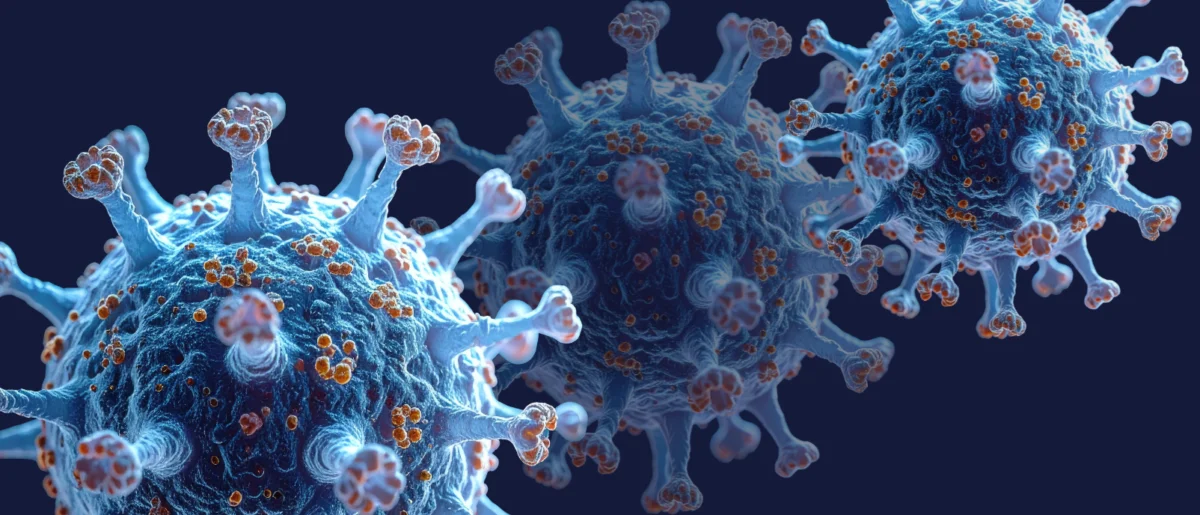
The innovative gene therapy developed by Ethell and her team sought to directly address the root cause of FXS by reintroducing a functional copy of the FMR1 gene. The strategy involved utilizing a modified adeno-associated virus (AAV9) as a delivery vehicle. AAVs are widely recognized in gene therapy for their ability to safely and efficiently transport genetic material into cells, particularly neurons, due to their low immunogenicity and capacity for sustained gene expression. The specific serotype, AAV9, was chosen for its known neurotropism, meaning its propensity to target and infect neural cells, making it an ideal candidate for central nervous system (CNS) gene delivery.
The therapeutic construct carried a healthy human version of the FMR1 gene, specifically isoform 7, which is one of the most abundant and functionally critical forms of the protein in the brain. This construct was ingeniously engineered by Neurogene Inc. (NY, USA) and included specific regulatory elements designed to ensure that FMRP production remained within a normal, physiological range, preventing potential complications from overexpression.
The therapy was administered to newborn mice lacking FMRP, serving as a well-established preclinical model for FXS. Researchers delivered either a low or high dose of the AAV9 vector shortly after birth. This timing was deliberately chosen to coincide with an early developmental period when the mouse brain, much like the human brain, is still highly plastic and undergoing rapid formation of neural circuits. Ethell emphasized the significance of this window, stating, "The developing brain has critical windows when neural circuits are still being formed. Our findings suggest that restoring FMRP during those windows may allow the brain to develop more normally." This concept of critical periods in brain development is a cornerstone of neurodevelopmental research, suggesting that early intervention can have the most profound and lasting impact.
Remarkable Reversal of Deficits: Key Findings in Mice
The results of the study were highly encouraging, particularly with the high-dose treatment. Treated mice exhibited a significant reversal of FXS-related deficits across multiple domains, encompassing both neurological activity and behavioral responses.
Electrophysiological analyses revealed normalized gamma brain-wave activity. Gamma oscillations are high-frequency brain waves associated with higher-order cognitive functions such as attention, perception, and memory. Disruptions in gamma activity are a common feature in FXS and other neurodevelopmental disorders, indicating impaired neural processing. The restoration of normal gamma waves suggests an improvement in fundamental brain circuit function. Concurrently, the researchers observed a reduction in background neural noise, further indicating a more efficient and less chaotic neural environment.
Behaviorally, the improvements were equally striking. Treated mice showed enhanced responses to sound, indicating improved sensory processing. Their exploratory behavior normalized, moving closer to that of healthy controls, suggesting a reduction in anxiety or hypervigilance often seen in FXS models. Crucially, social interactions, a hallmark deficit in FXS and autism, were significantly strengthened, demonstrating the therapy’s potential to address core social communication challenges.
One particularly insightful test measured cognitive flexibility using probabilistic reversal learning. This task requires animals to adapt their strategy when the rules of a rewarded behavior change. As Ethell explained, "Fragile X mice tend to persist with an old solution even after the rules change." This perseverance, or difficulty with set-shifting, is a common cognitive challenge in FXS. Following treatment, the mice showed marked improvements in this area, performing similarly to mice with normal FMR1 function, highlighting a significant restoration of adaptive learning capabilities.

The study also underscored the importance of broad distribution of the therapy throughout the brain. While some low-dose animals showed benefits if they produced sufficient FMRP levels in key areas, the high dose consistently delivered more widespread therapeutic effects by reaching a larger portion of the brain. This suggests that for complex neurological disorders like FXS, a comprehensive and robust delivery across neural networks may be essential for optimal outcomes.
The Paradigm Shift: From Symptom Management to Root Cause
The current landscape of FXS treatment primarily focuses on managing the diverse array of symptoms that arise from the absence of FMRP. These symptomatic therapies include pharmacologics to address anxiety, attention difficulties, hyperactivity, and seizures, as well as extensive behavioral therapies, educational support, and occupational therapy. While these interventions are invaluable in improving the quality of life for individuals with FXS and their families, they do not address the fundamental genetic defect.
This gene therapy approach represents a profound paradigm shift. By aiming to restore the production of the missing FMRP, it targets the very genesis of the disorder. Ethell articulated this distinction clearly: "For many years, treatments have focused on reducing the consequences of losing FMRP. What makes this approach exciting is that it targets the root cause of the condition itself." This shift from palliative care to disease modification is a long-sought goal in genetic medicine.
It is important to note that this therapy does not repair the original mutated FMR1 gene. Instead, it introduces a functional, exogenous copy of the gene into brain cells, allowing them to produce the necessary FMRP. This strategy is common in gene augmentation therapies and offers a direct way to compensate for the genetic deficiency. The ability to restore a crucial protein like FMRP, which is involved in such a wide array of neuronal functions, holds the promise of ameliorating the cascade of downstream effects that contribute to FXS pathology.
Navigating the Path Forward: Challenges and Future Directions
Despite the promising preclinical results, Ethell prudently cautioned that the research remains at an early stage. "This was a study in mice, and human brains are much larger and more complex," she stated. Translating findings from murine models to human physiology is a significant hurdle in drug development, requiring rigorous validation and careful consideration of species-specific differences in brain size, architecture, and developmental timelines.
A primary challenge lies in developing delivery methods that can safely achieve broad and effective distribution throughout the much larger human brain. The current study utilized direct brain injections, an invasive procedure that, while effective in mice, is not practical or desirable for widespread clinical application in humans. Future studies will concentrate on developing versions of the therapy that can be administered intravenously. This non-invasive approach would significantly enhance the clinical feasibility and scalability of the treatment.
Interestingly, the researchers anticipate that intravenous administration of the AAV9 vector will not be limited by the blood-brain barrier (BBB). The BBB is a highly selective semipermeable border that protects the brain from circulating pathogens and toxins, often posing a formidable obstacle for drug delivery to the CNS. However, certain AAV serotypes, including AAV9, have demonstrated a remarkable ability to cross the BBB, especially when administered in early developmental stages, making them promising candidates for systemic delivery of gene therapies to the brain.
Ethell also highlighted the potential importance of early diagnosis if similar therapies are to reach the clinic. Given the "critical windows" for brain development, administering the therapy during these formative periods could maximize its therapeutic efficacy, allowing the brain to develop more normally before irreversible changes occur. This underscores the need for robust newborn screening programs for FXS, which could enable timely intervention.
Broader Implications for Genetic Neurodevelopmental Disorders
Beyond Fragile X syndrome, the implications of this research extend to a broader spectrum of genetic neurodevelopmental disorders. Many such conditions are caused by the loss or dysfunction of a single critical protein, leading to widespread disruptions in brain development and function. Ethell mused on this broader potential, stating, "Our study shows it may be possible to restore function across complex brain networks by replacing a missing gene. That gives us reason to be optimistic about the future of genetic medicine."
This successful proof-of-concept in FXS mice could provide a valuable roadmap for developing similar gene augmentation therapies for other single-gene disorders affecting the brain, such as Rett syndrome, Angelman syndrome, or even certain forms of epilepsy. The principles demonstrated – identifying the missing protein, designing a functional gene construct, and employing an effective viral vector for targeted CNS delivery – are transferable.
The field of gene therapy has witnessed rapid advancements in recent years, with several therapies already approved for various genetic conditions. This study contributes significantly to the growing body of evidence supporting the therapeutic potential of gene therapy for complex neurological disorders, a domain previously considered intractable. While the journey from preclinical success to a widely available human therapy is long and arduous, requiring extensive clinical trials to establish safety, efficacy, and optimal dosing in humans, the UCR-led research offers a powerful new direction and a profound sense of optimism for families affected by Fragile X syndrome and other debilitating neurodevelopmental conditions. The collaborative efforts between academic institutions and biotechnology companies like Neurogene Inc. exemplify the interdisciplinary approach essential for translating such groundbreaking scientific discoveries into tangible clinical benefits.