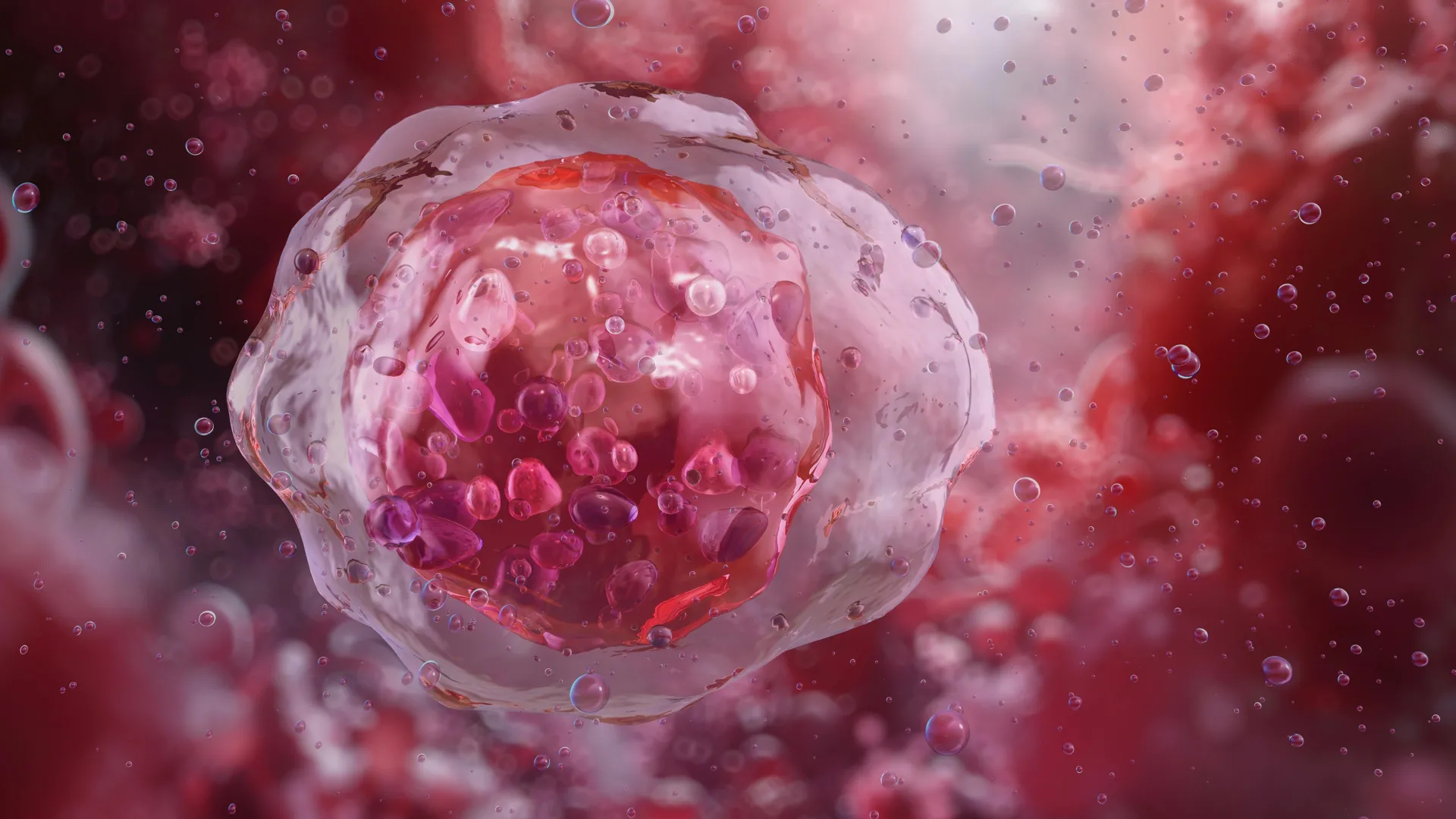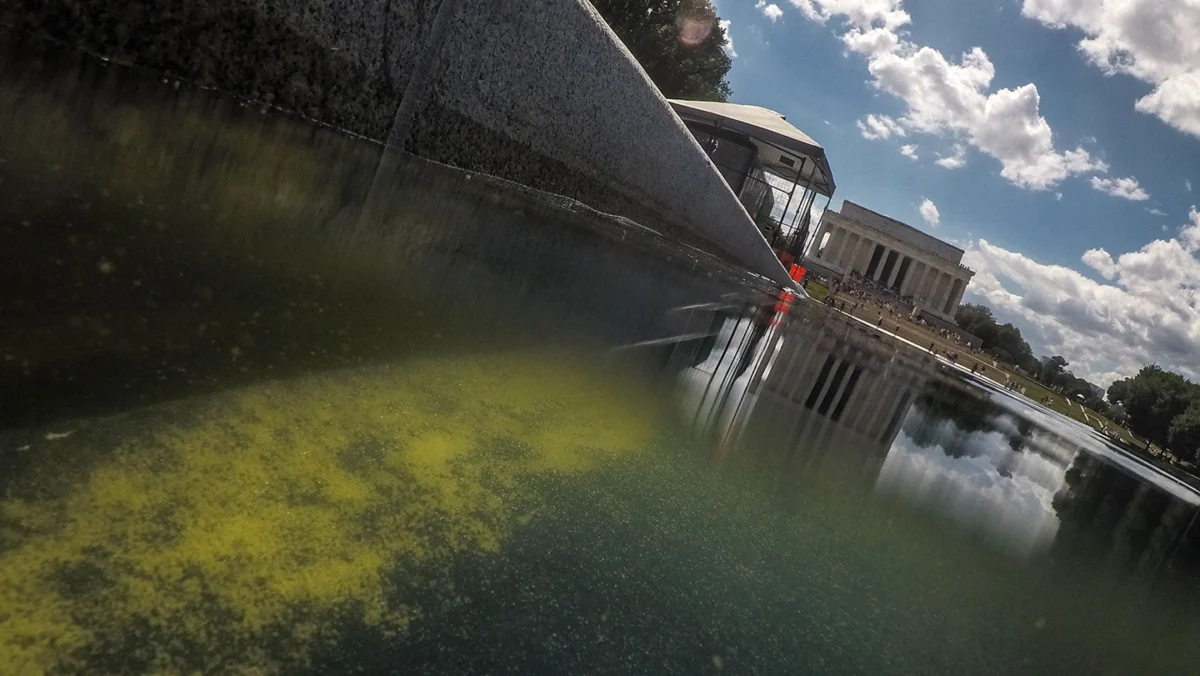
The sudden and often dramatic collapse of algal blooms, a phenomenon that can devastate aquatic ecosystems and impact human health, may be partly explained by a chaotic cellular process known as ferroptosis. New research suggests that for at least one species of algae, a rapid and destructive chemical reaction involving iron and hydrogen peroxide triggers the explosive rupture of their cells, leading to a swift demise. This discovery offers a critical piece of the puzzle in understanding the complex dynamics of these ubiquitous blooms.
Understanding Algal Blooms and Their Collapse
Algal blooms are rapid increases in the population of algae in aquatic systems. While some algal blooms are natural and even beneficial, others can become harmful, leading to oxygen depletion, the production of toxins, and significant ecological and economic damage. The rapid onset and subsequent abrupt disappearance of these blooms have long puzzled scientists. Factors contributing to bloom formation include excess nutrients (such as nitrogen and phosphorus from agricultural runoff and wastewater), sunlight, and warm temperatures. However, the mechanisms driving their sudden collapse are less understood.
Historically, theories for bloom collapse have focused on nutrient depletion, viral or bacterial infections, or grazing by zooplankton. While these factors undoubtedly play a role, the recent findings point to an intrinsic cellular mechanism as a significant, and perhaps overlooked, contributor.
The Emergence of Ferroptosis as a Culprit
Ferroptosis is a form of programmed cell death characterized by the accumulation of lipid peroxides, which ultimately leads to the loss of cell membrane integrity. It is a process that has been extensively studied in animal cells, particularly in relation to diseases like cancer and neurodegeneration. However, its role in microbial organisms, such as algae, is a relatively new area of investigation.
The research, detailed in a forthcoming publication, identifies a specific pathway in certain types of algae where the presence of free iron, coupled with reactive oxygen species like hydrogen peroxide, initiates a cascade of events. This cascade results in the uncontrolled oxidation of lipids within the algal cell membrane. Unlike other forms of cell death, ferroptosis is marked by a rapid and violent breakdown of the cell structure.
"Imagine a balloon that is continuously being overinflated. Eventually, it bursts. In ferroptosis, the internal pressure builds up due to chemical reactions, and the cell membrane simply cannot withstand it," explains Dr. Anya Sharma, a lead researcher on the project. "The key difference here is the speed and the destructive nature of the rupture. It’s not a gentle fading away; it’s an explosion at the cellular level."
A Chronology of Bloom Dynamics and Cellular Response
While a precise timeline for the specific algae studied is still being elucidated, the general pattern of algal bloom dynamics can be observed over days to weeks.
Early Stages (Days 1-7): Following favorable conditions, such as an influx of nutrients and ample sunlight, a small population of algae begins to proliferate rapidly. Photosynthesis is at its peak, and the water may start to appear cloudy or discolored.
Peak Bloom (Days 7-14): The algal population reaches its maximum density. This can lead to a thick, often vibrant green, brown, or red layer on the water’s surface. Oxygen levels may initially be high due to photosynthesis during daylight hours, but can drop significantly at night as algae respire.
Initiation of Collapse (Days 14-21): As nutrients become depleted, or other environmental stressors increase, the algae begin to experience cellular stress. This is potentially when the conditions for ferroptosis become prevalent. Internal cellular imbalances may arise, leading to the release of free iron or an increased production of reactive oxygen species.
Rapid Collapse (Days 21-28): The ferroptotic process, once triggered, can propagate rapidly through the algal colony. The explosive rupture of individual cells releases cellular contents into the water, which can further exacerbate environmental conditions, such as oxygen depletion. The visible signs of collapse include a rapid clearing of the water, a change in color, and potentially a foul odor as decomposition begins.
Supporting Data and Mechanistic Insights
The research team utilized advanced microscopy and biochemical assays to identify the markers of ferroptosis in algal cells. They observed:
- Increased Lipid Peroxidation: Significantly elevated levels of oxidized lipids were found in dying algal cells compared to healthy ones. This is a hallmark of ferroptosis.
- Iron Accumulation: Evidence suggested that iron, either released from cellular stores or taken up from the environment, played a crucial role in catalyzing the oxidation reactions.
- Reactive Oxygen Species (ROS) Production: Increased levels of hydrogen peroxide and other ROS were detected, indicating an oxidative stress environment within the cells.
- Cell Membrane Integrity Loss: Direct observation showed a rapid and catastrophic breakdown of the cell membrane, consistent with an explosive rupture.
Preliminary data from laboratory experiments indicate that inhibiting key enzymes involved in iron metabolism or lipid peroxidation can significantly slow down or prevent the ferroptotic collapse of these algal cells. For instance, in cultures treated with iron chelators, the rate of cell death was markedly reduced, even under otherwise stressful conditions.
Broader Implications for Ecosystems and Management
The discovery of ferroptosis as a driver of algal bloom collapse has several significant implications:
Ecological Impact
The sudden die-off of massive algal populations can lead to dramatic shifts in aquatic ecosystems. The release of cellular contents can contribute to eutrophication, creating a feedback loop that favors future blooms. Furthermore, the rapid decomposition of dead algae consumes dissolved oxygen, leading to hypoxic or anoxic conditions that can kill fish and other aquatic life, creating "dead zones."
Toxin Release
Some types of algae produce potent toxins. The explosive rupture of cells through ferroptosis could lead to a rapid and widespread release of these toxins into the water column, posing a direct threat to wildlife and potentially contaminating drinking water sources and recreational areas.
Economic Consequences
Algal blooms and their subsequent collapses have substantial economic repercussions. These include costs associated with water treatment, loss of revenue from tourism and recreation, damage to fisheries, and expenses related to monitoring and mitigation efforts. Understanding the mechanisms of collapse can lead to more effective early warning systems and targeted interventions.
Future Research and Management Strategies
This research opens new avenues for studying and managing algal blooms. Future work will likely focus on:
- Identifying Susceptible Species: Determining which other algal species are prone to ferroptosis.
- Environmental Triggers: Further investigating the precise environmental conditions that promote ferroptosis in algae.
- Mitigation Techniques: Exploring potential methods to inhibit ferroptosis, perhaps through the targeted use of chelating agents or antioxidants in specific high-risk areas.
- Predictive Modeling: Incorporating the ferroptosis mechanism into ecological models to improve the prediction of bloom collapses.
Expert Reactions and Future Directions
While the research is still in its early stages, the findings have generated considerable interest within the scientific community. Dr. Jian Li, an aquatic ecologist at the National Oceanographic Institute, commented, "This is a fascinating and potentially groundbreaking discovery. For years, we’ve observed the abruptness of algal bloom collapses, and this provides a compelling intrinsic cellular explanation. It underscores the complexity of these phenomena and the need for interdisciplinary research."
Scientists are now keen to understand the evolutionary advantage, if any, of such a destructive cell death mechanism for algae. It is possible that ferroptosis, while detrimental to the individual cell, might serve a larger purpose for the algal population or ecosystem under certain conditions.
The ongoing investigation into ferroptosis in algae is a testament to the evolving nature of scientific understanding. By delving into the intricate cellular processes that govern life, researchers are uncovering fundamental mechanisms that shape our planet’s most vital ecosystems. The implications of this work extend far beyond the microscopic world of algae, offering hope for more effective strategies to protect our water resources and mitigate the harmful impacts of these widespread ecological events.