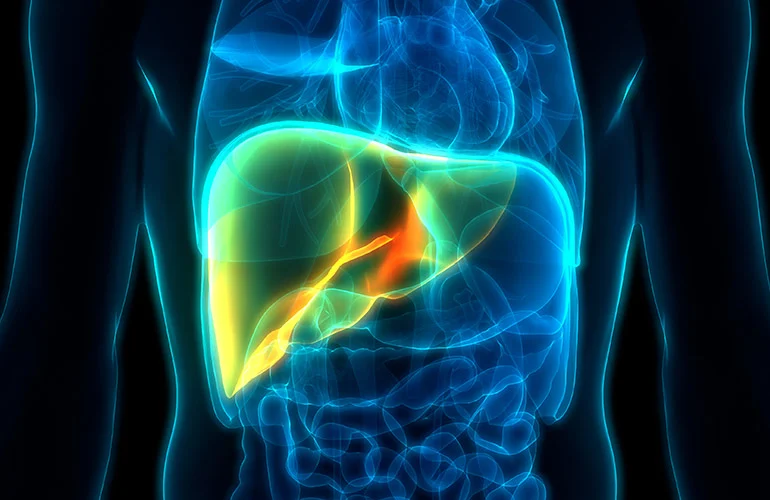
For decades, fatty liver disease, and its more severe inflammatory progression known as metabolic dysfunction-associated steatohepatitis (MASH), remained largely overlooked conditions, characterized by a profound lack of approved therapeutic interventions. This landscape is rapidly changing, with pharmaceutical giants like Boehringer Ingelheim now making a concerted and aggressive push into this challenging medical frontier. At the forefront of their efforts is survodutide, a promising GLP-1/glucagon receptor dual agonist that has already demonstrated significant efficacy in the realm of obesity management and is now poised to redefine the treatment paradigm for MASH.
The Silent Epidemic of MASH: A Growing Global Health Crisis
Metabolic dysfunction-associated steatotic liver disease (MASLD), formerly known as nonalcoholic fatty liver disease (NAFLD), affects approximately 25% of the global population, making it the most common chronic liver disease worldwide. A significant subset of these patients, estimated to be between 5% and 10% of the global population, will progress to MASH, a more aggressive form characterized by liver inflammation, hepatocyte ballooning, and varying degrees of fibrosis. MASH is a serious condition that can lead to cirrhosis, liver failure, and hepatocellular carcinoma (HCC), making it a leading cause for liver transplantation globally. Its prevalence is inextricably linked to the rising epidemics of obesity, type 2 diabetes, and metabolic syndrome.
Historically, MASH drug development was fraught with disappointments, earning it the grim moniker, "the graveyard for drug discovery," as noted by Neeraja Balachander, who oversees Boehringer Ingelheim’s cardio-renal-metabolic portfolio. Early therapeutic strategies often targeted downstream consequences like inflammation and fibrosis, frequently failing to address the underlying metabolic drivers of the disease. This lack of effective treatments left millions of patients with limited options beyond lifestyle modifications, underscoring a critical unmet medical need that pharmaceutical companies are now aggressively trying to fill.
Survodutide’s Dual Impact: Weight Loss and Liver Fat Reduction
Boehringer Ingelheim’s strategic focus on MASH with survodutide builds upon its impressive performance in other metabolic conditions. The headline readout for survodutide has been its compelling results in obesity trials. In the SYNCHRONIZE-1, a 76-week Phase 3 study, published on June 7, 2026, in The New England Journal of Medicine, the glucagon/GLP-1 receptor dual agonist met both primary endpoints among 725 adults with obesity and without diabetes. Participants receiving the higher 6.0-mg dose achieved an average body weight loss of 13.0% under the trial’s primary analysis, significantly outperforming the 5.4% observed in the placebo group. Furthermore, a remarkable 71.9% of participants on the 6.0-mg dose lost at least 5% of their initial body weight, a clinically meaningful threshold for improving metabolic health.
Beyond its efficacy in weight management, survodutide demonstrated significant positive effects on liver health, a crucial factor for MASH. The company presented these liver-fat results at the 2026 American Diabetes Association (ADA) Scientific Sessions, signaling their deliberate and measured approach to unveiling the drug’s full potential. "This is just our first tranche of [survodutide] data coming out at ADA," Balachander emphasized, hinting at a broader data generation program in the pipeline designed to deliver a comprehensive package for metabolic health. Within the same SYNCHRONIZE-1 trial, survodutide reduced liver fat by up to an impressive 63.1%. Even more compellingly, in the separate SYNCHRONIZE-MASLD trial, approximately 60% of patients achieved liver fat normalization after 48 weeks, indicating a profound impact on the core pathology of MASLD and MASH. These results position survodutide as a strong contender in the burgeoning MASH therapeutic landscape.
A Shifting Landscape: Recent MASH Approvals and Historical Challenges
The recent success of survodutide comes at a pivotal time for MASH drug development, which has seen a dramatic shift from persistent failures to groundbreaking approvals. For many years, clinical trials for MASH drugs ended in disappointment, dampening enthusiasm and investment in the field.
- Past Disappointments:
- Gilead’s selonsertib, an ASK1 inhibitor, missed its Phase 3 endpoints in patients with advanced fibrosis and compensated cirrhosis.
- Genfit’s elafibranor, a PPAR-alpha/delta agonist, failed to meet the interim analysis of its Phase 3 RESOLVE-IT trial.
- Intercept Pharmaceuticals’ obeticholic acid (OCA), a farnesoid X receptor (FXR) agonist, faced repeated FDA rejections for MASH, despite some efficacy signals, primarily due to safety concerns.
These setbacks underscored the complexity of MASH pathophysiology and the challenges in developing effective, safe treatments. However, the tide has turned dramatically in recent years:
- Madrigal Pharmaceuticals’ Rezdiffra (resmetirom): In March 2024, Rezdiffra, an oral thyroid hormone receptor-beta (THR-beta) agonist, became the first FDA-approved treatment specifically for MASH/NASH with moderate-to-advanced fibrosis. Its approval marked a historic milestone, offering a much-needed therapeutic option.
- Novo Nordisk’s Wegovy (semaglutide): Following closely, in August 2025, the FDA granted accelerated approval to Novo Nordisk’s Wegovy (semaglutide) for adults with noncirrhotic MASH and moderate-to-advanced fibrosis. This was particularly significant as semaglutide became the first GLP-1 therapy cleared for the condition, albeit contingent on confirmatory evidence from ongoing trials. This approval validated the potential of incretin-based therapies in MASH.
These approvals have injected renewed optimism into the field, demonstrating that effective treatments are indeed achievable. Balachander acknowledges the historical difficulties but points to fundamental biological principles as reasons for current optimism. "The liver, the largest internal organ, can regenerate," she stated, referring to the organ’s remarkable capacity for repair. "Fibrosis in the liver is, to some extent, reversible." This inherent plasticity of the liver, combined with a deeper understanding of MASH pathogenesis, underpins the scientific appeal now attracting significant investment.
Unpacking the Mechanism: Survodutide’s Dual Agonist Advantage
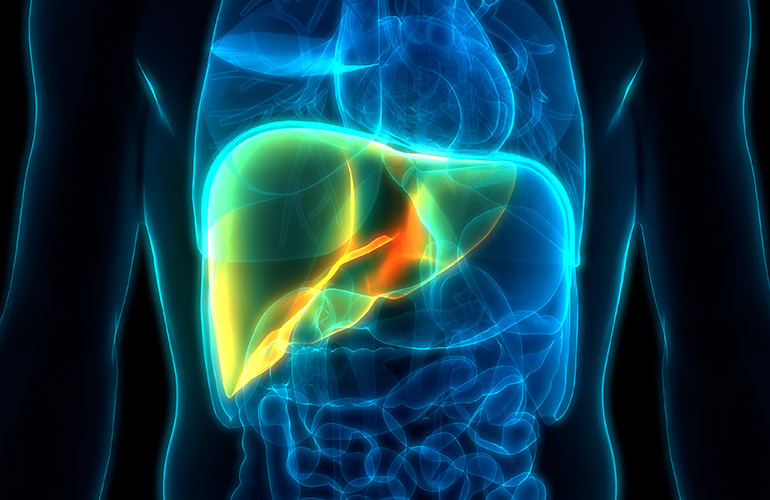
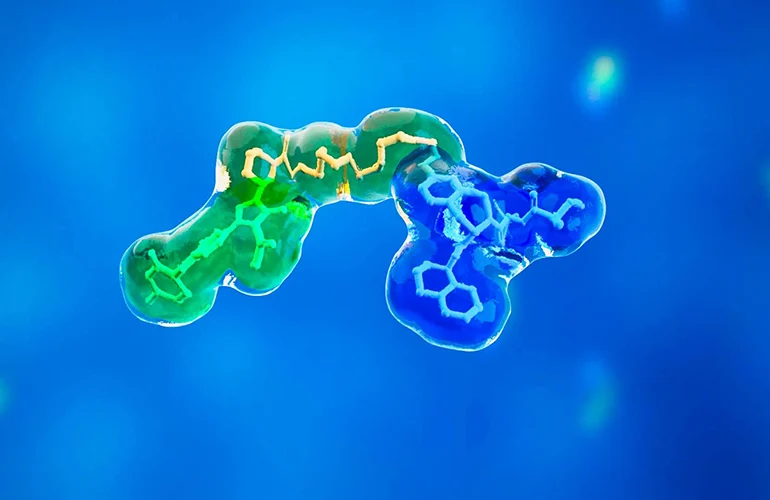
Survodutide’s therapeutic potential stems from its unique dual agonism, targeting both GLP-1 (Glucagon-like peptide-1) and glucagon receptors. While the GLP-1 component places it firmly within the class of incretin mimetics—like semaglutide and tirzepatide—that have revolutionized obesity and type 2 diabetes treatment, the addition of glucagon agonism provides a distinct advantage, particularly for liver health.
-
GLP-1 Agonism: This component promotes glucose-dependent insulin secretion, suppresses glucagon secretion (from the pancreas), slows gastric emptying, and increases satiety, all contributing to weight loss and improved glycemic control. Its role in reducing appetite and food intake is well-established as a primary driver of weight reduction.
-
Glucagon Agonism: This is where survodutide diverges significantly from single GLP-1 receptor agonists. While glucagon is traditionally known for its role in raising blood glucose, glucagon receptor agonism in the context of a dual agonist can exert beneficial effects on lipid metabolism. Glucagon receptors are predominantly found on key metabolic organs, including the liver, pancreas, kidney, lungs, and heart. In the liver, glucagon signaling can promote energy expenditure, increase fatty acid oxidation, and reduce hepatic fat synthesis. This direct action on the liver is particularly relevant for MASH, a disease fundamentally characterized by excessive fat accumulation that distorts the organ’s architecture and triggers inflammation.
Balachander further elucidated the mechanistic rationale, linking it to the core metabolic dysfunction observed in MASH. "MASH begins with fat accumulating until it distorts the organ’s architecture and invites inflammation," she explained. "That mechanistic case begins with insulin resistance, the same metabolic dysfunction that links obesity, type 2 diabetes, and fatty liver disease." She highlighted a crucial and often overlooked aspect: "It’s very interesting, because the insulin resistance triggers another point. In MASH, people have found glucagon resistance: the body produces glucagon but somehow it doesn’t act on the liver." This impaired glucagon signaling, she posits, appears to be a significant contributor to the accumulation of fat within organs in patients with MASLD. By acting as a glucagon receptor agonist, survodutide effectively bypasses this resistance, potentially restoring beneficial glucagon signaling to reduce hepatic steatosis and mitigate the progression of liver disease.
Going Upstream: A Paradigm Shift in MASH Research
One of the most significant shifts in MASH research and drug development strategy, exemplified by Boehringer Ingelheim’s approach, is the move towards targeting "upstream" metabolic triggers rather than merely the "downstream" damage. Early efforts in MASH drug development often focused on mitigating the consequences of the disease, such as inflammation and fibrosis, once they were already established. This approach, while logical, proved largely unsuccessful.
"We almost came late to the game," Balachander reflected on the historical trajectory. "Now, we’re going more upstream and asking why there’s inflammation, and I think that’s behind some of the success in MASH drug discovery." This reframing is rooted in a growing scientific consensus that MASH is primarily a metabolically driven process. In this view, excess fatty acids and toxic lipid intermediates directly contribute to hepatocyte stress, activate inflammatory macrophages, and initiate fibrotic signaling pathways within the liver. By addressing these fundamental metabolic imbalances at an earlier stage, therapies like survodutide aim to halt or reverse the disease progression before irreversible damage occurs.
This shift aligns with the broader evolution of metabolic drug discovery. Since the FDA approval of semaglutide for obesity in 2021, the metabolic health space has undergone a profound transformation. "Now, there are multiple mechanisms competing even in the obesity space, and that’s going to have a big downstream effect on how we look at targeted mechanisms beyond just weight loss," Balachander predicted. This means a move away from simply measuring the number of pounds lost to a more nuanced focus on "quality weight loss," encompassing improvements in body composition, reduction of visceral fat, and resolution of metabolic comorbidities like MASH. Survodutide, with its dual action directly impacting liver fat and systemic metabolism, is perfectly positioned to capitalize on this evolving understanding.
Boehringer Ingelheim’s Comprehensive Metabolic Health Strategy
Boehringer Ingelheim’s commitment to MASH is part of a broader, integrated strategy to address metabolic health comprehensively. Their dedicated "LIVERAGE program" is a Phase 3 clinical trial program specifically designed for adults with MASH and fibrosis, indicating a long-term commitment to this patient population. This program, coupled with the "robust data-generation program" Balachander mentioned, underscores the company’s ambition to provide holistic solutions for intertwined metabolic conditions.
The market potential for MASH therapies is enormous. With millions affected globally and the disease often progressing silently until advanced stages, the demand for effective treatments is high. Analysts project the MASH market to reach tens of billions of dollars in the coming years, attracting significant investment and competition from pharmaceutical companies worldwide. Survodutide’s unique dual mechanism offers a compelling differentiator in this competitive landscape, potentially providing superior benefits over single-mechanism agents, especially for patients with significant liver fat accumulation and fibrosis.
The implications extend beyond individual patient treatment to broader public health. Effective MASH therapies could reduce the burden on healthcare systems by preventing costly complications like cirrhosis and liver transplantation. Furthermore, by addressing the metabolic roots of MASH, drugs like survodutide could also contribute to managing associated conditions such as cardiovascular disease and type 2 diabetes, reinforcing the interconnectedness of metabolic health.
In conclusion, Boehringer Ingelheim’s aggressive pursuit of MASH treatment with survodutide marks a significant development in the fight against this complex disease. Backed by compelling data from obesity trials and promising liver fat reduction results, the GLP-1/glucagon receptor dual agonist represents a new generation of metabolic therapies. Its "upstream" approach, combined with the company’s comprehensive metabolic health strategy, positions survodutide as a potential game-changer, offering renewed hope for millions of patients and signaling a vibrant, competitive future for MASH drug discovery.