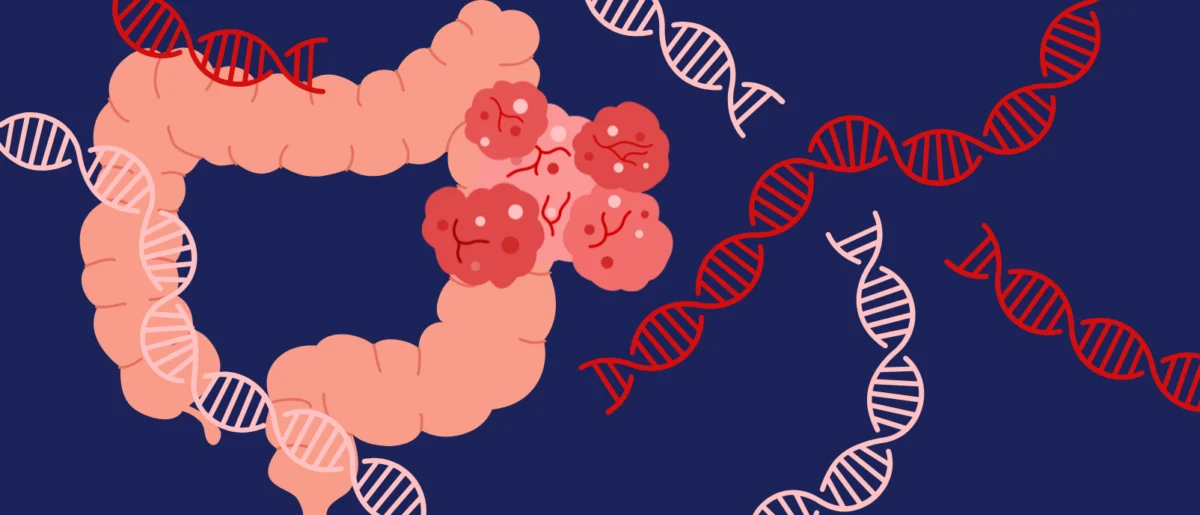
A groundbreaking study has revealed that colorectal cancer cells possess a remarkable ability to alter their fundamental identity, a crucial step in their deadly journey to metastasize and establish secondary tumors, particularly in the liver. This paradigm-shifting research, a collaborative effort between scientists at Weill Cornell Medicine in New York and the Massachusetts Institute of Technology (MIT), points to epigenetic reprogramming rather than conventional genetic mutations as a primary driver of metastatic spread, offering a fresh perspective on one of cancer’s most formidable challenges. The findings center on the pivotal role of GATA6, a transcription factor whose diminishing presence appears to unlock a primitive, highly adaptable state within cancer cells, enabling them to navigate the complexities of the body and colonize distant organs.
Colorectal cancer (CRC) stands as the third most commonly diagnosed cancer globally and the second leading cause of cancer-related deaths. In 2023 alone, it was estimated that over 153,000 new cases would be diagnosed in the United States, with more than 52,000 deaths attributed to the disease. The prognosis for CRC patients hinges dramatically on the stage at diagnosis. While localized CRC boasts a five-year survival rate exceeding 90%, this figure plummets to a grim 14% once the cancer has spread to distant sites, primarily the liver. This stark difference underscores why metastasis—the process by which cancer cells detach from the primary tumor, travel through the bloodstream or lymphatic system, and establish new tumors in other parts of the body—is the principal cause of mortality in cancer patients. For decades, the scientific community has intensely sought to decipher the molecular mechanisms that underpin this deadly progression, largely focusing on identifying specific genetic mutations that confer metastatic potential. However, definitive "driver mutations" for liver metastasis have remained elusive, prompting researchers to explore alternative explanations.
The Epigenetic Switch: GATA6 and Cellular Reprogramming
The new study introduces a compelling alternative: epigenetic changes. Unlike genetic mutations, which involve alterations to the DNA sequence itself, epigenetic modifications regulate gene expression without changing the underlying code. They act like molecular switches, turning genes on or off, thereby dictating which proteins are produced and, consequently, a cell’s identity and function. This research highlights GATA6 as a critical epigenetic regulator in the context of CRC metastasis.
Under normal physiological conditions, GATA6 serves as a vital "identity keeper" for the epithelial cells lining the intestine. It plays a crucial role in maintaining their differentiated state, ensuring they perform their specialized functions and adhere to their assigned identity within the tissue architecture. However, the researchers observed a significant reduction in GATA6 expression within liver metastases in both murine models and human colorectal cancer patients. Furthermore, lower GATA6 levels were directly correlated with poorer clinical outcomes, reinforcing its prognostic significance. "We discovered that GATA6 loss acts as a critical switch that can change cancer cells in the primary tumor from non-metastatic to pro-metastatic," explained Dr. Norihiro Goto, an assistant professor of medicine in the Division of Gastroenterology & Hepatology at Weill Cornell Medicine and co-lead author of the research. "Our findings suggest that epigenetic changes may be more important for promoting liver metastasis." This statement represents a significant conceptual shift, suggesting that the ability of cancer cells to spread might stem not from a new genetic instruction, but from the silencing or activation of existing genetic programs.
Innovative Organoid Models Unravel Metastatic Evolution
One of the central challenges in understanding metastasis has been the difficulty in studying its early stages. By the time patient samples are obtained from liver metastases, the crucial initial events that allow cancer cells to acquire metastatic capabilities have often already transpired. "When researchers analyze patient samples from liver metastases, we fail to capture the important signals occurring in the early stages of the metastatic process," Dr. Goto elaborated.
To overcome this hurdle, the research team pioneered an innovative experimental approach utilizing organoid technology. Organoids are miniature, three-dimensional cell cultures that mimic the complex structure and function of actual organs. The team developed liver metastasis-derived organoids, which are essentially self-organizing clusters of cancer cells grown in a laboratory dish that retain many of the characteristics of the original tumor. Critically, these organoids allowed the researchers to observe and manipulate the cells in a controlled environment. They then transplanted these organoids back into the colon of mice. This elegant experimental design facilitated the creation of more aggressive primary tumors that readily metastasized to the liver. By performing several rounds of this transplantation process, the scientists were able to simulate and observe the evolutionary trajectory of cancer cells, gaining unprecedented insights into how they acquire and enhance their ability to spread. This iterative process was key to identifying the critical molecular events driving metastatic competence.
Lineage Plasticity: A Dangerous Cellular Shapeshifting
The core mechanism uncovered was "lineage plasticity"—the remarkable ability of a cell to change its identity and behavior. The researchers found that the loss of GATA6 expression in colorectal cancer cells triggered this plasticity, effectively reprogramming the cells. As a result, tumor cells abandoned their established intestinal identity and adopted alternative gene programs, transforming them into more flexible, primitive, "fetal-like" cells. These reprogrammed cells exhibited enhanced capabilities for traveling through the bloodstream, surviving in the circulatory system, and ultimately colonizing distant organs like the liver.
In healthy organisms, lineage plasticity is a vital process, essential for tissue development, regeneration, and wound healing. For instance, during injury, cells may temporarily dedifferentiate or switch their lineage to facilitate repair. However, in the context of cancer, this intrinsic cellular adaptability is hijacked, becoming a dangerous mechanism that promotes disease progression. The fetal-like characteristics acquired by these plastic cancer cells endow them with a heightened capacity for survival in foreign microenvironments and rapid proliferation in new sites, mirroring the aggressive growth patterns seen in embryonic development.

A key hallmark of this induced plasticity was the emergence of cells lacking the intestinal stem cell marker LGR5. LGR5-positive cells are typically well-differentiated intestinal stem cells, responsible for maintaining the gut lining. Previous studies had hinted that LGR5-negative cells might play a role in initiating liver metastases. The current research provided concrete evidence, demonstrating that silencing GATA6 actively triggers a switch in cancer cells from an LGR5-positive to an LGR5-negative state. These LGR5-negative cells were found to possess the distinctive fetal-like gene signatures and, crucially, the functional capacity to metastasize. Conversely, the researchers observed that restoring GATA6 expression or activating related molecular pathways could significantly diminish the ability of colorectal cancer cells to metastasize. This bidirectional control strongly implicates GATA6 as a central regulator of metastatic potential.
Further solidifying their findings, Dr. Goto reported, "When we genetically delete GATA6, the frequency and burden of liver metastases in mouse models significantly increase, while having little effect on primary tumor growth." This observation is particularly impactful because it directly demonstrates that GATA6 loss is specifically tied to metastasis, not just overall tumor growth. It suggests that metastasis is not merely a consequence of a large, aggressive primary tumor, but rather a distinct biological process driven by specific cell-state transitions. This distinction is crucial for developing targeted therapies that specifically interrupt the metastatic cascade without necessarily affecting the primary tumor’s growth rate. Dr. Omer H. Yilmaz, an associate professor of biology at MIT and co-lead of the research, emphasized the collaborative nature of this detailed mechanistic work, highlighting how interdisciplinary expertise was critical to unraveling such complex cellular processes. Dr. Saori Goto, an instructor in medicine at Weill Cornell, was the study’s first author, instrumental in conducting the experimental work that underpinned these discoveries.
Implications for Clinical Practice: A New Biomarker and Therapeutic Strategy
The profound insights gleaned from this study carry significant implications for the future of colorectal cancer diagnosis, prognosis, and treatment.
1. GATA6 as a Biomarker for Metastatic Risk: The research suggests that GATA6 expression levels could serve as a powerful biomarker for identifying patients at high risk of developing liver metastases. Tumors exhibiting low GATA6 levels may harbor a higher proportion of cells capable of undergoing the pro-metastatic identity switch. This could allow clinicians to stratify patients more effectively, identifying those who require closer surveillance, more aggressive upfront treatment strategies, or adjuvant therapies specifically aimed at preventing metastasis. For patients with early-stage CRC, a GATA6-based biomarker could inform decisions on the intensity of follow-up care, potentially prompting more frequent imaging or prophylactic interventions for those deemed high-risk.
2. Targeting Cellular Plasticity as a Therapeutic Approach: Perhaps the most exciting implication is the potential for novel therapeutic strategies. Current cancer treatments primarily focus on directly killing rapidly dividing cancer cells or inhibiting specific genetic mutations. This study opens the door to a new class of therapies that aim to "stabilize" cell identity or prevent cancer cells from entering these flexible, pro-metastatic states. By locking cancer cells into their differentiated, non-metastatic identity, it might be possible to disarm their ability to spread, even if the primary tumor persists.
However, developing such therapies presents unique challenges. As Dr. Norihiro Goto noted, "The challenge will be targeting plasticity therapeutically without disrupting tissue repair processes, which rely on similar programs." Because lineage plasticity is a fundamental biological process vital for normal tissue regeneration and wound healing, any therapeutic intervention must be exquisitely specific to cancer cells, avoiding collateral damage to healthy tissues. This necessitates a deep understanding of the subtle differences between pathological and physiological plasticity.
Future Directions and the Broader Impact
The researchers are already charting the course for future investigations. A primary objective is to identify specific vulnerabilities unique to GATA6-deficient cancer cells. These vulnerabilities could represent novel therapeutic targets that allow for precise intervention without broadly impacting normal cells. This could involve exploring pathways that are exclusively activated or overexpressed when GATA6 is lost and cells adopt their fetal-like state.
Furthermore, the team plans to delve into the intricate interplay between cancer cells and their microenvironment. The tumor microenvironment, encompassing surrounding immune cells, fibroblasts, blood vessels, and signaling molecules, plays a crucial role in shaping tumor behavior. Understanding how liver-specific signals or interactions with various immune cell populations influence these GATA6-mediated cell transitions in preclinical models will be critical. The liver, being a common site for CRC metastasis, possesses a unique microenvironment that may either facilitate or hinder the colonization process. Deciphering these interactions could lead to strategies that modify the microenvironment to make it less hospitable for metastatic cells.
"In addition to treating primary tumors, we need to find strategies to target the mechanism of liver metastasis," Dr. Norihiro Goto concluded. "Our study is a step toward developing therapies that block the spread of cancer at the earliest stages." This research underscores a crucial shift in cancer biology, moving beyond a sole focus on genetic mutations to embrace the profound impact of epigenetic changes and cellular identity shifts in driving disease progression. By illuminating the critical role of GATA6 and lineage plasticity, the Weill Cornell and MIT teams have not only deepened our understanding of how cancer spreads but also opened promising new avenues for developing innovative diagnostics and therapies that could significantly improve outcomes for patients battling colorectal cancer. The implications extend beyond CRC, potentially offering a template for understanding and combating metastasis in other cancer types where cellular plasticity may also play a covert, yet deadly, role.