A groundbreaking peer-reviewed study from researchers at The University of Toledo and the University of Missouri has provided compelling experimental evidence that common goldfish, when released or escaping into freshwater ecosystems, can instigate profound and detrimental ecological transformations. The findings, published in the esteemed Journal of Animal Ecology, serve as a critical warning to pet owners, natural resource managers, and policymakers alike, highlighting the significant threat posed by these once-beloved aquarium inhabitants to the delicate balance of lakes and rivers.
"It is critically important to inform the public that their pets can become pests that will harm freshwater ecosystems," stated Dr. William Hintz, associate professor in UToledo’s Department of Environmental Sciences and Lake Erie Center, and lead investigator of the study. "The evidence is now clear — releasing a goldfish into the wild might be seen as an act of kindness, but it can turn into a major ecological threat."
Goldfish: More Than Just a Pet, a Potent Ecological Disruptor
The research meticulously details how the introduction of goldfish (Carassius auratus) into large outdoor freshwater mesocosms, designed to accurately replicate real-world lake conditions, led to substantial ecological disruption. These experimental ecosystems were carefully managed to represent two common aquatic environments: nutrient-poor (oligotrophic) waters and nutrient-rich (eutrophic) waters. In both scenarios, the presence of goldfish triggered significant negative alterations, underscoring their invasive potential regardless of the initial trophic state of the water body.
The study’s experimental design was crucial in isolating the specific impact of goldfish. Researchers employed both additive and substitutive approaches. The additive design involved introducing goldfish to existing fish communities, while the substitutive design replaced a portion of the existing fish population with goldfish. This allowed the team to differentiate between changes caused by an increase in overall fish biomass and those directly attributable to the presence and behavior of goldfish.
The findings revealed that while an increase in total fish abundance did contribute to some changes in aquatic vegetation, the most severe and widespread ecological damage was unequivocally linked to the direct presence of goldfish. This suggests that the specific biological and behavioral traits of goldfish make them particularly destructive invaders.
The Specter of a "Regime Shift"
Perhaps one of the most alarming discoveries from the study is the documentation of what scientists term a "regime shift." This phenomenon occurs when an ecosystem reaches a critical tipping point, undergoing a rapid and fundamental reorganization into a distinctly different, and often degraded, state. Once such a shift is initiated, the ecosystem can become incredibly resilient to returning to its original condition, making restoration efforts exceptionally difficult and prohibitively expensive.
The research implies that goldfish can act as a potent catalyst for such regime shifts in freshwater lakes. Their disruptive activities can fundamentally alter the structure and function of these vital ecosystems, potentially leading to long-term ecological decline.
Understanding the Goldfish Menace: Why They Thrive and Destroy
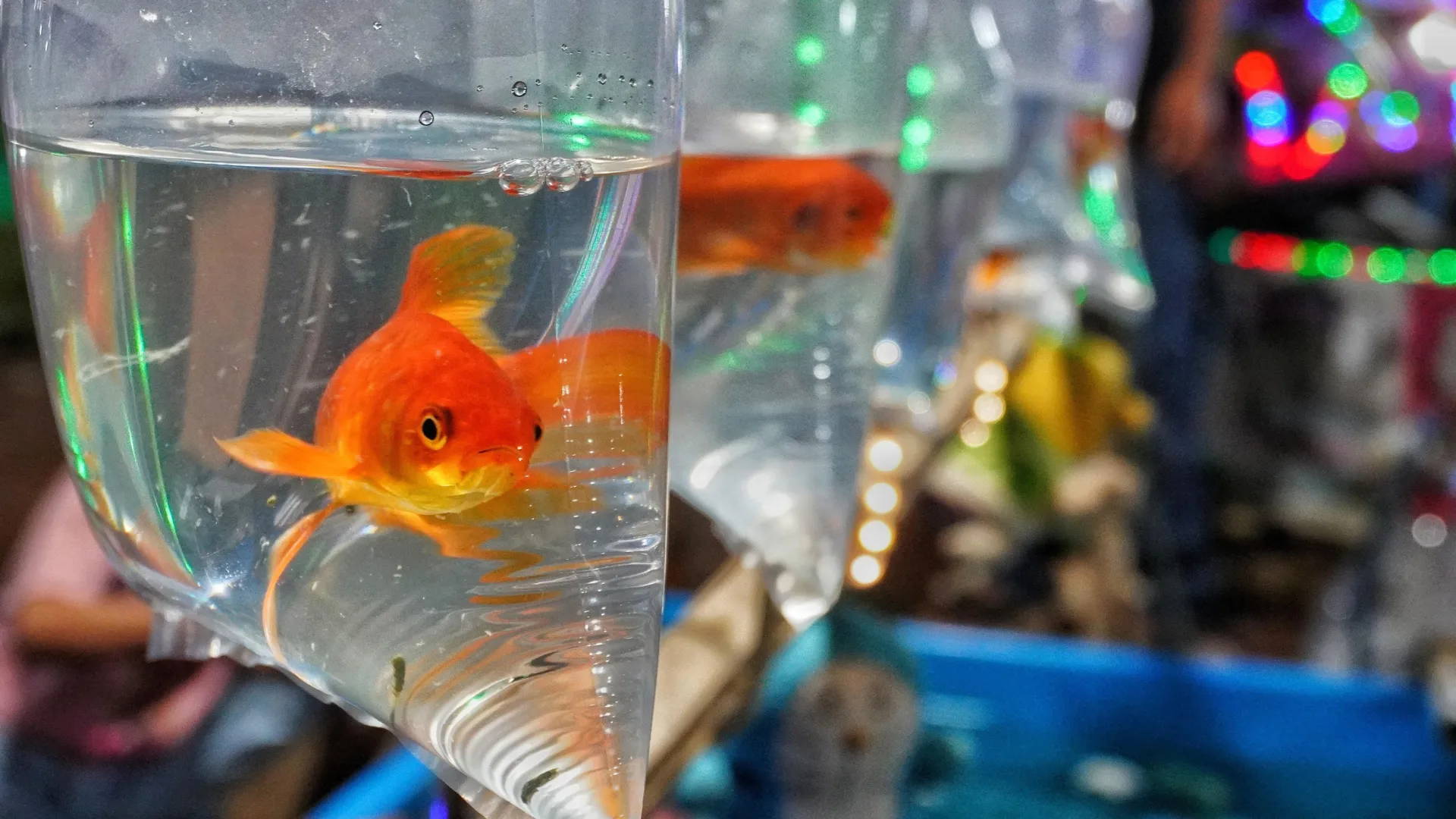
Goldfish are among the most widely distributed ornamental fish globally, a testament to their popularity as pets. The international pet trade continues to facilitate the unprecedented movement of aquatic species across continents. This widespread ownership, coupled with the ease with which they can be released or escape, creates a perfect storm for invasive populations to establish and proliferate.
When goldfish find their way into natural waterways – whether through intentional release, accidental escape during flooding events, or improper disposal – they can rapidly multiply and dominate. Dr. Rick Relyea, a professor in the University of Missouri College of Agriculture, Food and Natural Resources, director of Mizzou’s Johnny Morris Institute of Fisheries, Wetlands and Aquatic Systems, and a co-author of the study, elaborated on the destructive mechanisms at play.
"If goldfish are released into the wild, they rapidly grow into very large fish that stir up lake sediments, consume large numbers of prey and compete with native fish," Dr. Relyea explained. This behavior has cascading effects throughout the ecosystem. The stirring of sediments, known as bioturbation, can re-suspend nutrients and pollutants, leading to increased turbidity and further degradation of water quality. Their voracious appetite for native invertebrates and smaller fish directly impacts food webs, potentially leading to declines in native species populations. Furthermore, their aggressive competition for resources can outcompete native fish species, further disrupting ecological balance.
A Growing Global Problem: The Scope of Invasive Aquatic Species
The issue of invasive goldfish is not an isolated incident but part of a much larger and escalating global challenge posed by the introduction of non-native aquatic species. Historically, the movement of aquatic organisms was primarily driven by commercial fishing and aquaculture. However, the rise of the aquarium trade and the globalization of transportation have amplified this issue exponentially.
According to the U.S. Fish and Wildlife Service, invasive species cost the U.S. economy an estimated $120 billion annually. While this figure encompasses a broad range of invasive organisms, aquatic invaders like goldfish contribute significantly to these economic and ecological burdens. The introduction of non-native species can lead to substantial losses in fisheries, damage to infrastructure, increased costs for water treatment, and the irreversible loss of biodiversity.
The Great Lakes region, for example, has a long and costly history with invasive aquatic species, from zebra mussels and quagga mussels to sea lampreys and Asian carp. These invaders have fundamentally altered the ecology of the lakes, impacting native fish populations, recreational activities, and the overall health of the ecosystem. The University of Toledo’s proximity to the Great Lakes makes this research particularly relevant to regional conservation efforts.
A Call to Action: Prevention and Public Education
In light of these stark findings, the researchers are advocating for a shift in how goldfish are perceived and managed. They urge natural resource agencies to prioritize goldfish as a high-threat invasive species. This prioritization should translate into focused efforts on prevention, early detection, and rapid control measures before established wild populations can take root and spread.
The study’s authors emphatically stress the critical need for enhanced public education campaigns. Understanding the ecological consequences of releasing aquarium animals into natural waterways is paramount. Many well-intentioned individuals may release their unwanted pets into local ponds or rivers, believing it to be a humane act. However, as this research clearly demonstrates, such actions can have devastating and far-reaching negative impacts on native ecosystems.
The researchers offer practical and responsible alternatives for pet owners who can no longer care for their goldfish. These include:
- Returning the fish to a pet store: Many reputable pet retailers have policies in place to accept unwanted pets.
- Finding another aquarium owner: Rehoming the goldfish to another responsible aquarium enthusiast can provide a safe and suitable environment.
- Contacting local wildlife authorities or aquatic invasive species programs: These organizations can offer guidance on proper disposal or other humane solutions.
About the Study and Its Rigorous Methodology
The study, formally titled "Invasive goldfish trigger a regime shift in experimental lake ecosystems of varying trophic state," was a collaborative effort between Dr. William Hintz of The University of Toledo, Hannah Barrett, and Dr. Rick Relyea of the University of Missouri.
The experimental setup involved the use of outdoor freshwater mesocosms, which are large, contained experimental units that allow researchers to simulate and manipulate natural aquatic environments under controlled conditions. This approach provides a more realistic assessment of ecological impacts than laboratory experiments while maintaining a level of control not possible in natural settings.
The research design incorporated both oligotrophic (nutrient-poor) and eutrophic (nutrient-rich) trophic states to ensure the findings were applicable across a range of lake conditions. By employing additive and substitutive experimental designs, the scientists were able to meticulously isolate and quantify the specific effects of goldfish on key ecological indicators. These indicators included:
- Water quality: Parameters such as nutrient levels and turbidity were monitored.
- Phytoplankton communities: The abundance and composition of microscopic algae were assessed.
- Invertebrate communities: The diversity and populations of small aquatic organisms were examined.
- Filamentous algae: The growth and extent of stringy algae were measured.
- Native fish condition: The health and well-being of any native fish present in the mesocosms were evaluated.
This comprehensive approach allowed for a detailed understanding of the multifaceted impacts of invasive goldfish on freshwater ecosystems, providing robust scientific backing for the urgent call for public awareness and preventative measures. The implications of this research extend beyond the immediate threat of goldfish, offering valuable insights into the broader challenges of managing invasive aquatic species and protecting the health of our planet’s vital freshwater resources.