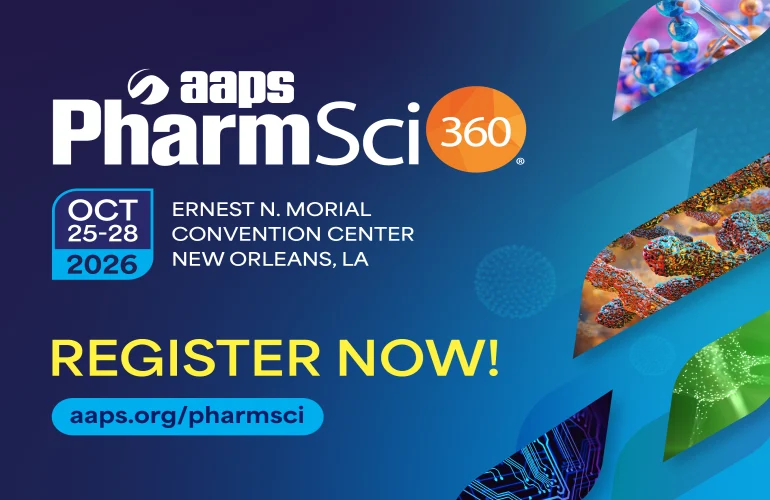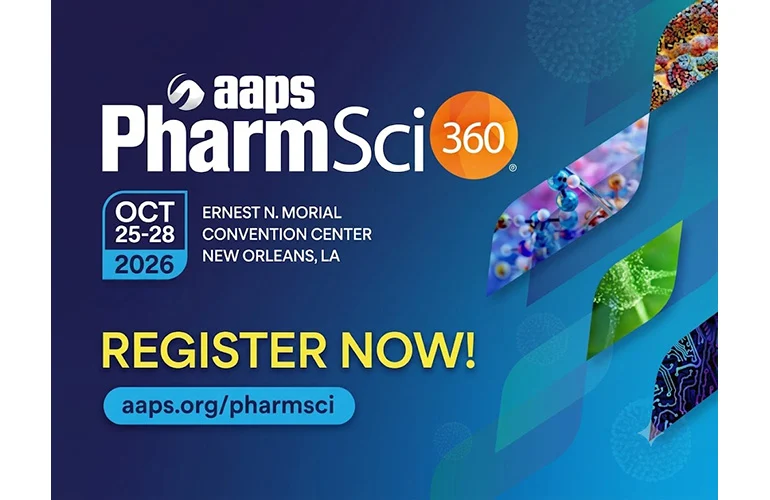
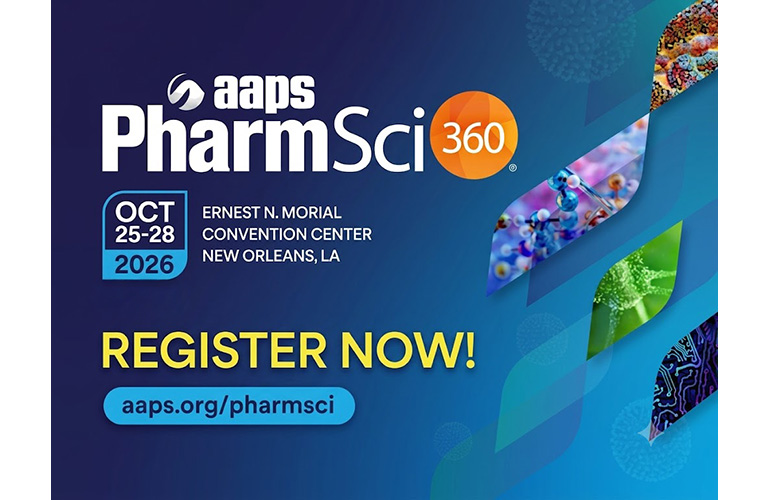
The American Association of Pharmaceutical Scientists (AAPS) is set to host its premier annual gathering, PharmSci 360, from October 25 to 28, 2026, at the Ernest N. Morial Convention Center in New Orleans. This flagship event is anticipated to draw thousands of leading scientists, researchers, and industry professionals from across academia, pharmaceutical companies, and government agencies worldwide, solidifying its role as a critical forum for advancing pharmaceutical innovation and collaboration.
A Global Nexus for Pharmaceutical Innovation
The AAPS, an esteemed organization boasting approximately 7,000 members globally, has long been a pivotal force in the pharmaceutical sciences. Its mission centers on advancing the capacity of pharmaceutical scientists to develop products and therapies that improve global health. PharmSci 360 embodies this mission by offering a unique hybrid experience: combining the expansive scope of a major scientific conference with the focused, in-depth discussions characteristic of specialist forums. This carefully curated approach ensures that attendees can either delve deeply into a specific area of interest or explore a broad spectrum of topics relevant to the entire drug development pipeline.
The conference’s strategic design is built upon five distinct programming tracks, each meticulously crafted to follow the sequential stages of drug development. This structure allows participants to tailor their experience, focusing on a single track aligned with their core expertise or navigating across multiple tracks to gain a holistic understanding of interdisciplinary challenges and solutions. This adaptability is key to the conference’s appeal, catering to diverse professional needs and fostering cross-functional insights essential for complex pharmaceutical projects.
New Orleans: A Strategic Host City
The selection of New Orleans as the host city for PharmSci 360 2026 is a testament to its growing appeal as a premier destination for large-scale international conferences. The Ernest N. Morial Convention Center, one of the largest exhibition halls in the United States, offers state-of-the-art facilities capable of accommodating the thousands of attendees, exhibitors, and myriad concurrent sessions that define PharmSci 360. The city’s vibrant culture, world-class hospitality, and accessibility further enhance the attendee experience, providing a conducive environment for both professional engagement and informal networking.
Conferences of this magnitude inject significant economic benefits into their host cities. Industry analysts project that PharmSci 360 2026 could generate an estimated $30 million to $40 million in direct and indirect economic impact for New Orleans. This includes revenue for hotels, restaurants, transportation services, and local businesses, as well as employment opportunities for hundreds of residents. Local tourism officials have expressed enthusiasm for hosting the event, recognizing its role in showcasing the city’s capabilities as a global business destination. "We are thrilled to welcome AAPS and the thousands of brilliant minds behind pharmaceutical innovation to New Orleans," stated a representative from the New Orleans & Company tourism bureau. "Their presence not only boosts our local economy but also enriches our city with cutting-edge scientific discourse."
Deep Dive into the Scientific Program
The scientific agenda for PharmSci 360 2026 is meticulously structured across its five core tracks, designed to provide comprehensive coverage of the pharmaceutical development lifecycle. These tracks include:
- Preclinical, Clinical, and Translational Sciences: This track focuses on the foundational research, early-stage drug discovery, clinical trial design, and the critical bridge between laboratory findings and patient applications.
- Formulation and Delivery: Dedicated to the art and science of preparing and delivering therapeutic agents, exploring innovative drug delivery systems and dosage forms.
- Manufacturing and Analytical Characterization: Addressing the complexities of large-scale production, quality control, and the advanced analytical techniques required to ensure drug safety and efficacy.
- Bioanalytics: Concentrating on the quantitative measurement of drugs and their metabolites in biological samples, crucial for pharmacokinetics, pharmacodynamics, and toxicological studies.
- Innovator Curated Track: A dynamic, forward-looking track built around emerging themes, with a specific focus this year on research integrity and open science – topics increasingly vital in fostering trust and accelerating discovery in the scientific community.
Keynote Highlights and Cutting-Edge Research
The conference’s robust keynote lineup provides concrete anchors for each track, featuring luminaries who are shaping the future of pharmaceutical science. In the Formulation and Delivery track, Dr. Lynne Taylor from Purdue University will present a compelling case for the expanded use of amorphous solid dispersions (ASDs) in the oral delivery of next-generation drugs. ASDs represent a critical strategy for enhancing the solubility and bioavailability of poorly water-soluble compounds, a common challenge in modern drug development. Her insights are expected to illuminate pathways for bringing more effective oral therapies to patients. Complementing this, Dr. Defang Ouyang from the University of Macau will trace the historical trajectory, current applications, and future potential of Artificial Intelligence (AI) in drug delivery, highlighting how advanced computational methods are revolutionizing drug design and patient outcomes.
On the Manufacturing and Analytical Characterization side, Dr. Diane Burgess, a distinguished professor from the University of Connecticut and a past AAPS president, will headline with a seminal talk on understanding complex parenteral products. Her expertise is particularly relevant as the industry increasingly develops sophisticated injectable formulations, including biologics and gene therapies, which require rigorous characterization to ensure stability, efficacy, and safety. Concluding this track, Dr. Shawn Zhang from digiM will present on microstructure-based predictive drug development, showcasing how advanced imaging and modeling can anticipate product performance and streamline manufacturing processes, a significant leap towards more efficient and predictable drug production.
The AI Revolution in Pharma
A pervasive and undeniable theme threading through PharmSci 360 2026 is the transformative impact of Artificial Intelligence and advanced modeling. The program features multiple sessions dedicated to exploring how AI is reshaping various facets of pharmaceutical science. Attendees will find symposia pairing machine learning with mechanistic modeling to optimize formulation strategies, demonstrating how predictive algorithms can accelerate the identification of optimal drug compositions. Other sessions will delve into applying AI to predictive manufacturing and product intelligence, aiming to minimize errors, enhance quality control, and streamline production cycles.
The bioanalytical lab, a traditionally labor-intensive domain, is also experiencing an AI-driven overhaul. A dedicated symposium will explore the integration of automation and AI in clinical sampling and bioanalytical processes, promising increased throughput, enhanced accuracy, and reduced human error. This widespread focus on AI underscores the industry’s recognition that intelligent automation and data-driven insights are no longer supplementary tools but fundamental drivers of efficiency and innovation across the entire drug development continuum.
Addressing Urgent Therapeutic Needs: The GLP-1 Phenomenon
The Translational Sciences track will feature a highly anticipated "hot-topic" session led by Dr. Maria Posada from Eli Lilly, focusing on GLP-1 agonists and the intricate gastric-emptying interactions that can profoundly reshape drug absorption. GLP-1 receptor agonists have emerged as blockbuster drugs, revolutionizing the treatment of type 2 diabetes and obesity. However, their unique mechanisms of action, particularly their influence on gastric emptying, present significant challenges and opportunities for drug-drug interactions and absorption variability. Dr. Posada’s session is expected to provide critical insights into managing these complex pharmacokinetic considerations, which are vital for optimizing patient outcomes and developing next-generation therapies in this rapidly evolving therapeutic area. This focus highlights the conference’s commitment to addressing the most pressing and commercially impactful challenges in contemporary medicine.
Ethical Foundations and Future Visions
Beyond the technical advancements, PharmSci 360 2026 places a strong emphasis on the ethical and societal dimensions of pharmaceutical research. The Innovator Curated Track, with its focus on research integrity and open science, reflects a growing industry-wide commitment to transparency, reproducibility, and responsible scientific conduct. These principles are fundamental to maintaining public trust and accelerating the translation of research into effective therapies.
The meeting will be bookended by two distinguished plenary speakers, offering broad perspectives on the future of global health and scientific innovation. The opening plenary will feature Dr. Julie Gerberding, CEO of the Foundation for the National Institutes of Health (FNIH). Her extensive background in public health, infectious diseases, and her leadership role at an organization dedicated to public-private partnerships, suggests a focus on collaborative efforts to tackle global health challenges, from pandemic preparedness to addressing unmet medical needs. The closing plenary will be delivered by David Berry, a renowned venture capitalist and entrepreneur known for his investments in groundbreaking biotech companies. His insights are expected to offer a forward-looking vision on emerging technologies, investment trends, and the entrepreneurial spirit driving the next wave of pharmaceutical breakthroughs.
Beyond the Sessions: Networking and Collaboration
While the scientific program is the core, PharmSci 360’s value extends significantly into its unparalleled networking opportunities. The vast exhibition hall will host hundreds of leading pharmaceutical companies, technology providers, and service organizations, showcasing the latest instruments, software, and solutions. Attendees can engage directly with experts, explore new technologies, and forge partnerships. Poster sessions, a cornerstone of scientific conferences, will provide platforms for emerging researchers and established scientists alike to present their latest data, engage in peer-to-peer discussions, and receive valuable feedback. These informal interactions are often where critical collaborations are born, and new ideas are sparked, contributing significantly to the collective advancement of the field.
Economic and Industry Implications
The insights shared and connections forged at PharmSci 360 2026 are expected to have tangible implications for the pharmaceutical industry. By highlighting advancements in AI, novel drug delivery systems, and manufacturing efficiencies, the conference aims to accelerate drug discovery timelines, reduce development costs, and ultimately improve patient access to life-saving and life-enhancing medications. The emphasis on research integrity and open science also fosters an environment of trust and collaboration, which is crucial for tackling complex global health challenges that no single entity can solve alone. The collective knowledge exchange at AAPS events directly contributes to shaping regulatory frameworks, industry best practices, and the strategic direction of pharmaceutical research and development globally.
Looking Ahead: The Future of Pharmaceutical Sciences
As the pharmaceutical landscape continues its rapid evolution, driven by technological breakthroughs, evolving disease patterns, and global health imperatives, PharmSci 360 remains at the forefront, anticipating and addressing these changes. The 2026 meeting in New Orleans underscores the ongoing commitment of AAPS to foster innovation, facilitate knowledge exchange, and support the professional growth of pharmaceutical scientists. By bringing together diverse perspectives and expertise, the conference acts as a catalyst for translating scientific discoveries into tangible health solutions, ultimately impacting the well-being of populations worldwide. The dialogue initiated and sustained at such gatherings is indispensable for navigating the complexities of modern drug development and for ensuring a future where scientific breakthroughs continue to improve human health.